Urban Island Energy
Caribbean destinations with a city dimension. Walkable historic cores, street art, nightlife, and cosmopolitan culture — for travelers who want more than sand.
Most Caribbean islands are not cities. They are small communities organized around tourism, fishing, and agriculture, where the social infrastructure is modest and the entertainment options are limited. The destinations in this theme are different: they have genuine urban dimensions — areas where the density, complexity, and creative energy of city life coexist with the Caribbean setting.
Urban Island Energy does not mean nightclub-and-bar tourism, though nightlife is part of it. It means the kind of social and creative density that produces good restaurants alongside local ones, street art alongside colonial architecture, a music scene rooted in the neighborhood rather than the resort, and the sense that the destination has a life of its own that predates and exceeds its tourism industry.
The destinations in this theme are different. The scale varies — Santo Domingo is a city of 3 million; Kingston is a metropolitan area of nearly 1 million; San Juan is a mid-size city with a historic core unlike any other in the Caribbean. What they share is the quality of urban life: things to discover, neighborhoods worth walking, and a creative and social scene that rewards travelers who came to engage rather than to relax.
What Earns This Theme
A destination earns the Urban Island Energy theme when it has a genuine urban dimension — not just a developed tourist strip, but a city or city-like area with real neighborhoods, a local creative and cultural scene, walkable historic architecture, and the social density that produces the best restaurants, the most interesting street life, and the most memorable unplanned moments. The threshold is authenticity: the urban energy should come from how people actually live there, not from tourism infrastructure designed to simulate it.
Destinations
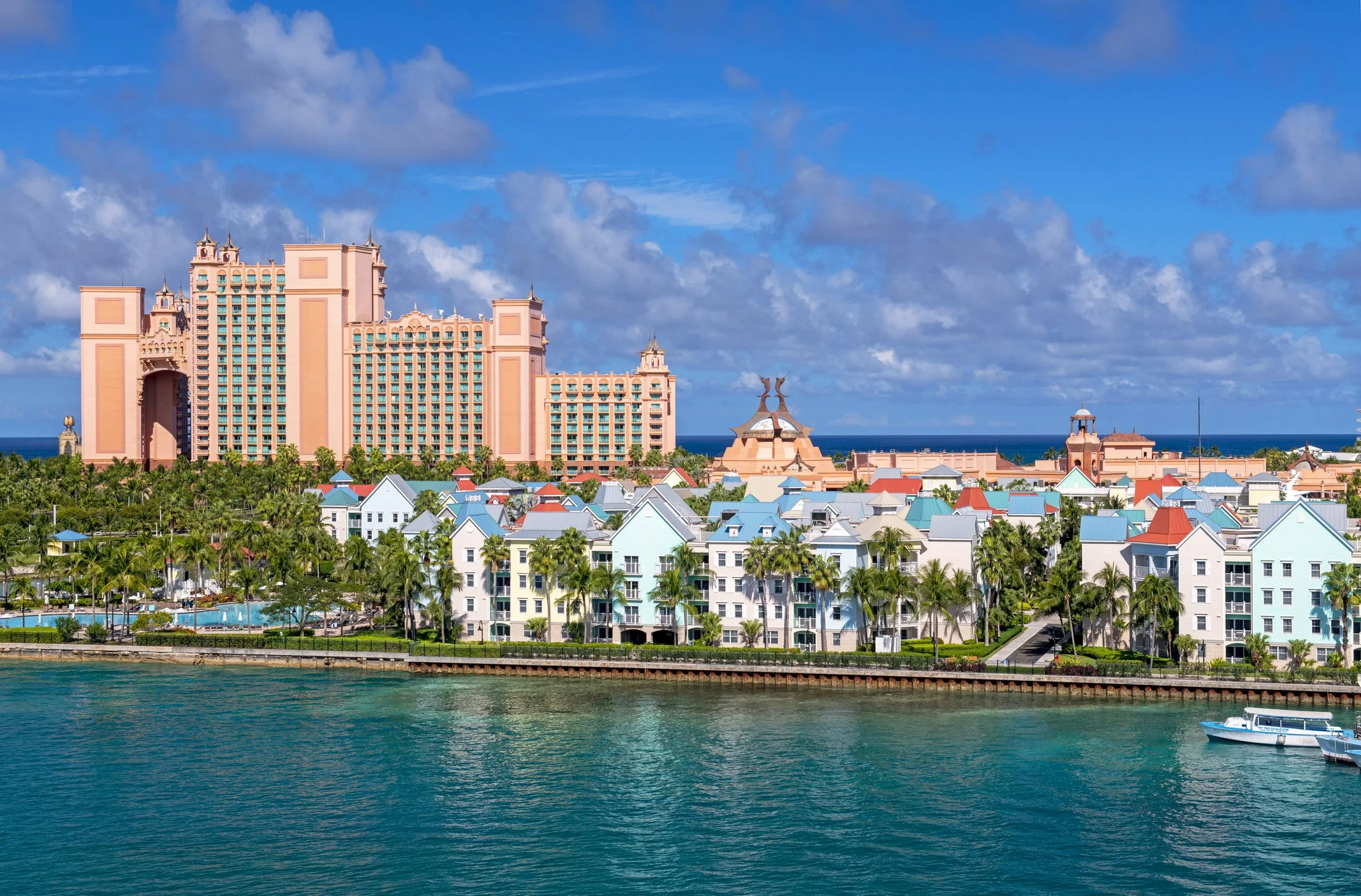
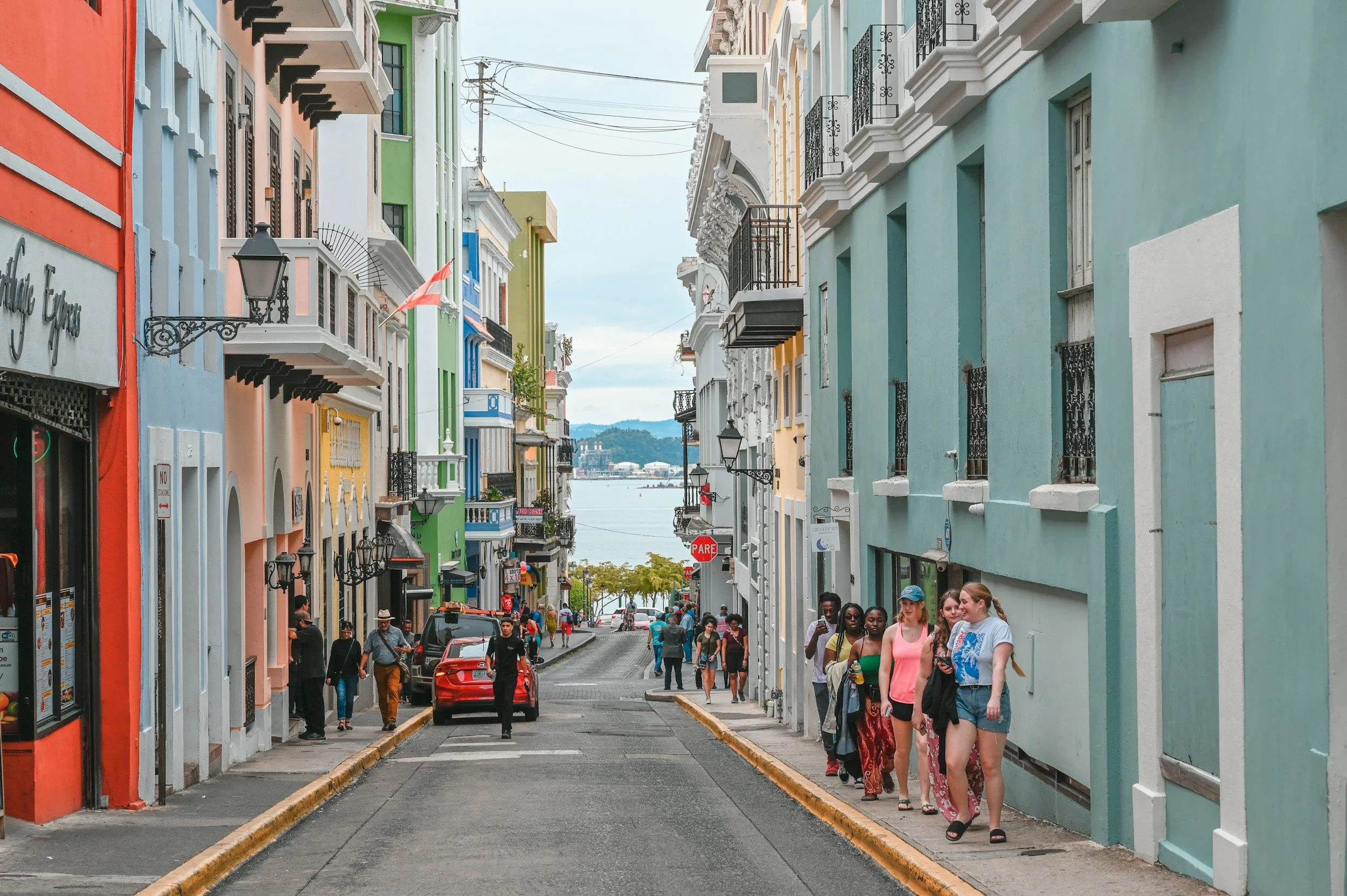
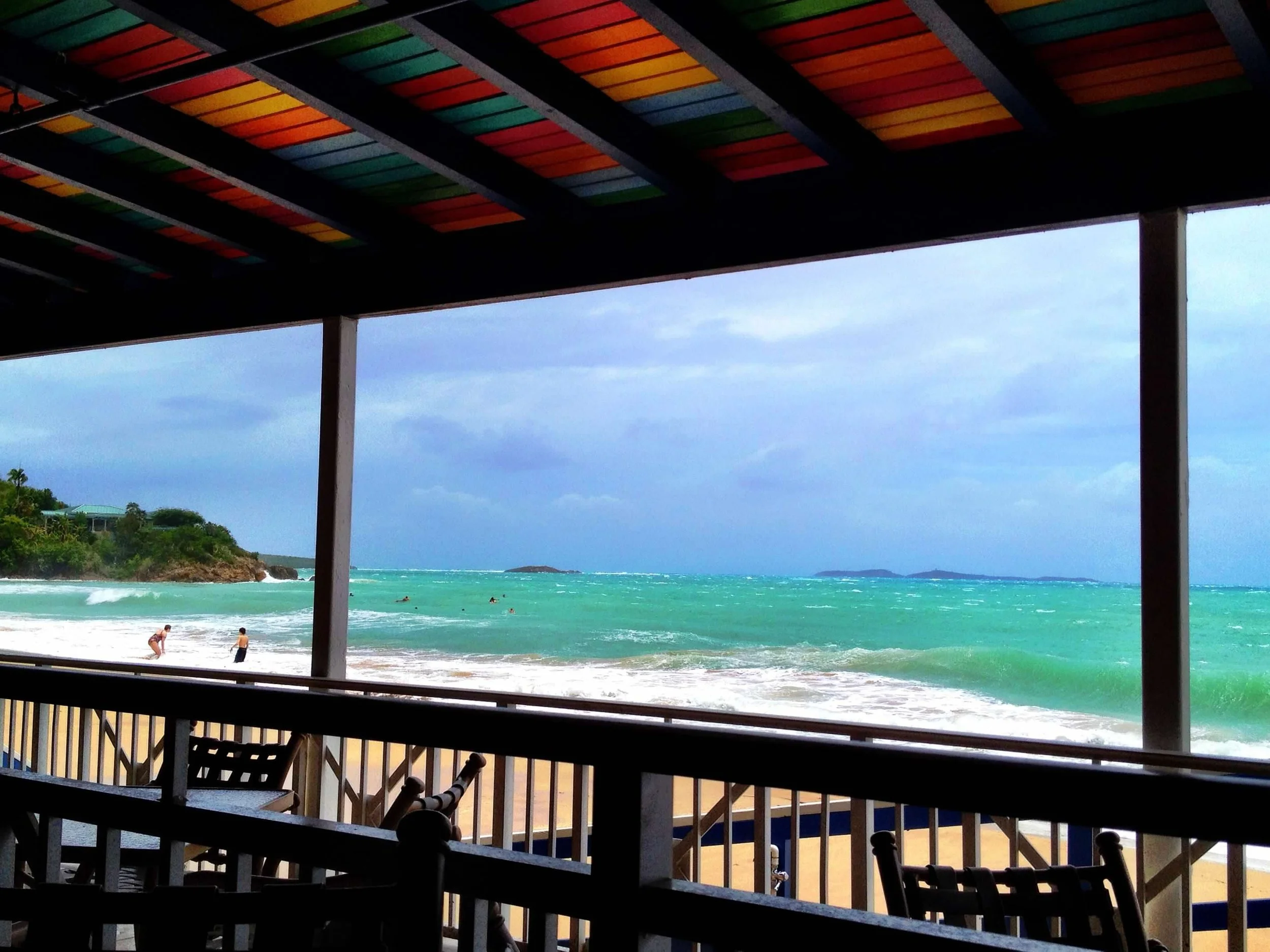
Which Caribbean Islands Have Real City Life?
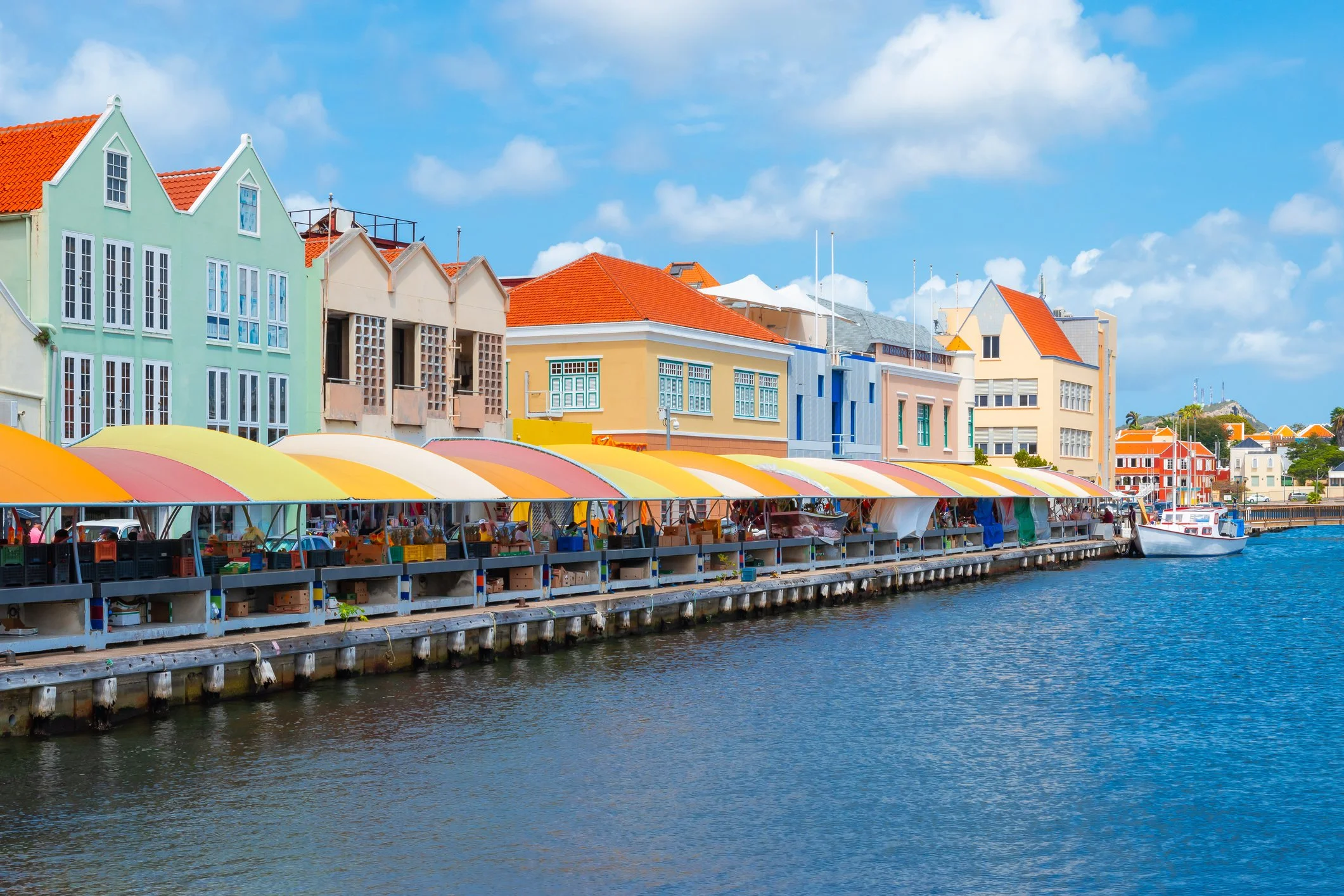
The Caribbean's urban destinations are defined by a quality that resort islands rarely develop: genuine neighborhood life that exists independently of the tourism economy. The most telling signal is whether the city's best restaurants, bars, and cultural venues are primarily frequented by locals or primarily by visitors. Destinations where the local creative and social class sustains the cultural infrastructure — where chefs cook for the community, where musicians play for the neighborhood, where galleries exist because local collectors support them — have an authenticity that tourist-facing urban development cannot replicate.
Urban Island Energy is a theme that will not expand dramatically with the Greater Caribbean Collection — most Caribbean islands are not cities and will not become them. But as the collection adds destinations across Central America, South America, and other parts of the Greater Caribbean, additional urban dimensions will appear. Browse the full collection to see every destination and its urban character.