By Kelly McAtee | TheTripThread | Updated April 2026
The Main Difference
Puerto Rico and the Dominican Republic are both lively Caribbean islands, but Puerto Rico feels like an island city that lets you escape to nature, while the Dominican Republic is a sprawling all-inclusive resort playground with pockets of authentic adventure. Choose Puerto Rico if you want urban culture, food, and independence; choose the Dominican Republic if you want all-inclusive comfort, maximum value, and less logistical thinking.
The honest case for Puerto Rico
☀️
The honest case for Dominican Republic
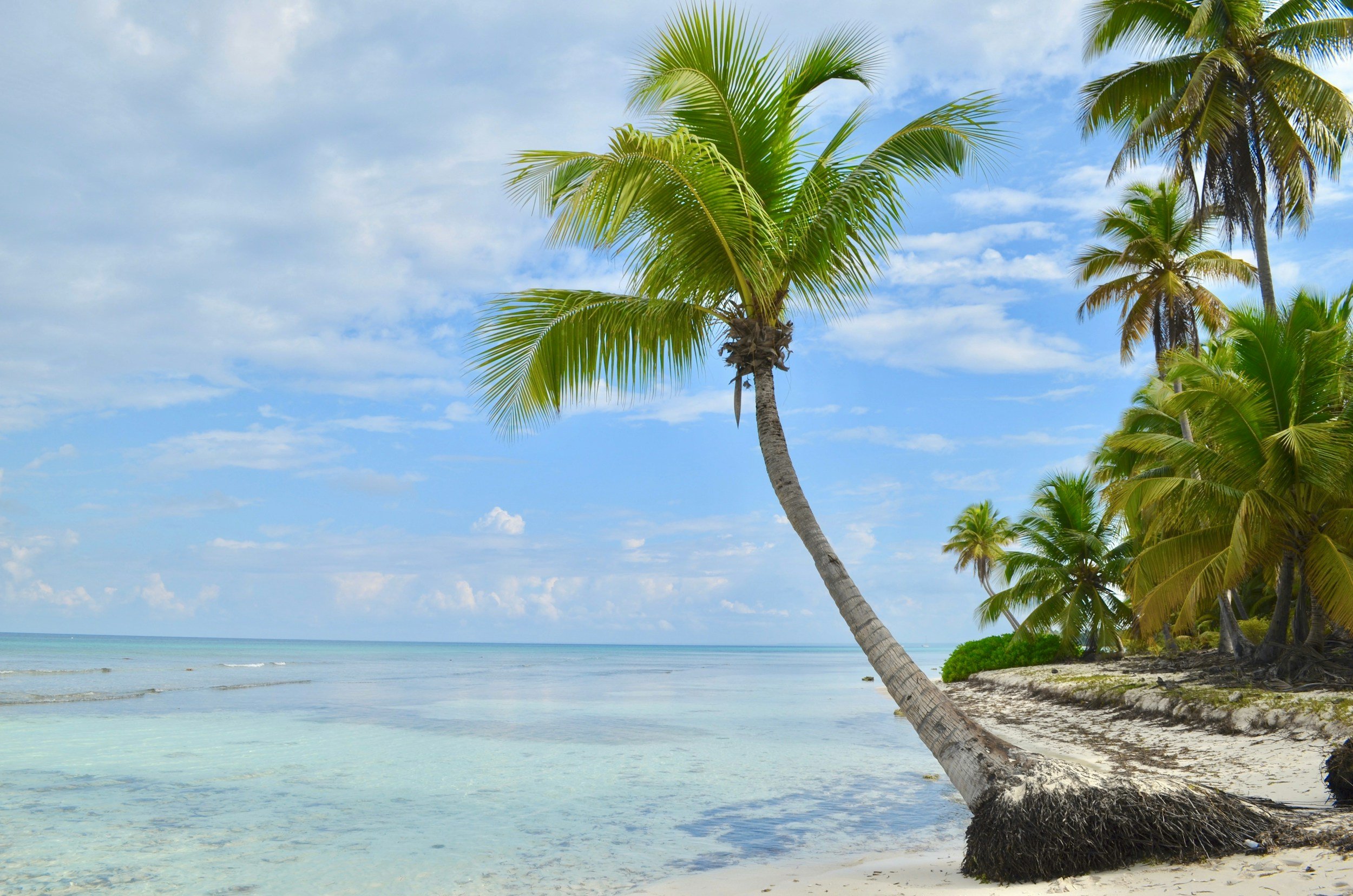
Quick Pick
Choose Puerto Rico if you want:
Urban exploration, history, and nightlife without leaving the Caribbean
The ease of no passport (US citizens), direct flights, and English widely spoken
A deeper food and culture scene—Old San Juan, local restaurants, and real neighborhoods
Choose Dominican Republic if you want:
All-inclusive resorts where everything is bundled and simple
Maximum bang for your buck across families, groups, and budget travelers
Diverse beach towns and adventure options (whale watching, hiking, multiple regions)
Skip Puerto Rico if:
You're not from the US (passport required for non-US visitors; you'll need to navigate that)
You only want a pure resort bubble—Puerto Rico feels alive and real, which isn't everyone's vibe
Skip Dominican Republic if:
You want a boutique, uncrowded, quiet island experience
You're uncomfortable with vendor culture and prefer a more laid-back transaction-free interaction style
What a Day Feels Like
A day in Puerto Rico
Morning: You wake in Old San Juan's pastel streets, grab café con leche and a mallorca pastry from a local bakery, and wander cobblestone plazas while the city slowly comes alive. Or you're in Rincón waking to surfer energy—coffee shop packed, boards heading to the beach.
Afternoon: You're exploring the rainforest canopy at El Yunque, finding hidden waterfalls and swimming pools carved by nature. Or you're back in the city checking out a museum, hitting a beach nearby, or driving to a bioluminescent bay.
Night: Dinner is at a proper restaurant—mofongo, fresh fish, creative cocktails—then you drift to a rooftop bar, beach club, or Old San Juan's narrow streets where live music and locals create natural energy.
A day in Dominican Republic
Morning: You wake at an all-inclusive, hit the breakfast buffet, claim your beach lounger, and ease into vacation mode with a pina colada before 9 a.m. The resort hums with families, couples, and organized activity.
Afternoon: You're on an excursion—zip-lining in the mountains, snorkeling at a cenote, whale watching (if winter), or exploring a local town with a guide. Or you stay poolside and let the resort do all the thinking.
Night: You eat at the resort's themed dinner (Italian night, Caribbean night), catch a live show or DJ, and sink into the ease of not deciding anything.
Where Each Destination Wins
1) Energy & atmosphere
Puerto Rico has urban energy mixed with laid-back beach towns—you get city vibrancy, colonial history, and local life all on one island. The Dominican Republic is more purely resort-energy: organized, buffet-driven, and designed for ease. If you want to feel a living island, Puerto Rico wins. If you want curated resort calm with lively nightlife, Dominican Republic delivers.
2) Beach & water feel
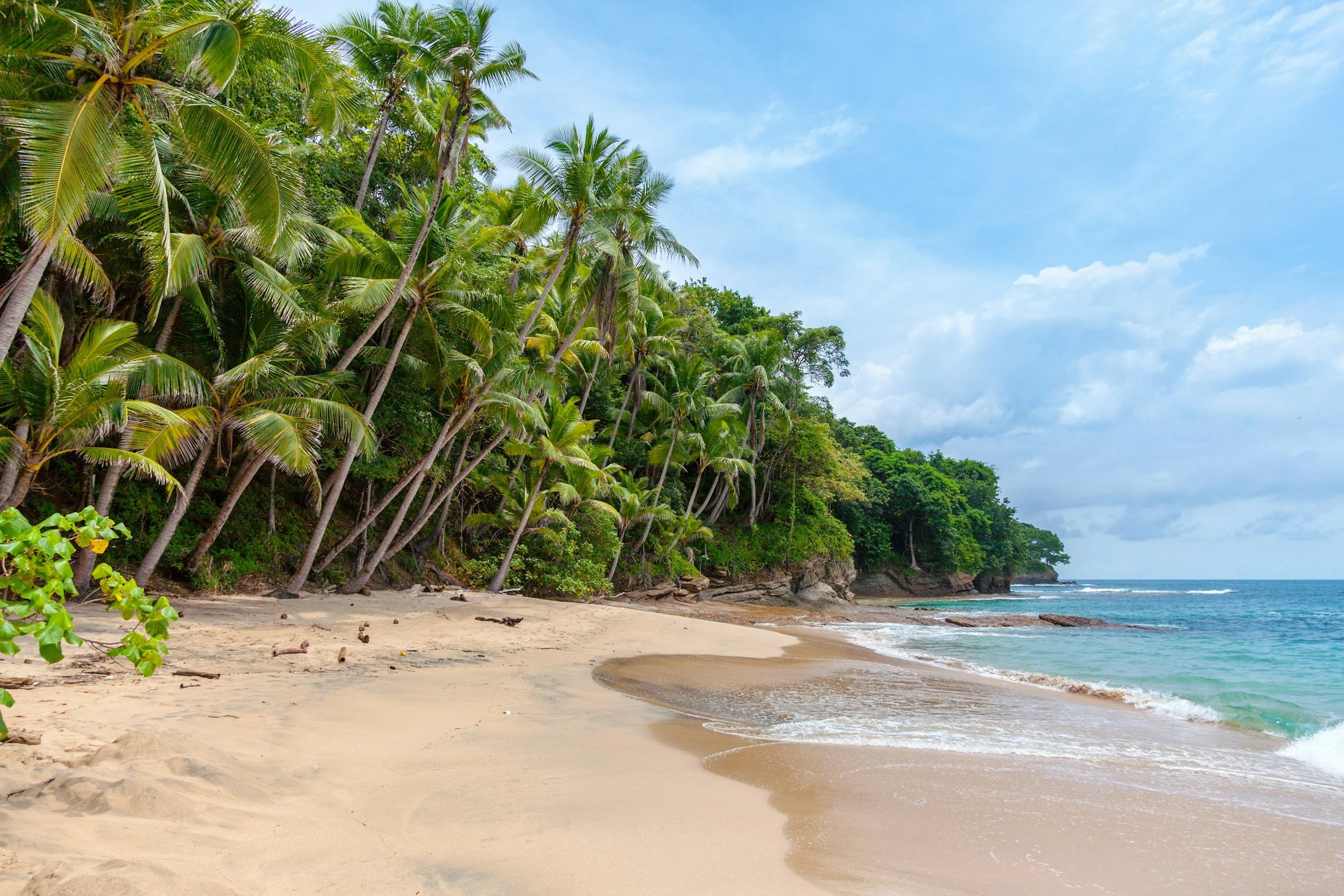
Both have stunning turquoise water and white sand, but they feel different. Puerto Rico's beaches are mixed: some crowded tourist zones (like Condado), others quieter and more local. The Dominican Republic's resort beaches are manicured, calm, and designed for lounging—no vendors in your face if you're all-inclusive. Puerto Rico offers more variety; Dominican Republic offers more peace on the sand.
3) Food + night energy
Puerto Rico's food culture is unmatched—mofongo, tostones, fresh seafood, and creative cocktail bars owned by people who care. Nightlife is organic: Old San Juan's bar scene, beach clubs with live music, local spots. Dominican Republic has good food (especially at resorts), but it's often buffet-standardized. Nightlife is bigger and louder—clubs, shows, DJ poolside energy. Puerto Rico wins on culinary authenticity; Dominican Republic on sheer nightlife volume.
4) Crowds + tourism feel
Puerto Rico in peak season feels busy, especially San Juan and Condado—cruise ships dock, streets fill, and some beaches get packed. But move outside those zones and you find quieter neighborhoods and local spots. Dominican Republic is even busier in resort areas (Punta Cana, Puerto Plata), but it's all-inclusive busy, not street-wandering busy. You're in a bubble. If you want to avoid crowds, neither wins—both have heavy cruise traffic and high tourism saturation.
5) Value for what you get
Dominican Republic dominates on pure price: all-inclusive rates are cheap, flights are affordable, and your dollar stretches. Puerto Rico costs more upfront but offers better quality in dining and culture—you pay more but eat better and experience more depth. If budget is your priority, Dominican Republic wins decisively. If you want value in experience quality, Puerto Rico's higher costs feel worth it.
A note on what comparisons can't capture
A comparison only tells you how two islands differ. It doesn't tell you what either one is actually like. If you're leaning one way, that's what the destination pages are for.
☀️
Honest Downsides
Puerto Rico — Honest downsides
Sargassum and salty beach conditions: The seaweed shows up in warmer months and can make beaches feel less pristine. It's unpredictable and frustrating when you're beach-focused.
San Juan traffic and urban reality: Old San Juan and Condado are beautiful, but they're also busy with cruise traffic, exhaust, and logistical messiness. It's a real city, which means real-city problems.
No passport requirement comes with a catch: US citizens don't need a passport, but that also means the island feels like a US territory (because it is)—some travelers want to feel like they've left the US entirely.
Sargassum season and seasonal crowding: December–April is premium, but June–October water quality can degrade, and hurricane season adds anxiety.
Dominican Republic — Honest downsides
Vendor culture and pushy transactions: Outside resorts, you'll encounter persistent vendors, and it can feel exhausting if you're not in the mood to negotiate or say no repeatedly.
All-inclusive bubble limits authentic culture: Resorts are designed to contain you, so getting real Dominican experience requires intention and leaving your comfort zone.
Quality variance in resorts and service: Dominican Republic is vast and inconsistent—some all-inclusives are excellent, others feel dated or poorly managed. You can't predict it perfectly.
Safety awareness required: Petty theft, scams, and crime vary by area—tourist zones are generally safe, but you need street smarts and caution in a way that's less necessary in Puerto Rico's established tourist infrastructure.
Practical Reality
Best months: December–April (dry season) for both. January for Puerto Rico's San Sebastián Festival; January–March for Dominican Republic's whale watching season.
Budget: Puerto Rico: $$–$$$ (higher daily costs, better food quality). Dominican Republic: $–$$$ (all-inclusive resorts make budgeting simple and cheap).
Cruise impact: Both have heavy cruise ship traffic. San Juan (PR) and Amber Cove, La Romana, Puerto Plata (DR) are major ports. Plan around cruise days or expect crowded beaches and streets.
Car: Puerto Rico: Yes, recommended for exploring beyond San Juan. Dominican Republic: No for all-inclusive resort stays; Yes if you're doing independent towns and adventures.
Frequently Asked Questions
Do Americans need a passport to visit Puerto Rico or the Dominican Republic?
Puerto Rico is a US territory, so American citizens don't need a passport — a valid government-issued ID is sufficient, US dollars are the currency, and domestic flight rules apply, including no customs on return. The Dominican Republic is a foreign country and requires a valid US passport, currency exchange, and clearing customs. For US travelers whose passport has expired, who've never traveled internationally, or who simply want to minimize friction, Puerto Rico removes that barrier entirely. It's one of the most frequently cited reasons Americans choose it over comparable Caribbean destinations.
Which is more affordable — Puerto Rico or the Dominican Republic?
The Dominican Republic, particularly for all-inclusive vacations in Punta Cana, where bundled resort pricing — food, drinks, entertainment, and activities included — can make a week surprisingly affordable. The all-inclusive model does most of the budget work for you. Puerto Rico operates on American pricing: there are no all-inclusives to speak of, accommodations run closer to US mainland rates, and dining, transport, and activities all add up independently. Travelers who want the most beach vacation per dollar consistently find better value in the Dominican Republic. Puerto Rico rewards travelers willing to spend more for genuine urban and natural experiences that go well beyond the resort.
Which has more to see and do beyond the beach?
Puerto Rico, and the gap is significant. Old San Juan is one of the most historically rich colonial cities in the hemisphere — centuries-old Spanish forts, cobblestone streets, and a walkable density that holds days of exploring. El Yunque National Forest is the only tropical rainforest in the US National Forest system. Bioluminescent bays on the main island and off Vieques are world-famous. The food scene in San Juan has become one of the most exciting in the Caribbean. The Dominican Republic has real cultural depth — Santo Domingo's Zona Colonial is a UNESCO World Heritage site, and the Samaná Peninsula is genuinely beautiful — but most visitors never see it, staying in the self-contained Punta Cana resort corridor for their entire trip. Puerto Rico is a destination you explore; the Dominican Republic is largely a destination where you settle in.
Which has better nightlife?
Puerto Rico wins on genuine variety and authenticity. San Juan's La Placita, Condado, Santurce, and Isla Verde neighborhoods have real bars, clubs, live music, and salsa energy that exists independently of resorts and continues into the early hours. The nightlife is part of how the city actually lives, not something programmed for tourists. The Dominican Republic has entertainment — Punta Cana resorts run nightly shows, themed bars, and scheduled dancing — but most of it is contained within resort grounds and oriented toward package tourists. Santo Domingo's Zona Colonial has genuine nightlife, but that requires venturing well beyond where most visitors stay. For travelers who want to go out into an actual city and experience nightlife with real social energy, Puerto Rico is the clearer choice.
Which is better for families with kids?
Both work, but in different ways. The Dominican Republic's all-inclusive model is genuinely family-convenient — meals, activities, childcare programs, and entertainment are bundled and on-site, eliminating daily planning. Large Punta Cana resorts are set up for families who want to stay put and have everything handled. Puerto Rico rewards families willing to plan and move around: El Yunque, Luquillo beach, Culebra, the forts of Old San Juan, and bioluminescent bay tours make for a rich, varied trip that teaches kids something real. The right choice depends on whether the family wants a structured resort week or a more active, exploratory trip with a rental car.
Which is better for food?
Puerto Rico, and serious food travelers know it. San Juan has developed one of the most dynamic restaurant scenes in the Caribbean — from mofongo to high-end tasting menus, from roadside lechoneras in Guavate to farm-to-table spots in Santurce, the range and quality are exceptional. The island punches well above its weight. The Dominican Republic has a rich food tradition — mangú, sancocho, fresh seafood, and the best street food — but Punta Cana's resort corridor delivers mostly homogenized international buffet cooking, and travelers who don't venture into local towns or Santo Domingo miss the real thing. Puerto Rico's food scene is accessible by design; the Dominican Republic's requires deliberate effort to find.
Puerto Rico: the full read
☀️