By Kelly McAtee | TheTripThread | Last Updated March 2026
Dominican Republic
Resort ease on the coast, waterfalls in the hills, merengue in the city — the Dominican Republic contains more Caribbean than most travelers expect.
Adventure & Nature | Culture & Rhythm | Affordable Paradise | Urban Island Energy
Best for travelers who want resort ease as a home base, then book guided excursions for waterfalls, culture, and coastline—drawn to variety and infrastructure over tiny-island simplicity.
Not for travelers who expect to freely wander day-and-night without planning, or who want a walkable, low-friction island outside the hotel zone.
☀️ Best months: Dec–Apr 💲 Average cost: $–$$$ 🕶️ Vibe: Vibrant & Festive
Reality Check (Read This Before You Book)
Most Dominican Republic trips are resort-anchored by design — days revolve around a home base, and off-property time usually means a planned excursion rather than spontaneous wandering. The biggest misconception is that the DR is easy to roam freely: outside resort corridors, distances are long, transport requires planning, vendor pressure varies significantly by zone, and Spanish is the dominant language across most of the country.
A few things worth knowing before you commit:
If you expect to freely wander day and night without planning, the DR will feel more managed and structured than you anticipated — especially in the main resort zones where independent movement requires deliberate effort.
If you need consistent English outside the hotel, the language gap will be a friction point. Spanish is the everyday reality across most of the country, and resort-corridor assumptions don't carry far beyond the gates.
If you want a quiet, boutique-feeling island by default, the DR requires very deliberate area choice — the busier, more energetic version is the default unless a quieter pocket is chosen on purpose.
Travelers who arrive knowing they're buying resort range and optional adventure tend to love it. Those who wanted a small, walkable, low-friction island tend to feel the scale and structure working against them. For those travelers, a smaller, less resort-dependent island in the collection will be a better fit.
Why You’ll Love It
The Dominican Republic works for travelers who want the Caribbean's widest range of options under one trip — resort comfort as a home base, then waterfalls, whale watching, city culture, or surf towns as add-ons whenever the itinerary absorbs them. The energy is vibrant, lively, festive, colorful, and warm, and it shows up in how people move through the day: music in the background, a beach that never feels completely silent, and nights that don’t require a “scene” to feel alive.
Most days here start with the easy, self-contained rhythm of resort life: bright water you can see from breakfast, warm air that never really cools down, and a social buzz that’s present even when you’re “doing nothing.” The Dominican Republic doesn’t feel hushed or minimalist — it feels active and lived-in, with music drifting from somewhere, staff and families moving through the same spaces, and an energy that reads more festive than secluded.
What makes the Dominican Republic different from smaller Caribbean islands isn’t that everyone roams freely from beach bar to back road — it’s that most travelers choose a comfortable resort base and stay close to it, because that’s where the trip feels simplest and most relaxed. The “real DR” is there if you want it, but it usually comes through organized, reputable excursions (booked through the resort or trusted operators) rather than spontaneous wandering. If your ideal trip is independent exploring without structure — strolling anywhere at any hour, discovering towns on a whim — the DR can feel more managed and resort-centered than you expected.
Best for travelers who want a resort-based Caribbean trip with optional, guided excursions for waterfalls, culture, and scenery — choosing ease and structure over independent, roam-anywhere exploring.
This is the Dominican Republic
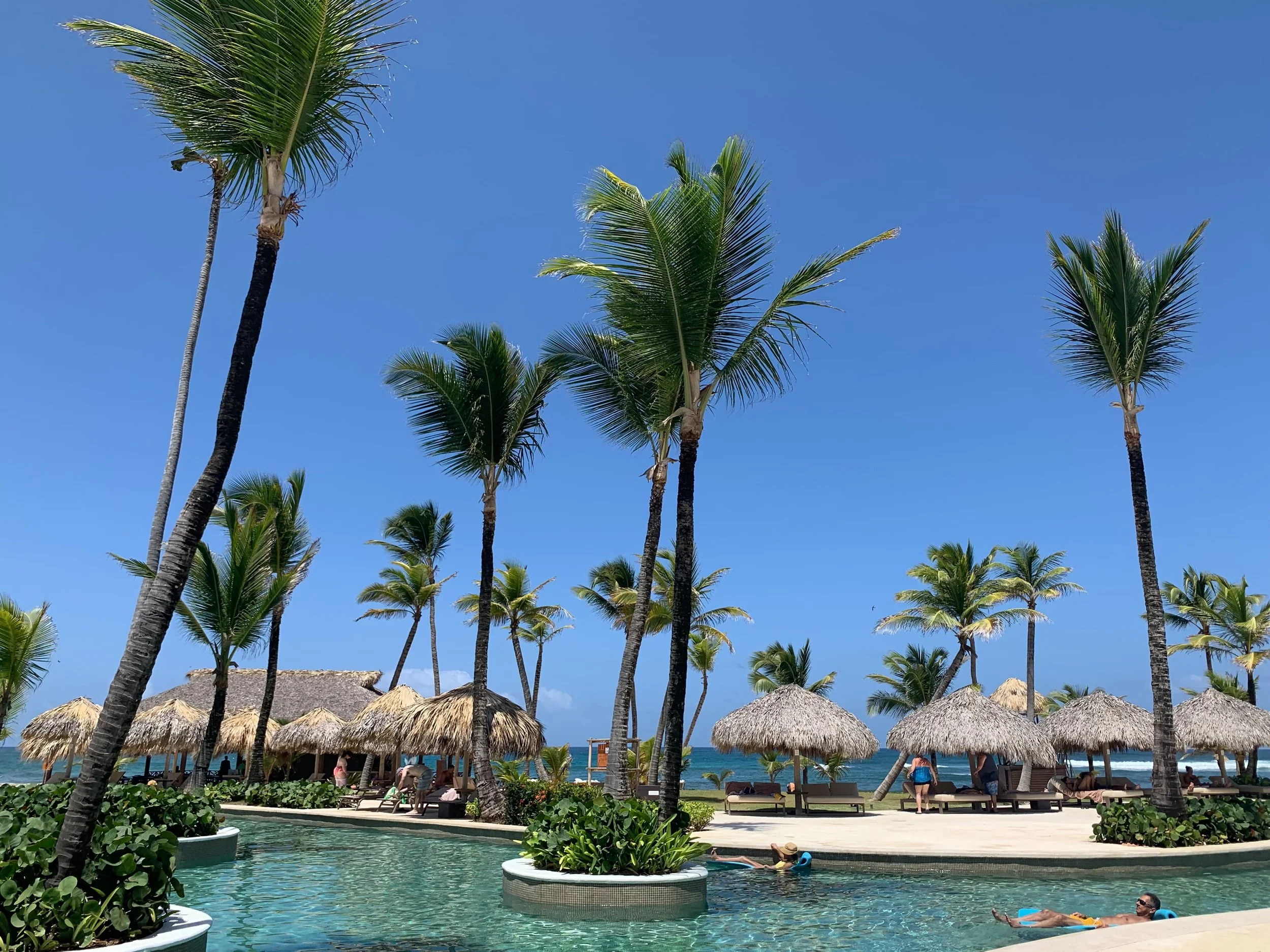
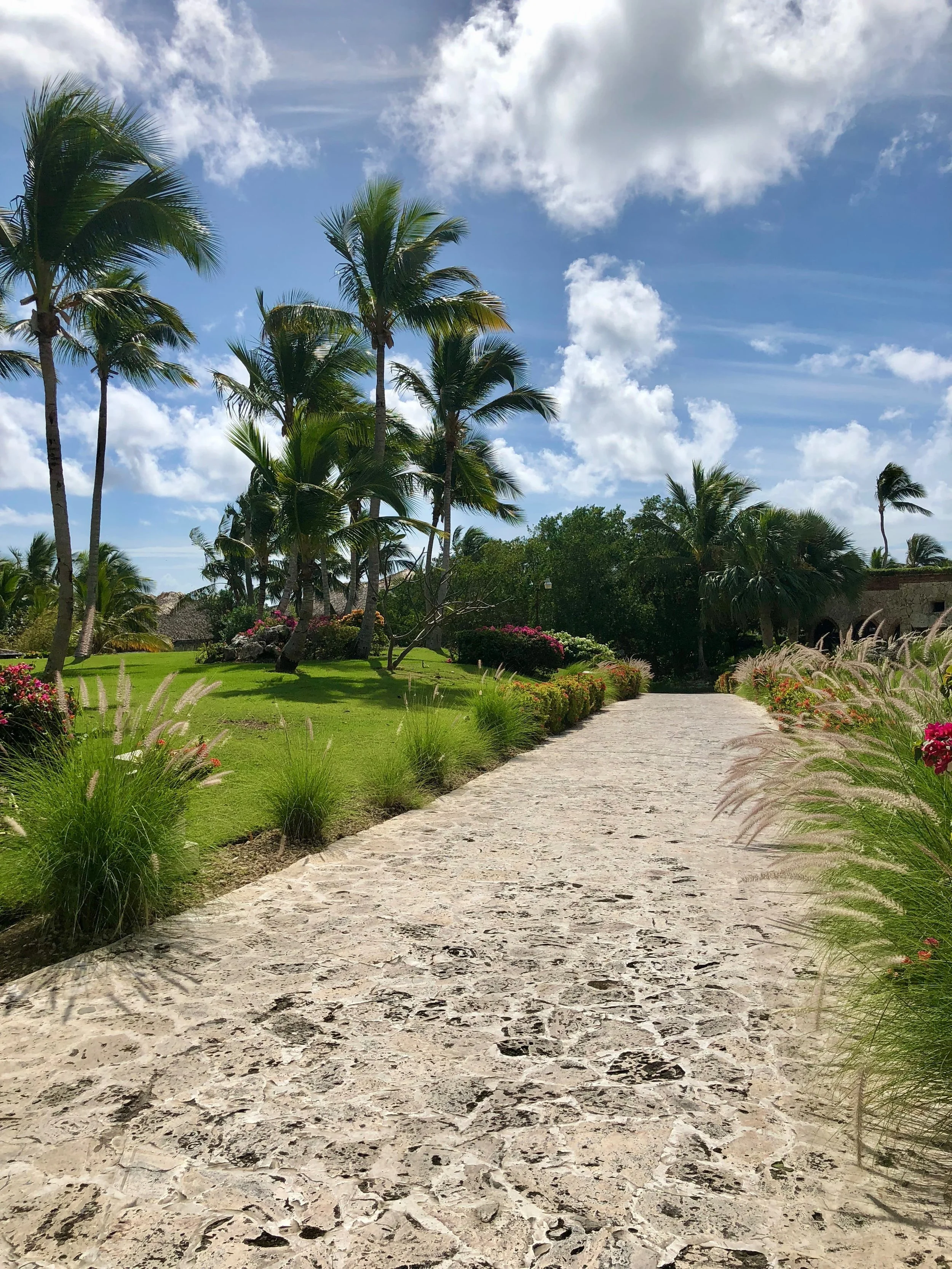
Sun-bright resort coastlines and palm-lined pools on the surface, with bold color, loud rhythm, and a deep green interior that hints at the country beyond the gates.
Part of the Greater Caribbean Collection on TheTripThread — a destination reference system built for travelers deciding where they'll feel right, not just where to go. The Dominican Republic is for travelers who value range, infrastructure, and the option to go resort-easy or adventure-deep in the same trip.
Common Experience Patterns

The Dominican Republic’s day-to-day reality for many travelers is resort-anchored: people choose a comfortable base, then decide whether to add curated excursions because distances, transport, and local “how to move” logistics shape the trip. It can be easy and low-effort—or it can feel like it requires planning, depending on how far beyond the hotel zone the itinerary goes.
Evenings tend to feel social and alive rather than quiet. In the main resort regions, a “beach day” often looks like chairs, shade, service, and a steady hum of activity—warm water, bright light, and music nearby—while off-resort time is usually something scheduled with a driver, a guide, or a trusted operator.
This is not a tiny, walk-everywhere island where most visitors casually roam without thinking. The trade-off is straightforward: the DR offers range and affordability, but it can come with planning friction (transport choices, vendors in busy areas, and differing comfort levels about wandering).
Locals Know
The DR" is not one trip. Punta Cana, Samaná, Cabarete, and Santo Domingo are different destinations in practice, and locals are quick to correct visitors who treat them as interchangeable.
What this means for visitors: choosing the wrong base for your travel style isn't just a minor inconvenience — it can define the entire experience. Deciding which DR you're visiting before you book matters as much as deciding whether to visit at all.
Where we eat:
Most visitors eat the majority of their meals on-property, and in the main resort corridors that's a deliberate choice rather than a limitation — variety and convenience are built in. Off-resort dining typically means planning ahead: arranging a driver, choosing a restaurant in advance, and treating it as a scheduled outing rather than a spontaneous detour. The restaurants worth the trip usually reward that effort.
"Worth it, but definitely something you plan."
— Redditor, r/puntacana
Where we go:
Movement in the DR is region-anchored rather than town-to-town. Most travelers choose one home base and build outward from there — a boat trip to Saona, a waterfall day in the interior, a transfer to a different coast — rather than moving freely between areas. The country's size means that trying to see multiple regions in a short trip often creates more friction than reward.
"It took the entire day." — Redditor, r/puntacana
What we love:
What the DR consistently delivers is range — the ability to have a fully contained, low-decision resort trip or to push outward into waterfalls, city culture, whale watching, and local food, depending on how much planning the itinerary absorbs. The trade-off travelers accept is structure: the best version of the DR usually involves knowing what you want before you arrive.
"There is a lot more than just resorts if you leave Punta Cana." — Redditor, r/travel
Travelers consistently praise the DR's value, the warmth of the people, and the sheer range of what's available — beaches, excursions, nightlife, and city culture all within one trip. What repeatedly catches people off guard is the gap between resort life and independent movement: distances are longer than expected, vendor pressure in tourist zones can be persistent, and the Spanish-only reality outside resort corridors surprises travelers who assumed English would carry them further. Locals and repeat visitors alike describe the Dominican Republic as best when anchored in comfort and explored selectively — ideal for travelers who value range and affordability, while those who prefer effortless, roam-anywhere simplicity tend to choose elsewhere.
About this section
This section is built from publicly shared traveler perspectives and credible regional reporting. We treat it as sentiment and cross-check factual claims where possible. We intentionally limit dependence on review marketplaces where paid, promotional, or otherwise unrepresentative input can blur the picture.
Identity
Vibe Descriptors
Vibrant · Lively · Festive · Colorful · Warm
……….
Core Audience
Best suited to travelers who want an easy resort base with optional adventure and city energy, spanning families, couples, and social groups
……….
Best For (Trip Types)
Family Friendly · Adventure & Exploration · Culture & History · Nightlife & Party
……….
Known For
All-inclusive beach corridors paired with a dramatic interior and real urban culture, offering mountains, music, and movement beyond the shoreline
……….
Trip Thread Theme(s)
Friction & Tradeoffs (Read This Before You Book)
Cost Pressure: The DR's price range is genuinely wide — all-inclusive packages can make a week surprisingly affordable, but independent travel, off-property dining, and hired transport add up faster than most visitors expect. The gap between resort-contained costs and out-of-pocket costs is larger here than on most Caribbean islands.
Mobility / Getting Around: Inside a resort corridor, movement is handled — transfers, excursions, and on-property options cover most needs. Beyond that, a rental car is almost essential for real independent exploration, and drivers should be comfortable with assertive, fast-paced road conditions. Taxis and hired drivers are the reliable middle path for travelers who want off-property time without navigating unfamiliar roads.
Autonomy vs Structure: The DR rewards travelers who arrive with a plan rather than those who prefer to discover things spontaneously. Excursions are typically booked through the resort or a trusted operator rather than arranged on a whim — and the best off-property experiences almost always require advance planning rather than casual wandering.
Crowd Texture: Resort corridors run busy and tourism-saturated, with vendor pressure that varies significantly by zone — minimal inside well-managed properties, persistent in high-traffic tourist areas and port zones. Cruise ship traffic is heavy at Amber Cove, La Romana, Santo Domingo, and Puerto Plata, which affects the feel of those areas on port days.
Culture Access: Spanish is the dominant language outside resort zones, and the gap between resort-facing DR and local DR is wide enough that many visitors never cross it. Travelers who want genuine cultural access — local food, city life, music culture — need to plan deliberately for it rather than expecting it to surface naturally from a resort base.
Variety Ceiling: For resort-anchored travelers, the DR's variety ceiling is low — days can repeat quickly if the itinerary stays on-property. For travelers willing to plan excursions and move between regions, the ceiling is among the highest in the Caribbean. The destination rewards those who treat it as a base for exploration rather than a contained experience.
Sand & Sea Character
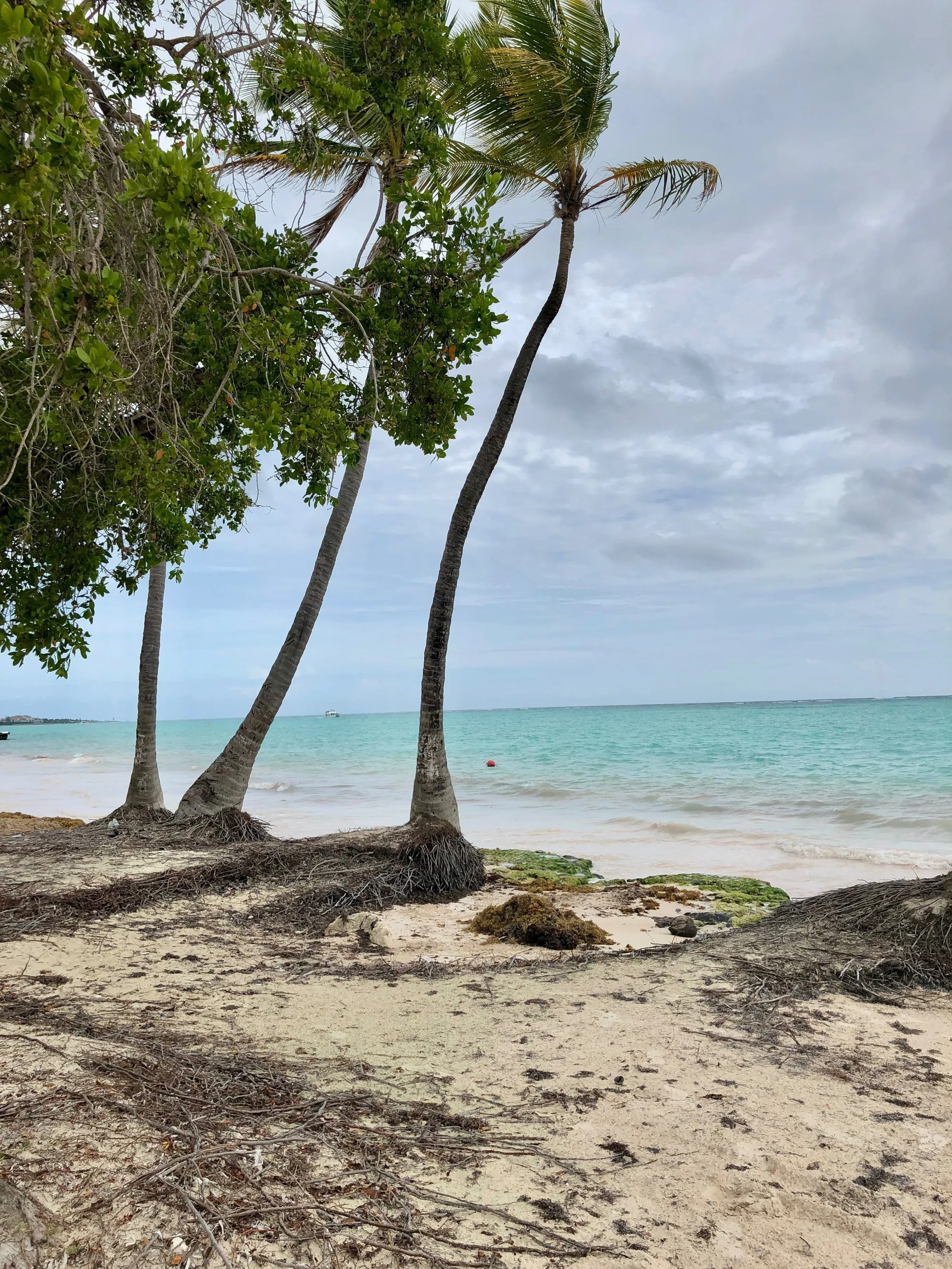
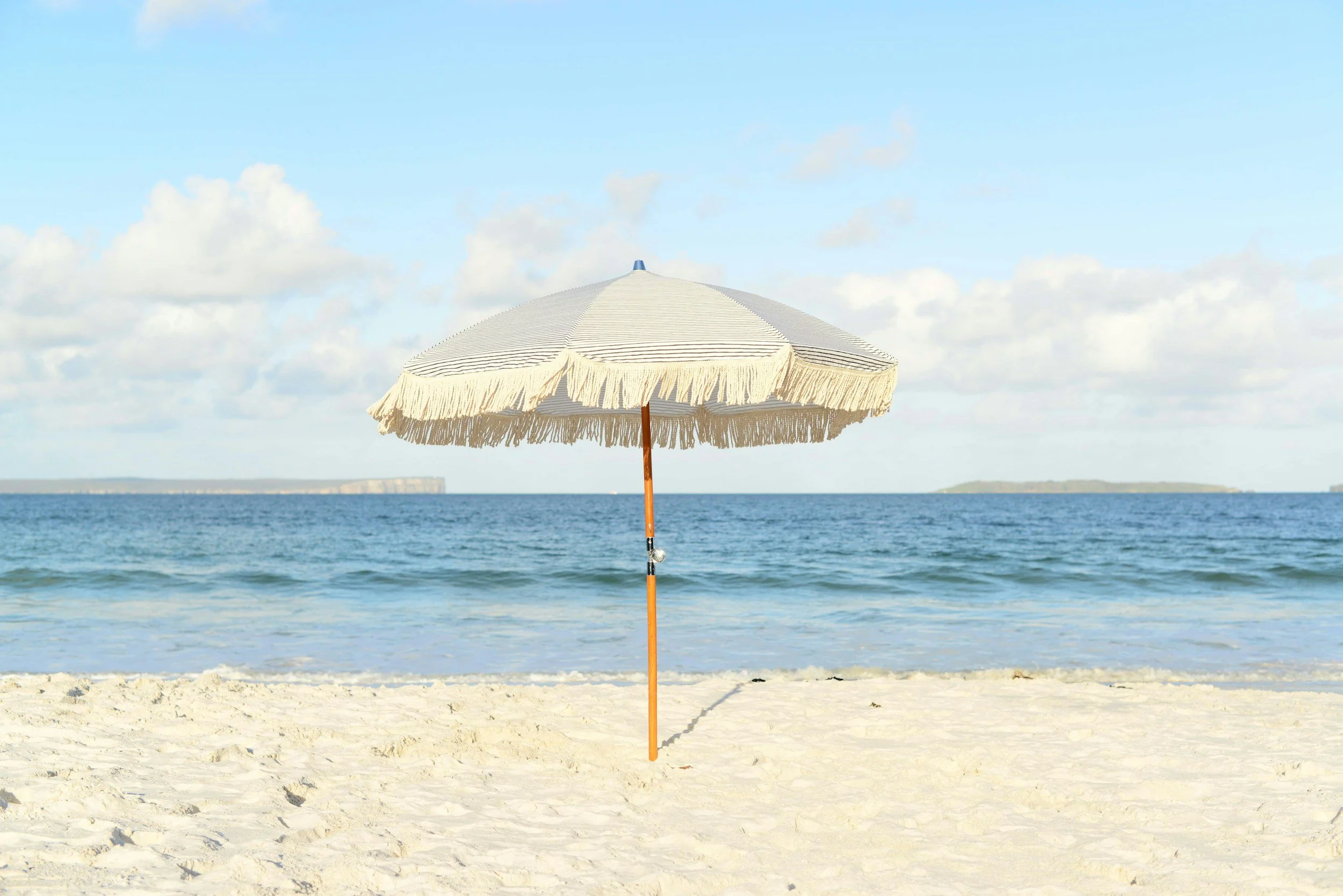
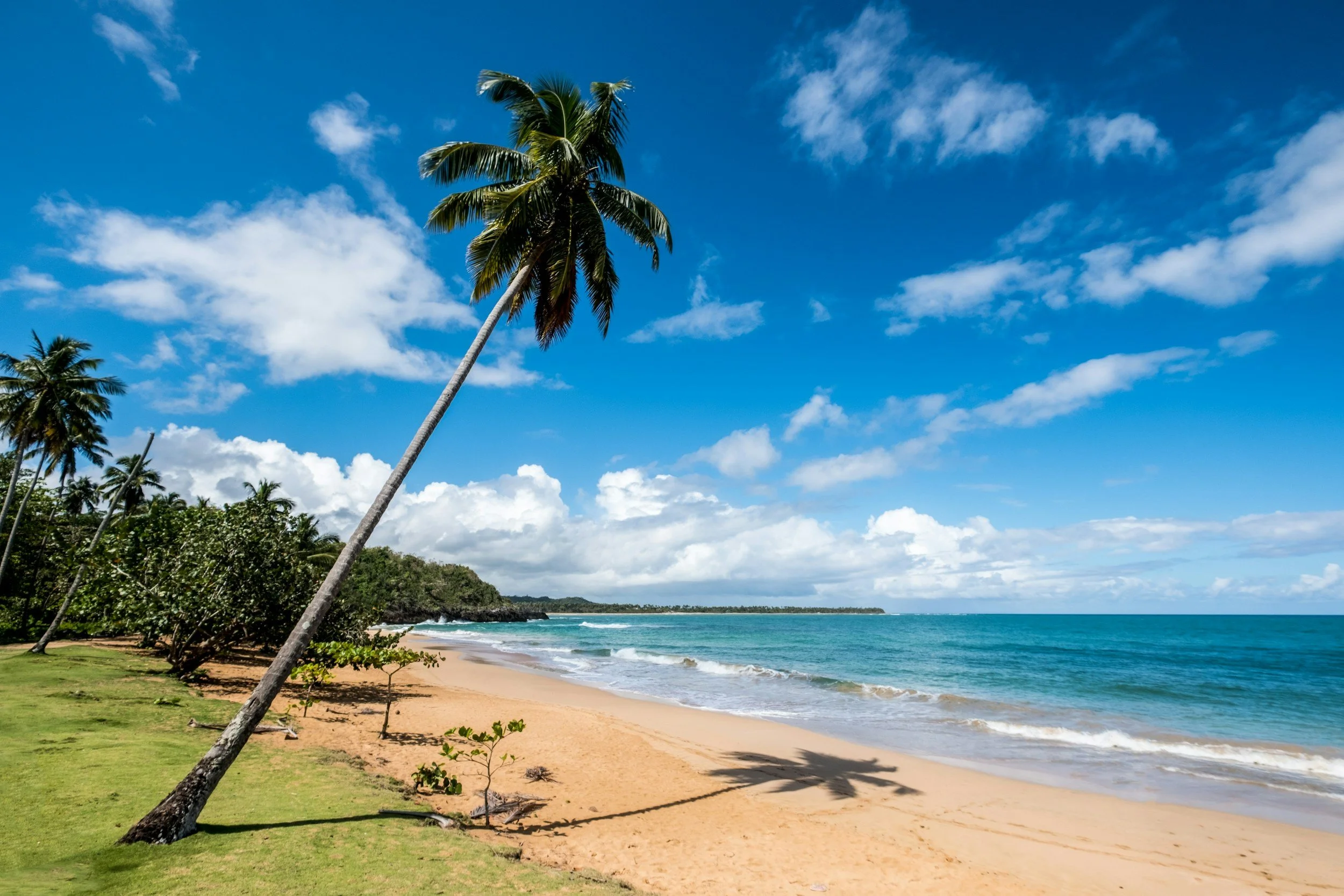
In the main resort corridors, the sand is typically pale, fine, and soft, the kind that packs lightly near the waterline and feels powdery on the upper beach. Along the Caribbean-side beaches near Bayahibe/Dominicus, travelers often describe the shoreline as whiter and calmer-looking, while parts of the Atlantic-facing Punta Cana/Bávaro stretch can feel more wind-worked and lively underfoot. In a few regions—especially where the seabed is darker (rock, seagrass, or deeper drop-offs)—the water can look deeper-toned even when visibility is good; the color reads more teal or cobalt simply because the bottom isn’t bright sand.
Water clarity (visibility) and water color (appearance) don’t always match here, and that difference matters. If someone’s chasing the “see-your-feet-from-the-waist-deep” feeling, the Caribbean Sea side (Bayahibe/Dominicus/La Romana area) is more consistently described as calmer and clearer, with less surf agitation—and often less seaweed interference. On the Atlantic-facing Punta Cana/Bávaro side, the water can still be bright turquoise, but it’s more exposed—waves and wind can stir sand, and seasonal sargassum can change the look and feel of the shoreline even when resorts work to manage it. The north coast (Cabarete) trends more wind-and-wave shaped—great for motion, less “floaty-lagoon” by default. That’s why clear-water, easy-swim travelers often base Caribbean-side, long-beach resort planners choose Punta Cana/Bávaro for infrastructure, and surf/wind-seekers gravitate north for a more kinetic sea day.
Explore the Dominican Republic — Map & Highlights
The Dominican Republic sits on Hispaniola in the Greater Antilles, where the Atlantic and Caribbean meet—so the country doesn’t behave like a single-beach island. Exploring it often feels like choosing one strong home base, then expanding outward in planned arcs: resort mornings, a driver or tour for the day, then back to a familiar shoreline by night. That movement reality is the contrast—this isn’t a tiny place where travelers casually wander town-to-town on foot, nor is it one continuous tourism strip. Regions differ in swim conditions, evening energy, and how easy it is to move around without friction. This map is intentionally curated to show decision geography, not every possible beach or restaurant.
Beaches
Beach days change by region. The Punta Cana corridor is long, serviced, and energetic, with more open-ocean motion on many days. The Caribbean-side Bayahibe/Dominicus area tends to read calmer and more float-friendly, while the north coast leans wind-and-wave shaped. Weather and surf can shift visibility fast, so “clear-looking” and “clear-to-see” aren’t always the same. Base Caribbean-side for swim-easy clarity, Punta Cana for resort infrastructure, and north coast for wind/surf rhythm.
Food & Drink
Food density is highest in Santo Domingo, where dining feels city-driven and late-night capable. Resort corridors skew convenient and packaged, with off-property meals usually planned rather than improvised. Samaná’s beach towns offer a smaller, walkable mix, while the north coast has casual strip energy tied to surf/wind culture. The practical difference is movement: some zones are cluster-friendly, others require rides. Base in Santo Domingo for range, Las Terrenas for walkable beach-town dining, or Punta Cana for low-decision resort ease.
Activities
Activities are region-anchored: historic culture in the capital, water-and-mangrove nature in the northeast, waterfall and canyon days in the north, and boat trips out of Bayahibe. Trying to “stack” multiple far-apart regions into a short stay often creates friction—traffic, long drives, and early departures that don’t match a resort rhythm. The DR rewards choosing one core region and adding a few high-value day trips. Base near the experiences you care about most, then keep the rest as optional.
Where to Stay in the Dominican Republic
Where travelers stay in the Dominican Republic quietly determines how the trip feels, because each region runs on a different rhythm and movement reality. Some areas are designed for contained, resort-based days; others feel more like beach towns or city neighborhoods with nights that unfold on foot. This section frames the main base choices travelers actually debate—so the stay matches the pace, swim conditions, and planning style they want.
Bávaro Beach — Resort corridor with constant shoreline motion
On the far eastern coast near Punta Cana, Bávaro is the DR’s most resort-defined base: long sandlines, on-property routines, and a day that rarely requires decisions. Travelers choose it for ease—airport proximity, predictable beach access, and a built-in social hum that starts early and never fully disappears. It suits those who want to stay contained and only add excursions when the mood hits, rather than building a roaming itinerary. The trade-off is that it can feel busy and tourist-forward, with less of a “town” identity once the sun goes down
Why stay: Low-friction resort days with a long beach routine and easy access to organized excursions
Why not: It trades away quiet and local texture for constant activity and a more packaged version of the coast
~~~~~
Playa Juanillo (Cap Cana) — Polished, gated calm with a slower tempo
Just south of the main Punta Cana strip, Cap Cana’s Playa Juanillo reads more contained and composed—fewer moving parts, softer shoreline energy, and a “choose-your-evening” calm. Travelers who stay here tend to value a quieter base while still being close enough to the Punta Cana corridor for excursions and occasional nights out. It works well for couples and travelers who want the DR to feel easy without feeling crowded, and who prefer planned transportation over casual drifting between areas. The trade-off is less spontaneity and fewer walkable off-property options
Why stay: A calmer, more controlled beach base that keeps the trip feeling smooth and unhurried
Why not: It can feel insulated, with less natural street-level energy and fewer walk-out choices beyond the property
~~~~~
Playa Dominicus — Caribbean-side swim-easy base near Bayahibe
On the south coast near La Romana, Dominicus is chosen by travelers who care most about water behavior: calmer conditions and an easier swim mood than many Atlantic-facing resort beaches. Days here often feel quieter and more float-forward—less about surf movement and more about predictable water time. It also places travelers near Bayahibe’s boat-launch rhythm, so excursions tend to feel simpler to plug in without a long transfer. The trade-off is a smaller, slower evening footprint than Punta Cana, with fewer “big scene” options nearby
Why stay: A swim-first base with calmer water conditions and easy access to Bayahibe-area boat excursions
Why not: Nights run quieter, and travelers wanting constant variety may feel the pace is too contained
~~~~~
Playa Bonita (Las Terrenas) — Beach-town cadence with walkable evenings
On the Samaná Peninsula’s north coast, Las Terrenas feels less resort-contained and more like a beach town where the day spills into dinner on foot. Playa Bonita’s mood is softer and more local-mixed, with the appeal of choosing a café, a shoreline stretch, and a dinner pocket without turning every outing into a transport plan. It suits travelers who want beach time with some autonomy and who prefer a calmer social scene over resort programming. The trade-off is distance: it’s not a quick hop from Punta Cana, and stacking regions can add friction
Why stay: Walkable beach-town rhythm with more natural evenings and less resort dependence
Why not: It’s farther from the main resort corridor, so multi-region trips can become drive-heavy and less relaxed
~~~~~
Playa Dorada — North-coast resort base near Puerto Plata
Playa Dorada sits on the north coast near Puerto Plata and functions as a structured resort base with a different shoreline personality than the far east. Travelers choose it for an established, contained beach setup paired with access to north-coast day trips, often with a slightly less “mega-corridor” feel than Punta Cana’s densest stretches. It suits travelers who want resort ease but like the idea of mixing in viewpoints, waterfalls, or a change of landscape through organized outings. The trade-off is that the north coast can feel more wind- and wave-shaped at times, and the nightlife cadence is less polished than the capital
Why stay: A resort-forward base that still pairs well with north-coast excursions and landscape variety
Why not: Swim conditions and beach feel can be more variable, and evenings won’t match Santo Domingo’s city energy
~~~~~
Zona Colonial (Historic District) — City base with real night rhythm
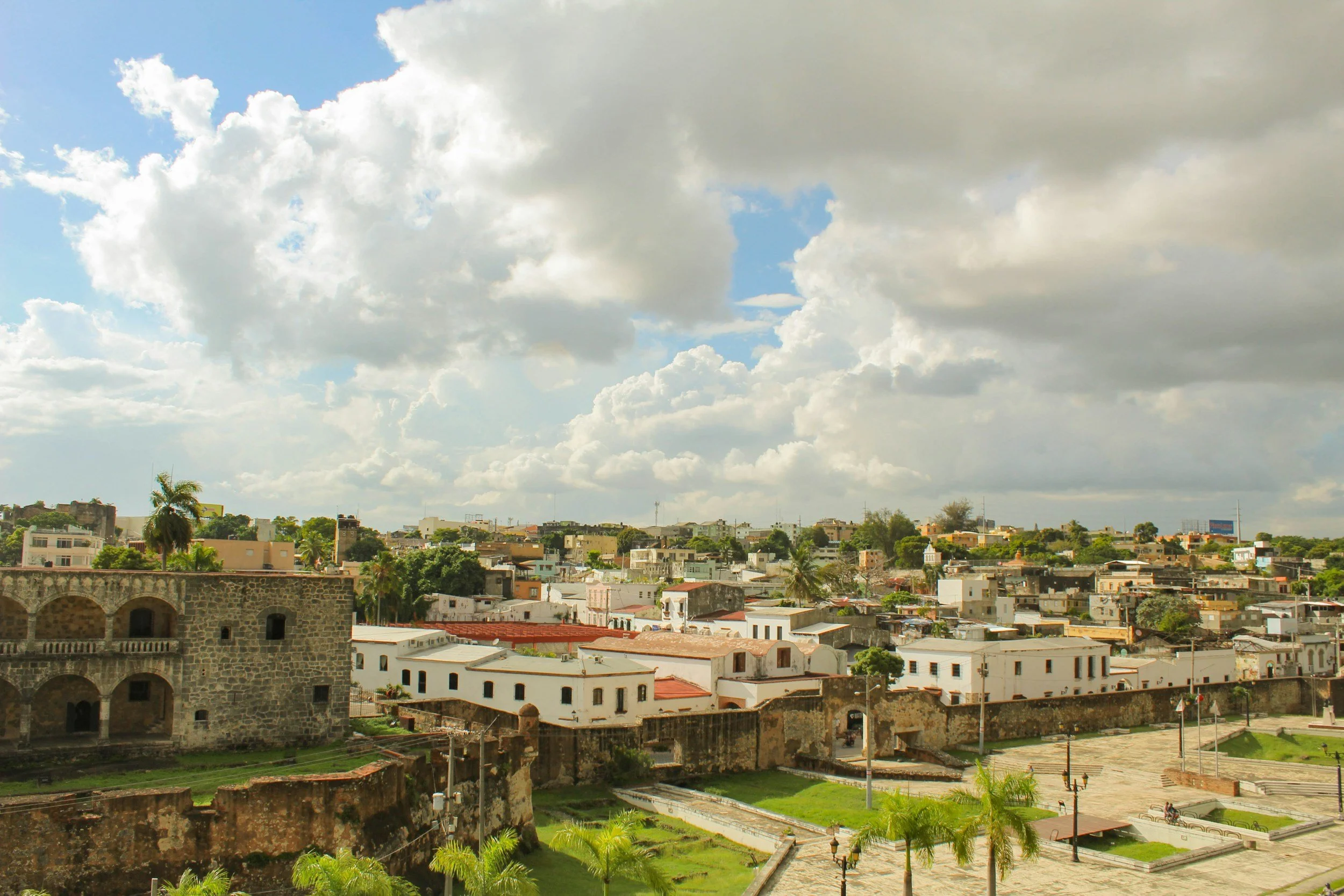
In Santo Domingo’s historic core on the south coast, the Zona Colonial is for travelers who want the DR to feel cultural and lived-in rather than beach-first. The days are built around walkable streets, architecture, cafés, and a night rhythm that feels social without needing resort programming. It suits travelers who want dining density and city texture—and who prefer a clear plan for coastal time rather than treating the beach as the center of every day. The trade-off is obvious: it’s not a resort beach base, and beach days usually require a deliberate transfer or day-trip structure
Why stay: Walkable culture, strong dining density, and evenings that feel genuinely urban and social
Why not: It trades away effortless beach access and resort-contained simplicity for a more city-led trip shape
Practical Snapshot
-
December through April is the DR's sweet spot — dry season, reliable sun, and cooler trade winds make the beach and excursion calendar work easily. January through March adds whale watching in Samaná Bay as a genuine seasonal draw, not just background color. May through November sees more rain and occasional tropical weather, though the south and east coasts typically fare better than the interior and north.
-
The Dominican peso (DOP) is the official currency. US dollars are widely accepted in resort corridors, tourist towns, and most taxi and excursion transactions, though you'll get better value paying in pesos off-property. Major credit cards work reliably at resorts and larger restaurants; smaller local spots are often cash-preferred.
-
Spanish is the national language and the dominant tongue outside resort zones. In Punta Cana, Puerto Plata, and tourist-facing businesses, English is spoken widely enough that most visitors won't hit language barriers. In Santo Domingo, Cabarete, Las Terrenas, and the interior, Spanish fluency — or at least patience with Google Translate — makes the trip smoother and the connections more real.
-
Punta Cana International Airport (PUJ) is the main resort gateway, with direct flights from most major US cities, Canada, and Europe. Las Américas International Airport (SDQ) serves Santo Domingo and is the entry point for city-focused trips. Puerto Plata (POP) handles the north coast. Travel times from the airport to resort areas run 20–45 minutes for Punta Cana; Santo Domingo is typically 30–45 minutes from SDQ depending on traffic. Inter-regional travel within the country takes meaningful time — Punta Cana to Samaná, for example, is a 3–4 hour drive.
-
The DR runs a genuinely wide range. All-inclusive packages compress costs into one payment and can be very good value for families or groups. Off-resort, the spread continues: local lunches = 💲, guesthouses and smaller hotels = 💲💲, beachfront resort nights = 💲💲💲. The gap between the cheapest and most expensive experiences here is larger than almost any other Caribbean destination, which makes the "how much does the DR cost?" question almost impossible to answer without knowing which DR you're visiting.
-
Nightlife in the DR is among the most active in the Caribbean, though what it looks like depends entirely on where you're based. Resort corridors run entertainment on-property: shows, beach bars, late pools. Santo Domingo has a genuine city nightlife — clubs, live music, late dinners, and a pace that doesn't peak until midnight. Cabarete and Las Terrenas skew more casual and social, tied to expat culture and beach-bar rhythms. Samaná runs quieter. The common thread is that nights here rarely feel forced or packaged — the energy tends to be real.
-
Inside resort corridors, you don't need much beyond organized transfers and excursions. For real independent movement — exploring regions, driving the north coast, reaching Samaná — a rental car is almost essential, and drivers should be comfortable with assertive road behavior and less-predictable traffic conditions. Taxis and moto-conchos (motorcycle taxis) operate in most towns; shared guaguas (minibuses) are how locals move regionally but can be challenging logistics for first-timers. Plan transfers for anything beyond your home base.
-
Safety in the Dominican Republic is area-dependent in a way that matters more here than on most Caribbean islands. Resort zones are heavily managed and generally low-risk. Santo Domingo, like any major city, rewards basic urban awareness — especially at night and in unfamiliar neighborhoods. Independent travelers on the road should use reputable drivers or guides for unfamiliar territory, avoid displaying expensive gear, and know their route in advance.
Solo travelers who stay in well-reviewed properties and use reliable transport typically report smooth, warm experiences across the country. The DR's resort infrastructure is designed to absorb most friction, but independent movement requires more active planning than on a smaller island.
Same-sex relations have been legal in the Dominican Republic since 1822 and were never criminalized under modern law. Resort-facing and cosmopolitan areas — including Santo Domingo and the main tourist corridors — are generally accepting. Social attitudes in rural and smaller communities are more conservative, and same-sex marriage is not legally recognized. LGBTQ+ travelers typically report welcoming interactions in resort and city contexts; visible affection in more conservative or local-facing settings warrants discretion.
-
Tap water is not recommended for drinking outside of resorts, where it's typically filtered. Voltage is 110V (same as the US), so US electronics work without adapters. Sunday rhythms are quieter in smaller towns, with some businesses closed or reduced hours. Tipping is expected at resorts and appreciated everywhere service is rendered — 10% is standard, 15–20% for exceptional service. Sargassum seaweed can affect Atlantic-facing beaches seasonally, particularly May through October; resorts manage it actively, but it varies by location and year.
-
The DR's natural assets — coral reefs, whale migration routes, mountain ecosystems, and mangrove systems — are under real pressure from development and visitor volume in some corridors. Several marine protected areas exist around the north coast and Samaná Bay, and responsible whale-watching operators follow distance and vessel guidelines that matter during season. Reef diving and snorkeling is best supported through licensed operators who follow no-touch protocols. Water scarcity is a practical reality in many areas outside the resort supply chain — the contrast between resort water abundance and what residents manage is worth knowing.
Compare Similar Caribbean Destinations
Thinking about Jamaica, Dominican Republic, or Puerto Rico? Here’s how these greater Caribbean destinations differ in rhythm and culture.
DOMINICAN REPUBLIC
Vibe & Energy: Big, warm, and high-choice — beach days, mountain detours, and city rhythm can all live in the same trip.
Dining & Culture: This is a music-and-movement destination, where merengue, rum, and Santo Domingo’s lived-in history keep the island feeling extroverted and rooted.
Cost & Crowds: Usually the best value of the three, but also the most resort-developed and most likely to feel busy in major zones.
Accessibility: Easy nonstop reach from major gateways, with simple resort logistics but more effort once you want to roam beyond them.
Nightlife / Social Scene: Social without one fixed mood — family resorts, beach bars, dance energy, and late nights all coexist.
Best For: Travelers who want range, flexibility, and a trip that can pivot between ease, energy, and adventure.
JAMAICA
Vibe & Energy: More soulful and more singular, with a stronger sense of mood — less mix-and-match, more rhythm, flavor, and personality.
Dining & Culture: Food and music lead here; jerk and reggae are not side notes but part of how the island introduces itself.
Cost & Crowds: Similar value range, though tourist hubs can feel more intense and less polished than the DR’s big resort corridors.
Accessibility: Direct flights are easy, but exploring well usually means longer transfers and more tolerance for road-time than the other two.
Nightlife / Social Scene: The evenings feel more musical and more spontaneous, from beach bars to street-party energy.
Best For: Travelers who want culture you can feel immediately and do not mind a trip with more edge and attitude.
PUERTO RICO
Vibe & Energy: More urban and more fluid, blending beach time with real-city momentum, surf-town looseness, and rainforest reset.
Dining & Culture: History and food give it shape — Old San Juan, lechón country, and a creative bar-and-restaurant scene keep it expressive.
Cost & Crowds: Usually a touch pricier than the DR, and its busiest areas feel less resort-heavy than city-busy.
Accessibility: The easiest of the three for U.S. travelers, with strong flights, familiar logistics, and straightforward road-tripping beyond San Juan.
Nightlife / Social Scene: Social in a more urban way — cocktail bars, rooftops, neighborhood hangouts, and a late-dinner rhythm.
Best For: Travelers who want Caribbean color with the least friction and the strongest blend of history, food, and easy exploration.
Pick Dominican Republic if: you want the widest range, best resort flexibility, and the easiest all-in-one trip.
Pick Jamaica if: you want the strongest cultural personality and a more music-led, food-led trip.
Pick Puerto Rico if: you want the easiest self-directed trip with real city life and history.
Tie-breaker: If you want to arrive, settle in, and let the trip organize itself around you, the DR. If you want the destination to have a strong identity beyond its infrastructure, Jamaica or Puerto Rico.
Local Truths
“The DR” is too broad to be useful on its own. Locals talk about Punta Cana, Samaná, Cabarete, and Santo Domingo as different trips with different rules, rhythms, and expectations.
~~~~~
Vendor pressure is highly location-dependent, which is why locals often push back on blanket statements about the country. A resort-zone beach, a small-town shoreline, and a city promenade do not operate the same way.
~~~~~
Renting a car changes the trip more than many visitors expect. Locals often warn that driving outside resort corridors means adjusting quickly to faster, more assertive road behavior and less predictable decision-making.
~~~~~
In Samaná, January through March is not just “whale season” on a calendar. Residents treat it as a real seasonal shift that changes the area’s energy, traffic, and daily focus.
~~~~~
In Cabarete, beach conditions are often discussed through wind and water sport logic, not just whether the beach looks pretty. That matters because a calm swim day and a good kiting day are not the same thing.
~~~~~
The price difference between all-inclusive resort life and independent travel inland or on the north coast is part of why travelers come home describing completely different Dominican Republics.
~~~~~
Travelers expecting one seamless island mood often misread the country. Locals tend to see the DR as regional, not singular — beach town, resort corridor, city, and north-coast surf base all come with different social codes.
~~~~~
If someone wants a quiet, boutique-feeling Caribbean island by default, locals would usually say that the Dominican Republic requires more deliberate area choice than that. The busier, more energetic side is the default unless a quieter pocket is chosen on purpose.

The Dominican Republic Travel Questions, Answered
A few honest answers for travelers still deciding — or planning their first move once they've decided.
1. Is the Dominican Republic expensive?
The Dominican Republic is one of the Caribbean's most flexible destinations by cost. All-inclusive resorts can compress a week's budget into a single predictable package, while guesthouses and local restaurants in towns like Las Terrenas or Cabarete offer genuine value. The range is wide — the same country that has $10 beach lunches also has $500-a-night villas. The question isn't whether it's expensive; it's which version of the Dominican Republic you're buying.
2. When's the best time to visit?
December through April is the most reliably pleasant — dry season, trade winds, and warm but not oppressive temperatures. January through March is when humpback whales arrive in Samaná Bay, which is one of the most significant wildlife experiences in the region and worth planning around if that appeals. Summer months are warmer and rainier but workable, especially in the resort corridors where infrastructure absorbs the weather.
3. Which area or coast should I stay on?
That depends on what you want the trip to be. Punta Cana and Bávaro suit travelers who want resort ease, a long active beach, and organized excursions. The Caribbean-side south coast near Bayahibe and Dominicus suits those who want calmer, swim-friendlier water. Las Terrenas and Samaná suit travelers who want a beach-town rhythm with more autonomy and local texture. Santo Domingo suits those who want the trip to be city-first. See the Where to Stay section for the full breakdown — where you base yourself shapes everything else.
4. Do I need a car?
Inside a resort corridor, no — the resort handles most transportation, and organized excursions cover the rest. For independent travelers who want to explore regions, visit local towns, drive the north coast, or reach Samaná on their own schedule, yes — a rental car opens the country up considerably. Driving here requires comfort with assertive, fast-paced road conditions. If that's not appealing, hired drivers or reputable day-tour operators offer a reliable middle path.
5. Is it safe for solo or LGBTQ+ travelers?
Safety in the Dominican Republic is area-dependent in a way that matters. Resort corridors are managed and generally low-friction for solo travelers. Santo Domingo and tourist-facing towns reward standard urban awareness — reliable transport, awareness of surroundings, and avoiding poorly lit areas after dark. Same-sex relations have been legal in the Dominican Republic since 1822 and were never criminalized under modern law. Resort-facing and cosmopolitan areas are generally accepting, while social attitudes in rural and smaller communities are more conservative. Same-sex marriage is not legally recognized. LGBTQ+ travelers typically report welcoming interactions in resort and city contexts; visible affection in more conservative settings warrants discretion.
6. How does it compare to nearby islands?
The Dominican Republic is larger, more varied, and more infrastructure-heavy than almost any other Caribbean destination — which is both its strength and its trade-off. Jamaica has more cultural personality and music identity per square mile; Puerto Rico offers more walkable city culture and US-traveler ease. The DR's advantage is range: it can deliver resort ease, adventure, city culture, and whale watching in one trip if you're willing to plan the movement. Travelers who know what they're choosing tend to love it.
Why This Guide Changes With the Island
The Dominican Republic never stays still — new restaurants open in Las Terrenas, beach bars change hands in Cabarete, whale-watching operators evolve, and resort corridors continue to build. This guide evolves with it. Locals share updates, travelers add discoveries, and we keep refining what you see here so every detail reflects the island as it is now — not a memory of what it used to be.
Explore nearby destinations that share the Dominican Republic's scale and cultural energy — from the music-forward personality of Jamaica to the urban-island rhythm and food scene of Puerto Rico. Each delivers variety, but through its own distinct identity.
Find Your Thread
Every traveler connects differently. Maybe the Dominican Republic is your match — maybe the right fit is somewhere quieter, more boutique, or more walkable in the Greater Caribbean. Either way, this is what The Trip Thread is about: rediscovering the joy of travel, and the element of discovery that should accompany it. Explore more islands across the Greater Caribbean Collection and see how your travel vibe connects through TheTripThread.
Guided by locals. Designed for discovery.