By Kelly McAtee | The Trip Thread | Last Updated: June/2026
Jamaica
Big-hearted rhythm, bold flavor, and choose-your-own island energy — from calm coves and coffee hills to late-night dance floors.
Culture & Rhythm | Adventure & Nature | Culinary Caribbean | Urban Island Energy | Affordable Paradise
Best for travelers who want range, drawn to culture + scenery + nightlife in one trip rather than a single-lane island—choosing waterfalls, jerk, and dancehall over quiet-only beach days.
Not for travelers who want a small, uniform island experience — or who need quiet streets, minimal vendor interaction, and predictable days without planning or navigation.
☀️ Best months: Dec–Apr (dry season) 💲 Average cost: $$–$$$ 🕶️ Vibe: Vibrant & Soulful
Reality Check (Read This Before You Book)
Jamaica's days tend to revolve around choosing a region and staying in it — the island is large, traffic moves slowly, and the distance between the west coast, the east coast, and Kingston is a real logistical commitment, not a short drive. Most trips work better with one or two anchored bases than with ambitious multi-region itineraries.
The biggest misconception is that Jamaica is one consistent experience. It isn't — the vibe, crowd texture, vendor presence, and pace shift dramatically by area. Two travelers can visit the same island and describe completely different trips.
A few things worth knowing before you commit:
If you need a destination where vendors leave you alone, Jamaica's tourist corridors — particularly near major attractions and cruise ship zones — will feel relentless. Moving one base away from those zones often changes the texture entirely, but it requires knowing that in advance.
If you expect a compact, easy-to-navigate island where everything is walkable, Jamaica's scale will catch you off guard. Getting the most out of it means planning for movement — hiring a driver or renting a car — which adds both cost and coordination.
If low-friction, predictable days are the priority, Jamaica's assertive social energy and driving style can feel exhausting rather than energizing, especially for first-timers who didn't calibrate for it.
Travelers who love Jamaica most arrive knowing they're choosing an island with real personality — and find that personality entirely worth it. Those who leave disappointed usually wanted something quieter and more buffered than Jamaica is built to be. For those travelers, a more resort-forward or less socially assertive island in the collection will be a better fit.
Why You’ll Love It
Jamaica works because the cultural weight is real. The music, the food, the roadside identity — none of it is staged for visitors, and that authenticity is immediately felt in a way that more polished Caribbean destinations rarely match. For travelers who want energy, flavor, and culture to be part of the trip rather than just the backdrop, the island delivers that at a scale and intensity that's genuinely hard to find elsewhere in the region. People love it when they want energy, flavor, and culture to be part of the trip, not just the backdrop.
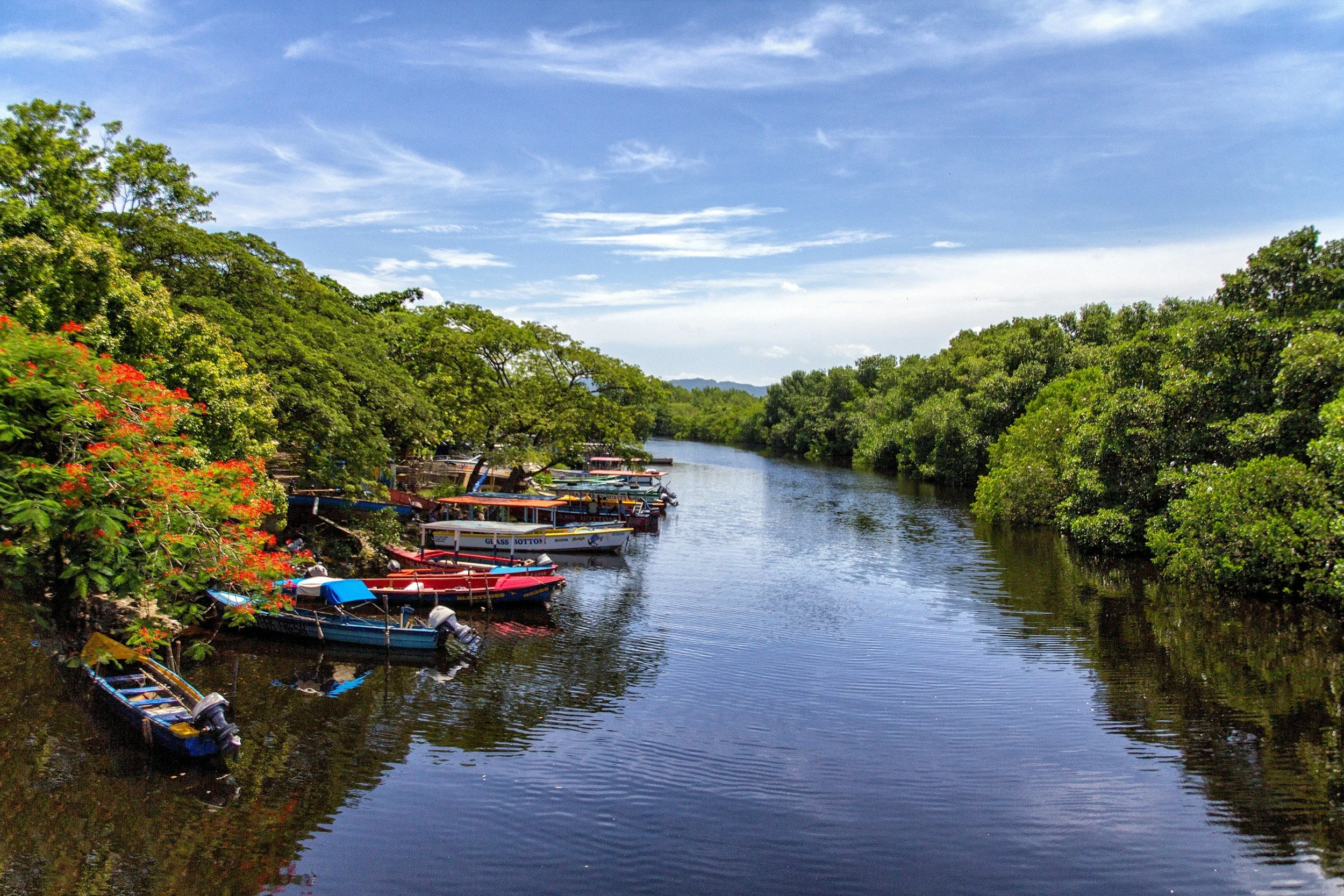
Days have a natural swing here: mountain air and strong coffee up high, humid coastal light by midafternoon, then music spilling out as the evening cools. You’ll notice color everywhere—on roadside fruit stands, in murals, in the way locals greet you like the conversation matters. Even the landscape has range: lush hills, quick-drop waterfalls, beaches that can feel calm or animated depending on where you base yourself.
But Jamaica isn’t a “one-note resort island,” and that’s the point—it’s more authentic and varied than the packaged Caribbean many travelers picture. It rewards people who choose their lane (quiet coast vs. nightlife hubs, guided excursions vs. self-directed exploring) and who are comfortable with a destination that has personality, not polish everywhere.
Best for travelers who want a vibrant, authentic Caribbean with real cultural rhythm and variety—choosing music, food, and adventure across different regions instead of a predictable, uniform resort experience.
This is Jamaica
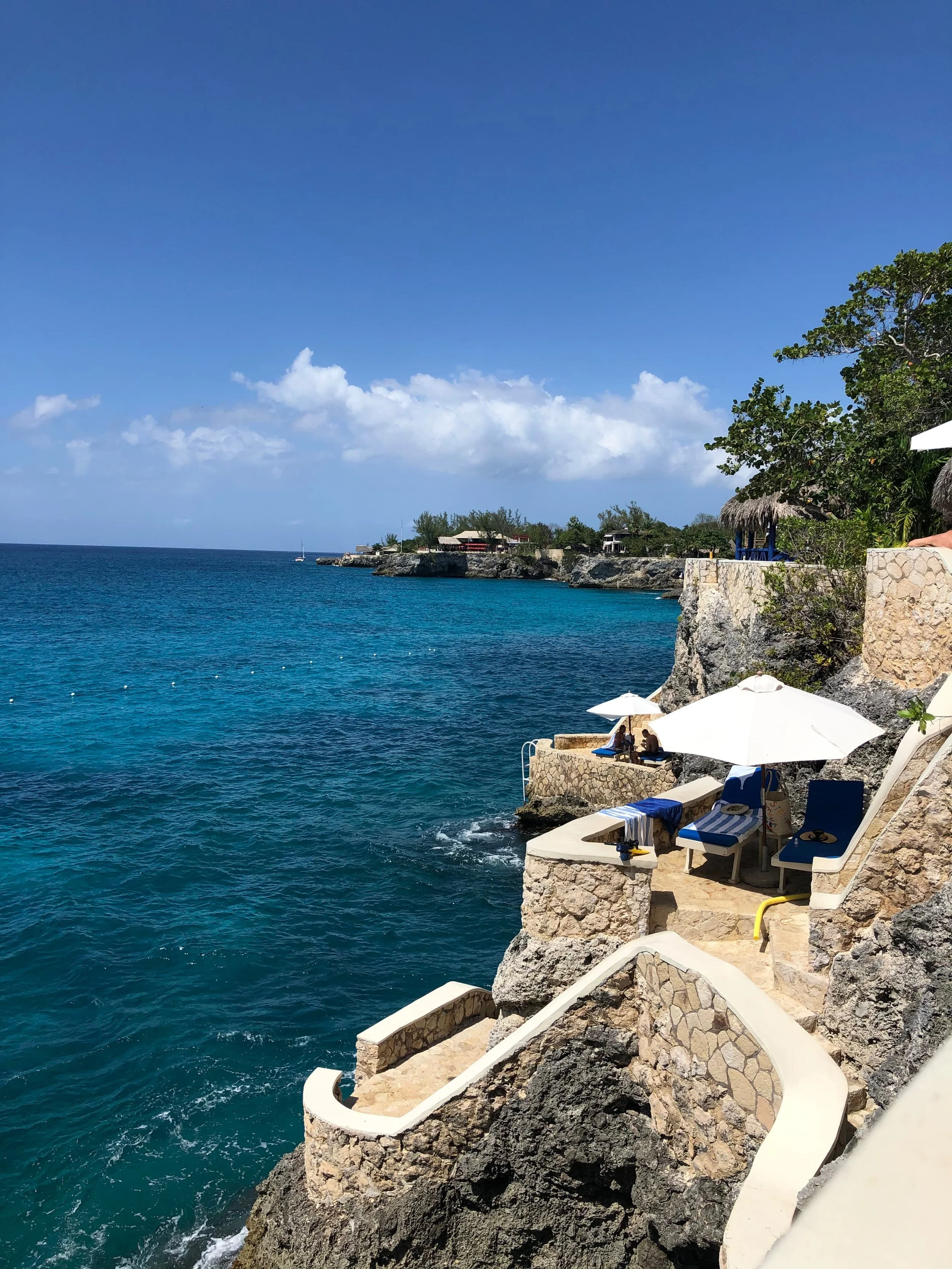
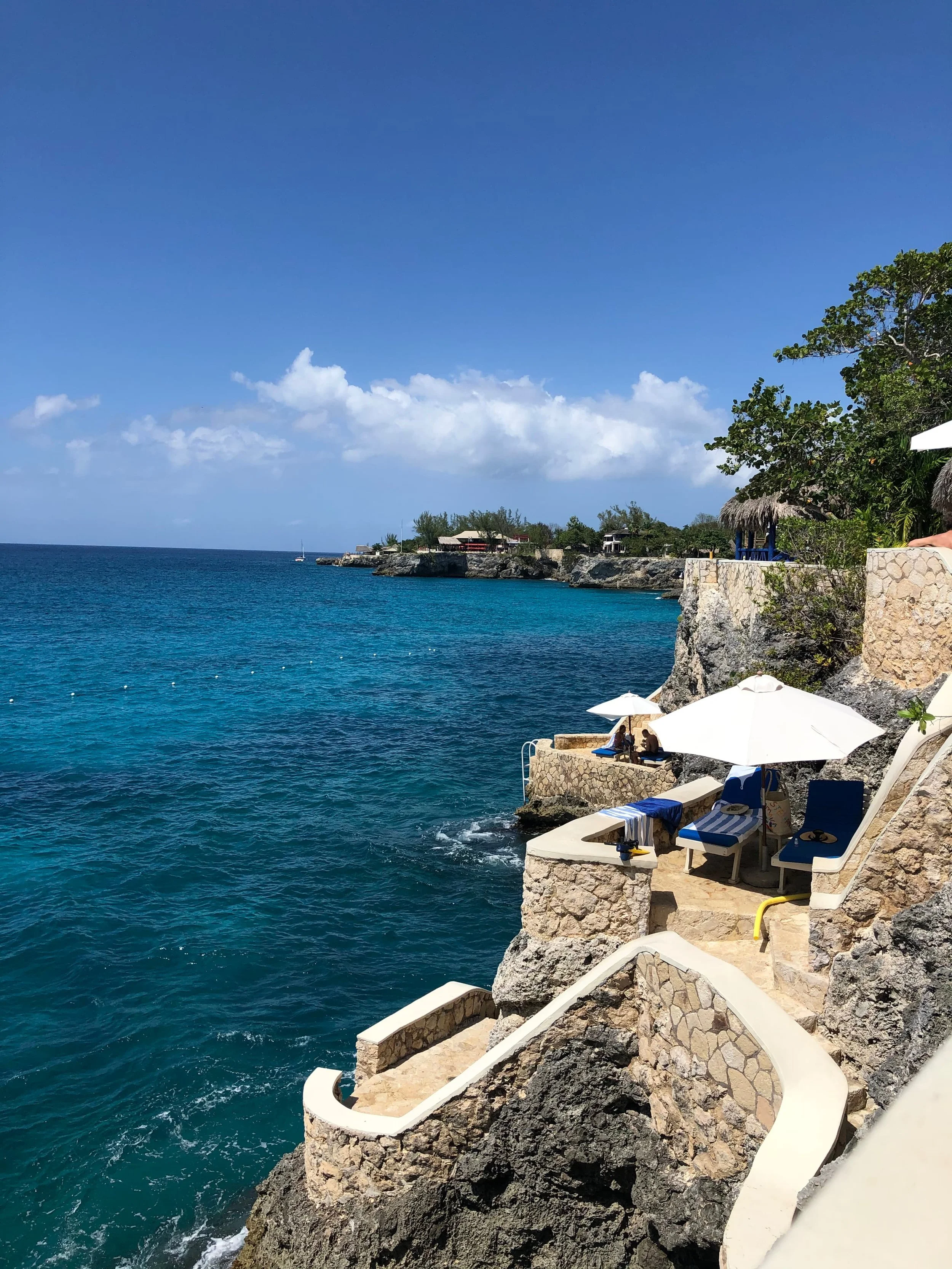
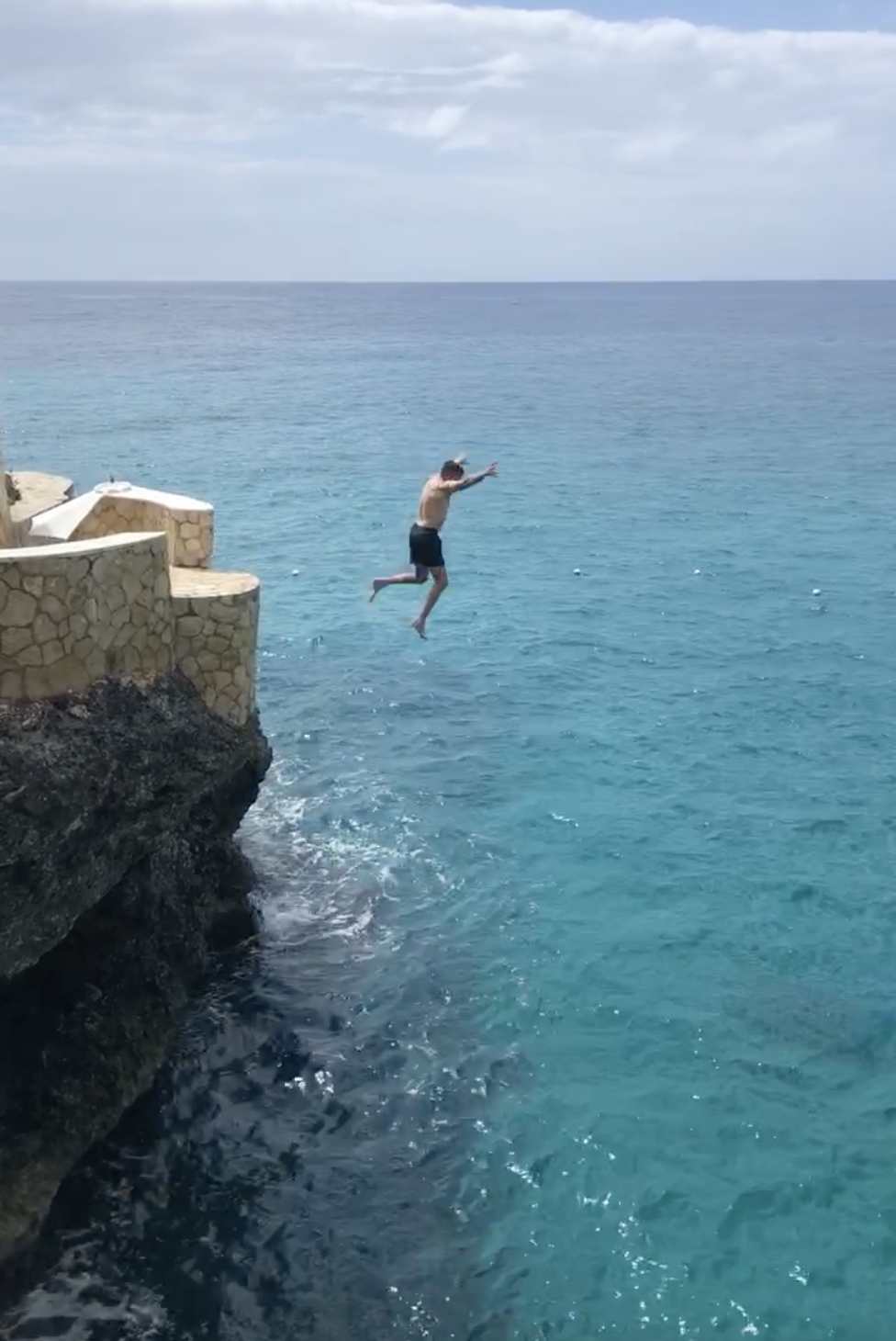
Lush green mountains dropping into bright turquoise coves, bold color on every roadside, street-level music, and a lived-in beauty that feels energetic rather than polished.
Part of the Greater Caribbean Collection on TheTripThread — a destination reference system built for travelers deciding where they'll feel right, not just where to go. Jamaica is for travelers who value cultural depth, real variety, and an island that rewards engagement over ease.
Common Experience Patterns

Jamaica’s everyday feel is vibrant and lived-in, with a pace that changes by region and a planning reality that matters: it’s a large, mountainous island, and travel time between coasts can quietly shape the whole trip. Many travelers get the best experience by choosing a primary base and building days outward, rather than treating the island like a quick-hopping loop.
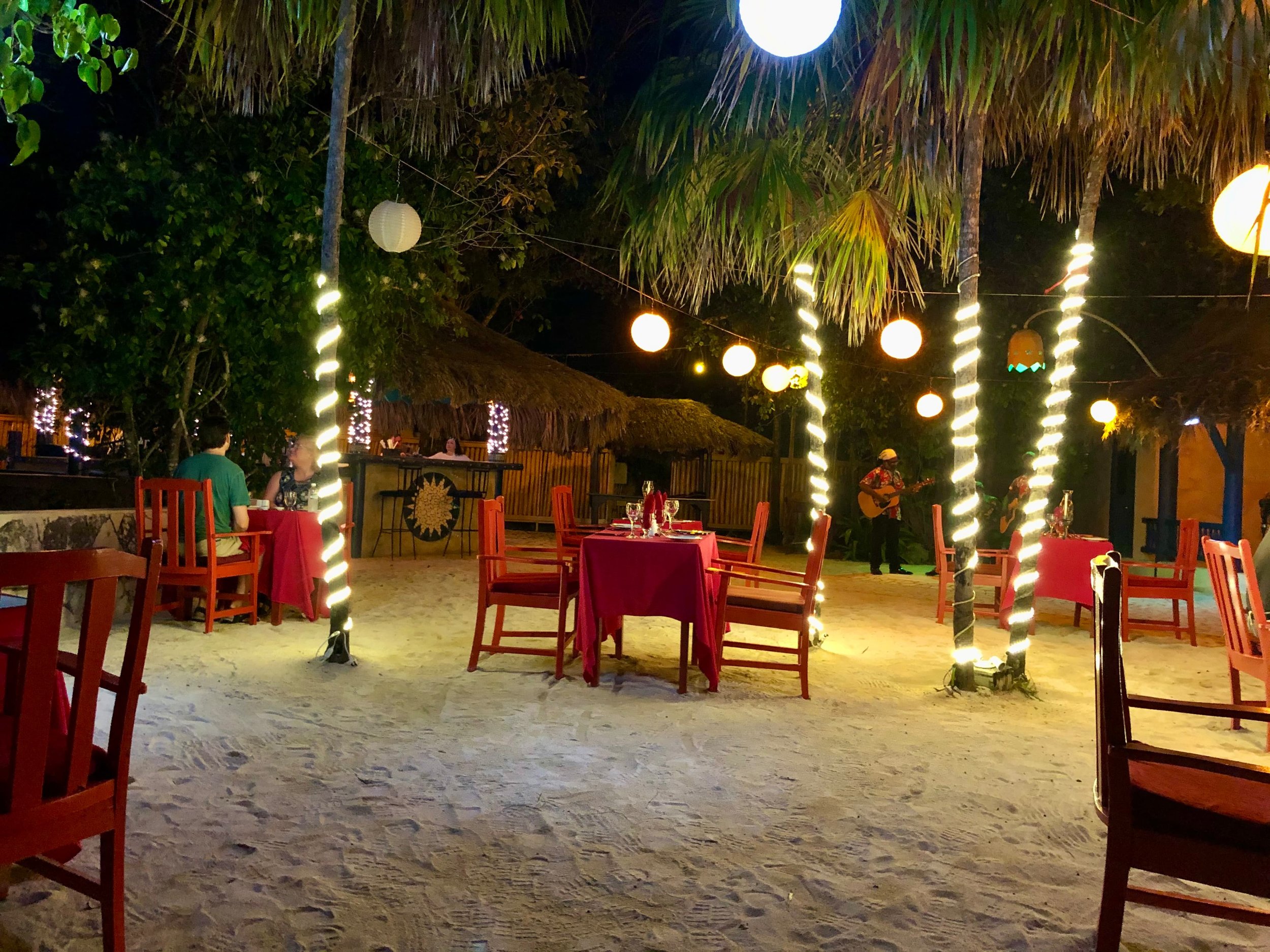
The texture is immediate and practical: lush green inland, bright coastal light, and evenings that turn social in the places built for it—Kingston for music and late dinners, Negril for sunset drifting, and busier north-coast hubs where nights stay easy and open. A “beach day” can mean long walkable sand in the west, a swim cove on the north coast, or a quieter, more rugged shoreline in the south.
Jamaica is not a small, uniform, low-friction island where every area feels interchangeable. The trade-offs can include busy tourist hubs, more active vendor culture in certain zones, and driving that feels like part of the adventure—but in exchange, the island delivers real cultural weight, food identity, and variety that many destinations can’t match.
Locals Know — Portland (Port Antonio / Blue Lagoon) for jungle texture and some of the island’s most memorable food, with the Blue Mountains as the reset. This matters because it points travelers toward a “greener lane” of Jamaica that feels quieter and more scenic than the main north-coast corridors. It also clarifies that Jamaica rewards regional choice: the same trip can feel wildly different depending on where the base is set.
Where we eat:
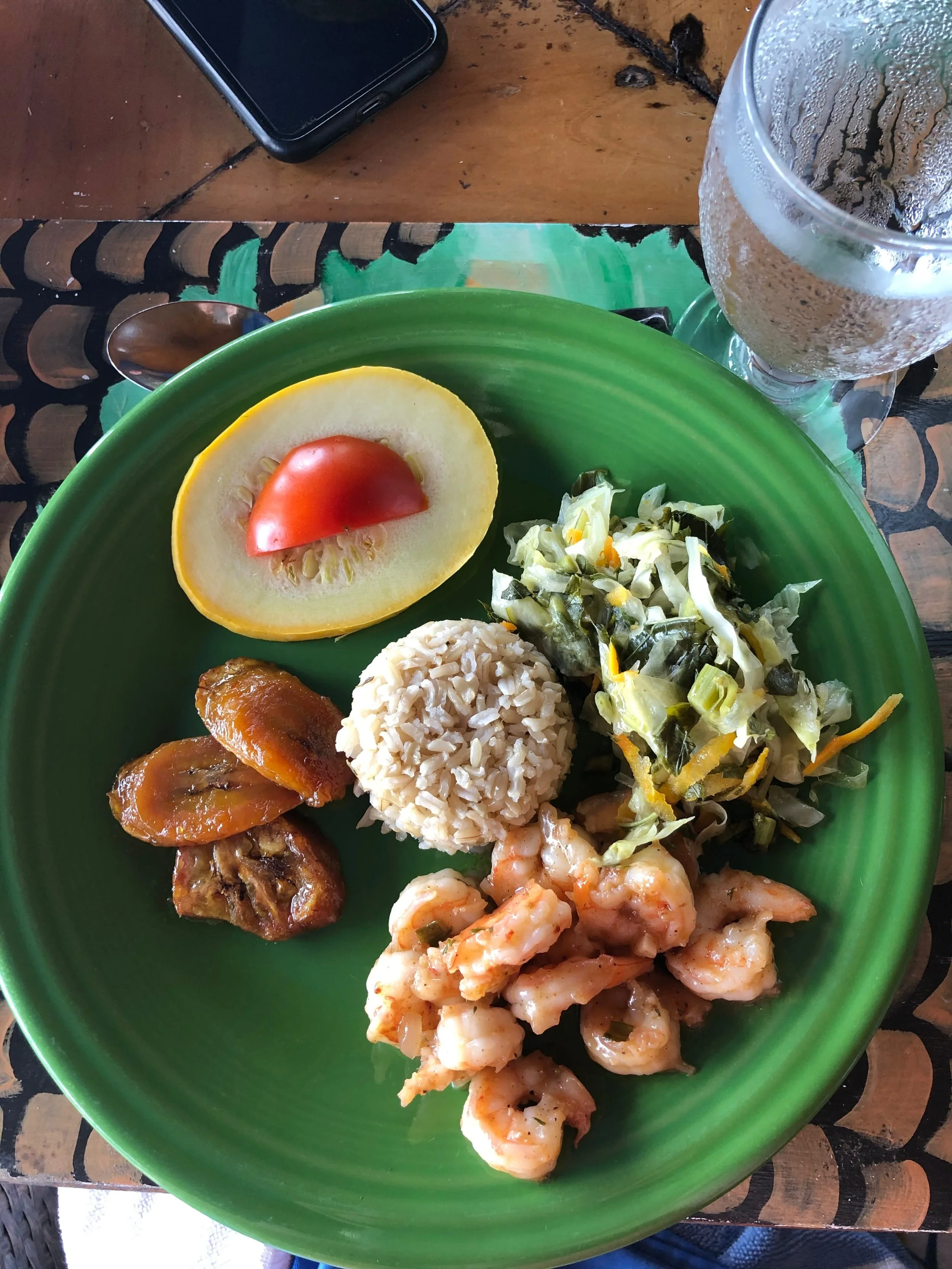
Food tends to reward travelers who follow local rhythm: casual jerk stops, roadside seafood, patties, and “best-of” neighborhoods rather than formal dining circuits. Kingston typically offers the widest range, while Portland and the south coast lean smaller and more timing-dependent. In many areas, showing up earlier and asking a local where they actually stop matters more than dressing up.
“Scotties jerk shack haunts my dreams.” — Redditor, r/travel
Where we go:
Most travelers move through Jamaica by choosing a base and taking one-anchor days: a waterfall mission, a mountain morning, or a coast-to-coast day that’s treated as the main event. Negril and the north coast support easy beach routines, Kingston supports culture nights and mountain access, and Portland supports greener coastline days. Trying to sample every region in one short trip often turns into more road than experience.
“Kingston is amazing for music, nightlife and culture.” — Redditor, r/Jamaica
What we love:
Jamaica works emotionally because it feels alive—music, conversation, and identity are part of normal life, not staged moments. The island also delivers real variety: beaches, waterfalls, mountains, and city energy can all belong in one trip if the base is chosen well. For many travelers, that “real place” feeling is worth trading some ease and predictability.
“The culture and the warm people is what sets it apart” — Redditor, r/Jamaica
Travelers consistently praise the island’s cultural presence (music and everyday rhythm), food identity, and the ability to mix beach time with mountains and waterfalls. What catches people off guard is how different each base feels—and how quickly the trip changes when the base is mismatched. Locals and repeat visitors alike describe Jamaica as deeply rewarding, especially for travelers who like variety and cultural texture, while those who prefer low-friction calm and minimal interruptions tend to feel worn down.
About this section
This section is built from publicly shared traveler perspectives and credible regional reporting. We treat it as sentiment and cross-check factual claims where possible. We intentionally limit dependence on review marketplaces where paid, promotional, or otherwise unrepresentative input can blur the picture.
Identity
Vibe Descriptors
Vibrant · Soulful · Lively · Authentic · Colorful
……….
Core Audience
Best for travelers who want Jamaica’s full range—culture, nature, and nightlife—rather than a single-mode beach trip anchored in one predictable pace
……….
Best For (Trip Types)
Adventure & Exploration · Culture & History · Food & Drink · Nightlife & Party
……….
Known For
Reggae-rooted culture, bold food, waterfall-and-mountain day trips, and beach towns that shift from laid-back daylight to music-forward nights
……….
Trip Thread Theme(s)
Friction & Tradeoffs (Read This Before You Book)
Cost Pressure: Jamaica spans one of the widest price ranges in the Caribbean — roadside jerk and guesthouses can be genuinely affordable, but resort corridors, excursions, and beachfront stays climb quickly. Unlike smaller, more contained islands where a day's costs are relatively predictable, Jamaica's price experience depends almost entirely on how far from the resort the traveler is willing — and able — to go.
Mobility / Getting Around: Jamaica is large enough that getting around requires a plan. Roads between regions can be slow and variable, and distances are a genuine time commitment — not casual day loops. A rental car offers freedom but comes with assertive local driving; most first-time independent travelers are better served by a trusted hired driver, especially for cross-island runs.
Autonomy vs. Structure: Jamaica's best experiences — a jerk crawl through Boston Bay, a Blue Mountains sunrise, a street party, a quiet river cove in Portland — tend to require local knowledge or advance coordination. Showing up without a plan works in low-friction bases like Treasure Beach, but in higher-traffic zones, unstructured wandering can feel more effortful than freeing.
Crowd Texture: Cruise ship traffic is heavy and concentrated in Montego Bay, Ocho Rios, Falmouth, and Port Antonio, and the texture of those areas shifts noticeably on ship days. Vendor presence in tourist corridors is real and persistent. Travelers sensitive to high-contact social energy will feel this more acutely than those comfortable navigating it calmly.
Culture Access: Jamaica's cultural depth is genuine but isn't always easy to reach from inside a resort or tourist corridor. The food, music, and community spaces that make Jamaica feel most itself tend to be roadside, neighborhood-level, or time-specific. Locals are perceptive about whether visitors are genuinely curious or treating culture as backdrop — and that distinction tends to shape the warmth of the exchange.
Variety Ceiling: Jamaica has one of the highest variety ceilings in the Caribbean — waterfalls, mountains, beaches, city culture, music, and diving all on one island. The practical ceiling isn't what's available; it's what's reachable in a given trip. Travelers who anchor to one or two regions and go deep tend to leave more satisfied than those who try to cover the full map.
Sand & Sea Character
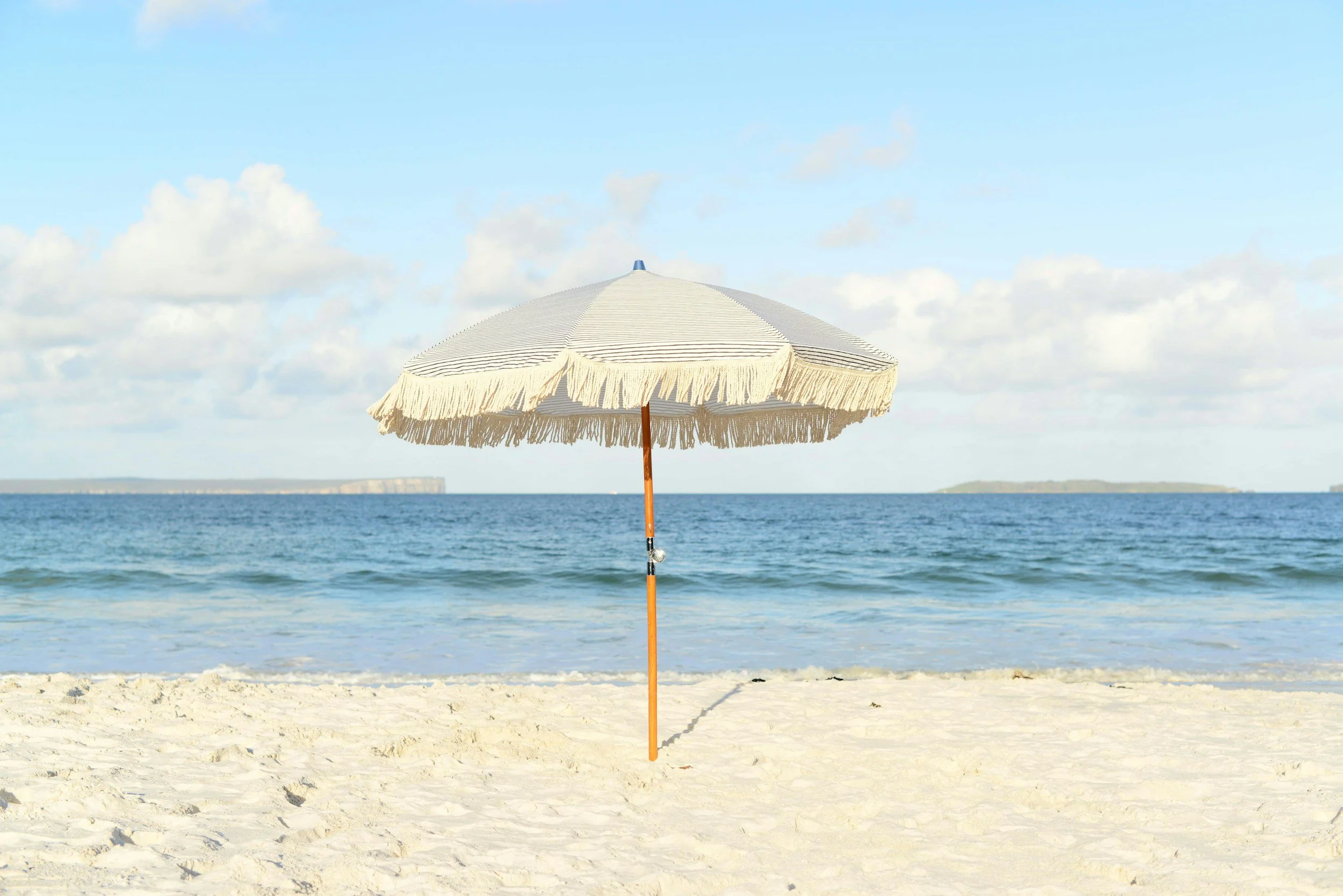
On Jamaica, sand isn’t one uniform texture. Along the north and west—especially long, built-out beach arcs like Negril—the sand often reads pale cream to light gold and tends to feel fine-to-medium and soft, packing firmer near the shoreline. On the south coast around places like Treasure Beach, stretches can shift to coral-colored and occasionally black sand, mixed with rockier edges and coves. When sand and seabed run darker, the water can look deeper and less “bright-turquoise,” even when visibility is still good—an appearance shift, not always a clarity problem.
Water clarity (visibility) is strongest in sheltered bays on calmer days and in areas with less churn, which is why Jamaica can deliver genuinely clear snorkeling and diving conditions (often cited with visibility up to ~100 ft in good conditions). But clarity is not constant: after heavy rain, near river mouths, or on more surf-exposed coasts, the water is more likely to look stirred up from runoff and wave action. On the northeast/east (around surf breaks like Boston Bay), the sea runs more open-ocean and energetic, which can mean more movement and less “float-all-day” ease.
That’s why bright-water, easy-swim seekers often base in Negril / Montego Bay / calmer north-coast bays, while surf, dramatic coastline, and lush east-coast scenery pull travelers toward Port Antonio / Boston Bay, and quiet, raw shoreline energy points toward the south coast (Treasure Beach)—trading the postcard-bright look for space and texture.
Explore Jamaica — Map & Highlights
Jamaica sits in the western Greater Antilles, south of Cuba and west of Hispaniola, with a scale that feels closer to a small country than a single-beach island. Exploring it tends to be about choosing regions and letting days repeat in a familiar radius—because drives can be slow, distances add up, and the “next coast over” is often a real commitment. The island rewards travelers who move with intention: a few anchored mornings, one big inland day, then evenings in the places where music and conversation naturally gather. Unlike typical Caribbean tourism patterns built around one compact strip, Jamaica’s experience shifts by base—west for long swims, south for quiet and space, east for lush coastline and surf energy, Kingston for culture after dark. This map is intentionally curated — a decision-first set of places that shape the Jamaica experience, not a catalog meant to capture every beach, landmark, or restaurant.
Beaches
Jamaica’s beach experience isn’t one-note: some stretches are long and walkable, others are small coves or rocky edges, and water clarity can change with swell and rain. The north and west often feel easiest for casual swimming and predictable beach days, while the south and east can be more open-ocean or texture-forward. A local truth: the “best beach day” here is usually the one closest to the base—trying to stack multiple beach regions into one day often turns into more road than shoreline. If your goal is to have a true beach vacation, you may want to focus on the north and west sides of the island.
Food & Drink
Eating well in Jamaica is often casual, local, and time-specific—the right spot might mean showing up early, waiting a bit, or following a recommendation that doesn’t look polished from the outside. Jerk, seafood, and patties aren’t “special occasions” here; they’re everyday decisions. Compared with smaller islands where dining clusters into one main zone, Jamaica’s food identity is regional—Kingston for range and nightlife-adjacent meals, the north for crowd-friendly classics, the south for slower seafood rhythms.
Activities
Many signature experiences are place-based and spread out: a waterfall day, a mountain morning, a museum afternoon, a coastline that changes dramatically by parish. The island’s difference is range—culture, nature, and nightlife can all be real in one trip—but the trade-off is planning friction. Unlike islands where activities are a short shuttle from one resort corridor, Jamaica’s best days are often built around one anchor experience and a few nearby stops, not constant hopping.
Where to Stay in Jamaica
Each part of Jamaica carries a different rhythm, and choosing where to stay quietly determines how the days unfold. Some bases are built for repeatable beach routines, others for culture-after-dark, and others for scenery and space. Because the island is large, the best trips usually pick one primary base (or two, thoughtfully) instead of trying to crisscross coasts every day.
Negril (Norman Manley Boulevard / Long Bay stretch) — Beach-day repeatability
Negril sits on the west coast and feels built around long, easy shoreline days that don’t require much planning. Travelers who stay here tend to value walkable beach time, casual meals, and a simple daily loop that ends naturally at sunset. It’s often chosen by couples and friends who want their “vacation rhythm” to feel light—beach, swim, eat, repeat—rather than constantly moving. Compared with Kingston or Ocho Rios, it feels slower and more beach-led. The trade-off is that it can feel far from the island’s cultural center, and inland missions become bigger day commitments.
Why stay: Ideal for travelers who want the most effortless beach rhythm and social sunset energy without heavy logistics
Why not: It’s removed from many inland and east-coast highlights, so variety often means longer drives or fewer big day trips
~~~~~
Montego Bay “Hip Strip” (Gloucester Avenue) — Convenience and late hours
Montego Bay’s north-coast strip is oriented around ease: quick access to food, drinks, and evening activity without needing a plan for every hour. Travelers who base here often prioritize low-friction nights, a steady flow of options, and being close to the airport and day-trip corridors. It suits groups who like an “out the door” social scene more than a quiet, tucked-away stay. Compared with Treasure Beach or Portland, it’s more tourist-facing and busier. The trade-off is that it can feel less intimate, and the most memorable nature texture usually requires leaving the immediate zone.
Why stay: Best for travelers who want convenience, lots of nearby choices, and a reliable social evening rhythm
Why not: It’s one of the more crowded-feeling bases, with less of the slower, village-like quiet some travelers seek
~~~~~
Ocho Rios (Turtle River Road / Island Village area) — Activity-first base
Ocho Rios sits on the north coast and functions as a hub for high-density “do-stuff” days—waterfalls, tours, quick scenic drives, and packaged excursions. Travelers who stay here tend to value access to big-ticket nature moments and the ability to stack experiences without crossing the island. It works well for families and first-timers who want structured days and shorter distances to major attractions. Compared with Negril, it’s less about long beach routines and more about movement. The trade-off is that it can feel tour-driven, and evenings may be practical rather than deeply atmospheric.
Why stay: Strong for travelers who want maximum activity access and shorter day-trip logistics
Why not: The area can feel busy and excursion-centered, with less “slow coastal life” than other bases
~~~~~
New Kingston (New Kingston / Liguanea corridor) — Culture and city nights
New Kingston is inland-south and runs on a city rhythm: later dinners, music culture, and the feeling of Jamaica as a real, lived place beyond the coastline. Travelers who base here often care most about food range, museums, nightlife, and using the city as a launch point for the Blue Mountains. It suits travelers who want their evenings to be intentional and social, not beach-adjacent. Compared with Negril or Montego Bay, it’s less about wading into the sea and more about urban texture. The trade-off is that beach days usually require planning and driving, not walking out the door.
Why stay: Best for travelers who prioritize culture, music, and the deepest dining range, with easy access to mountain air
Why not: It isn’t beach-first, so ocean time takes planning rather than happening naturally
~~~~~
Port Antonio (Town center / Central Port Antonio) — Green coastline and slower cadence
Port Antonio sits in Portland on the northeast and feels greener, quieter, and more scenery-led than the main north-coast hubs. Travelers who choose it often want coves, rivers, and a softer daily pace, with the island’s “lush” side close at hand. It tends to suit couples and slow explorers who value atmosphere over nightlife density. Compared with Montego Bay, evenings here are earlier and the choices are fewer, but the coast feels more intimate and textured. The trade-off is that it can be less convenient, and the best days often require patience with roads and timing.
Why stay: Ideal for travelers who want Jamaica’s greener, quieter coastline and a slower, more scenic daily rhythm
Why not: It’s less convenient and less nightlife-led, with fewer late-night options and more transport planning
~~~~~
Treasure Beach (Calabash Bay area) — Quiet south-coast routines
Treasure Beach sits on the south coast and feels defined by space, small-scale villages, and calmer social expectations. Travelers who stay here usually want decompression—quiet mornings, simple meals, and a coastline that isn’t built around a constant scene. It suits those who value stillness and local cadence over abundance and nightlife. Compared with Negril, it’s less beach-gloss and more open, grounded shoreline life. The trade-off is fewer choices and a more limited “wander and discover” strip, so the trip works best for travelers who enjoy repeating a quiet routine rather than chasing variety daily.
Why stay: Best for travelers who want quiet, space, and a low-volume coastal rhythm with simple local texture
Why not: It’s not choice-dense, and travelers who want constant variety or late nights may feel constrained
Practical Snapshot
-
December through April is Jamaica's dry season and the most reliably comfortable window — lower humidity, less rain, and the clearest beach days. July brings festival energy, particularly Reggae Sumfest, which draws significant crowds to Montego Bay. Shoulder months like November and May offer a reasonable middle ground: fewer visitors, lower prices, and weather that's mostly cooperative with occasional afternoon showers.
-
The Jamaican dollar (JMD) is the official currency, but USD is widely accepted across tourist areas, resorts, and many restaurants. Card acceptance is solid in established venues; cash is more useful at roadside spots, markets, and smaller local businesses. ATMs are available in main towns.
-
English is the official language and used in most daily interactions with visitors. Patois — a creole blend of English, West African languages, and Spanish — is the heartbeat of everyday Jamaican speech and widely heard everywhere. Most travelers navigate easily, though learning a greeting or two in Patois tends to land warmly.
-
Jamaica is served by two main international airports: Sangster International in Montego Bay (the most common entry point for north and west coast stays) and Norman Manley International in Kingston (better for south coast and Blue Mountains access). Direct flights connect from the US, Canada, UK, and Europe, making Jamaica one of the more straightforward Caribbean arrivals. A passport is required for entry.
-
Jamaica covers more ground than almost any other Caribbean island on price. Street food and local guesthouses sit at the affordable end — local lunches 💲, inland guesthouses 💲💲 — while resort corridors, organized excursions, and beachfront villas push toward 💲💲💲 and above. All-inclusives can simplify budgeting but tend to keep spending (and experience) inside the fence.
-
Jamaica's nightlife is genuinely varied and region-dependent. Kingston runs the deepest — later dinners, live music, dancehall, and a city-social scene that feels like a real night out rather than a tourist-facing performance. Negril offers long beach bar evenings and a reliable sunset-to-night drift. Montego Bay has the most consistent late-night infrastructure for resort travelers. Quieter bases like Port Antonio and Treasure Beach wind down earlier and with far fewer options.
-
Most travelers either rent a car or hire a trusted driver — public transport exists but is limited and not well-suited to visitor itineraries. Driving is on the left, roads vary considerably by region, and local driving style can feel assertive to first-timers. Within specific bases like Negril's main strip or parts of Ocho Rios, walking covers daily needs reasonably well. Cross-island movement always benefits from planning ahead.
-
Jamaica's safety picture is area- and transport-dependent. Tourist-facing areas are generally well-traveled and comfortable with standard awareness, but two travelers can have genuinely different experiences depending on where they base themselves and how they move. Solo travelers who use reputable transport, stay in well-reviewed properties, and follow local guidance on which areas to avoid after dark typically report warm, smooth experiences. Avoid leaving valuables visible in parked vehicles at beach and trailhead pull-offs — petty theft in those spots is the most commonly cited concern.
LGBTQ+ travelers should be aware that Jamaica retains laws criminalizing same-sex relations, and that social attitudes in many communities are significantly less accepting than in tourist-facing resort areas. This is a material legal and safety consideration, not a minor caveat. Some travelers report welcoming interactions within resort contexts, but significant discretion is warranted throughout the island, and the legal environment is real regardless of where you stay.
-
Tap water in resorts is generally safe; bottled water is widely available and worth using outside established properties. Tipping is appreciated and customary — 10–15% at restaurants, a few dollars for drivers and guides. Sunday rhythms are real: many local businesses close or run on reduced hours, so stocking up or planning around it makes the day smoother. Electricity runs on 110V/50Hz, compatible with US plugs; European travelers may need adapters.
-
Jamaica's reefs face ongoing pressure from runoff, overfishing, and development, and several marine protected areas are in place along the north coast. Travelers can support reef health by choosing reef-safe sunscreen, avoiding contact with coral during snorkeling or diving, and patronizing operators with genuine conservation practices. The Blue Mountains ecosystem is ecologically significant — staying on marked trails and using licensed guides helps protect both the environment and the experience.
Compare Similar Caribbean Destinations
Thinking about Jamaica, Dominican Republic, or Puerto Rico? Here’s how these greater Caribbean destinations differ in rhythm and culture.
JAMAICA
Vibe & Energy: High-contact, music-forward, and regionally varied — the island's energy shifts dramatically depending on where you base.
Dining & Culture: One of the Caribbean's most distinctive food cultures — jerk, patties, pepper shrimp, and roadside stops that feel like cultural moments as much as meals. Music is inseparable from daily life.
Cost & Crowds: Wide price range from budget guesthouses to luxury resorts; tourist corridors can feel busy and vendor-forward, especially on cruise days.
Accessibility: Direct flights from most US, Canadian, UK, and European cities; two international airports serve different regions of the island.
Nightlife / Social Scene: Among the Caribbean's most alive — Kingston runs late and music-driven, Negril drifts from beach bars to evening energy, Montego Bay offers reliable late-night infrastructure.
Best For: Travelers who want culture, food, and nightlife as the core of the trip — not just the backdrop.
DOMINICAN REPUBLIC
Vibe & Energy: Festive, diverse, and scale-forward — the DR feels more like a country than an island, with distinct regions that shift from resort-dense to authentically local.
Dining & Culture: Strong food culture anchored in Spanish-Caribbean tradition — sancocho, fresh seafood, and roadside chicharrón — with the most culturally rich capital city in the Caribbean in Santo Domingo.
Cost & Crowds: The Caribbean's best value at scale — all-inclusives absorb huge visitor volumes, which keeps some areas feeling crowded and resort-driven while others remain genuinely local.
Accessibility: Direct flights from most major US and European cities; multiple airports serving different resort regions make logistics straightforward.
Nightlife / Social Scene: Festive and merengue-forward in cities; resort-zone nightlife tends toward organized entertainment rather than organic local scenes.
Best For: Travelers who want all-inclusive ease combined with genuine adventure options and cultural variety — without committing to a boutique, high-friction experience.
PUERTO RICO
Vibe & Energy: Urban-meets-island — Puerto Rico moves faster than most Caribbean destinations, with a city core that feels genuinely cosmopolitan and surf towns that feel genuinely laid-back.
Dining & Culture: One of the Caribbean's most exciting food scenes — Old San Juan and Santurce have produced a wave of chef-driven restaurants alongside deep mofongo-and-fritters tradition. Colonial architecture and a rich Afro-Caribbean cultural identity add layers most islands don't have.
Cost & Crowds: Mid-range to upscale overall, with no currency conversion needed for US travelers; San Juan and popular beach areas can feel crowded, especially on holiday weekends.
Accessibility: The easiest Caribbean arrival for US travelers — no passport required for Americans, frequent direct flights from most major cities, and ferry connections to nearby islands.
Nightlife / Social Scene: San Juan's nightlife is genuinely urban — late dinners, live music, and bar districts that run well past midnight; surf towns like Rincón offer a mellower, community-social evening rhythm.
Best For: Travelers who want Caribbean warmth and culture with urban energy, world-class food, and the logistical ease of a US territory.
Pick Jamaica if: you want culture, food, and music to feel lived-in and regional — and you're comfortable choosing your base intentionally and navigating a destination with real personality and some friction.
Pick the Dominican Republic if: you want maximum variety and value with the option to stay all-inclusive and still access genuine adventure, beaches, and a culturally rich capital without committing to a boutique experience.
Pick Puerto Rico if: you want Caribbean warmth and a serious food and nightlife scene with urban energy — and you're a US traveler who values logistical ease and no passport requirement above all else.
Tie-breaker: Choose by interaction style — Jamaica rewards high-curiosity, culturally engaged travelers who want the island to feel alive around them; Puerto Rico suits travelers who want that same energy with more urban structure and less friction; the DR suits those who want scale, value, and variety without the need to navigate either deeply.
Local Truths
In Jamaica, "respect" is not a vague travel virtue — locals use it as a practical rule for how you greet people, move through communities, and respond to street interaction. A simple acknowledgment goes further than silence or avoidance, and the warmth of an exchange often hinges on that opening.
~~~~~
The island's driving style surprises visitors enough that residents regularly steer nervous travelers toward trusted hired drivers instead of self-driving their first time. Roads between regions can be narrow, fast-moving, and poorly lit at night — knowing this in advance makes the decision easier.
~~~~~
Boston Bay and other roadside jerk stops aren't just food recommendations — locals send visitors there because eating at a roadside pit is one of the fastest ways to understand Jamaica beyond the resort fence. The food at a well-worn roadside stop often outperforms anything inside a hotel kitchen.
~~~~~
Vendor pressure is real in specific tourist corridors — near major attractions, beach access points, and cruise ship zones — but locals are usually precise about where it happens rather than treating the whole island that way. Moving one base away from the main tourist strip often changes the texture of daily interaction entirely.
~~~~~
Patois is part of the daily soundscape, not a performance for visitors. Locals can be sensitive to tourists imitating it badly or using it like costume language — appreciating it and listening to it lands very differently than performing it back.
~~~~~
Street parties and dancehall spaces are where Jamaica feels most itself, but locals expect visitors to understand that those spaces run on social reading and mutual respect — not just showing up to consume the vibe. Going with a local or someone who knows the scene makes the difference between feeling welcomed and feeling out of place.
~~~~~
Sunday rhythms are real and worth planning around — many local businesses, markets, and roadside spots run on reduced hours or close entirely. Stocking up on Saturday or building a slower Sunday into the itinerary avoids unnecessary frustration.
~~~~~
Jamaica drives on the left, which catches many visitors off guard at roundabouts and rural intersections. First-time drivers consistently flag this — along with the speed and confidence of local drivers — as the adjustment that requires the most active attention.

Jamaica Travel Questions, Answered
Jamaica rewards the travelers who come in with clear expectations — these answers are meant to help you arrive with exactly that.
1. Is Jamaica expensive?
Jamaica covers more ground than almost any Caribbean island on price. Staying at a resort or all-inclusive and adding organized excursions pushes costs up quickly, but travelers who eat locally, hire a driver rather than joining group tours, and stay in guesthouses or smaller properties can keep spending moderate. The honest answer is that Jamaica can be as expensive or as affordable as the choices made around it — the base cost rarely tells the whole story.
2. When's the best time to visit?
December through April is the most reliably comfortable window — drier, less humid, and generally the clearest stretch for beach days. July draws a different kind of traveler: festival season, particularly Reggae Sumfest, brings significant energy to Montego Bay. Shoulder months like November and May offer a reasonable middle ground with fewer crowds and lower prices, with occasional afternoon showers that rarely derail a full day.
Hurricane Melissa (Category 5) made landfall 28 Oct 2025, badly damaging western Jamaica (Montego Bay/Negril/Ocho Rios corridor). Airports, roads and most resorts have reopened, and the U.S. lowered its advisory from Level 3 back to Level 2 in Jan 2026. Recovery continues in places — confirm specific properties/services before booking.
3. Which area or coast should I stay on?
It depends almost entirely on what the trip is for. Negril suits travelers who want effortless beach days and a relaxed sunset rhythm. Montego Bay works for those who want convenience and late-night options close to the airport. Ocho Rios is activity-first — waterfalls, tours, and day-trip access. Kingston is for culture, music, and the island's deepest dining range. Port Antonio offers a greener, quieter coastline for slow explorers. Treasure Beach is the south-coast choice for space and stillness. See the Where to Stay section for fuller trade-offs on each.
4. Do I need a car?
It depends on the base and the ambitions. Travelers anchored to a resort or staying within Negril's main strip or Ocho Rios's immediate zone can manage without one. Anyone planning to move between regions, explore rural areas, or get beyond the tourist corridor will need either a rental car or a trusted hired driver. A hired driver is often the better first-time choice — local driving style and road conditions catch many visitors off guard, and a good driver doubles as a guide.
5. Is it safe for solo or LGBTQ+ travelers?
Jamaica's safety picture is area- and transport-dependent for all travelers — solo visitors who use reputable transport, stay in well-reviewed properties, and follow local guidance typically report positive experiences, but the island rewards planning over improvisation. LGBTQ+ travelers should be aware that Jamaica retains laws criminalizing same-sex relations, and that social attitudes in many communities are significantly less accepting than in tourist-facing resort areas. This is a material legal and safety consideration. Some travelers report welcoming interactions within resort contexts, but significant discretion is warranted throughout.
6. How does it compare to nearby islands?
Jamaica is larger, more varied, and more culturally assertive than most Caribbean islands — it has range that smaller destinations simply can't match, but that range comes with more planning friction and a higher-contact social energy. The Dominican Republic offers similar scale and variety with more all-inclusive infrastructure and a Spanish-Caribbean cultural identity. Puerto Rico brings comparable food and nightlife energy with the added ease of US territory logistics. Jamaica is the choice when culture, music, and personality are the point of the trip — not just the setting.
Why This Guide Changes With the Island
Jamaica never stays still — new restaurants appear, beach bars change hands, and hidden coves find their way onto the map.
This guide evolves with it. Locals share updates, travelers add discoveries, and we keep refining what you see here so every detail reflects the island as it is now — not a memory of what it used to be.
Explore nearby destinations that share Jamaica's cultural energy and appetite for variety — from the festive, all-inclusive-friendly scale of the Dominican Republic to the urban-island rhythm and food scene of Puerto Rico. Each moves at its own pace and through its own identity.
Find Your Thread
Every traveler connects differently. Maybe Jamaica is your match — maybe you’ll find your rhythm somewhere else in the Greater Caribbean.Either way, this is what The Trip Thread is about: rediscovering the joy of travel, and the element of discovery that should accompany it.
Guided by locals. Designed for discovery.