By Kelly McAtee | TheTripThread | Last Updated April 2026
The Main Difference
St. Thomas and Puerto Rico are both US territories with no passport requirement for American travelers — but they are fundamentally different kinds of places, and the travelers who love one often feel mismatched on the other. St. Thomas is a small island built around beaches, ferry connections, and a social harbor scene; it is compact, nautical, and uncomplicated. Puerto Rico is an island with a real city, a tropical rainforest, a surf coast, mountain towns, bioluminescent bays, and one of the most exciting food scenes in the Caribbean; it contains multitudes and rewards travelers who want more than a beach. The honest comparison isn't about which is better — it's about how much you want a trip that unfolds versus one that settles.
The honest case for St. Thomas
☀️
The honest case for Puerto Rico
Quick Pick
Choose St. Thomas if you want:
A beach-centered trip with social energy and minimal planning — the island is compact, the beaches are excellent, and Red Hook's marina scene handles the evenings
Easy island-hopping as a built-in feature — St. John is twenty minutes away by ferry, the BVI are reachable by day trip, and the USVI gives you natural variety without a second flight
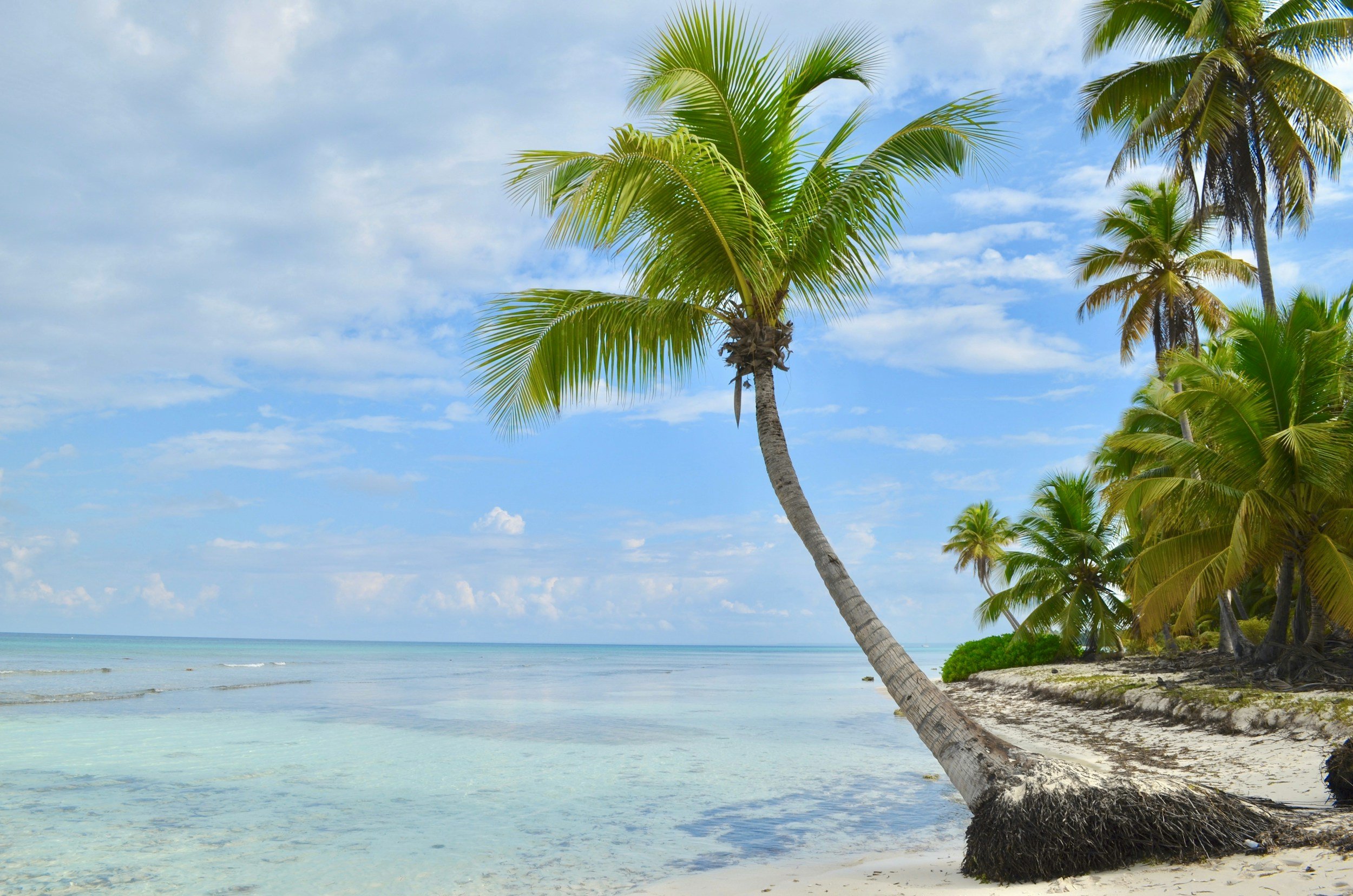
Turquoise, calm water and white sand as the dominant experience — St. Thomas's beaches are consistently beautiful and the water clarity is exceptional
Choose Puerto Rico if you want:
More depth and variety in a single destination — Old San Juan's colonial history, El Yunque's rainforest, Rincón's surf culture, and bioluminescent bays are all on the same island
A serious food scene — Puerto Rico's dining has become one of the most exciting in the Caribbean, from street-level mofongo and lechón to genuinely destination-worthy restaurants
A longer trip with room to move — Puerto Rico rewards five days or more and feels fresh each day; St. Thomas starts repeating around day four for most travelers
Skip St. Thomas if:
You want cultural depth, culinary ambition, or a trip with real variety beyond beach and nightlife — St. Thomas is a hub island, not a destination with layers
You plan to stay more than five days without island-hopping; the island's range is real but finite, and repeat travelers know its limits faster than first-timers expect
Skip Puerto Rico if:
You want a quiet, uncrowded, or resort-simple experience — Puerto Rico is a real place with city energy, traffic, crowds at popular spots, and infrastructure that doesn't always match resort expectations
The beach is the whole point — Puerto Rico's beaches are good but the north coast runs rough, swimming conditions vary significantly by location, and the beach experience isn't the island's strongest suit compared to its other offerings
What a Day Feels Like
A day in St. Thomas
Morning: You decide on a beach — north shore for Magens Bay's long calm sweep, east end for Sapphire or Secret Harbour and reef snorkeling close to shore. The decision takes five minutes. You're in the water by nine.
Afternoon: You've either stayed put and had a good day of swimming and sun, or you've taken the Red Hook ferry to St. John and done Trunk Bay, and you're back by four. Either way, the afternoon hasn't asked anything complicated of you.
Night: Dinner at a waterfront restaurant in Red Hook, or something with more atmosphere in Charlotte Amalie. The bars in the marina stay open, the harbor lights up after dark, and the evening has genuine social energy without being a late-night commitment.
A day in Puerto Rico
Morning: You wake in Old San Juan and walk cobblestone streets to a café before the cruise ships arrive and the tourist overlay thickens. The seven-square-block colonial city is fully alive at this hour — residents going to work, bakeries open, the fortifications catching morning light over the Atlantic.
Afternoon: You've driven east to El Yunque for a waterfall hike, or west toward Rincón to watch surf and eat at a roadside shack, or south along the coast for a different version of the island entirely. The car gives the day genuine range. Puerto Rico is large enough that a single afternoon can feel like a different destination.
Night: Dinner in Santurce at a restaurant that opened because a local chef decided Puerto Rico's food deserved serious treatment — not resort food, not tourist food. The meal is the best thing that happened today. Later, the plaza has music, and the evening has the kind of social energy that doesn't require a plan.
Where Each Destination Wins
1) Energy & atmosphere
Puerto Rico has the more layered energy — Old San Juan's colonial streets, Santurce's arts district, Rincón's surf-town looseness, and mountain towns that feel completely removed from tourism all exist on the same island. The energy changes by neighborhood and coast. St. Thomas has a single consistent register: nautical, social, lively harbor energy centered on Charlotte Amalie and Red Hook. It's genuinely enjoyable but one-note by comparison. Puerto Rico wins for travelers who want variety of atmosphere. St. Thomas wins for travelers who want to settle into one consistent feeling without having to navigate.
2) Beach & water feel
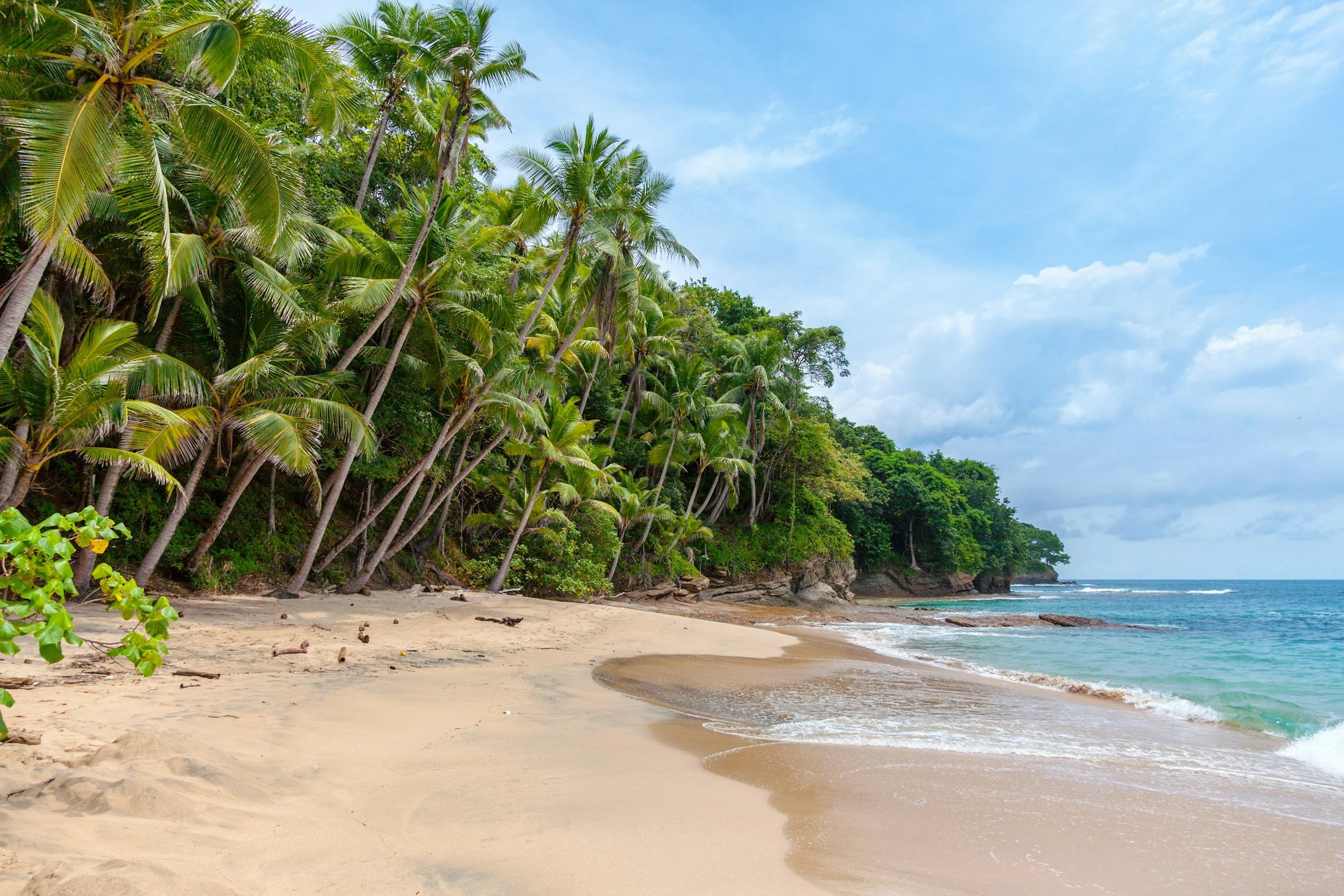
St. Thomas wins on pure beach and water quality. The water is consistently turquoise, the beaches are white sand, the swimming is calm, and the snorkeling — particularly at Coki Point and via day trips to St. John — is excellent. Puerto Rico has beautiful beaches, but the experience is less consistent: the north coast runs rough with Atlantic swells, swimming conditions vary significantly by location, and sargassum can affect east-coast beaches seasonally. Puerto Rico's standout beaches — Flamenco on Culebra, Playa Sucia in the southwest — are spectacular, but reaching them requires planning that St. Thomas doesn't demand. If the beach is the whole trip, St. Thomas delivers more reliably.
3) Food + night energy
Puerto Rico wins clearly and it isn't particularly close. The food scene has evolved into one of the most genuinely exciting in the Caribbean — street lechón in Guavate, mofongo done properly, Old San Juan's restaurant density, Santurce's creative dining, and a café culture that reflects real local life rather than tourism. Nightlife in San Juan runs late and has real range. St. Thomas has good food — Red Hook's waterfront scene is reliable, and a handful of restaurants deliver above expectations — but the dining range is narrow and the ceiling is lower. For travelers who plan their trips around food and evenings, Puerto Rico is the unambiguous choice.
4) Crowds + tourism feel
Both islands see heavy cruise traffic and high tourism saturation — neither is a quiet, undiscovered destination. The difference is in how the crowds distribute. St. Thomas crowds concentrate predictably in Charlotte Amalie on port days and at Magens Bay during peak hours; check the port schedule and you can work around most of it. Puerto Rico's crowds are harder to avoid in Old San Juan and at popular beaches, but the island's size means genuinely uncrowded experiences are available — mountain towns, the southwest coast, and less-visited beaches see few tourists. Puerto Rico's size gives you escape routes that St. Thomas simply doesn't have room for.
5) Value for what you get
Both islands sit in the $$–$$$ range, but they deliver differently. Puerto Rico offers more variation across price points — budget street food is genuinely satisfying, mid-range dining is excellent, and you can build a compelling trip without committing to premium spending at every meal. The variety of experiences means value compounds over a longer stay. St. Thomas concentrates its value in beach quality and convenience — what you're paying for is beautiful water, easy logistics, and the ferry connections to St. John. If your trip is three to four days and beach-focused, St. Thomas justifies its cost well. If you're staying five-plus days and want the money to translate into varied experiences, Puerto Rico gives you more to work with.
A note on what comparisons can't capture
A comparison only tells you how two islands differ. It doesn't tell you what either one is actually like. If you're leaning one way, that's what the destination pages are for.
☀️
Honest Downsides
St. Thomas — Honest downsides
The island has a low ceiling for longer stays. Three to four days is the natural rhythm for most travelers; beyond that, the beach rotation starts repeating and the dining variety runs out. Travelers who've planned a full week on St. Thomas without building in St. John day trips or BVI excursions sometimes find themselves wondering what to do by day five.
Cruise ship days are a significant and predictable disruption. Charlotte Amalie on a four-ship morning is congested, commercial, and crowded in a way that can feel like it overwhelms the island's actual character. The port schedule at vinow.com is publicly available — not using it is an avoidable mistake that shapes the experience more than almost any other planning decision.
Cultural depth is limited. St. Thomas has Danish colonial history visible in Charlotte Amalie's architecture, and real local life exists in its neighborhoods — but the island's identity is built around convenience and connectivity more than culture. Travelers who want to feel genuinely immersed in a Caribbean culture, rather than comfortably adjacent to it, will find St. Thomas less satisfying than its neighbors.
Left-side driving in left-hand-drive cars on steep, narrow roads. Unique under US jurisdiction and more disorienting than it sounds — the driver sits on the wrong side relative to the lane, and blind curves on mountain roads are a real hazard after dark. This isn't a reason to avoid the island, but it surprises nearly every US visitor who rents a car for the first time.
Puerto Rico — Honest downsides
It requires more planning to deliver on its potential. Puerto Rico is large, varied, and not self-organizing around a resort zone — getting to the rainforest, the surf coast, the bioluminescent bays, and the best food requires a rental car and a real itinerary. Travelers who arrive expecting easy Caribbean simplicity and find instead a real island with traffic, navigation decisions, and beaches that require research can feel the trip underdelivered. It didn't; they were the wrong traveler for it.
Beach conditions are inconsistent and need research before you go. The north coast's Atlantic exposure makes many beaches rough and sometimes unsafe for swimming. Sargassum affects east-coast beaches seasonally and can be significant. The island's best beaches — on Culebra, along the southwest coast — are far from San Juan. Travelers who book based on "Puerto Rico has beaches" without checking specific conditions and locations often feel let down by what they find closest to their accommodation.
San Juan is a real city, and that's not always what people want. Traffic, noise, urban density, and a tourist-overlay in Old San Juan on heavy cruise days are all real. Travelers who want a quiet, resort-simple escape can find Puerto Rico's urban energy — the thing that makes it exciting for others — exhausting. The island doesn't turn off.
Spanish is the dominant language, and while English is widely spoken in tourism areas, outside of San Juan it becomes less reliable. This isn't a significant barrier for most travelers, but it's worth knowing — a road trip into mountain towns or the southwest coast puts you in genuinely Spanish-speaking territory, which is part of the cultural richness and occasionally part of the friction.
Practical Reality
Best months: Both: December–April (dry season, most reliable). Puerto Rico: January is exceptional for the San Sebastián Street Festival in Old San Juan. Both are in the hurricane belt; August–September carry the highest risk.
Budget: Both $$–$$$. Puerto Rico has more range at the lower end — street food and budget accommodation are genuine options. St. Thomas compresses toward the middle and upper tiers with fewer cheap alternatives.
Cruise impact: St. Thomas: Heavy — Charlotte Amalie is one of the Caribbean's busiest cruise ports; port days visibly affect the whole island. Puerto Rico: Heavy at San Juan port — Old San Juan on cruise days is crowded, but the island's size means impact is containable.
Car: St. Thomas: Recommended — hilly and spread out; taxis available but expensive for multiple runs. Left-side driving in left-hand-drive cars. Puerto Rico: Yes, essential for exploring beyond San Juan — right-side driving, straightforward except in Old San Juan where parking is genuinely difficult and walking is better.
St. Thomas: the full read
☀️
Puerto Rico: the full read
Frequently Asked Questions
Do I need a passport for St. Thomas or Puerto Rico?
No — both are US territories, and American citizens need only a valid government-issued ID such as a driver's license for either destination. US dollars are the currency in both, tap water is safe, 911 works, and neither requires customs clearance on return. This shared passport-free status is actually one of the most meaningful things they have in common — and one of the most practically significant advantages both hold over nearly every other Caribbean destination. Beyond that shared baseline, however, these are very different trips.
Which is more affordable?
Puerto Rico, and the gap is significant. A week in St. Thomas can run anywhere from 50 to 100 percent more expensive than a comparable week in Puerto Rico across accommodation, dining, transportation, and activities. Puerto Rico has a far wider range of accommodation price points — from budget guesthouses to luxury hotels in Condado — competitive restaurant pricing across the island, and far more budget-friendly options than the USVI. St. Thomas runs expensive: accommodations are predominantly resort and villa-tier, dining costs more, and the limited public transit means taxis add up quickly. For travelers with any cost sensitivity, Puerto Rico delivers substantially more for the same budget.
Which has better beaches?
St. Thomas for consistency and water quality — it wins on day-to-day reliability. Magens Bay is genuinely one of the Caribbean's most beautiful, and Secret Harbour, Sapphire Beach, and the ferry hop to St. John's national park beaches give the island an excellent beach range without much planning. Puerto Rico has more total coastline — nearly 300 beaches across the main island and offshore islands — and its ceiling is extraordinarily high: Flamenco Beach on Culebra and the southwest coast near Cabo Rojo are among the Caribbean's finest. But Puerto Rico's most extraordinary beaches require planning and logistics to reach, and beaches near San Juan are Atlantic-exposed and often rough. For consistent, no-planning-required beach quality, St. Thomas wins. For the highest possible ceiling if you're willing to work for it, Puerto Rico edges ahead.
Which has better food and nightlife?
Puerto Rico, decisively. San Juan's food scene is one of the Caribbean's most dynamic — mofongo done properly, contemporary Puerto Rican cuisine in Santurce, roadside lechón in Guavate, Old San Juan's restaurant density, excellent cocktail bars, and a nightlife energy in La Placita and Condado that runs genuinely late. It's one of the few Caribbean destinations where eating and going out are in themselves compelling reasons to visit. St. Thomas has solid dining around Red Hook and some good spots in Charlotte Amalie, but the range is narrow, the ambition is lower, and the island quiets down earlier. For travelers who want the energy of a real food and nightlife city alongside their beach time, Puerto Rico is the only answer.
Which has more to do beyond the beach?
Puerto Rico, by a large margin. El Yunque is the only tropical rainforest in the US National Forest system. The three bioluminescent bays — including Mosquito Bay on Vieques, the world's brightest — are extraordinary. Old San Juan's colonial forts, cobblestone streets, and 500 years of layered history are one of the Caribbean's great urban experiences. Rincón draws serious surfers. The caves of the northwest, the salt flats of Cabo Rojo, and the nature reserves throughout add further depth. St. Thomas has its own draws — the Skyride to Paradise Point, Coral World Ocean Park, Charlotte Amalie's duty-free shopping, and excellent ferry access to St. John and the British Virgin Islands — but the depth of Puerto Rico's land-based experience is in a different category.
Which is better for island hopping?
They offer different kinds of island hopping. St. Thomas is the USVI's hub: the 20-minute Red Hook ferry to St. John is one of the most rewarding short crossings in the Caribbean, and day trips or charters to the British Virgin Islands — Jost Van Dyke, Virgin Gorda, Tortola — are accessible and popular. The island-hopping is geographically compact and easy to execute. Puerto Rico offers its own island-hopping to Vieques and Culebra via ferry from Fajardo — both are extraordinary and worth the trip — and smaller ferry services connect to other cays. For ease and efficiency of island-hopping in a short trip, St. Thomas has the edge. For the quality of the outlier islands reached, Puerto Rico's Vieques and Culebra are hard to top.
Which is better for a short trip versus a longer one?
St. Thomas makes more sense for a shorter trip of three to four days — it's compact enough to feel complete without a rental car, and the core experiences are concentrated. Puerto Rico genuinely rewards a longer visit. The island is large, and a short stay risks spending it entirely in San Juan without reaching El Yunque, Culebra, Rincón, or the southwest coast — all of which are essential to understanding what Puerto Rico actually is. Five nights minimum; a week is better. Travelers who want to feel like they've properly experienced a destination in limited time will be more satisfied with St. Thomas on a short trip.