Hidden Horizons
Places that stayed intimate — by design, by law, or by geography. Low crowds, a local-first atmosphere, and an experience unmediated by mass tourism, regardless of how well-known the destination is.
The word 'hidden' is used loosely in travel. A destination with a Condé Nast feature and a full-page spread in every major travel magazine is not hidden. What these destinations share is something more structurally meaningful: a resistance to the mass tourism infrastructure that defines most of the Caribbean's popular destinations. No cruise ship dock. A national park covering most of the island. A geography so remote it filters the visitor pool. The result, in each case, is a Caribbean experience that still feels intimate.
Hidden Horizons destinations were selected not because they're undiscovered — several are extremely well-known within a certain traveler segment — but because their development has been limited by design, by law, or by geography. That limitation is the feature. The uncrowded beach, the local-first atmosphere, and the sense of arrival that comes from having made some effort to get there are direct consequences of structural constraints that other islands don't have.
The honest tradeoff: these destinations have fewer options. Fewer restaurants. Fewer activities for sale. Fewer conveniences. For travelers who know what they're trading, this is exactly what they want.
What Earns This Theme
A destination earns the Hidden Horizons theme when some structural feature — legal protection, deliberate development policy, geographic remoteness, or absence of mass tourism infrastructure — meaningfully limits crowd density and preserves a local-first atmosphere. The threshold is not obscurity. Anguilla and Turks & Caicos are well-known. The threshold is that the experience remains intimate and unmediated by mass tourism regardless of how well-known the destination is.
Destinations
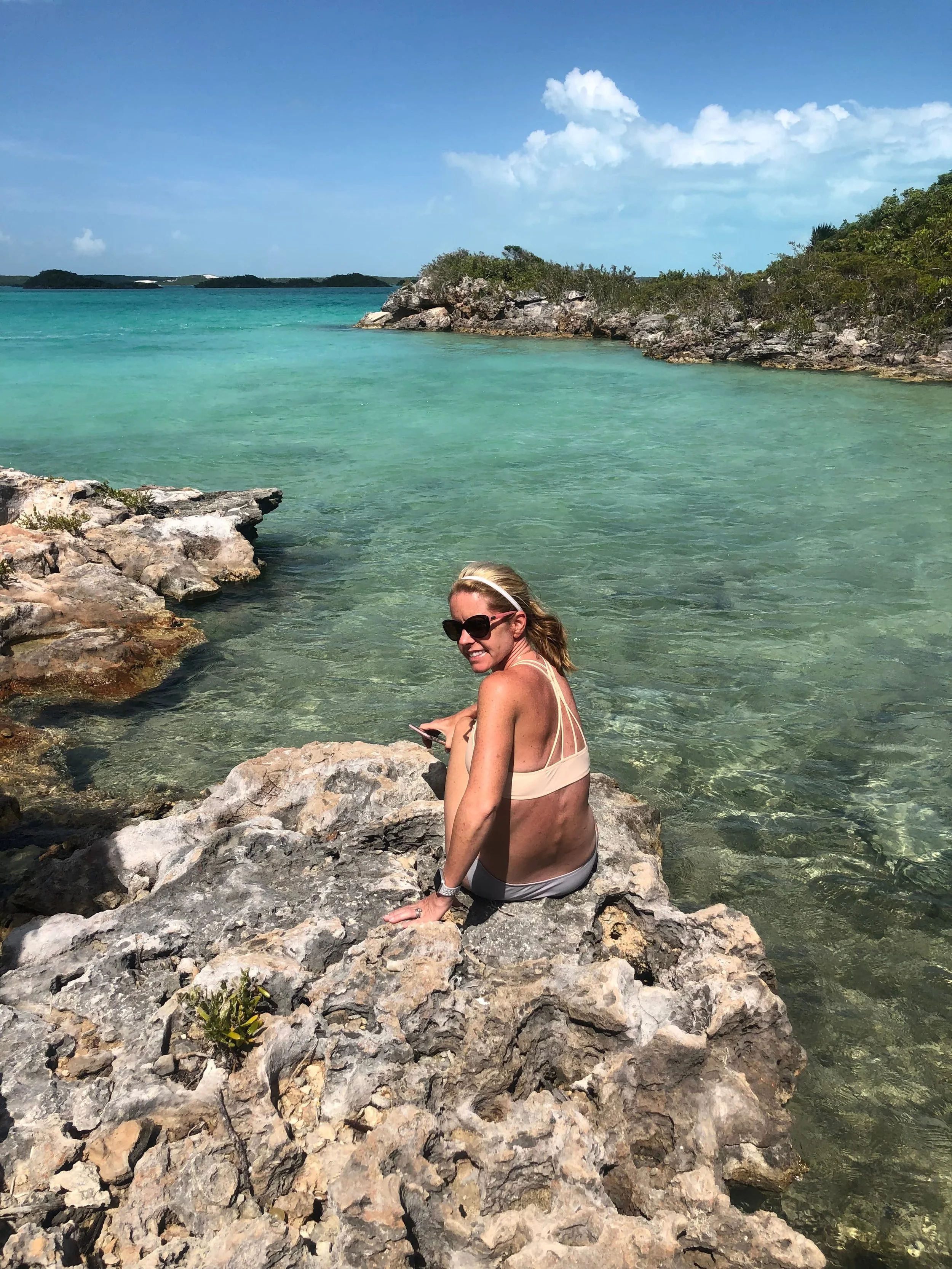
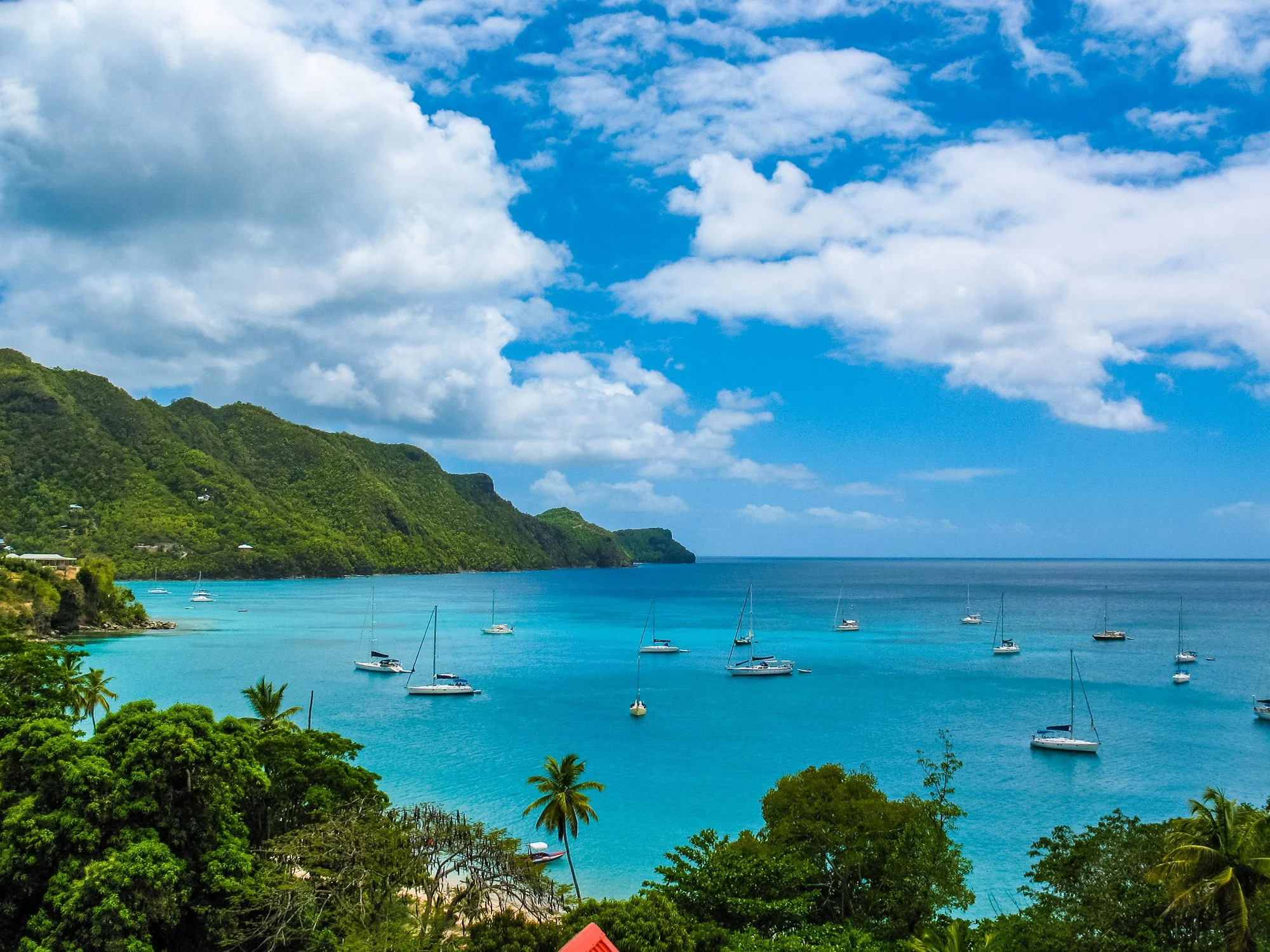
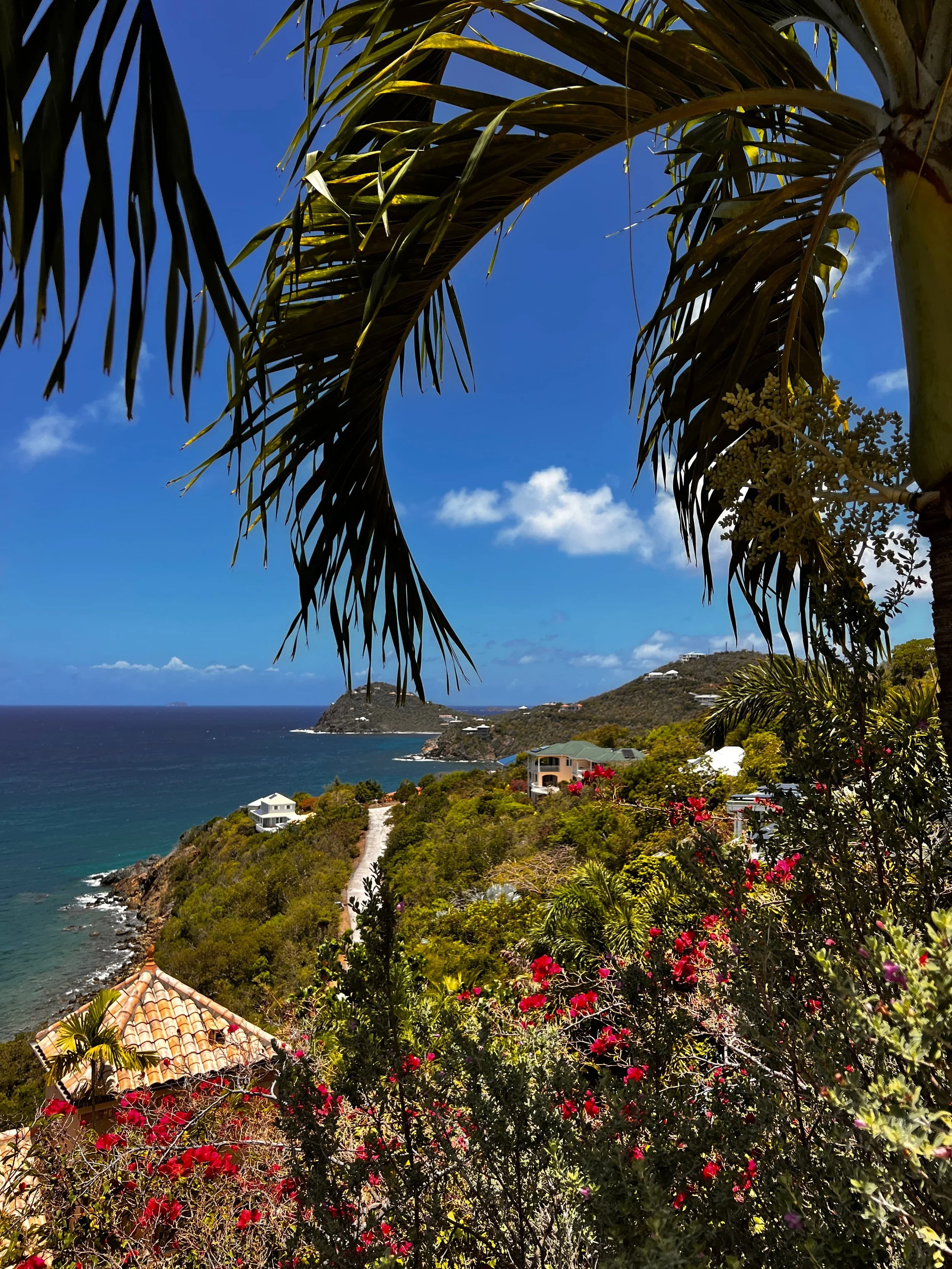
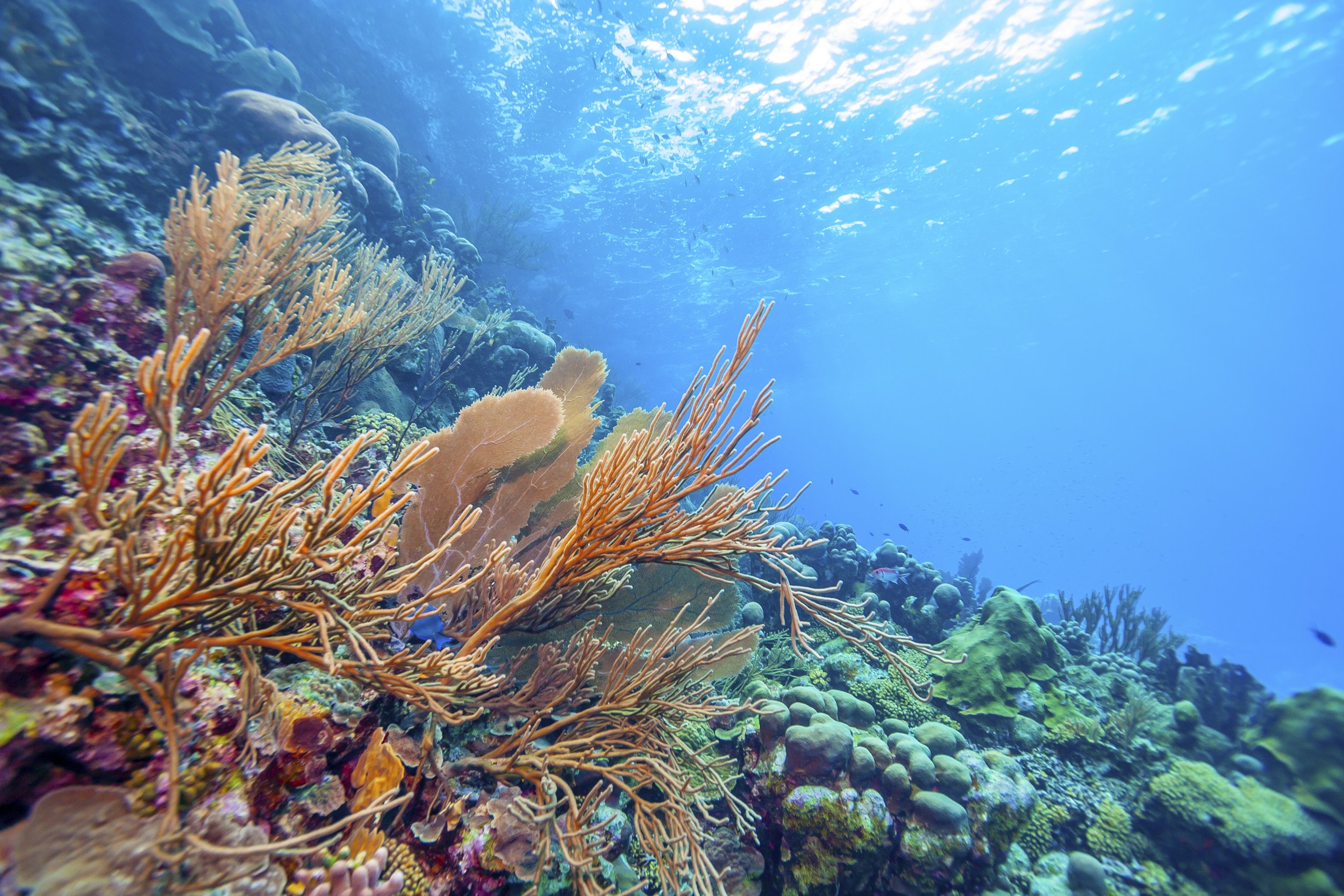
Which Caribbean Islands Are the Least Touristy?
The most reliably intimate Caribbean destinations have a structural quality that limits visitor density regardless of how popular or well-reviewed they become. Legal protection — like a national park designation — is the most durable version of this. Deliberate development policy is the next most reliable. Geography and logistics that filter the visitor pool come third. Marketing alone cannot create or preserve this quality; it has to be built into how the destination functions.
The destinations on this page all have that structural quality. As the Greater Caribbean Collection expands, additional low-development and protected destinations will be added here — islands whose character is defined by what they have chosen not to become. Browse the full collection to see every destination and how it sits on the development and crowd-density spectrum.