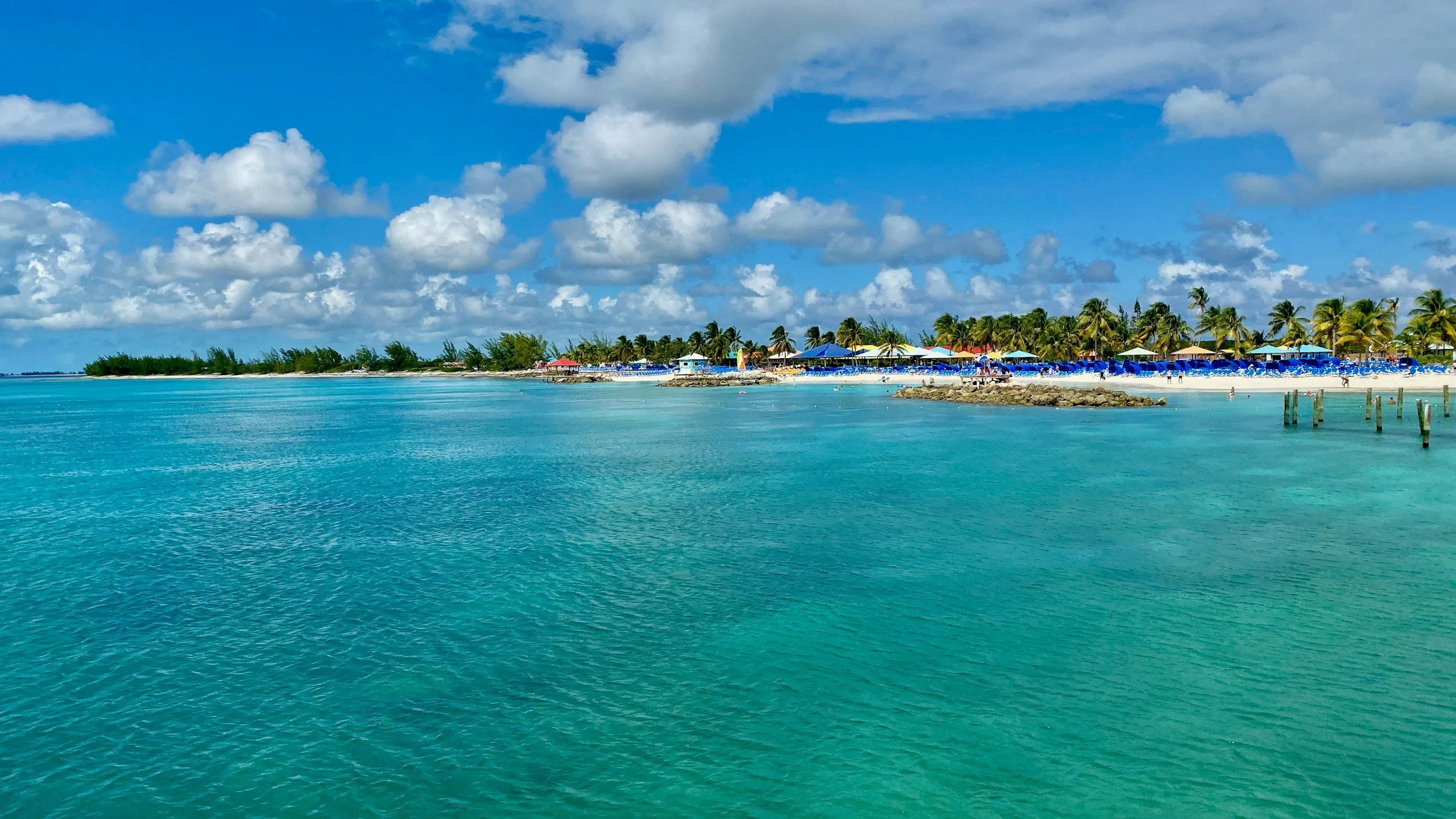
By Kelly McAtee | TheTripThread | Last Updated March 2026
Eleuthera
Where pink sand meets open road and the Bahamas feels like a secret you found on your own.
Hidden Horizons | Adventure & Nature | Romance & Connection
Best for travelers who build their own days — beach-hunting by car, eating where locals eat, and choosing stillness and discovery over anything pre-arranged.
Not for travelers who expect walkable nightlife, resort-style convenience, or a destination that works without a rental car and a willingness to improvise.
☀️ Best months: December–April · 💲 Average cost: $$ · 🕶️ Vibe: Laid-back
Reality Check (Read This Before You Book)
Eleuthera is a road-trip island — rent a car, pick a direction, and find your own beaches. There's no resort spine, no shuttle loop, no walkable town that holds everything together.
The biggest misconception is that pink sand beaches mean a polished beach destination. Eleuthera is beautiful and undeveloped — the pink sand is real, but the roads can be rough, the restaurants close without warning, and the best stretches of coast require an SUV and a willingness to get a little lost.
If you need nightlife, evening entertainment, or social energy beyond a Friday fish fry and a couple of beach bars, this island will feel empty after dark. If you want meals you can walk to without planning, most of the island won't cooperate — dining is scattered, often cash-only, and irregular outside Governor's Harbour. If you prefer a trip that works without logistics, Eleuthera rewards self-sufficiency and punishes passivity.
If frictionless beach access and built-in structure matter more than solitude and discovery, a more developed island in the region will be a better match.
Why You’ll Love It
Eleuthera works because it's genuinely quiet and genuinely empty — not marketed that way, not seasonally that way, but structurally. The island is over a hundred miles long and rarely more than a mile wide, which means the beaches are spread across an improbable stretch of coastline and most of them have no one on them. For travelers who feel crowded out of the Caribbean they remember, that fact alone changes the trip.
The light here shifts from soft pink mornings on the Atlantic side to flat turquoise glass on the Caribbean side by afternoon. Days have a road-trip rhythm — wake up, pick a beach, drive until you find it, swim, eat something local, repeat. Settlements are small and friendly. The pace isn't slow because someone branded it that way; it's slow because there's genuinely nothing rushing you forward. Evenings are dark, stars are visible, and the silence is real.
What separates Eleuthera from a typical Caribbean beach vacation is that there's no tourism infrastructure doing the work for you. There are no beach vendors, no excursion desks, no resort pools competing with the ocean. The beauty is spectacular — pink sand, turquoise coves, limestone cliffs — but the trip requires you to go find it yourself. That's the trade. Travelers who love this island describe it as the most beautiful place they've had to earn, and they almost always come back.
Best for travelers who want authentic Bahamian life with spectacular, empty beaches — choosing discovery and self-reliance over convenience, and solitude over scene. Eleuthera is often recommended for couples and nature-seekers drawn to genuine Out Island character and coastal beauty without tourist overlay.
This is Eleuthera
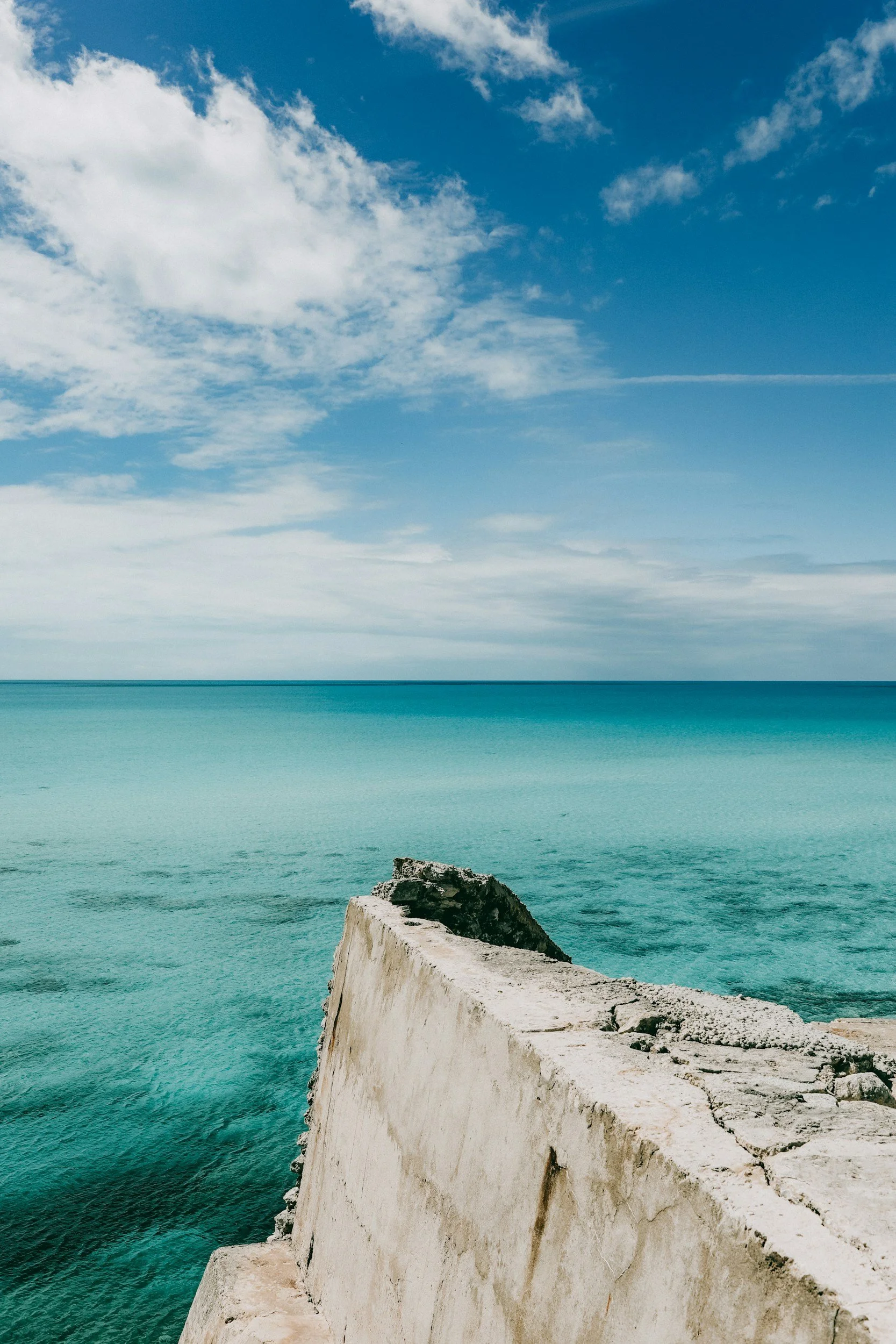
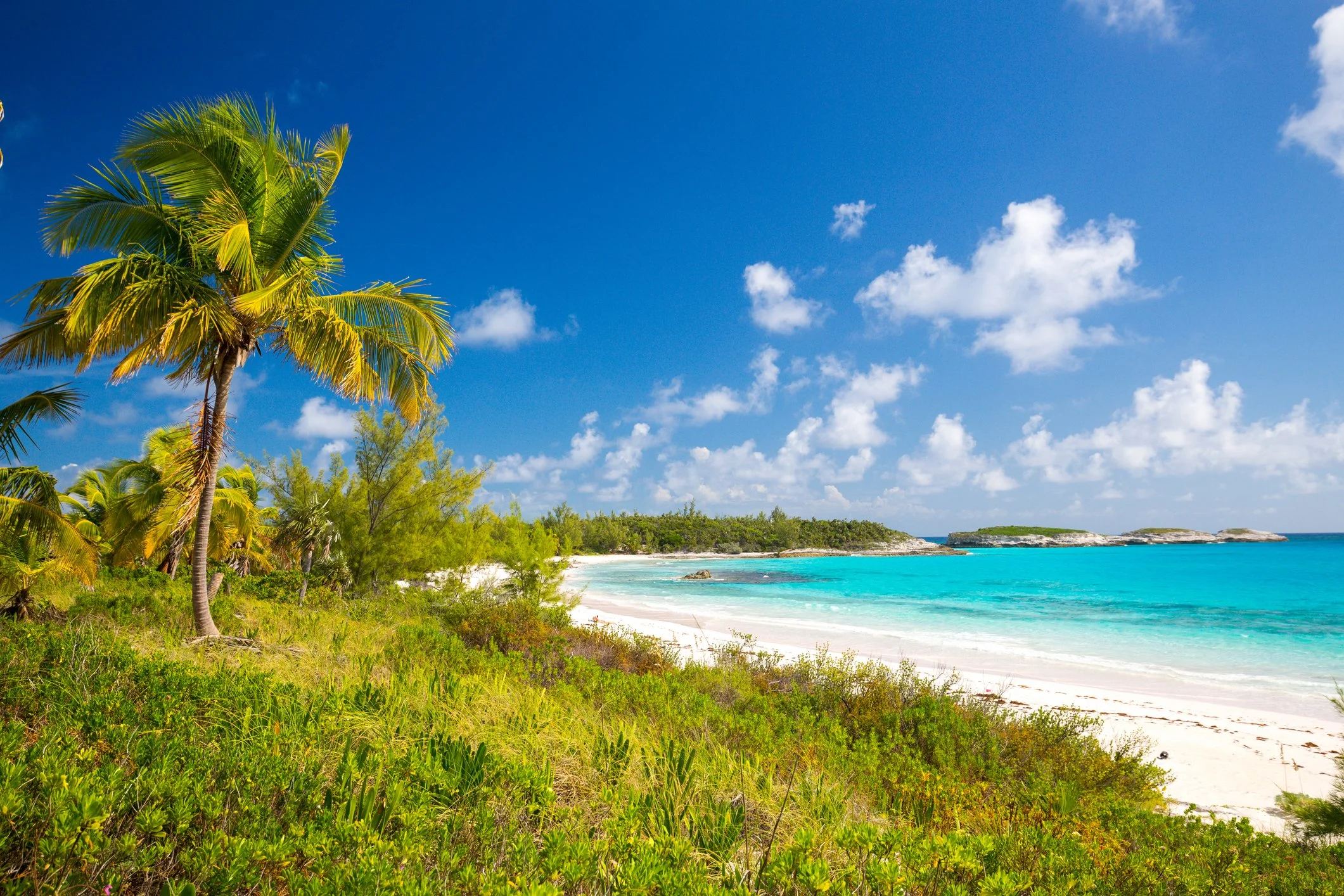
This is Eleuthera — a hundred miles of narrow limestone between two oceans, where pink sand fades into turquoise shallows on one side and the Atlantic breaks dark blue against the cliffs on the other, and most of the beaches between belong to no one but whoever drives far enough to find them.
Part of the Greater Caribbean Collection on TheTripThread — a destination reference system built for travelers deciding where they'll feel right, not just where to go. Eleuthera is for travelers who value solitude, natural beauty, and the freedom that comes from building a trip on their own terms.
Common Experience Patterns

Eleuthera's rhythm is a driving rhythm. The island stretches over a hundred miles but is rarely wider than a mile, which means days are shaped by Queen's Highway — the single paved road running the island's length. Most travelers pick a direction each morning, drive to a beach or settlement, and let the day unfold from there. End-to-end takes over two hours each way, so the practical pattern is exploring north or south from a central base rather than trying to cover everything at once.
Mornings on the Caribbean side start glassy and turquoise, shallow enough to wade far out before the water reaches a traveler's waist. Atlantic-side beaches carry a different energy — wider, pinker, more exposed, with the sound of surf replacing the silence. Settlements like Governor's Harbour and Gregory Town are small and walkable once arrived but separated by long stretches of empty highway and pine forest. The light is particular here — soft and warm, shifting the sand from white to rose depending on the hour and the coast. Evenings go quiet early; the Friday fish fry in Governor's Harbour is the closest thing to a weekly social anchor.
Eleuthera is not a resort island, and the distance between what it looks like in photos and what it asks of visitors is the single biggest source of friction. The beaches are as beautiful as anything in the Bahamas, but reaching the best ones often means unpaved access roads, unmarked turnoffs, and no facilities when arriving. Dining is scattered and inconsistent outside Governor's Harbour — many places close on Sundays, operate on irregular schedules, or require WhatsApp to confirm they're open. Power outages are a recurring reality, not an emergency. Bug pressure is seasonal and location-dependent, not constant, but it catches travelers off guard when conditions align. The island rewards patience and punishes the expectation that beauty should come with convenience.
Locals Know — Glass Window Bridge is not a casual photo stop when the sea is rough. Rogue waves wash over the bridge without warning, especially in winter swells and stormy conditions — people and vehicles have been swept into the ocean. Locals treat this as a real and recurring danger, not a scenic footnote. Check conditions before walking near the edge, and take the warnings seriously.
Travelers consistently praise Eleuthera's empty beaches, the friendliness of the settlements, and the feeling of having discovered something the rest of the Caribbean has already given away. What catches visitors off guard is the self-sufficiency required — bumpy roads, closed restaurants, and the need to plan meals and coordinate by WhatsApp rather than walking into whatever's open. The island tends to delight travelers who enjoy finding things and frustrate those who want the beauty without the logistics. Locals and repeat visitors alike describe Eleuthera as one of the most genuine Out Islands in the Bahamas, especially for couples and nature-seekers who treat the quiet as a feature, while those who prefer built-in structure tend to leave wishing they'd chosen a more developed base.
Where we eat:
Dining on Eleuthera is scattered, not clustered — Governor's Harbour has the island's highest concentration of restaurants, from casual local spots to a handful of more polished options, but outside that zone most travelers mix cooking at their rental with selective meals out. Many places close on Sundays, keep irregular hours, or require calling ahead by WhatsApp to confirm they're open and cooking that day. Groceries are expensive and eating out adds up — sit-down entrées routinely run $40 or more — so planning around food is part of the trip, not an afterthought.
Where we go:
Most travelers settle into a rhythm of picking one or two beaches per day and driving to them, rather than touring the whole island at once. The Caribbean side delivers calm, turquoise, wade-in swimming; the Atlantic side delivers pink sand, surf, and dramatic coastline — and the island is narrow enough that switching between the two takes minutes, not hours. Road conditions on Queen's Highway are paved but potholed in stretches, and beach access roads are often unpaved and unmarked, which is part of why renting an SUV rather than a sedan comes up in nearly every returning traveler's advice.
What we love:
The emotional takeaway that repeats most consistently is surprise at how empty the beaches are — not seasonally empty but structurally empty, even in peak months. Travelers describe finding coves and stretches of pink sand entirely to themselves, and the absence of any tourist overlay — no beach vendors, no pressure, no choreography — is what makes the beauty feel earned rather than delivered. The island's identity lives in that tension: the traveler who loves Eleuthera describes wanting to come back; the traveler who doesn't describes wishing the island had made things easier.
About this section:
This section is built from publicly shared traveler perspectives and credible regional reporting. We treat it as sentiment and cross-check factual claims where possible. We intentionally limit dependence on review marketplaces where paid, promotional, or otherwise unrepresentative input can blur the picture.
Identity
Vibe Descriptors
Pink · Breezy · Laid-back · Serene · Authentic
……….
Core Audience
Couples and independent travelers who want spectacular Bahamian coastline without tourist infrastructure — people who treat self-reliance as freedom and quiet as the point
……….
Best For (Trip Types)
Romantic & Couples · Adventure & Exploration · Nature & Wildlife · Wellness & Retreats
……….
Known For
Pink sand beaches on over a hundred miles of narrow coastline, friendly Out Island settlements, and a DIY beach-hopping rhythm that rewards travelers willing to rent a car and find their own way
……….
Trip Thread Theme(s)
Friction & Tradeoffs (Read This Before You Book)
Cost Pressure: Eleuthera sits at a moderate price point for the Bahamas, but the friction shows up in groceries and dining rather than lodging. Rental cottages and guesthouses are reasonable; sit-down restaurant meals are not — $40+ entrées are standard, and the limited number of options means there's little price competition. Groceries are imported and expensive, so travelers cooking at their rental still feel the cost. The island is cheaper than Harbour Island by a wide margin, but not a budget destination.
Mobility / Getting Around: A rental car is not a suggestion — it's a structural requirement. The island is over a hundred miles long with settlements spread across its length, and the shape makes taxi-based beach-hopping functionally impossible. Queen's Highway is paved end to end but potholed in stretches, and beach access roads are often unpaved and unmarked. An SUV is the consistent recommendation over a sedan. Travelers who enjoy driving and exploring will find this liberating; those who want to walk out a door and onto a beach will find it exhausting.
Autonomy vs. Structure: Eleuthera is one of the most autonomous destinations in the Greater Caribbean Collection — there is no resort spine, no tour desk, no shuttle system, and no packaged activity circuit. Days are entirely self-directed: choose a coast, pick a beach, figure out food. This is the island's core appeal for the right traveler and its core frustration for the wrong one. Unlike more structured Bahamian destinations, nothing here is organized for you, and the island does not compensate for a lack of planning.
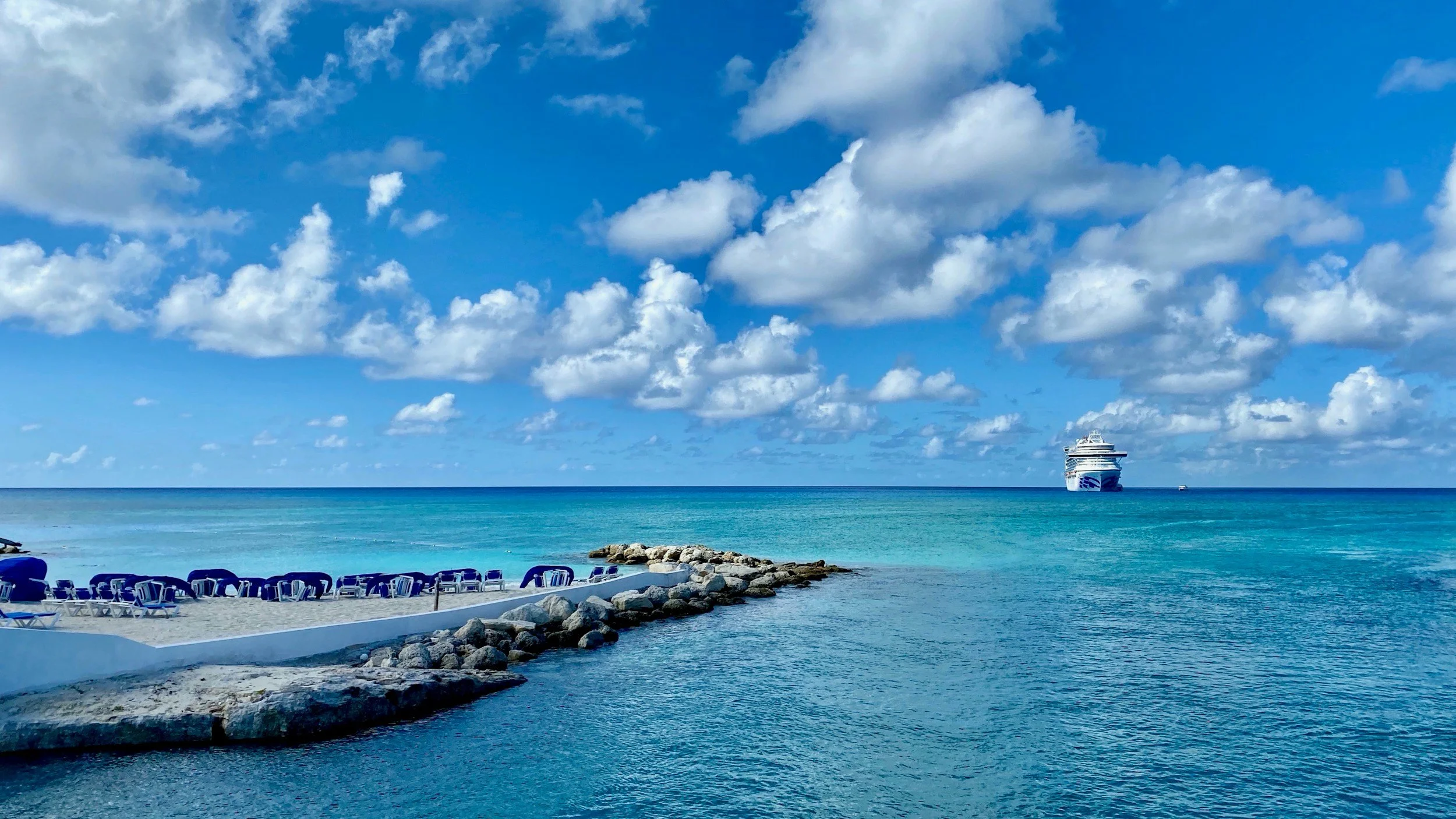
Crowd Texture: Tourism saturation is low, and it shows. Beaches are routinely empty even in peak season. Cruise ship traffic is limited to private enclaves at the island's southern tip — Disney's Lookout Cay and Princess Cays — which are structurally isolated from the main island and have no impact on independent traveler experience. Settlements feel residential, not tourist-facing. The social energy is warm but quiet; travelers looking for a scene or street-level buzz will find the island undersized for that.
Culture Access: English is spoken everywhere, and local culture is immediately accessible — greetings are warm, conversation is easy, and the island's identity shows up through food, roadside stops, and settlement life rather than through organized cultural attractions. The gap between "tourist experience" and "local reality" is narrower here than on most Caribbean islands, largely because there isn't much tourist infrastructure creating a separate layer. Dining, when open, reflects genuine local cooking. The friction is availability, not access.
Variety Ceiling: Eleuthera's defining activities — beach-hopping, snorkeling, swimming, driving — are spectacular but repetitive by design. Dining variety is limited outside Governor's Harbour. Nightlife is thin — a few beach bars, occasional live music, a weekly fish fry — and there is no secondary layer of culture, shopping, or entertainment to fill the gap. Travelers who thrive on three or four days of the same rhythm at increasing depth will love it. Travelers who need novelty beyond day five, rather than deepening stillness, tend to feel the ceiling.
Sand & Sea Character
The sand on Eleuthera shifts by coast and direction. On the Caribbean side, beaches are white to pale cream, fine-grained, and firm near the waterline — Ten Bay Beach is the best example, wide and shaded with barely a ripple most days. Gaulding Cay and Rainbow Bay deliver the same soft white sand further north. On the Atlantic side, the sand turns pink — caused by crushed foraminifera mixed into the grain, most visible in dry sand during early or late light. French Leave Beach near Governor's Harbour is the most accessible pink stretch. Surfer's Beach near Gregory Town is more vivid. Lighthouse Beach at the southern tip is the most dramatic — miles of rose-toned sand requiring an SUV and a long walk to reach. The pink is softer than Harbour Island's famous concentration but spread across far more coastline. Everything is coral-limestone-based; no volcanic or dark sand exists anywhere on the island.
Water clarity is exceptional on both coasts for different reasons. The Caribbean side is calm and shallow — glassy visibility in two to three feet of water, reading as pale turquoise to aqua. The Atlantic side has brighter turquoise over offshore reefs grading to deep blue at depth. Wave behavior splits cleanly: the Caribbean side is swim-friendly year-round; the Atlantic carries surf, especially October through April, and can be too rough for casual swimming on windy days. Shore-accessible snorkeling is best at Gaulding Cay, where sea turtles are regularly spotted, and at Twin Coves near Governor's Harbour on calm days. For classic turquoise calm-water beach days, base out of Governor's Harbour or Palmetto Point and prioritize the Caribbean side. For dramatic coastline and surf, base in Gregory Town and explore the Atlantic-facing north.
Explore Eleuthera — Map & Highlights
Eleuthera unfolds along a single road. The island is over a hundred miles long and rarely wider than a mile — a narrow limestone ribbon between the deep blue Atlantic and the pale turquoise Bight of Eleuthera — which means exploration happens linearly, one settlement and beach at a time. Days here have a road-trip shape: pick a direction, drive until something catches your eye, stop, swim, keep going. There are no circuits and no hop-on-hop-off loops — just the Queen's Highway, a series of unmarked turnoffs, and the slow process of learning which beaches belong to which coast. The map below is curated to help you decide where to base yourself and what to explore from there — not to catalog every beach, stop, or landmark on the island.
Beaches
Eleuthera's coastline splits into two distinct experiences running the full length of the island. The Caribbean side — facing the Exuma Sound — delivers calm, turquoise, wade-in beaches with white sand and barely a ripple on most days. The Atlantic side carries pink sand, stronger surf, and dramatic open-coast energy. The best swim-easy beaches sit on the Caribbean side between Governor's Harbour and Savannah Sound; the most photogenic stretches of pink sand line the Atlantic coast near Gregory Town and at the island's southern tip. For a classic calm-water base, stay central near Governor's Harbour. For surf and dramatic scenery, base north near Gregory Town.
Food & Drink
Dining on Eleuthera is concentrated in Governor's Harbour, where a mix of casual local spots and a few more polished restaurants lines the town core and the roads heading toward the beaches. Outside that zone, options thin out quickly — Gregory Town has a small cluster of beach bars and casual spots, and a handful of places are scattered through the mid-south corridor between Palmetto Point and Savannah Sound. South of Rock Sound, options are minimal. Many restaurants close on Sundays, keep irregular hours, or require WhatsApp to confirm availability. For travelers who want the most reliable dining access without driving, Governor's Harbour is the only realistic base.
Activities
Activity planning on Eleuthera is geographic, not programmatic — there are no tour desks or activity hubs. The north end of the island holds the highest concentration of natural landmarks: Glass Window Bridge, Hatchet Bay Cave, Preacher's Cave, and the surf breaks near Gregory Town. Central Eleuthera anchors around the Leon Levy Native Plant Preserve and the island's best snorkeling beaches. The deep south rewards a full-day commitment with Lighthouse Beach and Rock Sound Ocean Hole. Most travelers stack activities by region rather than trying to cross the island in a single day. For the most activity-dense base, stay in Governor's Harbour and day-trip north.
Where to Stay on Eleuthera
Eleuthera is long, narrow, and varied enough that where you stay shapes the trip more than what you plan to do. The island stretches over a hundred miles along a single road, and the character shifts from surf breaks and natural landmarks in the north to empty pink sand and deep quiet in the south. Accommodation ranges from boutique hotels and rental cottages to beachfront guesthouses — most of it small-scale and locally managed. Below, The Trip Thread has listed the best areas to stay in Eleuthera — each offering a different balance of privacy, scenery, and local character. Each area is located on the above map for easy exploration.
Governor's Harbour — Central Base & Dining Access
Governor's Harbour sits at the island's midpoint and functions as Eleuthera's practical center of gravity — the most restaurants, the most reliable services, and the easiest access to both the north and south ends of the island. GHB airport is minutes away, and French Leave Beach — a wide, pink-tinged Atlantic beach — is just east of town. The Caribbean-side beaches at Ten Bay and Gaulding Cay are both within easy driving distance. First-time visitors and travelers who want the most flexibility without the most driving consistently choose Governor's Harbour as their base. The trade-off is that it's pleasant but not dramatic — the island's most spectacular scenery lives further north and further south.
Why stay: The most dining options, central location, and easiest logistics for a first visit. Why not: Less dramatic scenery than the north; the town itself is functional rather than charming.
~~~~~
Gregory Town — Surf, Landmarks & Northern Exploration
Gregory Town is the launchpad for Eleuthera's most concentrated stretch of natural attractions — Glass Window Bridge, Surfer's Beach, Hatchet Bay Cave, and the calm turquoise water at Gaulding Cay are all within a short drive. The settlement itself is small and low-key, with a couple of casual restaurants and beach bars that host live music on weekends. Travelers who choose the north generally do so because they want to sightsee and explore — the majority of the island's landmarks sit between here and the northern tip. The trade-off is meaningful: dining options are fewer than Governor's Harbour, and reaching the south end of the island is a long drive.
Why stay: Closest base to the island's best landmarks, surf, and the most dramatic north-island scenery.
Why not: Limited dining; a long drive south if you want to explore the full island.
~~~~~
Palmetto Point / Savannah Sound — Quiet Mid-South & Calm Beaches
This residential belt between Governor's Harbour and Rock Sound has become increasingly popular with repeat visitors who want seclusion without total isolation. The vacation rental stock is strong, Ten Bay Beach — one of the best calm-water swim beaches on the island — is close, and a few well-regarded local spots are scattered through the corridor. GHB airport is about thirty minutes north. The area suits couples and small families who want quiet mornings, good beach access, and the patience to drive for everything else. The trade-off is a near-total absence of walking-distance amenities — this is car-dependent living at its most Eleutheran.
Why stay: Strong rental options, access to Ten Bay Beach, and genuine quiet without deep isolation.
Why not: No walkable dining or services; requires driving for every meal and activity.
~~~~~
Rock Sound / Cape Eleuthera — Deep South Solitude
The southernmost base on the island — for travelers who want Lighthouse Beach, complete serenity, and nothing else competing for their attention. Rock Sound has a small town center with a grocery store and a couple of casual restaurants. Cape Eleuthera has a marina and resort development. RSD airport serves this area directly. The beauty at this end of the island is extraordinary — but so is the distance from everything else. Glass Window Bridge is a ninety-minute drive. Dining is minimal. This base rewards travelers who define a great trip as three days on the same beach with a book and no agenda.
Why stay: Closest access to Lighthouse Beach and the island's most complete solitude.
Why not: Farthest from the north-island attractions and most dining; genuinely remote.
Practical Snapshot
-
December through April is the dry season — the best weather, the fewest bugs, and the calmest roads. Peak crowds land mid-November through New Year's and again during spring break in March, though "crowded" on Eleuthera still means most beaches are empty. Hurricane season runs June through November, with the highest risk from late August through October. Summer can be pleasant but expect more rain, more humidity, and noticeably more bugs near vegetation and standing water.
-
The Bahamian dollar is pegged 1:1 to the US dollar, and both are accepted interchangeably everywhere on the island. Credit cards mainly work at hotels and the larger restaurants in Governor's Harbour, but everything else — smaller spots, roadside stands, and some rental operators are cash-only or cash-preferred — carry US dollars in small bills.
-
English is the primary language, spoken everywhere on the island. Communication is easy and immediate — no language barrier for any traveler interaction. WhatsApp is the standard way to coordinate with car rental contacts, restaurant owners, and local service providers; travelers without it will find logistics noticeably harder.
-
Eleuthera has three airports spread across the island: North Eleuthera (ELH) for the north end and Harbour Island access, Governor's Harbour (GHB) for central and south stays, and Rock Sound (RSD) for the deep south. Direct US flights to ELH come from Miami, Charlotte, Atlanta, and Fort Lauderdale on carriers including American, Delta, and several smaller operators. Nassau connections to ELH and GHB run via Bahamasair and regional charters. Ferries from Nassau take roughly two and a half to three hours. Airlines and schedules are seasonal — verify routes before booking, and choose the airport closest to where you're staying to avoid a long island drive on arrival.
-
Eleuthera sits at a moderate price point — cheaper than Harbour Island or Nassau's resort strip, but not a budget destination. Rental cottages and guesthouses offer reasonable nightly rates; dining and groceries are where costs climb. Local lunches = 💲, rental cottages and guesthouses = 💲💲, beachfront boutique stays and sit-down dinners = 💲💲💲. Travelers cooking at their rental save meaningfully, but imported grocery prices still surprise.
-
Evening social life on Eleuthera is quiet, geographically scattered, and early to bed. The Friday fish fry in Governor's Harbour is the island's weekly social anchor — food, drinks, and music at the harbour. A couple of beach bars in the Gregory Town area host live rake-and-scrape music and open-mic nights on occasion. Beyond that, expect sunset drinks and stargazing, not a scene. Most travelers report being in for the night by ten. This is the island's character, not a gap to fill.
-
A rental car is essential — not optional. The island is over a hundred miles long, settlements are widely spaced, and the narrow shape makes taxi-based exploration impractical. Queen's Highway is paved end to end but potholed in stretches; beach access roads are often unpaved, unmarked, and occasionally rough. An SUV is the consistent recommendation. Biking works within individual settlements but not between them — distances are too long. Walking works in Governor's Harbour town center and not much beyond.
-
Eleuthera is one of the safest destinations in the Greater Caribbean — low crime, low tourism density, and a generally relaxed atmosphere across the island. Standard island caution applies: lock your rental car, don't leave valuables visible, and be aware of road conditions after dark when the highway is unlit. Solo travelers report feeling comfortable and welcomed — the island's small-settlement character means visitors are noticed and looked after, not anonymous. For LGBTQ+ travelers: same-sex relations are legal in the Bahamas (decriminalized 1991). Eleuthera is culturally conservative and religious, but visitor accounts consistently describe polite, welcoming interactions with no reported hostility toward LGBTQ+ travelers. Governor's Harbour and tourist-facing areas tend toward a more relaxed atmosphere. Public displays of affection draw attention across Bahamian culture regardless of orientation — discretion in smaller, more traditional settlements is advisable. No LGBTQ+-specific venues exist on the island. Couples and solo LGBTQ+ travelers report feeling safe, particularly in accommodations and tourist-facing areas.
-
Tap water is safe to drink in most areas but tastes brackish — most travelers and locals buy bottled or filtered water. Power outages and brownouts are a recurring reality, not an emergency; accommodations with backup generators are worth prioritizing. Sunday rhythms are real — many businesses close, especially outside Governor's Harbour, so plan food and fuel accordingly. Dress is casual island-wide; shoes are optional in most settings. Bug spray is essential near vegetation and after rain, particularly on the Atlantic side and in summer months.
-
Eleuthera's reefs, blue holes, and native forest are fragile systems in an increasingly developed region. The Leon Levy Native Plant Preserve — the island's first national park — protects twenty acres of native species and serves as a model for low-impact tourism. Reef health remains strong in areas like Gaulding Cay, but coral systems across the Bahamas face warming-water pressure. Water is a scarce resource on the island — conservation habits matter. The low tourism density that defines Eleuthera today is itself an ecological asset, and travelers who treat the island lightly help it stay that way.
Compare Similar Caribbean Destinations
Thinking about Eleuthera, The Exumas, or Long Island? Here’s how these greater Caribbean destinations differ in rhythm and culture.
ELEUTHERA
Vibe & Energy: Road-trip calm — long drives between pink sand beaches, friendly settlements, and an island that asks you to build your own day.
Dining & Culture: Scattered local dining with a central cluster in Governor's Harbour; the island's culture shows up through food, roadside stops, and settlement life rather than organized attractions.
Cost & Crowds: Moderate cost, low crowds — beaches are routinely empty even in peak season, and the island feels residential rather than tourist-facing.
Accessibility: Three airports along the island's length with direct US flights to North Eleuthera; ferry from Nassau. A rental car is essential once on the ground.
Nightlife / Social Scene: A weekly fish fry and a couple of beach bars with occasional live music — quiet, early to bed, and honest about it.
Best For: Couples and independent travelers who want spectacular Bahamian coastline with no tourist overlay — the beauty requires effort, and the effort is the point.
THE EXUMAS
Vibe & Energy: Cinematic and elemental — sandbars rising from impossibly clear water, a chain of cays that rewards exploration by boat, and a pace that runs on tide and sunlight.
Dining & Culture: Limited dining on land and even thinner across the cays; food is part of the logistics, not the experience, and most meals happen aboard or at a handful of casual spots on Great Exuma or Staniel Cay.
Cost & Crowds: Expensive — accommodation, boat charters, and meals add up quickly. Crowds are low but concentrated around the swimming pigs and Staniel Cay during day-trip hours.
Accessibility: Flights to Great Exuma from Miami and Atlanta; Staniel Cay via small carriers from Fort Lauderdale. A boat is functionally required to see the best of the chain.
Nightlife / Social Scene: Virtually nonexistent — evenings are boat-anchored, star-lit, and silent.
Best For: Travelers who want the Bahamas at its most elemental — water-first, boat-dependent, and visually overwhelming — and who treat cost as secondary to access.
LONG ISLAND
Vibe & Energy: Quietly dramatic — Atlantic cliffs drop into turquoise coves on one side while calm Caribbean shallows stretch out on the other, and almost no one else is there to see it.
Dining & Culture: Dining is basic and sparse — small inns, local lunch spots, and genuine Out Island friendliness that shows up in conversation more than in restaurants.
Cost & Crowds: Moderate cost and among the lowest tourism density in the Bahamas — a destination that genuinely delivers solitude without marketing it.
Accessibility: Flights from Nassau and Miami; ferry from Nassau. A rental car is essential. Fewer direct US routes than Eleuthera.
Nightlife / Social Scene: Quieter than quiet — no weekly anchor event, no bar scene, and evenings that belong entirely to the traveler.
Best For: Nature-seekers and adventurers who want the Bahamas completely to themselves — Dean's Blue Hole, wild Atlantic cliffs, and a pace even slower than Eleuthera's.
Pick Eleuthera if: you want pink sand beaches, friendly settlements, and a road-trip rhythm with just enough infrastructure to keep the trip easy.
Pick The Exumas if: you want the most visually spectacular water in the Bahamas and are willing to pay for boat access to get it.
Pick Long Island if: you want Eleuthera's independence dialed further — more dramatic scenery, fewer services, and even deeper quiet.
Tie-breaker: how much infrastructure do you want between you and the beauty?
Local Truths
Glass Window Bridge is not a casual lean-over photo stop when the sea is rough. Rogue waves wash over the bridge without warning — people and vehicles have been swept into the ocean, and locals keep repeating this because visitors keep underestimating it. Check conditions before walking near the edge, especially in winter swells and during storms. Treat the warnings as real.
~~~~~
"Car required" on Eleuthera is not a preference note — it's structural. The island is over a hundred miles long, rarely wider than a mile, and the beaches worth finding are spread across its entire length on unmarked side roads. Taxis exist but cannot replicate beach-hopping, and the distances make walking or biking between settlements impractical. Rent an SUV, not a sedan.
~~~~~
Atlantic-side beaches can look gorgeous from the road and still not be swim-friendly on a given day. Locals consistently separate "best beach to see" from "best beach to swim" — the distinction matters, especially on the east coast where surf, wind, and swell change conditions quickly. Ask before you wade in.
~~~~~
Bug pressure on Eleuthera is real but not constant — it depends on season, wind, rain, and where you're staying. Vegetation and standing water nearby make the difference between a bug-free evening and a miserable one. Locals answer bug questions with "when are you going, and where are you staying?" because the honest answer is always conditional. Bring spray, and ask your host.
~~~~~
The pineapple and bread references are not souvenir-level tips. Eleuthera's daily identity still shows up through food and roadside stops more than through organized attractions — pineapple grown on the island and fresh Eleuthera bread from local bakeries are part of the rhythm of life here, not tourist novelties. Stop when you see them.
~~~~~
Day-tripping to Harbour Island is common local advice — and it's genuine. Residents know that many visitors want some of that walkable pink-sand-and-boutique scene without paying Harbour Island prices for the whole trip. The water taxi from the north end of Eleuthera takes a few minutes. Plan it as a day, not an afterthought.
~~~~~
Power outages and brownouts are a recurring reality on Eleuthera — not constant, but frequent enough that locals consider a backup generator a meaningful accommodation feature, not a luxury extra. Ask about power reliability before booking, especially in summer months.
~~~~~
WhatsApp is how Eleuthera works. Car rental contacts, restaurant reservations, local service providers — most communication happens on WhatsApp, not by phone call or email. Travelers without it will find coordination noticeably harder. Download it before you arrive.

Eleuthera Travel Questions, Answered
Here's what travelers most often ask before booking Eleuthera — answered with the clarity and honesty the island deserves.
1. Is Eleuthera expensive?
Eleuthera sits at a moderate price point for the Bahamas — significantly cheaper than Harbour Island or Nassau's resort strip, but not a budget destination. Rental cottages and guesthouses are reasonable. Where costs climb is dining and groceries — sit-down restaurant entrées routinely run over forty dollars, imported groceries are expensive, and the limited number of options means there's little price competition. Travelers who cook at their rental save meaningfully. The island rewards those who plan around food rather than expecting to figure it out on arrival.
2. When's the best time to visit Eleuthera?
December through April offers the best weather, the fewest bugs, and the driest conditions. Peak visitor season runs mid-November through New Year's and again during March spring break, though Eleuthera's low tourism density means "crowded" still means empty beaches most days. Summer is warmer and wetter with more bug pressure, especially near vegetation. Hurricane season is June through November, with the highest risk late August through October. The shoulder months of November and early December can be excellent — quieter, cooler, and less expensive.
3. Which area or coast of Eleuthera should I stay on?
Governor's Harbour is the most practical base for first-timers — central location, the best dining access, and roughly equal driving distance to north and south. Gregory Town suits active explorers and surfers who want the north-island landmarks within easy reach. Palmetto Point and Savannah Sound appeal to repeat visitors and families seeking quiet Caribbean-side beaches without total isolation. Rock Sound and Cape Eleuthera are for travelers who want Lighthouse Beach and deep solitude above all else. The Caribbean west side delivers calm turquoise water; the Atlantic east side delivers pink sand and surf. The island is narrow enough to access both coasts from any base.
4. Do I need a car on Eleuthera?
Yes — a rental car is essential, not optional. Eleuthera is over a hundred miles long with settlements spread across its length, and the island's shape makes taxi-based beach-hopping impractical. Queen's Highway is paved but potholed in stretches, and beach access roads are often unpaved and unmarked. An SUV is the consistent recommendation from returning travelers. Expect to drive every day, and treat the driving as part of the experience rather than an inconvenience.
5. Is Eleuthera safe for solo or LGBTQ+ travelers?
For solo travelers, Eleuthera is one of the safest destinations in the Greater Caribbean — low crime, warm locals, and a small-settlement character where visitors are noticed and looked after. Standard island caution applies: lock your car, watch road conditions after dark, and carry a charged phone. The island's quiet pace suits solo travelers well, though the lack of social nightlife means evenings are solitary. For LGBTQ+ travelers, same-sex relations are legal in the Bahamas, decriminalized since 1991. Eleuthera is culturally conservative and religious, but visitor accounts consistently report welcoming, respectful interactions. Governor's Harbour and tourist-facing areas tend toward a more relaxed atmosphere. Public displays of affection draw attention across Bahamian culture regardless of orientation, and discretion in smaller traditional settlements is advisable. No LGBTQ+-specific venues exist on the island, but couples and solo LGBTQ+ travelers report feeling safe, particularly in accommodations and tourist-facing settings.
6. How does Eleuthera compare to nearby islands?
Eleuthera sits between The Exumas and Long Island on the spectrum of Bahamian Out Island independence. The Exumas deliver more visually spectacular water — sandbars, swimming pigs, and a boat-dependent rhythm — but at significantly higher cost and with even less infrastructure on land. Long Island offers similar DIY character with more dramatic scenery — Atlantic cliffs, Dean's Blue Hole — but fewer services and deeper quiet. Eleuthera is the middle ground: pink sand and genuine beauty with just enough infrastructure to keep the trip from feeling like an expedition. If you want more polish and walkability with a pink sand connection, Harbour Island is a quick ferry ride from Eleuthera's north end and functions as a natural day trip.
Why This Guide Changes With the Island
Eleuthera never stays still — beach bars change hands, new rental cottages appear along the coast, and the road conditions between settlements shift with every season's storms and repairs. This guide evolves with it. We keep refining what you see here so every detail reflects the island as it is now — not a memory of what it used to be.
If Eleuthera's quiet road-trip rhythm resonates but you're weighing options, The Exumas deliver the Bahamas at its most cinematic — boat-access sandbars and water that has to be seen to be believed — while Long Island offers the same Out Island independence with dramatic Atlantic cliffs and one of the world's deepest blue holes.
Find Your Thread
Every traveler connects differently. Maybe Eleuthera is your match — maybe you'll find your rhythm somewhere else in the Greater Caribbean. Either way, this is what The Trip Thread is about: helping you find the destination that fits the way you actually travel, not the way a brochure says you should. Explore more islands across the Greater Caribbean and see where your thread leads.Guided by locals. Designed for discovery.