By Kelly McAtee | TheTripThread | Last Updated March 2026
The Exumas
Barefoot Paradise, by Boat
Sail & Sea Life | Adventure & Nature | Romance & Connection
Best for travelers who want to earn their paradise by boat — drawn to sandbars that appear from nowhere and cays you'll have to yourself, over polished resort beaches and walkable waterfronts.
Not for travelers who expect restaurants within walking distance, nightlife after dark, or a destination that works without budgeting for boats and tours.
☀️ Best months: December–May · 💲 Average cost: $$$–$$$$ · 🕶️ Vibe: Barefoot · Remote · Turquoise
Reality Check (Read This Before You Book)
This is a boat-first destination — the trip is shaped around charters, island-hopping tours, and time on the water, not around a hotel or a town. The biggest misconception is that The Exumas are a beach vacation; they're a water expedition that happens to include beaches. If you need walkable dining, evening entertainment, or a destination that doesn't require a $3,900 charter to access the highlights, this is the wrong island chain. If you want the Caribbean's best water without the logistics, look at a resort-anchored turquoise destination instead.
Why You’ll Love It
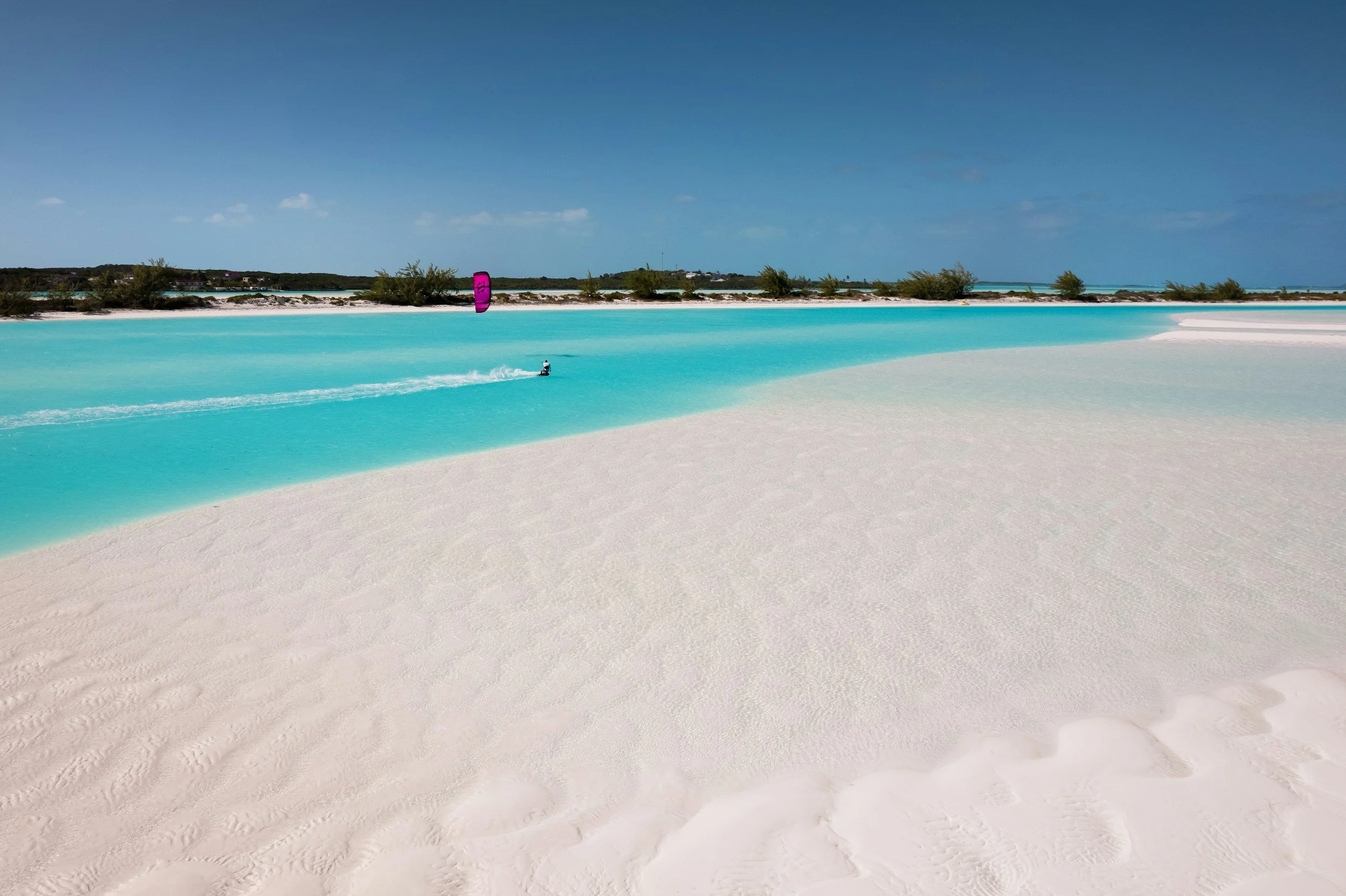
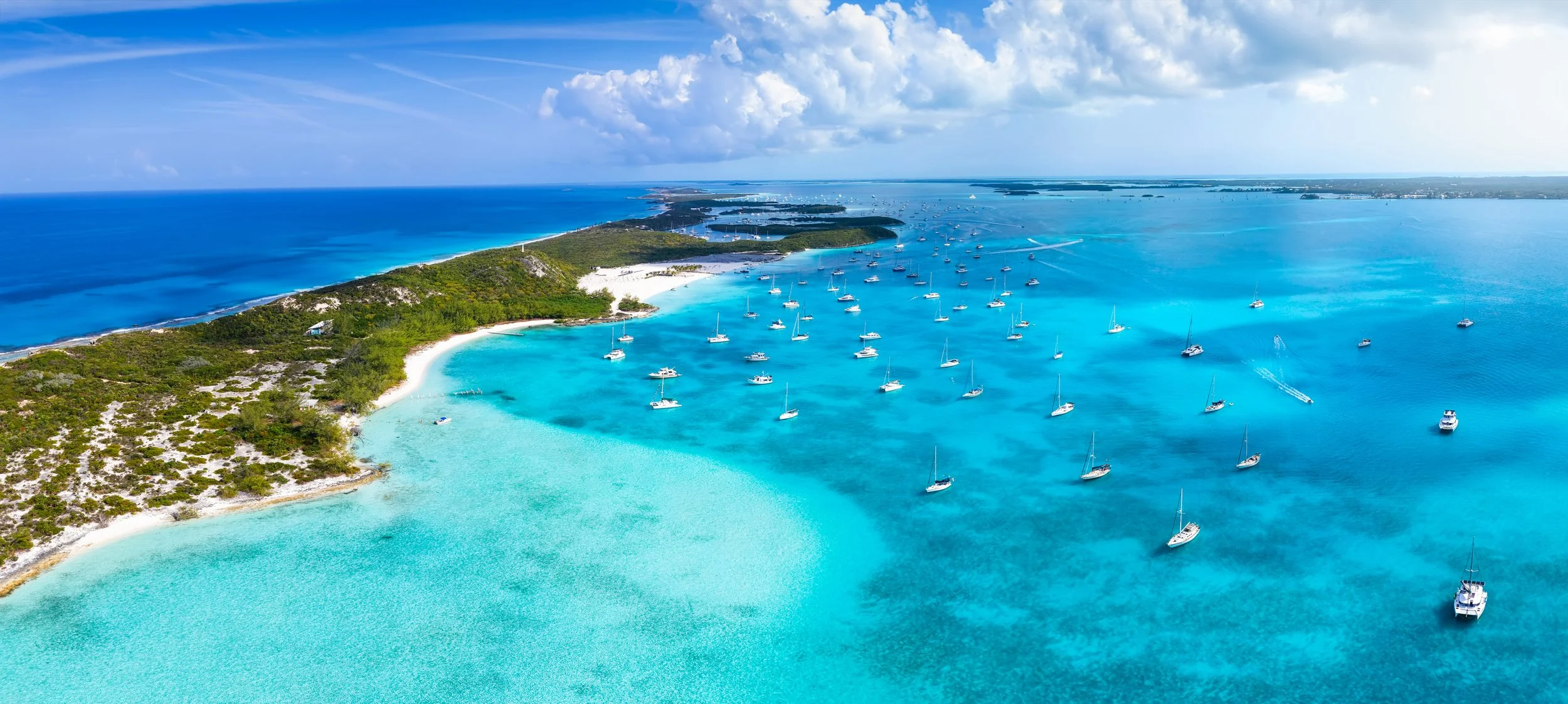
The Exumas exist for one reason: the water. Not just beautiful water — water so absurdly clear and electric that it resets your understanding of what the Caribbean can look like. This is a chain of 365 cays stretching across the Bahamas, and the best of them are only reachable by boat, which means the people who come here have already decided that beauty is worth the effort.
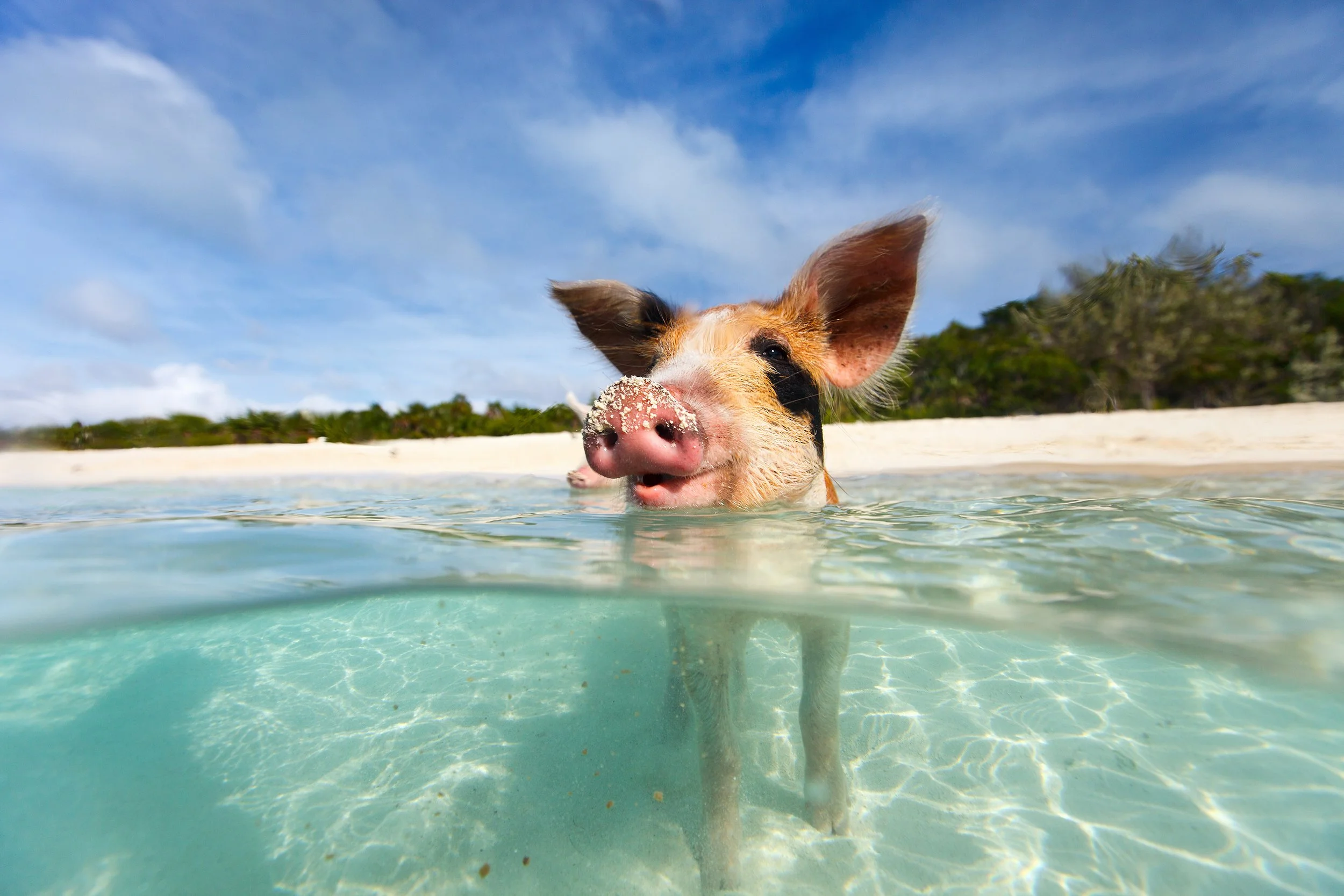
Days here begin on a dock, not a beach towel. You board a boat in the morning and spend hours drifting between sandbars that surface with the tide, cays with no footprints, and stops that have become iconic for good reason — Thunderball Grotto, the swimming pigs at Big Major Cay, nurse sharks circling in shallow water at Compass Cay. The light is relentless. The palette is white sand and electric blue in every direction.
This is not a polished Caribbean resort experience, and the difference is the point. There are no high-rises, no bustling restaurant rows, no beach clubs competing for attention. George Town is the only real town, and it's quiet. The Exumas trade convenience for immersion — fewer options, less noise, more of the thing you came for. Travelers who need variety or evening stimulation leave feeling the island was too empty. Travelers who came for the water leave feeling they found something the rest of the Caribbean can't match.
Best for travelers who prioritize water beauty and natural exploration over dining, nightlife, and walkable convenience — and who are willing to pay for boat access to experience a Caribbean that feels genuinely untouched. The Exumas are often recommended for couples, adventurous families, and boating enthusiasts seeking the region's most cinematic water.
This is The Exumas
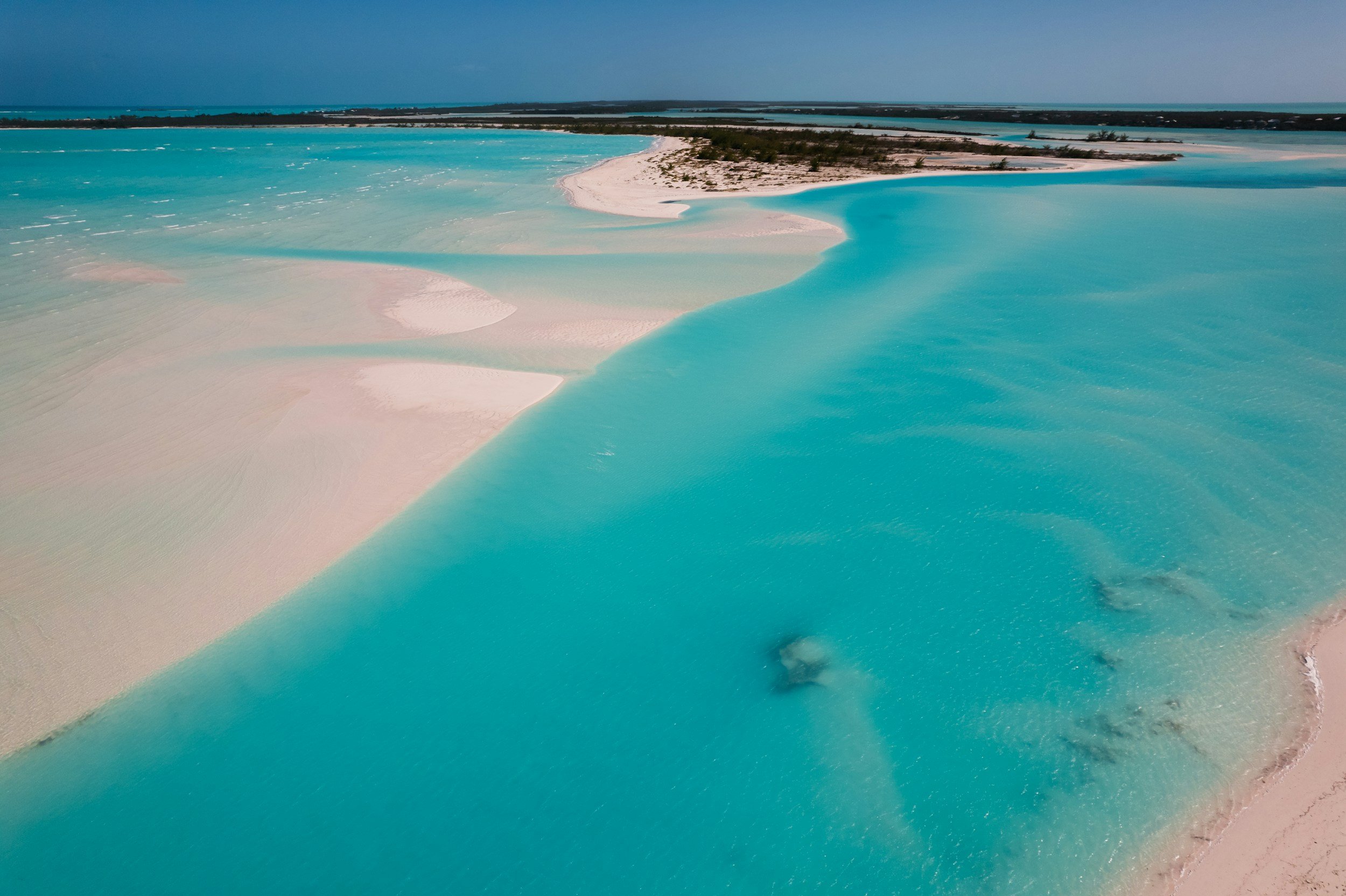
The light here is almost aggressive — bouncing off white sand and turquoise shallows until the whole world looks overexposed in the best way, and every cay feels like an island you invented.
Part of the Greater Caribbean Collection on TheTripThread — a destination reference system built for travelers deciding where they'll feel right, not just where to go. The Exumas are for travelers who value raw natural beauty over polished infrastructure.
Common Experience Patterns

The Exumas move on boat time, not road time. Most of the chain's signature moments — sandbars, swimming pigs, Thunderball Grotto — sit across open water from the nearest road, and George Town on Great Exuma is the only real hub for groceries, fuel, and supplies. Travelers who skip the boat budget often leave calling the islands "too quiet," not realizing they skipped the actual product.
The water dominates everything. Mornings are bright and still, the shallows glow electric blue by midday, and evenings are genuinely dark — no strip of beach bars, no restaurant row pulling you out after sunset. Chat 'N' Chill on Stocking Island is the closest thing to a social anchor, and it's a boat ride away. A beach day here means packing a cooler and choosing a sandbar, not walking to a lounge chair.
This is not a Caribbean destination that softens its edges for visitors. Currents around cuts and sandbars run stronger than they look, prices make more sense once you understand that everything arrives by boat or air too, and the cays offer almost nothing if you show up without a plan. The trade-off is real: less convenience, less variety, but water and solitude that the resort Caribbean cannot replicate.
Travelers consistently praise the water as the most beautiful they've seen anywhere, the locals as warm and direct, and the overall feeling as genuinely remote without feeling unsafe. What catches people off guard is the cost — boat tours, food, and accommodation all run higher than expected — and the quiet after dark. The Exumas tend to delight travelers who came specifically for the water and planned around the boat logistics; they frustrate travelers who expected a beach vacation with dining and evening options.
Locals Know — Stock up in George Town before heading to the cays. Grocery choice drops fast once you leave Great Exuma, and the cays operate on a different supply chain entirely. Residents emphasize this because visitors who skip it spend their trip overpaying for basics or going without.
Locals and repeat visitors alike describe The Exumas as the Caribbean at its most elemental and cinematic, especially for travelers who come specifically for boat-based exploration and world-class water, while those who prefer walkable towns, dining variety, and evening energy tend to feel the islands didn't give them enough to do.
Where we eat:
Dining in The Exumas is local, seafood-heavy, and limited by design. George Town's Fish Fry is the social dining hub — casual, affordable by Exuma standards, and where locals actually eat. On the cays, expect resort dining or whatever your rental kitchen can produce; fine dining doesn't really exist here.
Where we go:
Movement is by boat, full stop. A typical Exuma day involves a morning charter or tour through the cays — swimming pigs, Thunderball Grotto, nurse sharks, sandbars — followed by a quiet afternoon on the water or back at your base. George Town offers a handful of errands and the Regatta Park waterfront. Moriah Harbour Cay National Park rewards kayakers.
What we love:
The Exumas earn devotion through a single quality delivered at an extraordinary level: the water. Travelers describe it as the most visually stunning coastline in the Caribbean, and the sense of being somewhere genuinely remote — even when you're on a popular tour route — is what pulls people back.
About this section:
This section is built from publicly shared traveler perspectives and credible regional reporting. We treat it as sentiment and cross-check factual claims where possible. We intentionally limit dependence on review marketplaces where paid, promotional, or otherwise unrepresentative input can blur the picture.
Identity
Vibe Descriptors
Barefoot · Turquoise · Remote · Relaxed · Natural
……….
Core Audience
Travelers who want the Caribbean's most cinematic water and are willing to build a trip around boats, tours, and self-directed exploration to get it.
……….
Best For (Trip Types)
Romantic Getaways · Sailing & Boating · Nature & Wildlife · Adventure & Exploration
……….
Known For
A 365-cay archipelago of sandbars, electric-blue shallows, swimming pigs, and Thunderball Grotto — all accessible only by boat and virtually free of development.
……….
Trip Thread Theme(s)
Friction & Tradeoffs (Read This Before You Book)
Cost Pressure: The Exumas are expensive in a way that surprises even prepared travelers. Boat charters — the non-optional core of the trip — start around $3,900 for a full-day private excursion. Accommodation on the cays runs high with limited competition, and meals follow the same supply-chain premium. Budget travelers who choose The Exumas over a more accessible island will feel the friction daily.
Mobility / Getting Around: On Great Exuma, a rental car is effectively necessary — roads are long, there's no public transit, and taxis are limited. On the cays, movement is by boat, which means every destination change involves a charter, a tour, or a dinghy. Walking works on individual beaches but connects nothing to anything else.
Autonomy vs Structure: The Exumas reward planning over spontaneity. The best experiences require a booked tour or a rented vessel; you can't wander into them. George Town offers some flexibility for provisioning and casual exploring, but the cays are structured around pre-arranged boat days rather than roam-anywhere freedom.
Crowd Texture: Low–Medium overall. The swimming pigs at Big Major Cay and Thunderball Grotto draw concentrated tour traffic during peak hours, but the broader chain remains genuinely empty — sandbars with no one on them, cays you'll have to yourself. George Town sees moderate activity during the National Family Island Regatta in April. Unlike resort-heavy destinations, there is no cruise ship infrastructure shaping the social texture.
Culture Access: Cultural immersion is not the reason people come here. George Town has a friendly, small-town Bahamian feel, and the Regatta and Junkanoo are real cultural markers, but the cays offer almost no cultural infrastructure. English is spoken everywhere, which removes language friction, but the experience is nature-forward rather than culture-forward.
Variety Ceiling: This is where The Exumas either delight or frustrate. The signature experience — boat, water, sandbars, snorkel, repeat — is extraordinary but doesn't vary much day to day. Dining options are few, nightlife is a 1 out of 5 (Eddy's, Peace & Plenty, and the Fish Fry are the recurring options), and after-dark entertainment is essentially nonexistent. Travelers who want three distinct days choose a different island; travelers who want three perfect water days choose this one.
Sand & Sea Character
The Exumas deliver white sand at its finest — soft, fine-grained, and blindingly bright against the water. Most beaches are coral-derived, packed firm enough to walk comfortably, with no shell grit or volcanic grain to interrupt the texture. The sand is remarkably consistent across the chain: whether you're stepping onto a named beach near George Town or a no-name sandbar in the northern cays, the underfoot experience is the same powdery white. Base near George Town for provisioning access and day-tour convenience, or near Staniel Cay for direct proximity to the chain's most iconic stops — Big Major Cay, Thunderball Grotto, and the sandbars that define the destination's visual identity.
Water clarity in The Exumas is as close to perfect as the Caribbean offers — visibility regularly exceeds 30 meters over the shallow banks, and the color shifts from pale, almost white turquoise over sandbars to deeper electric blue where the shelf drops. The color difference is a depth story, not a clarity story: shallow white sand creates the signature glow, while deeper channels read darker even though the water is equally clear. Swimming conditions are genuinely calm across most of the protected leeward cays and sandbar areas — easy wading, easy floating, excellent for snorkeling — though currents around the cuts between cays and at sandbar edges run stronger than they appear and catch swimmers off guard regularly. The open Exuma Sound side of the chain is rougher, with more wave exposure and less of the still, postcard-flat surface. Travelers chasing the brightest turquoise water and easiest swimming should base near the western bank side; snorkelers and grotto explorers benefit from Staniel Cay's proximity to reef features; photographers and dramatic-coast seekers will find less material here than on volcanic Caribbean islands — The Exumas are all about the horizontal palette, not vertical drama.
Explore The Exumas — Map & Highlights
The Exumas don't unfold on foot — they unfold from a boat, one cay at a time. Exploring here means reading tide charts, choosing a route through the chain, and letting the water dictate the day's shape. There are no coastal roads connecting the highlights; each stop is a separate arrival by sea. Most visitors base on Great Exuma or Staniel Cay and radiate outward, returning to the same dock each evening. This map is intentionally curated to orient you geographically and help you decide where to base — it is not a checklist to conquer, and it doesn't attempt to capture every sandbar, beach, or snorkel spot in a 365-cay chain.
Beaches
The Exumas' beaches are boat-access by definition — most of the chain's best sand exists on uninhabited cays and shifting sandbars, not along a coastal road. The western bank side delivers the calmest, brightest turquoise conditions; the Exuma Sound side is rougher and less swim-friendly. Tropic of Cancer Beach on Great Exuma is the most accessible by car, while the sandbar near Pipe Creek and the beaches around Staniel Cay require a boat. Base near George Town for car-accessible beaches; base near Staniel Cay for boat-access beaches that define the destination.
Food & Drink
Dining in The Exumas is concentrated almost entirely in George Town — the Fish Fry strip, a handful of waterfront restaurants, and Peace & Plenty. On the cays, food is limited to resort restaurants, Chat 'N' Chill on Stocking Island (a boat-ride social anchor), and whatever you've provisioned yourself. There is no walkable restaurant cluster outside George Town. Base in George Town for the most dining variety; base on a cay only if you're comfortable with resort meals or self-catering.
Activities
Activity planning in The Exumas revolves around a single axis: the boat day. Most visitors book a full-day or half-day tour through the cays — swimming pigs, Thunderball Grotto, nurse sharks, sandbars — and that tour is the trip's centerpiece. Kayaking at Moriah Harbour Cay National Park and bonefishing on the flats offer quieter alternatives. Activity density is highest in the Staniel Cay corridor. Base near Staniel Cay for the shortest boat rides to the marquee stops.
Where to Stay in The Exumas
The Exumas are not a single destination with neighborhoods — they're a chain, and where you base determines what kind of trip you have. George Town on Great Exuma is the only real town with services, groceries, and road access. Staniel Cay is the gateway to the chain's most famous stops. The private cays offer full seclusion at a premium. Below, The Trip Thread has listed the best areas to stay in The Exumas — each offering a different balance of privacy, scenery, and local character. Each area is located on the above map for easy exploration.
George Town — The Mainland Hub
George Town is where practical life happens in The Exumas. It's the only area with grocery stores, gas stations, rental car agencies, and a small cluster of restaurants and bars. The pace is quiet and Bahamian — friendly, unhurried, and genuinely local. Staying here means you'll provision easily, eat at the Fish Fry, and launch day tours from the main harbor. The trade-off is distance: the chain's iconic cays and sandbars are a full boat day away, and the immediate beaches, while pretty, don't deliver the electric-turquoise experience visitors came for.
Why stay: Best access to town services, dining, and tour departures — the most practical base for first-timers who want a comfortable home anchor.
Why not: The marquee Exumas experiences are hours away by boat, and the George Town waterfront doesn't deliver the visual intensity of the cays.
Staniel Cay — The Adventure Gateway
Staniel Cay is where the iconic Exumas begin. It's a tiny settlement with a yacht club, a couple of small restaurants, and direct proximity to Big Major Cay (swimming pigs), Thunderball Grotto, Compass Cay (nurse sharks), and the sandbars that define the destination's visual identity. Staying here puts you minutes from the chain's most famous stops instead of hours. The trade-off is real: there are no grocery stores, no car roads, and limited dining — life here revolves entirely around the water.
Why stay: Direct access to the Exumas' signature experiences with minimal boat transit — the base for travelers who want to maximize time in the cays.
Why not: No town infrastructure, very limited dining, and a sense of isolation that can feel constraining after two or three days.
Fowl Cay — Boutique Seclusion
Fowl Cay is a private-island resort near Staniel Cay that offers an all-inclusive-style experience in the heart of the chain — your own boat, guided excursions, meals included. It eliminates the logistics that define most Exumas trips. The setting is stunning, the service is personal, and the privacy is absolute. The trade-off is cost and control: Fowl Cay is expensive even by Exuma standards, and the experience is curated rather than self-directed.
Why stay: Logistics-free access to the best of the cays with boutique privacy — ideal for couples and honeymooners who want the Exumas without the planning.
Why not: Premium pricing, and the curated structure may feel limiting for travelers who want to explore independently.
Stocking Island — The Social Anchor
Stocking Island sits across Elizabeth Harbour from George Town and is home to Chat 'N' Chill — the closest thing The Exumas have to a communal social hub. The beach is excellent, the water is clear, and the vibe is relaxed and communal. Some visitors stay in rentals on the island itself, trading town access for a quieter, more beach-embedded rhythm. The trade-off is isolation: getting to George Town means a water taxi, and the island offers nothing beyond the beach and the bar.
Why stay: Beautiful beach setting with a social, communal atmosphere — the best option for travelers who want clear water and company without full cay remoteness.
Why not: No services, no dining beyond Chat 'N' Chill, and water-taxi dependence for every errand.
Practical Snapshot
-
December through May is the sweet spot — dry, warm, and outside hurricane season. January through March draws the most visitors and the highest prices, but the weather is near-perfect. April brings the National Family Island Regatta to George Town, which adds energy if that's your thing and crowds if it isn't. June through November carries hurricane risk, though September and October are the months to genuinely avoid. Shoulder months like November and early December offer lower prices with reasonable weather.
-
The Bahamian dollar is pegged one-to-one with the US dollar, and both are accepted everywhere. Credit cards work at hotels and restaurants in George Town and at the yacht clubs, but the cays are more cash-dependent — bring enough for tips, small purchases, and boat crews.
-
English is the native language across The Exumas and all of The Bahamas. Communication is completely frictionless for English speakers. Bahamian English has its own rhythm and expressions, but there's no language barrier in any practical sense.
-
Most visitors fly into Great Exuma's Exuma International Airport (GGT), with direct service from Miami and Atlanta via American Airlines and Delta, plus domestic connections on Bahamasair and Western Air from Nassau. Staniel Cay (TYM) is reachable via Makers Air with scheduled daily flights from Fort Lauderdale — it's not charter-only. From GGT, George Town is about a 15-minute drive. Getting from Great Exuma to Staniel Cay requires a boat charter or a separate flight.
-
The Exumas run expensive, and the boat-dependent structure makes it harder to control costs than on most Caribbean islands. Local lunches at the Fish Fry = 💲, mid-range George Town hotels = 💲💲💲, cay resorts and private charters = 💲💲💲💲. The cost that surprises most visitors is the boat day itself — the non-optional centerpiece of the trip — which starts around $3,900 for a private full-day charter, with group tours running lower but still significant.
-
The Exumas after dark are genuinely quiet. George Town offers Eddy's Edgewater, Peace & Plenty, and the Fish Fry strip for drinks and occasional weekend music, but nothing approaches a "scene." On the cays, nightlife doesn't exist. This is a destination where evenings mean stargazing, early sleep, or drinks on a rental porch — and most visitors who come here prefer it that way.
-
On Great Exuma, rent a car — there's no public transit, no rideshare, and taxis are scarce and expensive. The island is about 60 miles long, and walking doesn't connect anything useful. On the cays, movement is entirely by boat: chartered, rented, or arranged through your accommodation. Budget for boat transport as a daily expense, not an occasional splurge.
-
The Exumas are very safe by Caribbean standards — low crime, friendly residents, and no areas that require active avoidance. The real safety considerations are water-based: currents around cuts and sandbar edges run stronger than they appear, and a 2025 boat-strike incident prompted local attention to maritime safety. Respect the water, listen to your captain, and don't swim in unfamiliar cuts without guidance.
For solo travelers, the safety environment is welcoming, but the logistics create a different kind of friction — boat tours are priced per charter rather than per person, and the remote cays can feel isolating without company. Solo travelers report feeling safe but recommend George Town as a base for its relative social life.
For LGBTQ+ travelers, same-sex relations are legal in The Bahamas (decriminalized in 1991), but the country remains socially conservative. Travelers generally report the fewest issues in resort and tourist settings — George Town, the yacht clubs, and the cay resorts. Discretion is advisable outside those contexts, particularly in local community settings.
-
Tap water on Great Exuma is safe but tastes mineral-heavy; most visitors buy bottled. Power outages happen occasionally — the cays run on generators and increasingly on Starlink for Wi-Fi. Sundays are quiet even by Exuma standards; plan provisioning for Saturday. Mosquitoes and sand flies (no-see-ums) are a real nuisance, particularly after rain and near mangroves — bring strong repellent and plan for it. Cell coverage is good in George Town via BTC but drops to spotty-to-nonexistent on the outer cays.
-
The Exumas Cays Land and Sea Park — the first of its kind in the Caribbean — protects a significant stretch of the chain as a no-take marine reserve, and it's a major reason the water clarity and marine life remain exceptional. Conch harvesting is heavily regulated. Visitors should avoid touching coral, feeding wildlife beyond designated interaction points, and leaving anything behind on the cays. The swimming pigs are a managed attraction, but the broader ecosystem depends on visitors treating the chain as the protected environment it largely is.
Compare Similar Caribbean Destinations
Thinking about The Exumas, Abaco, or Turks & Caicos? Here’s how these greater Caribbean destinations differ in rhythm and culture.
THE EXUMAS
Vibe & Energy: Quiet, boat-paced days defined by water and open sky — the Caribbean at its most elemental and unhurried.
Dining & Culture: Seafood-focused and limited; the Fish Fry in George Town is the social dining anchor, and the Regatta is the cultural high point.
Cost & Crowds: Expensive once boat charters are factored in, but the cays themselves feel empty and undeveloped.
Accessibility: Flights to Great Exuma via American and Delta; Staniel Cay via Makers Air from Fort Lauderdale. Boat transit between bases.
Nightlife / Social Scene: Near-silent after dark. A drink at Peace & Plenty or Eddy's is the ceiling.
Best For: Couples and small groups who came specifically for the water and are willing to pay for boat access to get it.
ABACO
Vibe & Energy: Warmer and more social than The Exumas — pastel harbor towns, beach bars with weekend energy, and a lively island-hopping rhythm.
Dining & Culture: Stronger cultural texture through Loyalist settlements, Junkanoo, and a more developed food-and-bar scene across the cays.
Cost & Crowds: More moderate pricing with cottage and inn options; low tourism saturation, though ferry logistics require planning.
Accessibility: Flights to Marsh Harbour; ferries connect the main cays. Golf carts replace cars on most islands.
Nightlife / Social Scene: Livelier than Exumas — beach bars on Great Guana Cay and Hope Town carry genuine social energy on weekends.
Best For:Families and independent travelers who want Bahamian boat life with more town character and social warmth.
TURKS & CAICOS
Vibe & Energy: Polished and serene — Grace Bay delivers the Caribbean's most pristine beach experience in a resort-anchored, walkable format.
Dining & Culture: Stronger dining scene than The Exumas, with fine-dining options on Providenciales, though cultural depth is thin.
Cost & Crowds: Expensive and high-saturation on Providenciales; Grand Turk introduces a completely different cruise-port dynamic.
Accessibility: Direct flights from major US, Canadian, and UK cities to Providenciales. No inter-island boat logistics required.
Nightlife / Social Scene: Quiet but present — resort bars and a handful of restaurants keep evenings from going fully dark.
Best For: Couples and families who want world-class water and sand with zero logistics friction and polished resort infrastructure.
Pick The Exumas if: you want the Caribbean's most cinematic water and don't mind building your trip around a boat to earn it.
Pick Abaco if: you want boat-based island life with more town personality, social energy, and cultural texture.
Pick Turks & Caicos if: you want equally stunning water with walkable convenience, resort polish, and no boat dependency.
Tie-breaker: how much logistics are you willing to trade for solitude and visual intensity?
Local Truths
In The Exumas, "the beach" is often a boat ride away. Locals say this upfront because visitors regularly arrive expecting drive-up access to the sandbars and cays that drew them here, and the disappointment hits hard when it doesn't work that way.
~~~~~
George Town is where residents tell people to stock up — groceries, fuel, supplies — because once you start moving through the cays, choice drops fast and prices climb. Skipping this step is one of the most common first-timer mistakes locals mention.
~~~~~
Currents around cuts and sandbars can look calm from the boat and turn strong quickly. Locals are more cautious about "just hop in here" swimming than visitors expect, and the 2025 boat-strike injury in Exuma waters reinforced why guides emphasize staying close to the group.
~~~~~
Chat 'N' Chill on Stocking Island is not a hidden local gem — it's a known social stop, and residents treat it as part of the standard Exuma water day, not a discovery. Expect company, not solitude.
~~~~~
Exuma prices make more sense once you understand the supply chain: locals routinely point out that food, fuel, and boat costs all arrive by boat or air too, and that what feels like overcharging is often just the cost of operating on a remote cay.
~~~~~
Visitors who skip the boat budget often leave feeling the island was "too quiet" or "not enough to do," and locals will usually say those travelers skipped the actual product. The Exumas without boat time is a fundamentally different — and far less satisfying — trip.

The Exumas Travel Questions, Answered
Here's what travelers most often ask before booking The Exumas — answered clearly, with no hype.
1. Are The Exumas expensive?
Yes, and more so than most visitors expect. The Exumas are a $$$–$$$$ destination once boat charters, cay accommodation, and meals are factored in. The biggest cost surprise is the boat day itself — the trip's centerpiece — which runs into the thousands for a private charter. George Town offers modestly lower costs for lodging and dining, but budget travel in The Exumas requires real trade-offs in experience.
2. When's the best time to visit?
December through May offers the most reliable weather — warm, dry, and outside the hurricane window. Peak season runs January through March with the highest prices and most boat-tour availability. April brings the National Family Island Regatta to George Town, which is worth planning around if you enjoy local events. Avoid September and October for storm risk.
3. Which area or coast should I stay on?
George Town on Great Exuma is the practical base — groceries, restaurants, car rentals, and tour departures. Staniel Cay puts you minutes from swimming pigs, Thunderball Grotto, and the signature sandbars, but with almost no town infrastructure. Fowl Cay offers private-island luxury. The choice comes down to convenience versus proximity to the chain's most famous stops.
4. Do I need a car?
On Great Exuma, yes — the island is long, there's no public transit, and taxis are limited. On the cays, no — movement is by boat. A rental car in George Town combined with booked boat tours is the most common setup. Budget for both as separate line items.
5. Is it safe for solo or LGBTQ+ travelers?
For solo travelers, The Exumas are physically safe — low crime and friendly locals. The friction is logistical and financial: boat charters are priced per vessel, not per person, and the cays can feel isolating alone. Solo travelers consistently recommend George Town as a base for its relative social life and tour-departure access.
For LGBTQ+ travelers, same-sex relations are legal in The Bahamas since 1991, but social attitudes remain conservative. Resort and tourist settings — George Town, the yacht clubs, Fowl Cay — are the most comfortable environments. Discretion is advisable in local community contexts outside those areas.
6. How does it compare to nearby islands?
The Exumas share DNA with Abaco and Turks & Caicos but deliver a distinctly different trip. Abaco offers more town character, social energy, and cultural texture with a similar boat-life rhythm. Turks & Caicos matches the water quality in a walkable, resort-polished format with zero boat logistics. The Exumas sit between them — more remote than either, more visually extreme, and more demanding of the traveler.
Why This Guide Changes With the Island
The Exumas never stay still — new boat tour operators appear, cay resorts change hands, sandbar shapes shift with the tides, and the swimming pig experience evolves as tourism grows. This guide evolves with it. Locals share updates, travelers add discoveries, and we keep refining what you see here so every detail reflects the island as it is now — not a memory of what it used to be.
If The Exumas speak to you, two other destinations share threads of the same appeal. Abaco delivers Bahamian boat life with warmer town character, and Turks & Caicos matches the water in a polished, walkable resort format.
Find Your Thread
Every traveler connects differently. Maybe The Exumas are your match — barefoot, boat-paced, and built around the most extraordinary water in the Caribbean. Maybe your rhythm lives somewhere else in the collection. Either way, this is what The Trip Thread is about: rediscovering the joy of travel, and the element of discovery that should accompany it. Explore more islands across the Greater Caribbean and see how your travel vibe connects through TheTripThread.Guided by locals. Designed for discovery.