By Kelly Mcatee | TheTripThread | Last Updated March 2026
Turks & Caicos
Where turquoise comes in every shade but loud.
Tranquil Luxury | Sail & Sea Life | Romance & Connection | Hidden Horizons
Best for travelers who choose quiet, shallow-blue expanses over high-density beach scenes — couples, sailors, and slow-seekers who want space, softness, and clarity.
Not for travelers who crave nightlife, street culture, or endless restaurant variety — this is an island of space and stillness rather than movement and momentum.
☀️ Best months: Dec–Apr 💲Average cost: $$$$ 🕶️ Vibe: Pristine & unhurried
The Reality Check (Read This Before You Book)
Turks & Caicos is a "repeat the perfect day" island — calm, shallow turquoise water and quiet beach time are the point. Most of what you'll do here is some version of the same thing: wade in, float, eat somewhere simple, and do it again tomorrow. For the right traveler, that's not a limitation — it's exactly what the trip is for.
The biggest misconception: that Turks & Caicos is a well-rounded Caribbean destination with cultural depth and dining variety you'll discover as you explore. It isn't. The experience is deliberately narrow: the beach is extraordinary, the water is genuinely among the best in the world, and almost everything else is thin. Some travelers leave feeling it lacks soul. That's a legitimate response, not a complaint.
A few things worth knowing before you commit:
If budget is a concern, Turks & Caicos will strain it. This is one of the most expensive destinations in the collection with no budget layer underneath — accommodation, food, and activities all reflect a high-cost import economy.
If nightlife, street culture, or an active after-dark scene matters, the island scores among the lowest in the collection for evening options. Nights here end quietly and early.
If authentic local Caribbean character is what you're seeking, the cultural immersion score is the lowest in the collection. The island's identity is built around the resort experience rather than community life.
If you're planning to visit Grand Turk rather than Providenciales, note that these are two very different islands — Grand Turk is cruise-port oriented while Providenciales is the luxury beach destination. Most travelers booking "Turks & Caicos" are booking Provo.
Travelers who love Turks & Caicos most arrive knowing exactly what they've chosen — and find the water alone justifies every dollar.
Why You’ll Love It
Turks & Caicos is for travelers who want the Caribbean at its quietest and clearest. The weather stays steady, the water stays shallow and calm, and the overall rhythm is gentler than almost anywhere else in the region. You come here for space — space between resorts, space on the sand, and space in your mind. It’s the rare island where stillness isn’t something you hunt for; it’s the default.
What you’ll feel first is the color. Not just turquoise, but a gradient that runs from pale-mint shallows to deep-blue channels — a palette so soft it makes the entire island seem slower. Beaches are wide and clean, currents are mild, and the sea remains swimmable nearly every day of the year. Even at its liveliest, Turks & Caicos never loses its sense of quiet clarity. Meals stretch long, conversations run easy, and the light itself seems to linger.
Unlike the high-rise resort hubs of the Caribbean, Turks & Caicos avoids the noise, congestion, and cruise-oriented energy that often reshape an island’s character. Development stays low and understated, nightlife stays subtle, and authenticity isn’t something you have to search for — it’s simply how the island operates. Safety is high, the atmosphere is relaxed, and the culture leans toward kindness over performance. What the island is genuinely honest about — and what Col 70 confirms — is that some travelers leave feeling it lacks soul. There's no local market to wander, no live music spilling from neighborhood bars, no street food scene or cultural landmarks. The experience is the beach and the water, and travelers who need more than that to feel a destination is complete will feel the gap.
Best for travelers who want the Caribbean's most pristine beach experience in its quietest form — drawn to Turks & Caicos's extraordinary shallow water and unhurried pace over islands that require more activity, cultural engagement, or after-dark energy to feel worth the trip.
This is Turks & Caicos
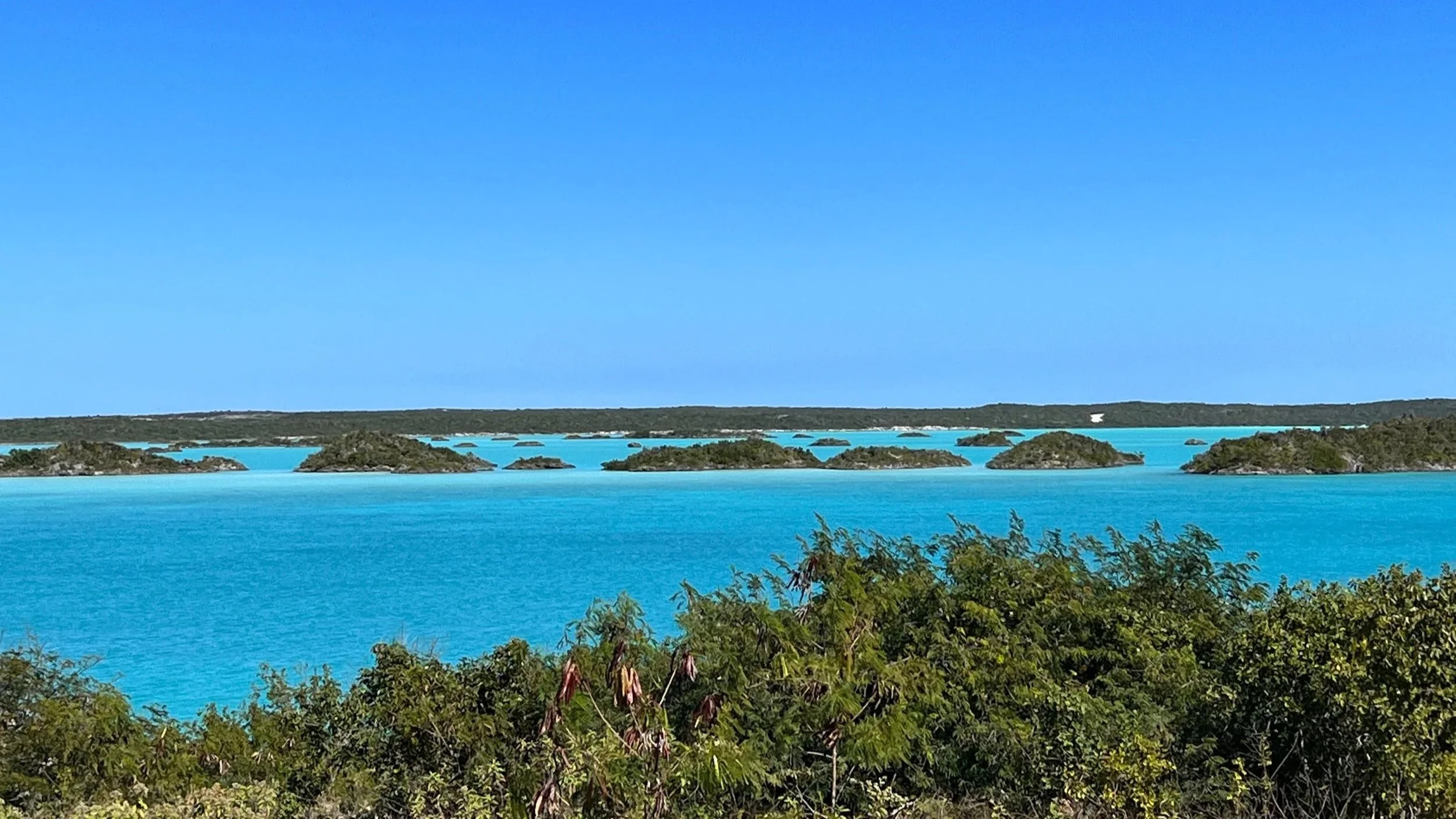
A world of pale-blue shallows, soft horizons, and quiet beaches that feel untouched even at their busiest — Turks & Caicos is the Caribbean distilled to its purest beach form.
Part of the Greater Caribbean Collection on TheTripThread — a destination reference system built for travelers deciding where they'll feel right, not just where to go. Turks & Caicos is for travelers who value extraordinary water, unhurried pace, and an island that delivers exactly what it promises and nothing it doesn't.
Common Experience Patterns

Turks & Caicos is defined by two things that shape every day: the quality of the water and the limits of what surrounds it. The practical reality worth establishing early is that "Turks & Caicos" means Providenciales for most travelers — and Provo is a very different place from Grand Turk, which operates primarily as a cruise port with a completely different character. Travelers who confuse the two arrive with the wrong expectations. A rental car is recommended for reaching the quieter beaches, local restaurants, and the Thursday Night Fish Fry on Provo; taxis cover Grace Bay but add up quickly for anything beyond the immediate resort corridor.
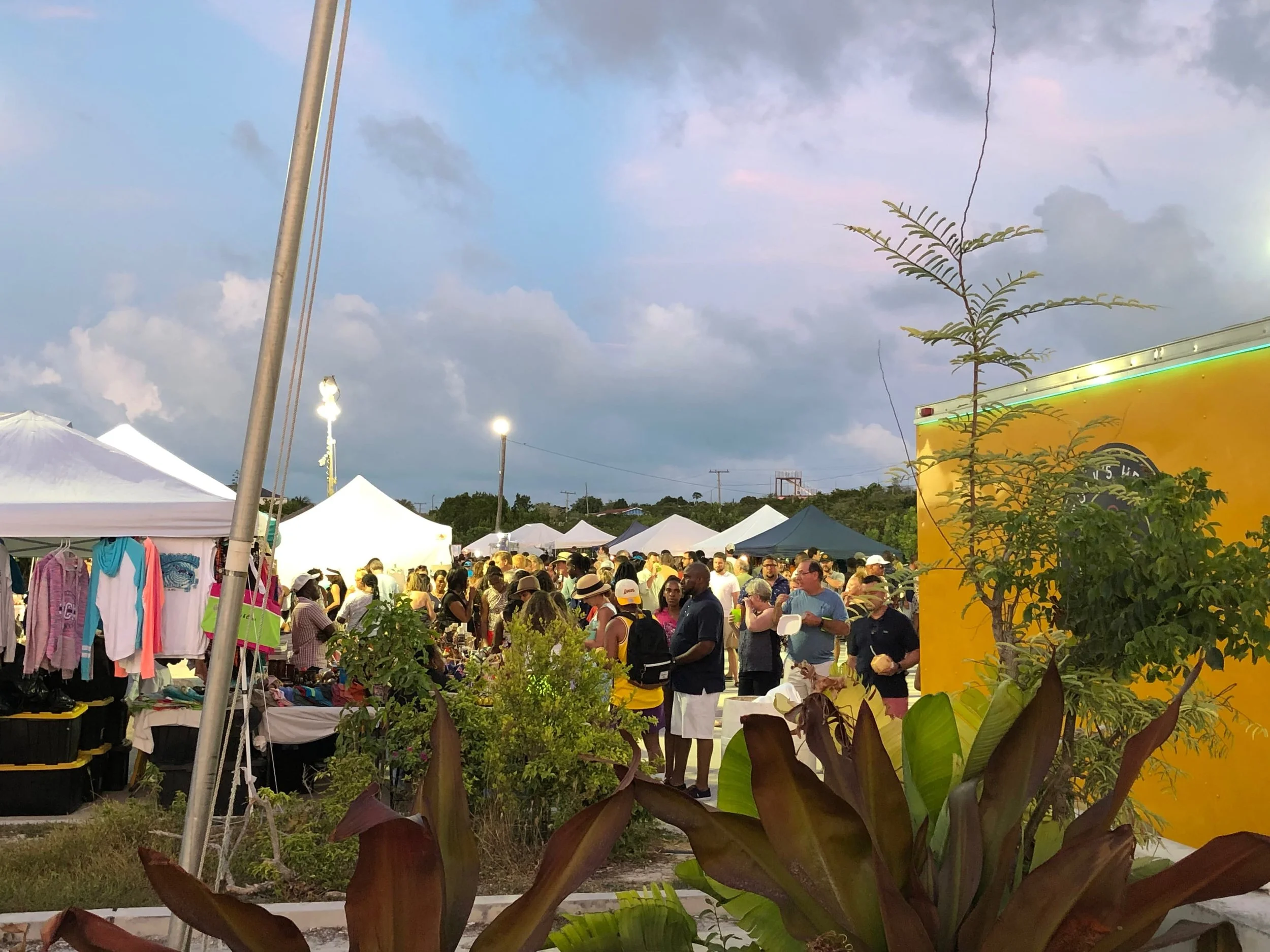
Grace Bay sets the island's daily tempo — pale sand, glassy water, and a beach pace so consistent it begins to feel like weather. Long walks, long swims, long lunches. Afternoons drift from shade to water and back, and evenings wind down early in a way that takes adjustment on the first night and feels natural by the third. The island's social energy is concentrated around a handful of beach bars and casual dinner tables rather than a nightlife corridor — the Thursday Night Fish Fry in the south is the closest thing to a community gathering, and locals treat it as exactly that rather than a tourist attraction.
What Turks & Caicos doesn't offer is worth stating without softening: cultural depth here scores among the lowest in the Greater Caribbean Collection. There is no local market scene, no live music in neighborhood bars, no street food culture, no heritage district worth wandering. Some travelers describe the island as an extraordinary beach that happens to have an expensive resort surrounding it. That's not unfair. The experience is intentionally narrow, and the beach and water are doing almost all the work — which is more than enough for the right traveler, and clearly not enough for others.
Locals Know — The Thursday Night Fish Fry near Cheshire Hall on Providenciales is a genuine weekly community event, not a staged tourist experience. Locals treat it as a neighborhood gathering that visitors are welcome to join rather than an attraction built for them. Arriving early, ordering simply, and staying for the music is the right approach — treating it as a premium dining experience or arriving with resort expectations misses the point entirely.
Locals and repeat visitors describe Turks & Caicos as the Caribbean at its most serene and visually pure — especially for travelers who want world-class shallow water and an unhurried pace without noise or cultural complexity — while those seeking authentic Caribbean character, local texture, or value outside the resort corridor tend to find the island's polish more isolating than restful.
Where we eat:
Dining in Turks & Caicos concentrates along Grace Bay's resort corridor, where the range runs from casual beachside spots to polished dinner tables. Prices reflect the island's overall cost level throughout. The more interesting and affordable eating happens away from the resort strip — local conch shacks, the Thursday Night Fish Fry, and neighborhood spots in Providenciales's residential areas offer a genuinely different version of the island's food culture. A rental car is the practical requirement for finding those options rather than staying within the resort zone.
Where we go:
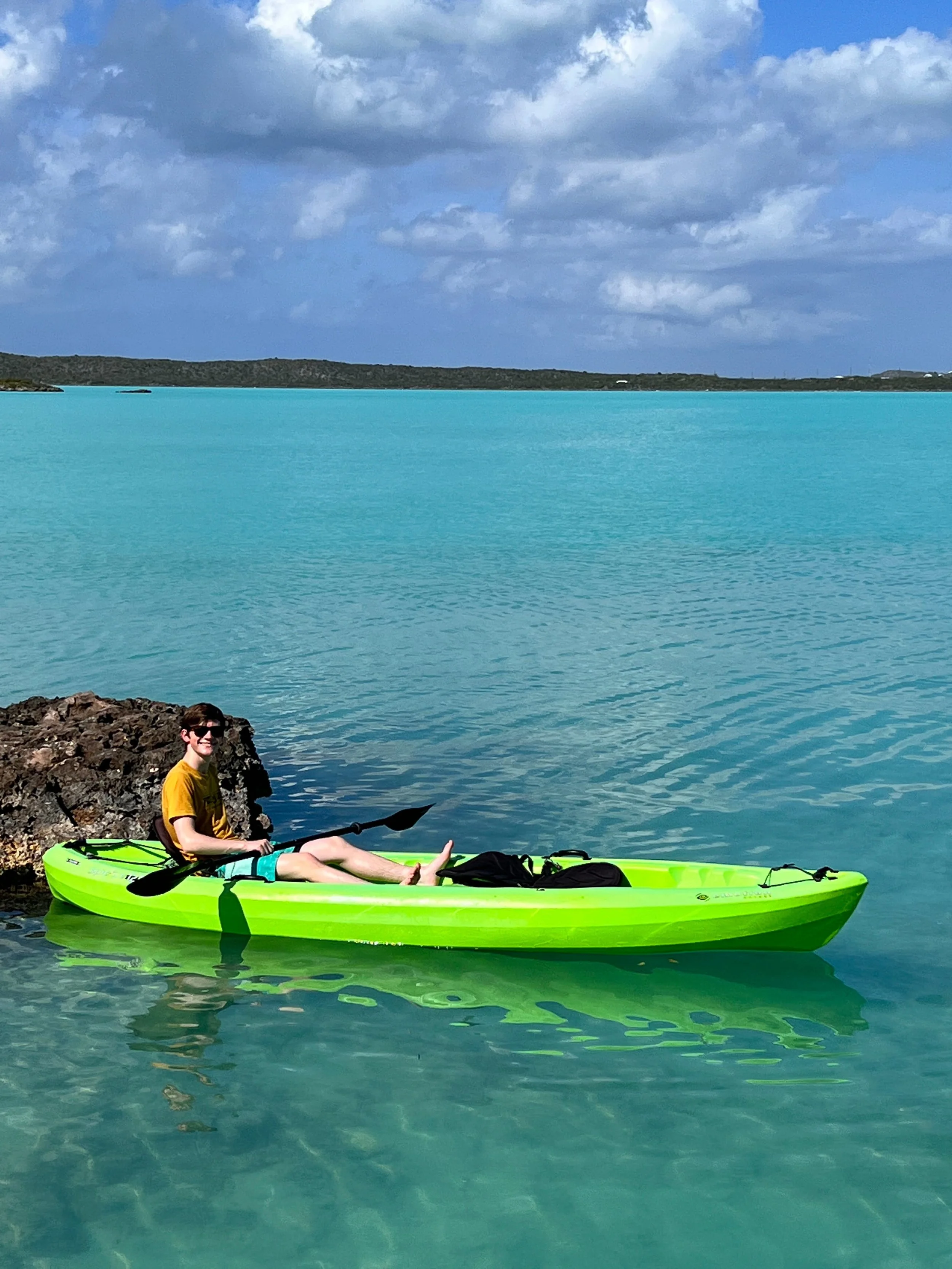
Most days on Turks & Caicos are structured around the water — Smith's Reef for accessible shore snorkeling, the Caicos Banks for shallow wading and kayaking, Little Water Cay for iguana spotting on a short boat excursion. Chalk Sound is worth a dedicated visit for the lagoon scenery even if you're not staying there. The island rewards travelers who lean into repetition — the same beach at different times of day, the same shallow water in different light — rather than trying to check off new experiences daily.
What we love:
What Turks & Caicos consistently delivers is the Caribbean's most visually pure beach experience. The water clarity and color genuinely stand apart from almost anywhere else in the collection. For travelers who have been chasing that specific shade of shallow turquoise across multiple Caribbean trips, this is typically where they stop looking.
"If you're looking for a quieter beach experience with crystal-clear, shallow waters — that's what makes Turks & Caicos so unforgettable." — Redditor, r/TurksAndCaicos
About this section:
This section is built from publicly shared traveler perspectives and credible regional reporting. We treat it as sentiment and cross-check factual claims where possible. We intentionally limit dependence on review marketplaces where paid, promotional, or otherwise unrepresentative input can blur the picture.
Identity
Vibe Descriptors
Calm • Clear-minded • Spacious • Unhurried • Softly luxurious
……….
Core Audience
Travelers who seek quiet water, privacy, and effortless relaxation — people who choose space and stillness over stimulation or scene.
……….
Best For (Trip Types)
Romantic & Couples • Wellness & Retreats • Luxury & Indulgence • Sailing & Boating
……….
Known For
Shallow turquoise banks, calm year-round seas, soft white sand, understated luxury, and an island rhythm that stays peaceful even in peak season.
……….
Trip Thread Theme(s)
Friction & Tradeoffs (Read This Before You
Cost Pressure: Turks & Caicos carries the highest cost barrier of any destination in this collection. Accommodation along Grace Bay runs at top-tier Caribbean pricing, nearly all food and supplies are imported, and dining reflects that cost structure throughout — from casual beach spots to polished dinner tables. All-inclusives are limited, which means most travelers build costs independently. There is no budget layer underneath the luxury experience here: no guesthouse network, no cheap street food corridor, no hostel option. Travelers who arrive expecting to find value alongside the luxury tend to be consistently surprised. Those who budget generously and lean into local spots for some meals find the value proposition more genuine.
Mobility / Getting Around: Grace Bay is walkable enough for travelers anchored to that corridor — resorts, a few shops, and dining are within a reasonable walk or short taxi ride. Outside Grace Bay, a rental car is the practical requirement for reaching quieter beaches, local restaurants, and any part of the island that feels meaningfully distinct from the resort strip. Driving is on the left. Roads on Providenciales are well-maintained in the main areas. Taxis are available but add up quickly for daily use beyond the immediate vicinity. Note: Providenciales and Grand Turk are separate islands with very different characters and different airports — most visitors book Providenciales, not Grand Turk.
Autonomy vs Structure: Turks & Caicos is more passively structured than it appears. Within the Grace Bay resort corridor, the day organizes itself around beach, meals, and scheduled excursions — but stepping outside that corridor into the island's quieter or more local-facing areas requires a car and deliberate intent. Unlike a truly self-directed island where exploration rewards curiosity, here the best pockets are the resort beach and the water — and finding the local Fish Fry or the quieter south-coast beaches takes the same planning effort for a meaningfully smaller reward in variety.
Crowd Texture: Grace Bay's beach rarely feels overcrowded in the traditional sense — the sand is wide, resort spacing is generous, and the overall tourism density stays lower than the island's reputation might suggest. What high season brings is full resort occupancy and advance booking pressure rather than beach congestion. Grand Turk, which is separate from Providenciales, sees heavy cruise ship traffic that creates a completely different crowd dynamic — travelers booking Turks & Caicos for its quiet reputation and accidentally visiting Grand Turk on a cruise day experience a jarring disconnect.
Culture Access: Cultural immersion here is the lowest in the Greater Caribbean Collection. The island's identity is built around the resort experience rather than community life, and the gap between what visitors encounter and how locals actually live is wide and largely uncrossable without specific effort. English is universal, locals are warm, and the Thursday Night Fish Fry provides a genuine window into community rhythm — but travelers seeking a Caribbean destination with cultural depth, heritage landmarks, or a living local scene will find almost none of that here.
Variety Ceiling: Four to seven days is the natural range before the island's singular offering begins to repeat. Grace Bay is extraordinary, but it's one beach with one character — even with day trips to other coves and the occasional snorkel excursion, the experience is fundamentally the same beautiful thing repeated. Travelers who find that meditative will leave refreshed; those who need new stimulation daily will hit the ceiling by day three. Turks & Caicos makes no pretense about this — the island does one thing exceptionally well, and it doesn't apologize for the narrow range.
Sand & Sea Character
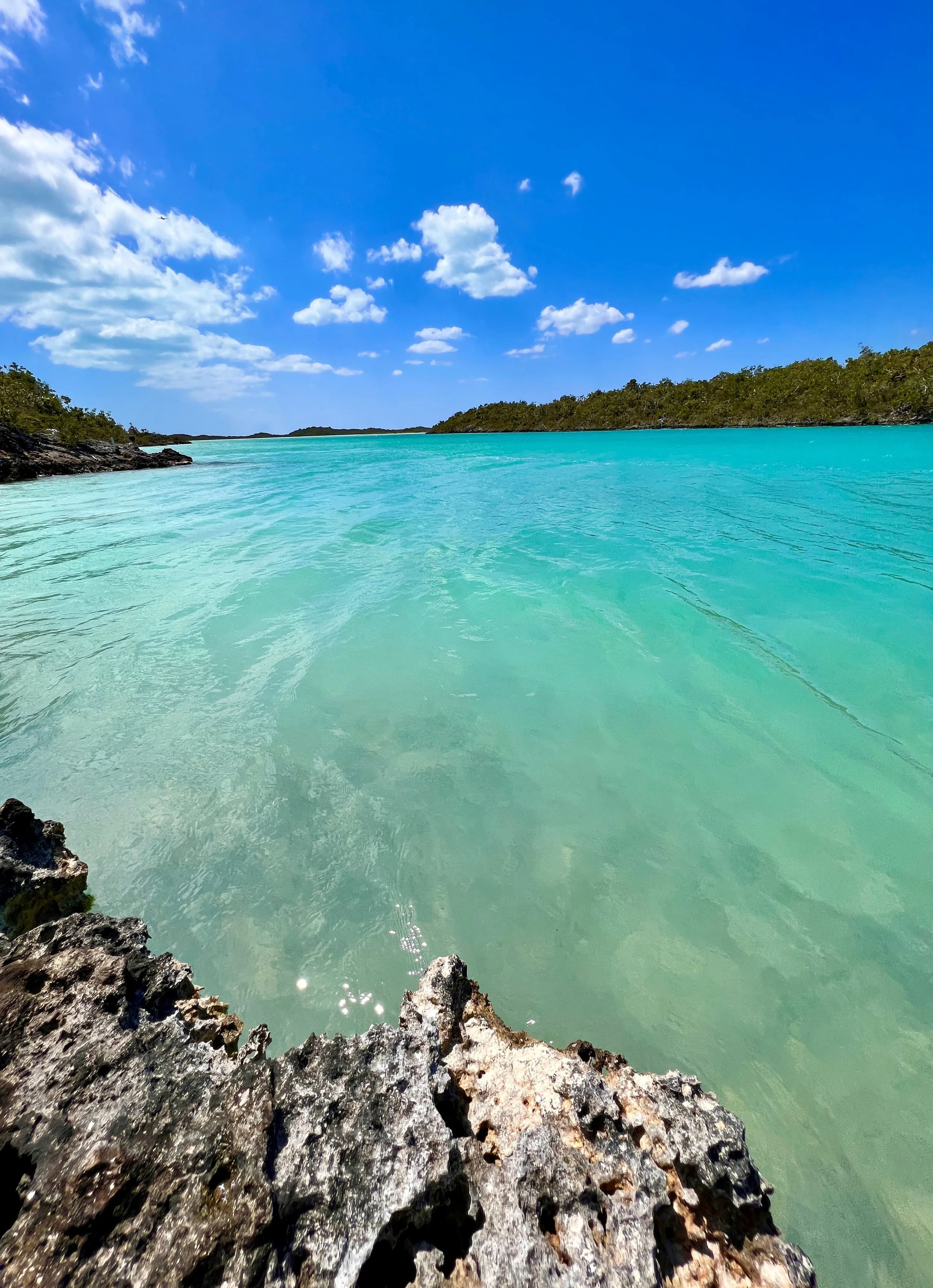
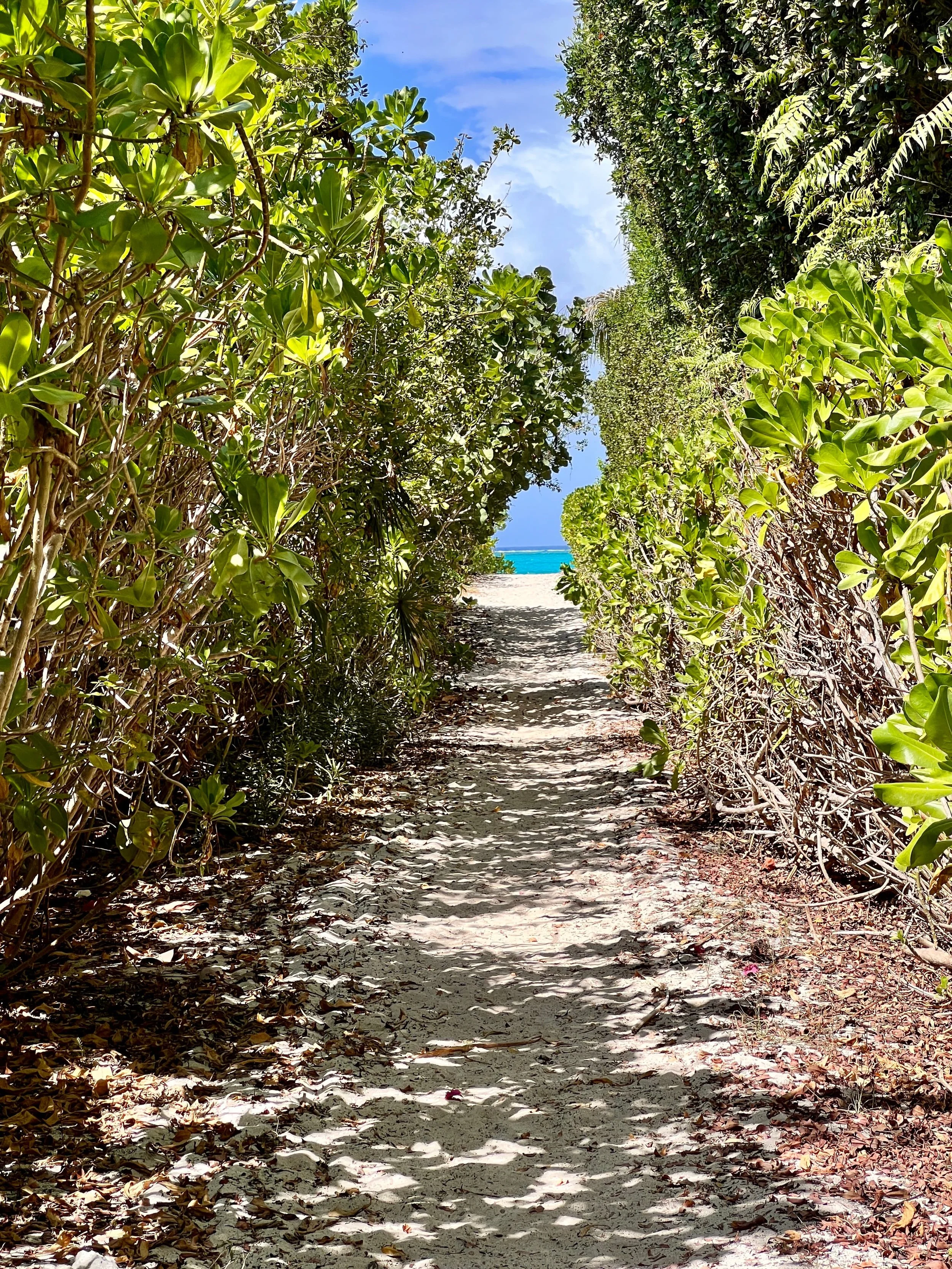
Turks & Caicos is defined by sand that feels impossibly soft — fine, pale, and cool even when the sun is high. Much of it is coral-based, which gives the beaches their almost powder-like texture and bright, linen-colored tone. Along the Caicos Banks, the sand stays consistently smooth and shallow for long stretches, while the narrow, rockier pockets on the quieter coasts offer a more natural, unmanicured feel. The overall impression is lightness: pale paths, soft footing, and a shoreline that feels open and uncluttered.
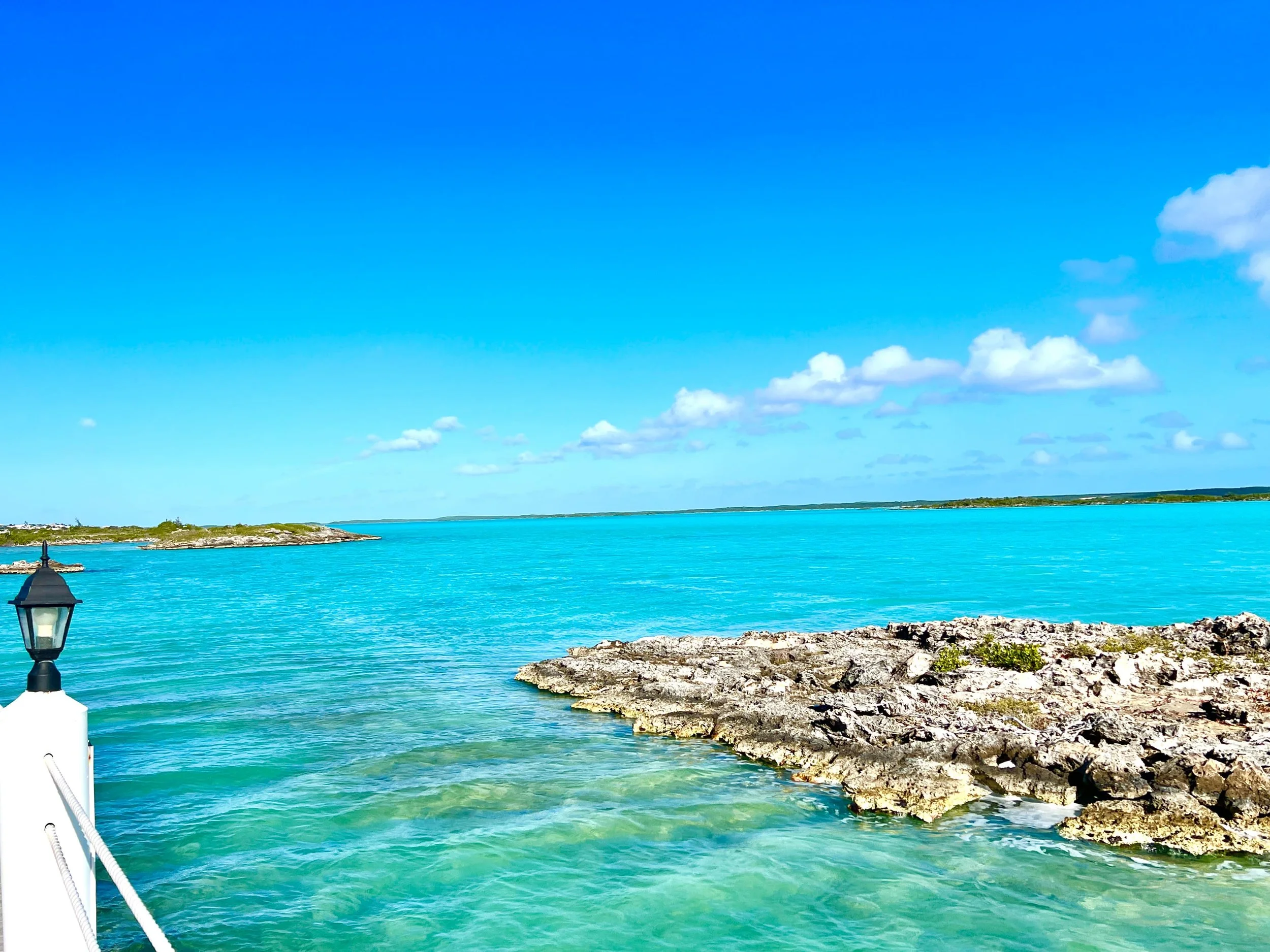
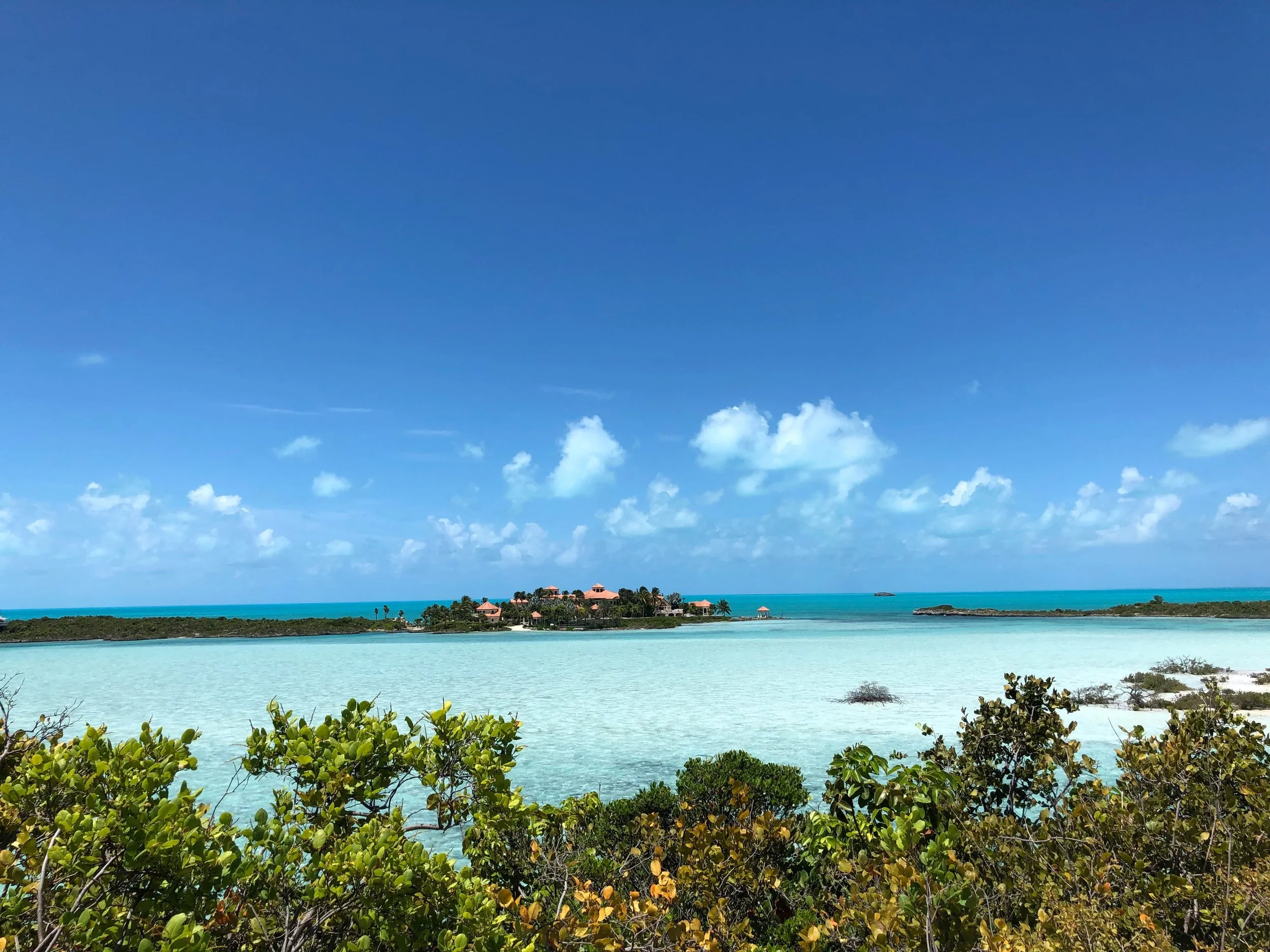
The water is where Turks & Caicos truly separates itself from other Caribbean destinations. The shallows create a gradient of turquoise that looks brushed on — clear, calm, and warm enough to step straight into without easing in. Wave action is minimal on most days, turning the sea into something closer to a glassy lagoon than an oceanfront. This makes swimming effortless, floating meditative, and wading possible hundreds of feet from shore in some areas. On the northern and western coasts, the color stays bright and translucent; on the more exposed edges, it deepens into richer blues with a touch more movement, though still rarely rough.
These differences shape where people choose to stay. Travelers seeking quiet swims and long, easy beach days gravitate to the calm, shallow northern coast, while those who want privacy or natural scenery tend to slip toward the less developed, rock-framed edges of the islands. Across every shoreline, Turks & Caicos offers a softness and clarity that feels distinct even within the Caribbean — water that invites you in, and sand that makes you stay longer than you planned.
Explore Turks & Caicos — Map & Highlights
Turks & Caicos is a chain of islands in the Atlantic, southeast of the Bahamas, where the Caicos Banks create some of the Caribbean's most extraordinary shallow-water conditions. Most visitors stay on Providenciales — the main island — which is compact enough to navigate easily but varied enough that where you base yourself shapes the character of the trip significantly. This map is a decision tool, not a directory. It's designed to help you understand how Providenciales divides between its resort-forward north coast, the quieter Long Bay and Chalk Sound areas, and the remote northwest — and whether that layout matches the kind of trip you're actually planning. Use it alongside the Where to Stay section below, not as a checklist to work through.
Beaches
Beaches in Turks & Caicos range from the wide, resort-adjacent sweep of Grace Bay to the shallow, breezier shallows of Long Bay to the intimate lagoon of Taylor Bay on the south coast. Grace Bay defines the island's classic experience — pale sand, calm turquoise water, and easy resort access. Long Bay and Taylor Bay suit travelers who want more space and fewer people alongside their water time. Base cue: Travelers who want the most beach-forward, logistically easy experience should base at Grace Bay; those who want space and privacy should look to Long Bay or the south coast.
Food & Drink
Dining in Turks & Caicos concentrates along Grace Bay's resort corridor, where the range runs from casual beachside spots to polished dinner tables. The more interesting and affordable eating happens away from that strip — local spots and the Thursday Night Fish Fry in Providenciales's residential areas offer a different version of the island's food culture, but require a rental car to reach. Base cue: Food-focused travelers who want the most dining access within easy reach should base at Grace Bay; those willing to drive will find the local dining scene meaningfully different from the resort corridor.
Activities
Activities in Turks & Caicos center on the water — snorkeling Smith's Reef and Bight Reef for accessible shore-based reef experience, boat excursions to Little Water Cay for iguana encounters, and sailing or paddleboarding across the Caicos Banks' shallow turquoise flats. Most departure points concentrate around Grace Bay and Turtle Cove Marina. Chalk Sound is worth a dedicated drive for the lagoon scenery alone. Base cue: Travelers who want the easiest access to water activities and excursion departures should base at Grace Bay or Turtle Cove.
Where to Stay on Turks & Caicos
Providenciales divides into distinct zones that carry different moods — from the walkable, resort-lined calm of Grace Bay to the breezy seclusion of Long Bay, the marina character of Turtle Cove, the lagoon privacy of Chalk Sound, and the remote wildness of Northwest Point. Where you base yourself determines not just which beach is out front, but how much driving is built into every day and whether the trip feels like a resort stay or a villa experience. Below, The Trip Thread has listed the best areas to stay in Turks & Caicos — each offering a different balance of access, atmosphere, and pace. Each area is located on the above map for easy exploration.
Grace Bay — Walkable, Calm, Resort-Friendly Core
Grace Bay is the island’s familiar center: soft white sand, calm turquoise water, and a cluster of resorts, cafés, and shops within an easy stroll. Travelers stay here for simplicity — beach out front, groceries nearby, and quiet evenings without needing a car. It’s consistently praised on Reddit as “the easiest first-time base” thanks to gentle water and convenience.
Why stay: Walkable, calm, and ideal for newcomers or anyone skipping a rental car.
Why not: The most developed part of Provo — beautiful, but not the quietest.
~~~~~
Long Bay — Breezy Shallows & Quieter East Side
Long Bay feels more spacious and natural, with long stretches of shallow water that drift far offshore and steady breezes that soften the heat. It suits travelers who want privacy, villa stays, or a slower rhythm away from resort clusters. Reddit users call it “quieter, a little more remote,” with water that feels like a warm, pale-blue sheet.
Why stay: Wide-open space, fewer people, and peaceful mornings.
Why not: Limited dining; a car is almost essential.
~~~~~
Turtle Cove — Marina Access & Snorkel-Friendly
Turtle Cove centers around a small marina with cafés, casual dining, and quick access to Smith’s Reef, a favorite for off-beach snorkeling. The atmosphere is low-key and neighborly, suited to travelers who like walking to dinner but prefer somewhere calmer than Grace Bay. The mood is residential-meets-nautical rather than resort-polished.
Why stay: Snorkel access, marina atmosphere, and a relaxed mix of dining options.
Why not: Beaches here are narrower, and the area is quieter at night.
~~~~~
Northwest Point / Amanyara Area — Remote Luxury & Wild Coastline
At the far edge of Provo, Northwest Point feels untouched — long stretches of raw coastline, fewer buildings, and a sense of complete separation from everyday life. It draws travelers seeking privacy, scenery, and high-end stays like Amanyara, along with those who value nature over nightlife. It’s the part of the island where wind, light, and sky do most of the talking.
Why stay: Total seclusion, dramatic coastline, and luxury without crowds.
Why not: Very remote; requires intention, a car, and comfort with limited dining nearby.
~~~~~
Chalk Sound — Lagoon Views & Quiet Villa Living
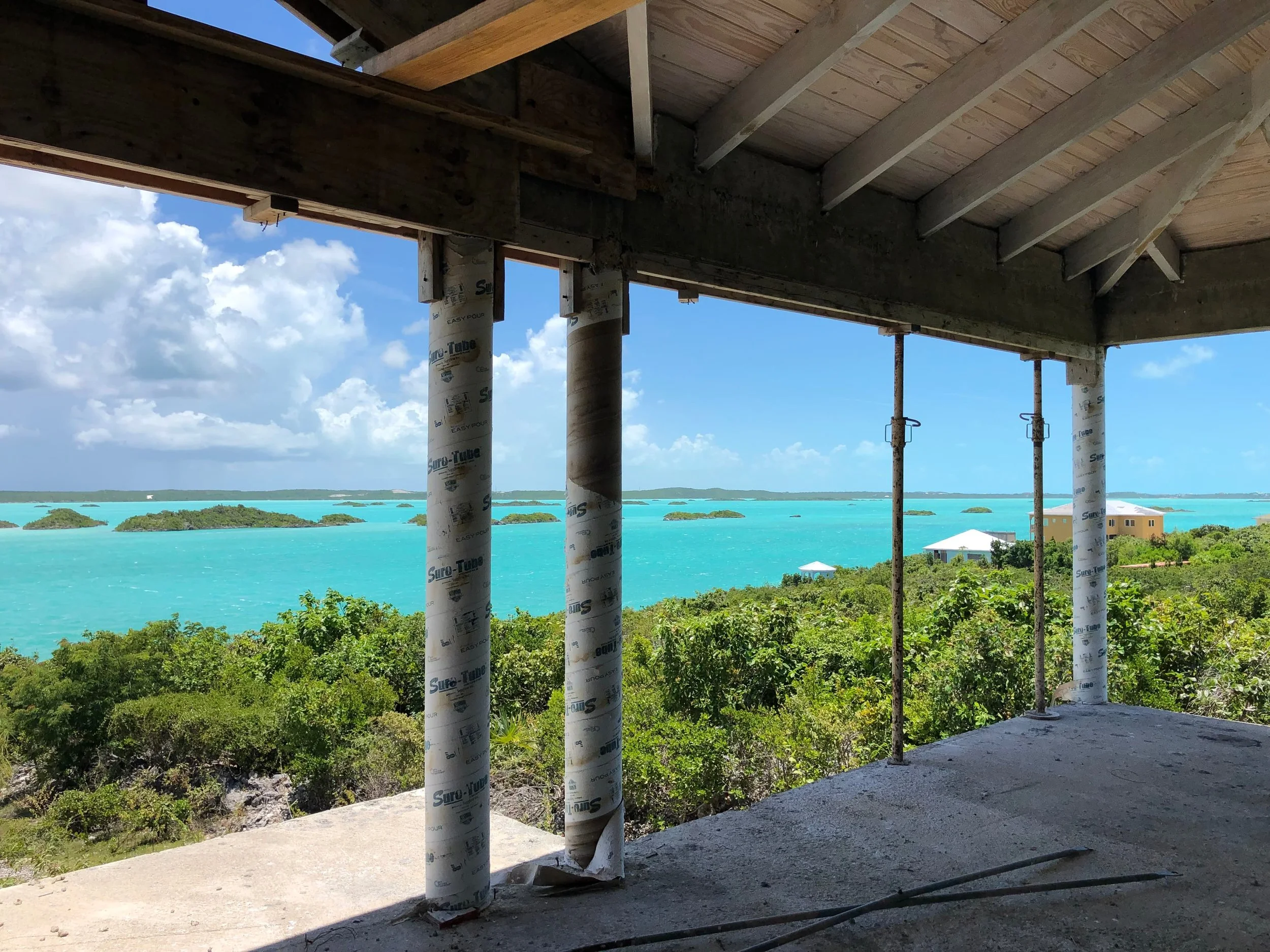
Chalk Sound sits above a luminous turquoise lagoon dotted with tiny limestone islets, giving this area a calm, almost dreamlike feel. Travelers come here for space and privacy — villa stays, peaceful mornings, and the sense of being surrounded by color rather than activity. Reddit users describe it as “one of the prettiest parts of Provo” and ideal for people who want quiet evenings and water views without resort energy.
Why stay: Spectacular lagoon scenery, privacy, and serene villa-based living.
Why not: No real dining nearby; a rental car is essential for everything.
Practical Snapshot
-
December through April is the dry season and the most reliably pleasant window — calm seas, low humidity, and the island at its clearest and most comfortable. May and June offer a quieter, more affordable alternative with mostly good weather before the wetter months arrive. Hurricane season runs June through November, with peak risk in August and September. Turks and Caicos sits at the eastern edge of the hurricane belt, making it somewhat more exposed than western Caribbean islands during that window.
-
The US dollar is the official currency of Turks and Caicos — no exchange needed for American travelers, and no currency confusion at checkout. Cards are widely accepted at resorts, restaurants, and most shops. Cash is useful for smaller local spots, markets, and the Thursday Night Fish Fry, where some vendors are cash-only.
-
English is the official and everyday language throughout Turks and Caicos, spoken without a heavy accent by most locals in tourist-facing areas. Communication is straightforward for English-speaking visitors. A warm greeting before any transaction — "Good morning" or "Good afternoon" — reflects local etiquette and shapes the tone of most interactions.
-
Providenciales International Airport (PLS) receives direct flights from major US cities, Canada, and the UK, making arrival straightforward for most travelers. Flight time from the US East Coast is roughly two to three hours. Most visitor accommodation is concentrated on Providenciales — note that Grand Turk, the islands' capital and cruise port, is a separate island with a very different character and a separate airport. Most travelers booking a beach vacation are booking Provo, not Grand Turk.
-
Turks and Caicos sits at the top of the Caribbean pricing spectrum. Nearly everything is imported, and that cost runs through accommodation, dining, and activities consistently. Local lunches = 💲💲, mid-range restaurants = 💲💲💲, beachfront resorts and fine dining = 💲💲💲💲. Self-catering in a villa, eating at local spots, and seeking out the Thursday Night Fish Fry can bring daily costs down meaningfully — but there is no budget version of this destination.
-
Turks and Caicos has a low-key evening scene that suits the island's overall character. Grace Bay has a handful of beach bars and casual sunset spots, and the Thursday Night Fish Fry near Cheshire Hall is the closest thing to a community social event on the island. Evenings tend to wind down early — this is not a destination for late-night energy, club culture, or a dense bar district. Travelers who want quiet dinners and early nights find the pace exactly right.
-
A rental car is recommended for most visits — particularly for reaching beaches beyond Grace Bay, the Thursday Night Fish Fry, and any part of the island that feels meaningfully different from the resort corridor. Taxis are available but expensive for repeated daily use. Grace Bay is walkable enough that a car is optional for travelers anchored strictly to that strip. Driving is on the left. Roads are well-maintained in the main areas and narrower in residential stretches. Providenciales is compact enough that most areas are reachable within 20–30 minutes.
-
Turks and Caicos is considered a safe destination with minimal crime and a tourism-forward environment that makes navigation comfortable for most visitors. Solo travelers find the island easy and low-friction, particularly within the Grace Bay corridor. The main safety awareness locals mention is minor petty theft — standard common sense with valuables applies. Mosquitoes after rain, particularly inland and near mangroves, are a practical consideration worth knowing in advance.
As a British Overseas Territory, Turks and Caicos offers legal protections and a generally open atmosphere in resort-facing areas. Same-sex relations are legal. Social attitudes are conservative in some community contexts, and public discretion is advisable for LGBTQ+ travelers outside the main tourism corridors. The resort environment is generally welcoming; the broader social culture is more traditional.
-
Tap water on Providenciales is technically safe in most resort areas but has a desalinated taste that many visitors find off-putting — bottled water is widely available and commonly used. Voltage is 120V/60Hz, the same as the US and Canada, so no adapters needed for American travelers. Potcakes — stray dogs — are present on the island, particularly around Chalk Sound; they are generally gentle but worth knowing about if you're traveling with children or have concerns. Tipping is customary and valued; automatic service charges don't always reach staff directly, so cash tips are appreciated.
-
The Caicos Banks are one of the Caribbean's most ecologically significant shallow-water systems, and the reefs surrounding Providenciales are close to shore and genuinely vulnerable to visitor impact. Reef-safe sunscreen is not just recommended — chemical sunscreens containing oxybenzone are harmful to the coral that defines this destination's entire appeal. The "flat rock" visible in ankle-deep water on the Banks is often live limestone or fragile young coral — standing on or touching it causes lasting damage. The island's beauty is inseparable from its ecosystem, and treating both with care is what keeps Turks and Caicos worth coming back to.
Compare Similar Caribbean Islands
Thinking about Anguilla, Grand Cayman, or Turks & Caicos? Here’s how these Caribbean islands differ in rhythm and culture.
TURKS & CAICOS
Vibe & Energy
Calm, spacious, and relaxing — days move slowly around shallow turquoise water and quiet stretches of soft sand rather than town centers.
Dining & Culture
A small, setting-forward dining scene with simple seafood spots and sunset views; culture is understated, expressed more through pace and kindness than events or landmarks.
Cost & Crowds
High-end and low-density — lodging and meals are expensive, but beaches and resorts rarely feel packed.
Accessibility
Good nonstop coverage from major U.S. hubs into Providenciales, with a compact layout that makes beach areas easy to reach once you land.
Nightlife / Social Scene
Soft and early — beach bars, quiet cocktails, and stargazing; evenings lean more romantic or reflective than social.
Best For
Travelers who prioritize calm water, privacy, and soft luxury over nightlife, variety, or a big restaurant scene.
ANGUILLA
Vibe & Energy
Serene and grounded — an island where unhurried days meet a confident local spirit shaped by hospitality, beaches, and community.
Dining & Culture
A genuinely strong food culture: beach shacks, chef-led restaurants, and spots with live music and long lunches are a core part of the experience.
Cost & Crowds
Also skews upscale and boutique, but feels more lived-in — a mix of regular visitors, locals, and expats rather than a purely resort audience.
Accessibility
Often requires a hop — typically via St. Maarten and then ferry or small-plane — which adds friction but filters out casual traffic. Some direct flights.
Nightlife / Social Scene
Laid-back but musical, with beach bars and venues hosting reggae, jazz, and local bands rather than club-style nightlife.
Best For
Travelers who want tranquil luxury with a real dining scene and live local rhythm layered into their beach time.
GRAND CAYMAN
Vibe & Energy
Polished and easygoing — built around Seven Mile Beach’s calm water, clean infrastructure, and a strong, family-friendly rhythm.
Dining & Culture
A notably strong restaurant scene for its size, with plenty of beachside spots and upscale options; culture leans toward safety, service, and dive and finance expat influence more than festivals.
Cost & Crowds
One of the more expensive islands in the region, with a developed feel and busier stretches along Seven Mile — but still far from mega-resort chaos.
Accessibility
Excellent air links from the U.S. and Canada into Owen Roberts International, plus straightforward roads and services once on island.
Nightlife / Social Scene
Sociable but contained: beach bars, waterfront restaurants, and a comfortable evening scene that’s livelier than Turks & Caicos but still fairly restrained.
Best For
Travelers who want Cayman-clear water and strong dining with a safe, family-friendly, well-serviced base rather than an ultra-quiet or rustic escape.
Pick Turks & Caicos if: you want the Caribbean's most pristine and visually extraordinary beach experience in its quietest form — and you're willing to pay top-tier prices for an island that delivers exceptional water with very little else on the side.
Pick Anguilla if: you want the same luxury tier and comparable water quality but with a genuinely strong food scene and more live local character woven into the beach experience.
Pick Grand Cayman if: you want clear water and polished comfort alongside a stronger dining scene, world-class diving, and more structured activity variety.
Tie-breaker: If the beach and water alone are the whole point, Turks & Caicos. If you want that alongside a real food culture, Anguilla. If you want it alongside diving and more to do, Grand Cayman.
Local Truths
Locals use “Provo” to mean Providenciales — and “the Big Island” for Grand Turk. Visitors who only say “Turks and Caicos” sound immediately non-local; residents naturally switch between island names as shorthand for different rhythms and histories.
~~~~~
Greet people when entering a shop or restaurant — silence feels rude. Locals consistently note that a simple “Good morning” or “Good afternoon” goes a long way; breezing in without a greeting stands out negatively.
~~~~~
Locals prefer when visitors ask before photographing people, boats, or neighborhood docks. Many small harbors and beaches double as workspaces for fishers or ferry crews, and unsolicited photos are seen as intrusive.
~~~~~
Tipping is valued because service charges rarely go directly to staff. Locals often explain that automatic “gratuity” lines don’t always reach servers or bartenders; adding cash is considered the respectful choice.
~~~~~
Avoid standing on or touching anything that looks like coral — even if it’s in ankle-deep water. Locals stress that much of the Caicos Banks’ “flat rock” is actually live limestone or fragile young coral; damage is long-lasting and culturally frowned upon.
~~~~~
Mosquitoes can be a real issue after rain, particularly inland and near mangroves. Locals know to carry repellent and to be aware that the resort beach isn't immune — especially at dawn and dusk. It's a small practical reality that surprises first-timers who assumed a polished resort island wouldn't have this.
~~~~~
The Thursday Night Fish Fry near Cheshire Hall is a community gathering, not a staged tourist event. Locals treat it as their weekly ritual — arriving expecting resort-quality service or a curated experience misses the point. Come for the fish, the music, and the chance to see how the island actually lives.
Turks & Caicos — Travel Questions, Answered
A place best understood through its light and simplicity — here are the questions travelers ask most, answered with the rhythm of the islands in mind.
1. Is Turks and Caicos expensive?
Turks and Caicos sits at the high end of Caribbean pricing. Accommodation along Grace Bay runs at top-tier rates, and dining reflects the same cost structure throughout — from casual beach spots to polished dinner tables. All-inclusives are limited, so most travelers absorb costs independently. Travelers who self-cater in a villa, mix in local spots, and seek out the Thursday Night Fish Fry can keep costs more manageable — but there is no budget version of Turks and Caicos. It delivers at its price point for the right traveler.
2. When is the best time to visit Turks and Caicos?
December through April is the dry season and most reliably pleasant window — calm seas, low humidity, and the island at its best. May and June offer lower rates and smaller crowds with mostly good weather. Hurricane season runs June through November, with peak risk in August and September. Turks and Caicos sits at the eastern edge of the hurricane belt, making it more exposed than some western Caribbean islands. The Thursday Night Fish Fry runs year-round on Providenciales and is worth planning around regardless of when you visit.
3. Which area of Turks and Caicos should I stay in?
Grace Bay is the most convenient and popular base — calm water, walkable dining, and the island's widest resort selection. Long Bay suits travelers who want space and breezy seclusion with shallower water. Turtle Cove is quieter and marina-adjacent with nearby snorkeling access. Chalk Sound offers spectacular lagoon views and private villa living with no dining nearby. Northwest Point is the most remote option for travelers who want total separation from resort energy. Each area moves at a genuinely different pace.
4. Do I need a car in Turks and Caicos?
A rental car is recommended for most visits — particularly for reaching quieter beaches, local restaurants, and the Thursday Night Fish Fry. Grace Bay is walkable enough for travelers staying strictly in that corridor, but taxis add up quickly for anything beyond the immediate area. Driving is on the left. Roads are well-maintained in the main areas. Note that Providenciales and Grand Turk are separate islands with different characters and different airports — most visitors fly into Providenciales.
5. Is Turks and Caicos safe for solo or LGBTQ+ travelers?
Turks and Caicos is considered a safe and welcoming destination for solo travelers — the islands are low-crime, English-speaking, and straightforward to navigate. As a British Overseas Territory, Turks and Caicos offers legal protections and a generally open atmosphere in resort-facing areas. Same-sex relations are legal. Social attitudes are conservative in some respects, and public discretion is advisable for LGBTQ+ travelers outside the main tourism corridors. The most common safety concern is minor petty theft — standard common sense with valuables applies.
6. How does Turks and Caicos compare to Anguilla and Grand Cayman?
All three sit in the luxury tier but feel meaningfully different. Turks and Caicos is the most beach-pure — the water and sand are extraordinary, the pace is genuinely quiet, and the experience is deliberately simple. Anguilla adds a stronger food culture and more live local character alongside comparable water quality. Grand Cayman is more structured and activity-rich, with stronger diving, a better dining scene, and easier logistics. Turks and Caicos trades those layers for the most pristine and unhurried beach experience of the three.
Why This Guide Changes With the Island
Turks & Caicos never stays still — restaurants change hands along Grace Bay, quieter coves shift with the seasons, and the island's most serene pockets have a way of finding new audiences each year. This guide evolves with it. Locals share updates, travelers add discoveries, and we keep refining what you see here so every detail reflects the island as it is now — not a memory of what it used to be.
Ready to see where else clarity and calm can lead?
Explore nearby destinations that share Turks & Caicos’ soft-water ease — from the intimate, culinary warmth of Anguilla to the polished comfort and gentle sociability of Grand Cayman. Each offers a different way to experience quiet, color, and connection.
Every traveler connects differently — some find themselves in still-water mornings, others in places with a little more movement beneath the surface. Maybe Turks & Caicos is your match, or maybe your rhythm carries you toward Anguilla’s intimacy or Grand Cayman’s balance of ease and structure.
Either way, The Trip Thread exists to help you rediscover the joy of travel, and the element of discovery that should accompany it.
Guided by locals. Designed for discovery.