By Kelly Mcatee | TheTripThread | Last Updated May 2026
Grand Cayman
Where island calm meets polished ease.
Romance & Connection | Sail & Sea Life | Culinary Caribbean | Tranquil Luxury
Best for travelers who want a Caribbean trip that simply works — drawn to Grand Cayman's clear water, strong dining, and polished ease over islands that require more effort, tolerance for rough edges, or budget flexibility.
Not for travelers chasing backpacker grit, loud party scenes, or ultra-low-budget island hopping.
☀️ Best months: December–April 💲 Average cost: $$$ 🕶️ Vibe: Polished
Reality Check (Read This Before You Book)
Grand Cayman is a polished, well-run island where things consistently work — but that polish is the product, and it comes at a price. This is not a budget destination, not a culturally immersive one, and not an island that rewards travelers looking for something raw or undiscovered. Knowing that going in is what separates travelers who love it from those who find it underwhelming.
The biggest misconception: that Grand Cayman's ease makes it universally appealing. It doesn't. The island is shaped heavily by resort infrastructure and cruise ship tourism, and some travelers find it feels more like a well-executed Caribbean product than a real place. That's not a flaw if resort ease and water clarity are what you came for — but it will disappoint travelers who expected more local texture beneath the surface.
A few things worth knowing before you commit:
If budget is a significant constraint, Grand Cayman will strain it quickly. There are no all-inclusives and few budget accommodation options — the island runs expensive across the board.
If authentic local culture is a priority, Col 62 rates Grand Cayman 1 out of 5 for cultural immersion. What cultural life exists is largely separate from the tourism experience and takes deliberate effort to find.
If cruise-ship energy is a dealbreaker, George Town sees heavy ship traffic during peak season and the waterfront area reflects it on busy days.
If you want adventurous or untamed Caribbean, Grand Cayman specifically doesn't offer it — the island is designed for comfort and reliability, not discovery.
Travelers who love Grand Cayman most arrive knowing exactly what they want: exceptional water, great food, and a trip where nothing goes wrong.
Why You’ll Love It
Grand Cayman works because everything on it is designed to. The water is reliably clear, Seven Mile Beach consistently delivers, the food scene is legitimately strong, and the island's infrastructure runs with a smoothness that's rare in the Caribbean. For travelers who want the region's best beach and dining combination without planning friction, weather anxiety, or safety concerns, Grand Cayman removes those variables more thoroughly than almost any other island in the collection.
Days unfold gently here. The water is so clear it barely feels real, especially along Seven Mile Beach and the surrounding reefs, where snorkeling and diving happen in glassy blues and greens. Meals matter — not in a flashy way, but in a confident, well-executed one — with seaside lunches stretching long and dinners that feel intentional without being fussy. The pace is unhurried, but never sleepy; there’s a sense that everything works, and works well, leaving space for you to actually enjoy where you are.
What sets Grand Cayman apart from other Caribbean destinations in the collection is its balance of polish and peace. It isn’t bohemian, gritty, or remote — and it doesn’t try to be. Instead, it’s refined, well-run, and deeply comfortable, appealing to travelers who value ease, safety, and quality over spectacle. There’s no pressure to “do it all” or chase nightlife; the island’s authenticity lives in its calm confidence and in how naturally good everything feels.
By the end of the day, it often comes down to something simple: bare feet in soft sand, a quiet table near the water, and the sun slipping low as the sea turns pale gold.
Best for travelers who want an easy, safe Caribbean trip with beautiful beaches, clear water, great food, and a relaxed pace — without crowds, chaos, or party pressure.
This is Grand Cayman
Bright water, open beaches, and an island that runs with a quiet confidence — Grand Cayman is polished ease without the pretense.
Part of the Greater Caribbean Collection on TheTripThread — a destination reference system built for travelers deciding where they'll feel right, not just where to go. Grand Cayman is for travelers who value reliability, water clarity, and a Caribbean trip that delivers exactly what it promises.
Common Experience Patterns

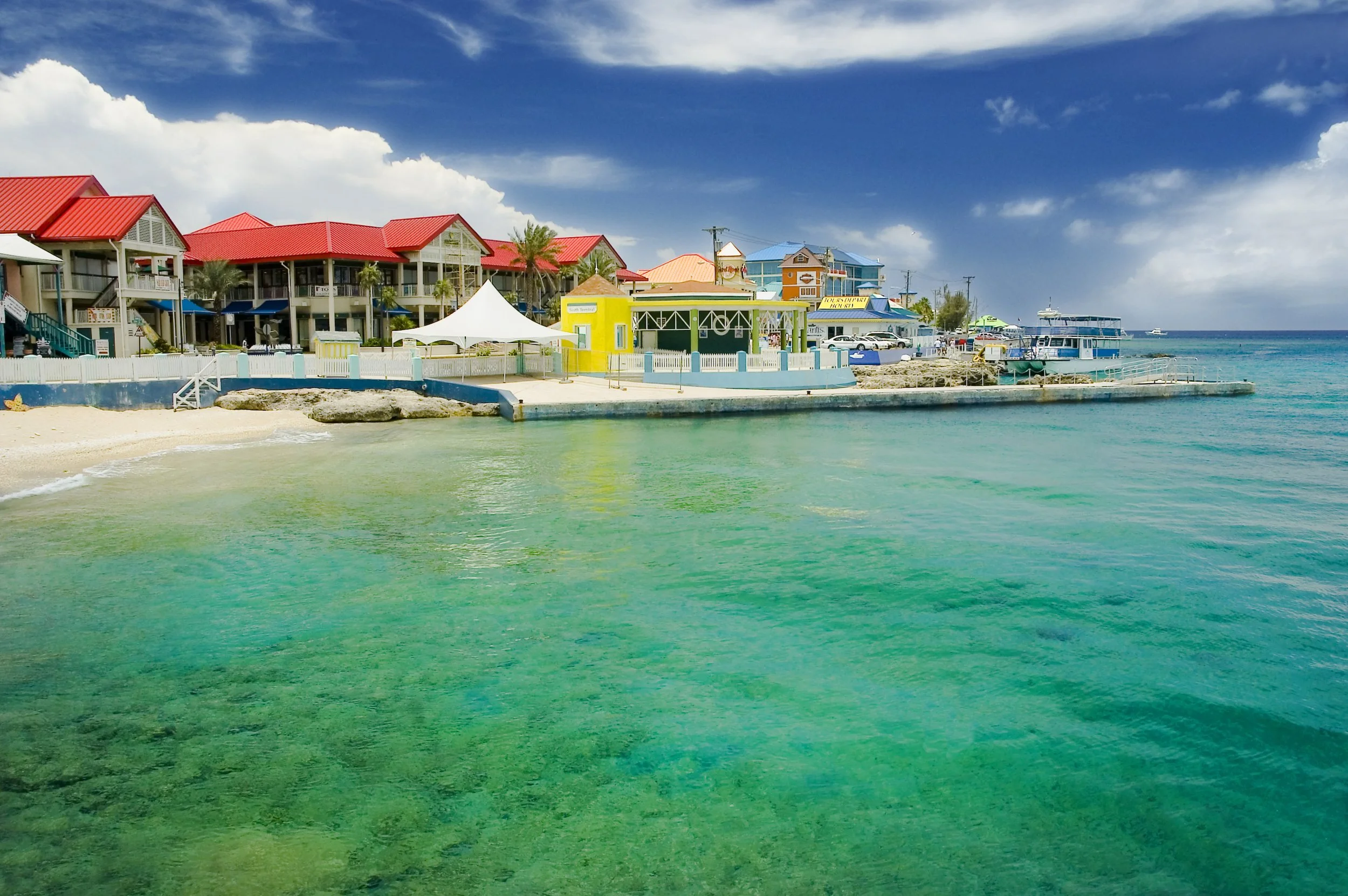
Grand Cayman runs on a consistency that's rare in the Caribbean. The practical reality worth knowing early: this is an expensive island with no all-inclusives, heavy cruise ship traffic into George Town during peak season, and a tourism experience shaped primarily by resort infrastructure rather than local culture. A rental car is the most practical way to experience the island beyond Seven Mile Beach — Rum Point, Spotts Beach, Starfish Point, and the East End all reward the drive, and the island's east-west contrast is more pronounced than first-time visitors expect.
The texture here is reliable and unhurried. Mornings on Seven Mile Beach are calm enough to feel almost private before the day fully opens; the water is so clear in the shallows that it barely looks real. Afternoons shift toward diving, snorkeling, or reef excursions that don't require elaborate planning — everything is accessible without a full commitment. Meals matter in a way that rewards slowing down: the dining scene is genuinely one of the Caribbean's strongest, running from casual waterfront spots to well-executed restaurants that don't require a special occasion to justify.
What Grand Cayman doesn't offer is worth naming plainly. Cultural immersion is thin — the island scores lowest in the collection on cultural depth, and the gap between the tourism-facing experience and everyday local life is wider here than on almost any other destination reviewed. Travelers who want to peel back a layer and find something unexpected tend to find the layer doesn't peel easily. What they find instead is more of the same reliable polish — which is exactly what some travelers are looking for, and exactly what others find limiting.
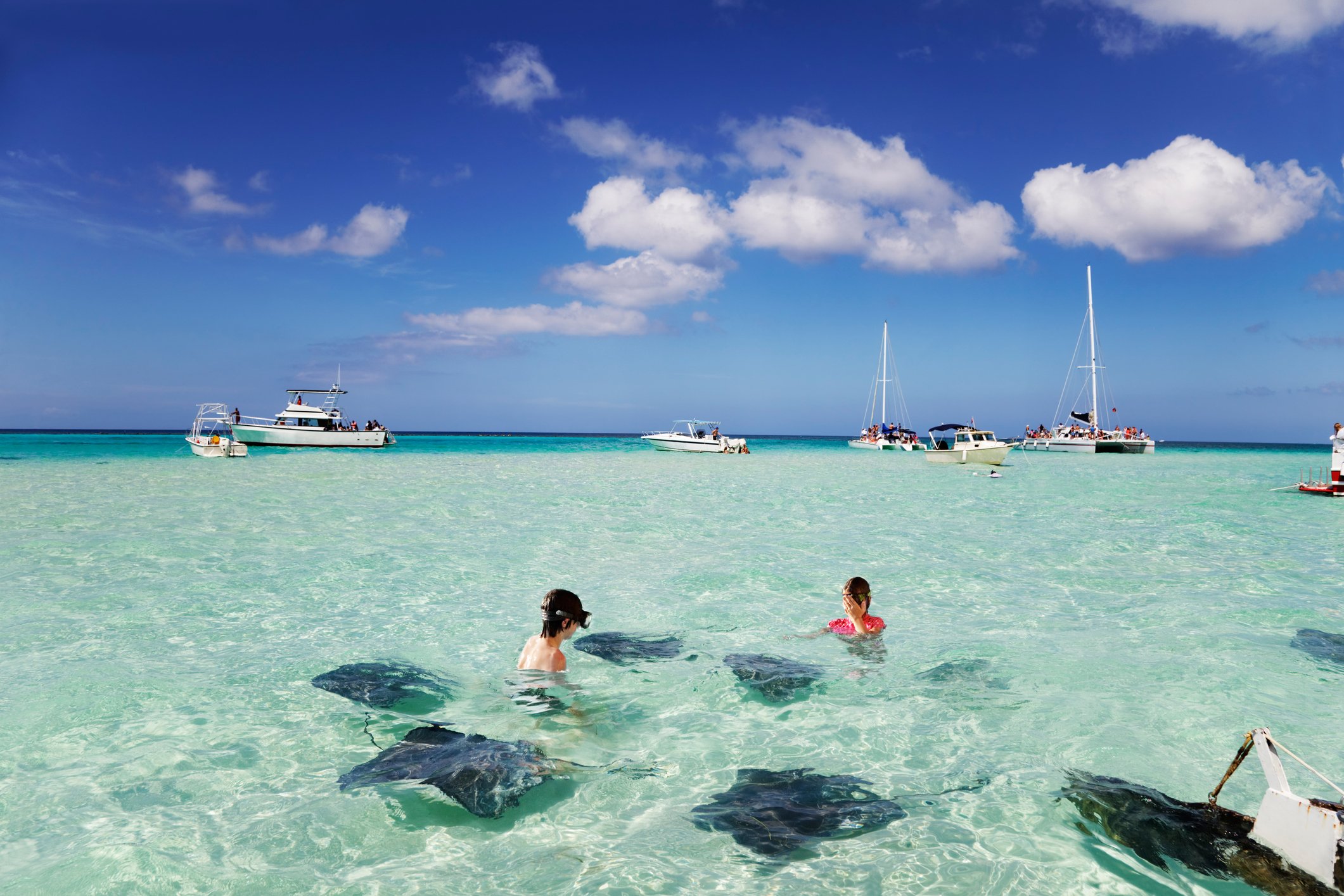
Locals Know — Stingray City tours fill fast in peak season, and boat capacity is limited. Travelers who plan to visit the sandbar should book in advance rather than trying to arrange it at the dock on the morning they want to go. The same applies to sunset sailing departures along Seven Mile Beach — the most popular operators are booked days ahead in high season.
Locals and repeat visitors describe Grand Cayman as the Caribbean's most dependable island — especially for travelers who want world-class diving, exceptional beaches, and a trip where everything works — while those seeking authentic local culture, rough edges, or a destination that feels genuinely distinct from its resort infrastructure tend to find the polish more constraining than comforting.
Where we eat:
Dining in Grand Cayman is concentrated along the Seven Mile Beach corridor and in George Town, with a secondary cluster around Rum Point and the North Side. The range runs from casual beachside spots to well-regarded restaurants that compete with major city dining — Grand Cayman's food scene earns its reputation consistently. Prices reflect the island's overall cost level, but the quality usually justifies it. Most restaurants don't require reservations for lunch; dinner at the more popular spots during peak season benefits from booking ahead.
Where we go:
Most itineraries radiate outward from Seven Mile Beach. Stingray City is the island's signature experience and worth the half-day commitment. Spotts Beach on the south coast offers reliable sea turtle sightings in a quieter, less-organized setting. Rum Point on the North Side is a full change of pace — shallow, calm, almost glassy water and a beach bar rhythm that feels removed from the resort corridor. East End requires a full day commitment but rewards it with the island's quietest, most local-facing character.
What we love:
What Grand Cayman consistently delivers is a trip that simply works. The water is there, the food is good, the logistics are manageable, and the island's safety record is genuine. For travelers who have had complicated or disappointing Caribbean experiences elsewhere — unpredictable weather, rough infrastructure, safety concerns — Grand Cayman functions as a reset. It's the Caribbean with the variables removed, which is either exactly what you need or exactly what you're trying to avoid.
"Grand Cayman just feels easy. It's safe, the beaches are beautiful, the food is consistently good, and nothing feels stressful once you're there." — Redditor, r/caymanislands
About this section:
This section is built from publicly shared traveler perspectives and credible regional reporting. We treat it as sentiment and cross-check factual claims where possible. We intentionally limit dependence on review marketplaces where paid, promotional, or otherwise unrepresentative input can blur the picture.
Identity
Vibe Descriptors
Calm • Clear• Comfortable • Polished • Unhurried
*****
Core Audience
This island suits travelers who value ease, safety, and consistency, and prefer a relaxed Caribbean experience that feels seamless and well-supported
……….
Best For (Trip Types)
Romantic & Couples • Luxury & Indulgence • Diving & Snorkeling • Food & Drink
……….
Known For
Exceptionally clear water, accessible reefs, Seven Mile Beach, and a mature dining scene anchored by quality, reliability, and international influence
……….
Trip Thread Theme(s)
Friction & Tradeoffs (Read This Before You Book)
Cost Pressure: Grand Cayman sits at the top of the Caribbean cost spectrum — comparable to Anguilla and St. Barts rather than mid-range islands. The cost shows up everywhere: accommodation along Seven Mile Beach and West Bay, dining at well-regarded restaurants, watersports excursions, and incidental expenses all reflect a high-cost destination without the all-inclusive option to absorb variability. Travelers who arrive budget-conscious and try to economize tend to feel the constraint consistently. Those who budget generously tend to find the value genuine — quality here usually justifies the price.
Mobility / Getting Around: The Seven Mile Beach corridor is walkable and served by buses and taxis, making a rental car optional for travelers anchored to that strip. For the rest of the island — Rum Point, Spotts Beach, Starfish Point, East End — a car is what makes those places accessible rather than theoretical. Roads are well-maintained, driving is on the left, and the island is compact enough that most areas are reachable within 30–40 minutes. The main adjustment point is roundabouts near George Town, where left-hand traffic habits take a session or two to settle.
Autonomy vs Structure: Grand Cayman is more self-directed than it appears from the resort-corridor experience. Beyond the organized excursions and beachfront dining, the island's most interesting pockets — the East End's local character, Rum Point's calm remoteness, Spotts Beach's quiet turtle sightings — require a car and initiative rather than a tour package. Travelers who prefer a structured, activity-delivered itinerary can stay within the Seven Mile Beach orbit comfortably; those who want more will need to build it themselves.
Crowd Texture: Heavy cruise ship traffic into George Town affects the waterfront area and parts of Seven Mile Beach on busy ship days — multiple vessels can dock simultaneously during peak season, and the crowd character shifts noticeably. Away from the port and the main beach strip, the island feels considerably quieter. The TAB 7 seasonality note flags this as one of the island's primary friction points: the gap between Grand Cayman on a cruise-light day and Grand Cayman when three ships are in port is significant enough to plan around.
Culture Access: Grand Cayman scores the lowest in the Greater Caribbean Collection for cultural immersion — a 1 out of 5. The island's daily life and local character exist largely separate from its tourism infrastructure, and the gap between what visitors experience and how locals actually live is wide. English is universal, which removes language friction entirely, but the absence of a vibrant local culture scene means travelers who want to engage with the place beyond its beaches and restaurants will find limited pathways to do so.
Variety Ceiling: A week is the natural range before the island begins to repeat for most travelers. Seven Mile Beach, a few dining rotations, Stingray City, a reef dive or two, and a day at Rum Point fills a week comfortably. Beyond that, the island's activity and cultural range is limited — there are no rainforests, no significant heritage sites, no nightlife districts, and no equivalent of the East Coast / Bathsheba cultural variety that extends a trip on larger islands. Travelers who need density and new experiences daily will feel the ceiling sooner.
Sand & Sea Character
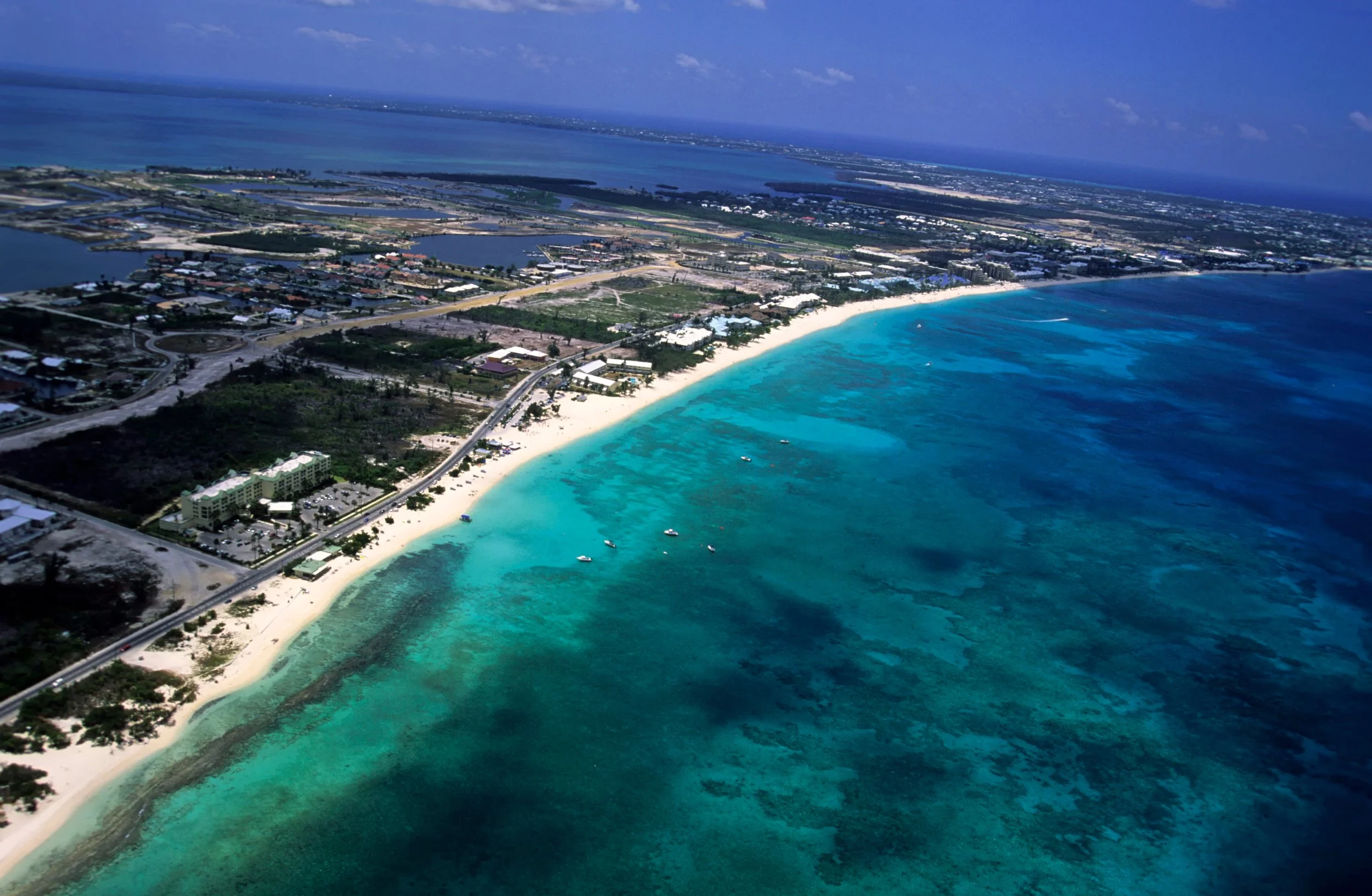
On Grand Cayman, sand is generally pale and fine, formed from coral and shell rather than volcanic rock. Along the west coast — especially around Seven Mile Beach — it feels soft underfoot and light in color, staying cool even in strong sun. In smaller coves like Smith Barcadere, the sand mixes with smooth stone and coral edges, giving the shoreline a slightly firmer, more textured feel. Elsewhere, particularly along parts of the south and east coasts, beaches give way to ironshore limestone and darker rock, creating a more rugged, less walk-in shoreline. The island doesn’t offer one uniform beach experience; texture and access shift noticeably depending on where you are.
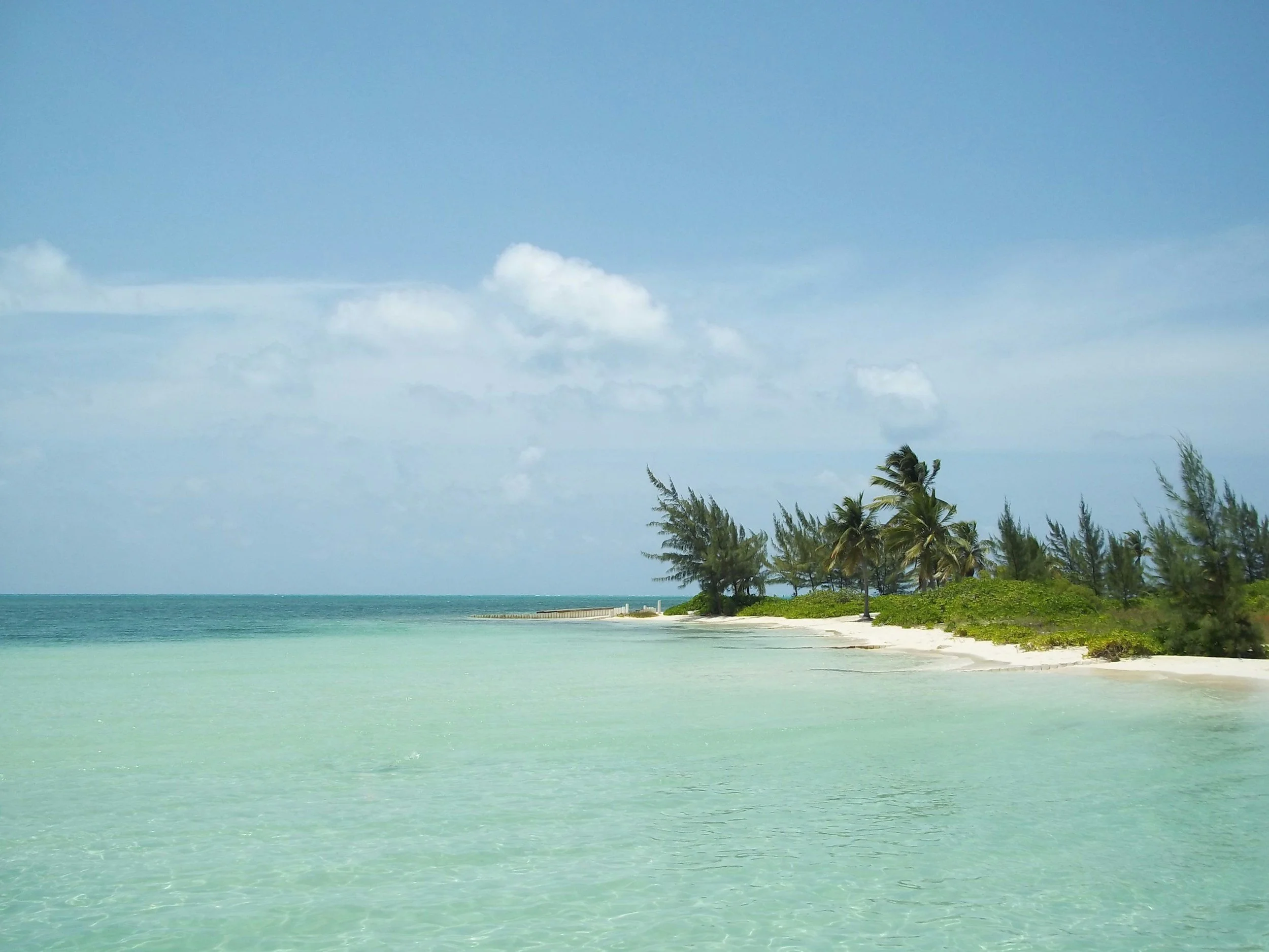
The water is where Grand Cayman truly defines itself. On the west and north sides, the sea is often glass-clear and turquoise, with gentle wave action that makes swimming, floating, and snorkeling easy and inviting. Visibility is high, and calm conditions mean you can wade in without much effort. Along the eastern edge, the water turns deeper blue and more energetic, shaped by trade winds and open ocean exposure; it’s dramatic to look at, but less suited to casual swimming. These differences strongly influence where people stay. Travelers focused on swimming, snorkeling, and effortless beach time tend to base themselves along Seven Mile Beach or West Bay, while those drawn to quiet scenery and space often choose the North Side or Rum Point, accepting a trade-off between calm water and convenience.
Explore Grand Cayman — Map & Highlights
Grand Cayman sits in the western Caribbean, a British Overseas Territory roughly equidistant between Cuba and Honduras. The island is compact and well-organized, but it divides meaningfully between its resort-forward west coast, its quieter central and south areas, and the more local-facing East End and North Side. This map is a decision tool, not a directory. It's designed to help you understand how Grand Cayman is organized by area, where different types of travelers tend to base themselves, and whether the island's polished, water-forward character matches the kind of trip you're actually planning. Use it alongside the Where to Stay section below — not as a checklist to work through.
Beaches
Grand Cayman's beaches concentrate on the west and north coasts, where calm Caribbean water and protected conditions create the island's signature clear-water swim experience. Seven Mile Beach is the centerpiece — wide, pale, and consistently calm. Smith Cove and Spotts Beach on the south coast offer quieter alternatives with good snorkeling access and fewer people. The eastern coast faces open ocean; it's scenic but not swim-friendly. Base cue: Travelers who want the most beach-forward daily experience should base along Seven Mile Beach or West Bay; those who want a quieter water experience should consider Rum Point on the North Side.
Food & Drink
Dining in Grand Cayman concentrates along the Seven Mile Beach corridor and in George Town, with a secondary cluster around Rum Point and Kaibo on the North Side. The range is genuine — from casual beachside spots to well-regarded restaurants that hold their own against major city dining. The North Side dining scene is smaller and more laid-back, worth seeking out for travelers already based in that area. Base cue: Food-focused travelers who want the widest dining variety should base along Seven Mile Beach or centrally near George Town.
Activities
Grand Cayman's activity density is highest on the west coast, where snorkeling, diving, and sailing excursions depart from Seven Mile Beach and West Bay piers. Stingray City — the island's signature experience — operates from boat departures along the northwest coast. Spotts Beach and the South Sound area offer quieter reef access for self-directed snorkelers. East End requires a full day and a rental car but rewards with the island's most local-facing character and the least resort-shaped experience. Base cue: Travelers prioritizing water activities and easy excursion access should base west; those who want a quieter, less-structured experience should consider Rum Point or the East End as a day-trip focus.
Before you plan your vacation, here’s what to know—the practical details that make a good trip effortless.
Where to Stay on Grand Cayman
Grand Cayman's coastline divides into distinct zones that move at genuinely different speeds — from the social, resort-lined Seven Mile Beach strip to the shallow calm of Rum Point's North Side to the quiet local character of the East End. Where you base yourself shapes the pace, cost, and character of the whole trip. Below, The Trip Thread has listed the best areas to stay in Grand Cayman — each offering a different balance of access, amenity, and atmosphere. Each area is located on the above map for easy exploration.
Seven Mile Beach / West Bay
This is the most popular base for first-time visitors, and for good reason. Staying along Seven Mile Beach puts you close to calm water, snorkeling spots, restaurants, and a wide range of accommodations, all without needing to drive far. Reddit travelers consistently recommend this area for its convenience and walkability, especially for shorter trips or couples who want beach access without much planning. It’s the easiest place to settle in and start enjoying the island right away.
Why stay: The most convenient and beach-forward base on the island — calm water, walkable dining, and easy access to snorkeling and watersports without needing to plan around driving.
Why not: It's Grand Cayman's most developed and resort-dense corridor — busier in peak season, and the least representative of the island's quieter character.
George Town and South Sound
George Town and the nearby South Sound area appeal to travelers who want to be central without staying directly on a resort strip. This part of the island offers quicker access to dining, sailing departures, and day trips in multiple directions, making it a practical choice for people who plan to explore. Reddit discussions often describe this area as more “lived-in” and flexible, especially for longer stays or travelers who value variety over beachfront views.
Why stay: A practical, central base that suits travelers who want flexibility — closer to sailing departures, dining variety, and day trips in multiple directions without being anchored to the resort strip.
Why not: Less beach-immediate than Seven Mile Beach, and the George Town waterfront area can feel commercial and cruise-heavy on busy ship days.
Rum Point / North Side
The Rum Point and North Side area is best suited for travelers who prioritize quiet, space, and a slower pace. This part of the island feels more residential, with calm shallow water and fewer crowds, and is frequently recommended on Reddit by repeat visitors and families. While it’s farther from the main dining and activity hubs, people who stay here tend to value peace and privacy over convenience — and are happy to trade driving time for calm surroundings.
Why stay: The island's quietest and most spacious base — shallow, glassy water, fewer people, and a slower pace that rewards travelers who want calm over convenience.
Why not: The longest drive from dining, activities, and the main beach corridor; everything beyond Rum Point itself requires committing to the road.
Practical Snapshot
-
December through April offers the driest weather, calm seas, and the most consistent beach conditions
-
Cayman Islands Dollar (KYD); U.S. dollars are widely accepted across the island
-
English
-
Direct international flights into Owen Roberts International Airport (GCM) from major U.S. cities
-
$$$ — accommodations, dining, and activities trend upscale compared to many Caribbean islands
-
Low-key and early; evenings center on dinner, drinks, and quiet waterfront settings
-
Rental car recommended for flexibility; taxis are available but add up quickly
-
Grand Cayman is widely regarded as one of the safer islands in the Caribbean, with excellent infrastructure and a well-organized environment that makes solo travel comfortable and low-friction. The island's strong service culture and English-speaking environment reduce most daily navigation anxiety. The main practical safety note locals emphasize is left-hand driving — roundabouts near George Town see a disproportionate number of visitor incidents, and the adjustment deserves active attention.
As a British Overseas Territory, Grand Cayman provides stronger legal protections than many Caribbean nations. Same-sex relations are legal, and tourist-facing areas are generally tolerant. Same-sex marriage is not legally recognized, and the broader culture is conservative in some respects. LGBTQ+ travelers typically find a welcoming environment within the resort corridor, while public discretion is advisable in more local-facing or residential contexts.
-
Sunday closures are common; plan groceries and errands ahead
-
Reef protection is taken seriously — follow local guidelines when snorkeling or diving
Compare Similar Caribbean Islands
Thinking about Grand Cayman, Anguilla, or Turks & Caicos? Here’s how these Caribbean islands differ in rhythm and culture.
GRAND CAYMAN
Vibe & Energy
Calm and composed — a relaxed Caribbean rhythm shaped by clear water, order, and an ease that feels practical rather than performative.
Dining & Culture
Consistently strong and varied; food matters here, from casual waterfront spots to well-regarded restaurants, without needing a special occasion.
Cost & Crowds
High-end but functional; prices reflect quality and safety, with crowds that feel steady rather than overwhelming.
Accessibility
Direct international flights and straightforward arrival make it one of the easiest Caribbean islands to reach and navigate.
Nightlife / Social Scene
Low-key and early — dinners, sunset drinks, and quiet evenings take priority over late-night scenes.
Best For
Travelers who want a safe, seamless Caribbean trip with excellent beaches, reliable dining, and minimal friction.
ANGUILLA
Vibe & Energy
Barefoot and understated — refined without flash, slow-moving, and intentionally unhurried.
Dining & Culture
Widely regarded as one of the Caribbean’s strongest food islands, where chef-driven dining and local warmth coexist naturally.
Cost & Crowds
Luxury-priced but discreet; crowds stay light, and privacy comes easily without effort.
Accessibility
Reached via St. Maarten followed by a short ferry or regional flight, adding a sense of separation that many travelers value. Few direct flights..
Nightlife / Social Scene
Quiet and intimate — beach bars, live music on select nights, and evenings that end early.
Best For
Couples and repeat Caribbean travelers who value calm, culinary depth, and a deeply relaxed pace.
TURKS & CAICOS
Vibe & Energy
Minimalist and serene — wide horizons, soft sand, and a curated stillness centered around resort life.
Dining & Culture
Dining leans toward polished resort restaurants and seafood-forward menus, with less emphasis on local food culture beyond the hotels.
Cost & Crowds
High-end and low-density; one of the Caribbean’s most expensive islands, designed around space and privacy.
Accessibility
Direct flights to Providenciales make arrival easy, especially from the U.S. and Canada.
Nightlife / Social Scene
Very quiet — evenings revolve around resort bars, candlelit dinners, and early nights.
Best For
Couples and travelers seeking visual beauty, privacy, and a calm, resort-focused escape.
Pick Grand Cayman if: you want the Caribbean's most reliable combination of clear water, strong dining, and a trip that simply works — without rough edges, access friction, or budget surprises on the upside.
Pick Anguilla if: you want the same luxury tier but quieter, more intimate, and with a culinary depth that Grand Cayman doesn't quite match — and you're willing to accept harder access and fewer activities.
Pick Turks and Caicos if: you want the clearest water and the most visually pristine beach experience with a resort-forward structure and minimal friction — but less diving variety and less dining depth than Grand Cayman.
Tie-breaker: If diving and food matter as much as the beach, Grand Cayman. If the beach alone is the point, Turks and Caicos. If intimacy and culinary depth are the priority, Anguilla.
Local Truths
Sunday is genuinely quiet. Visitors often arrive expecting full grocery stores and open restaurants, only to find limited hours or closures — locals plan ahead because they’ve seen trips thrown off by this more than once.
*****
The water can turn quickly on the east and south coasts. Locals point to past rescues and near-misses when trade winds pick up; beaches that look swimmable in the morning can become unsafe by afternoon.
*****
Driving on the left takes real adjustment. Roundabouts near George Town see regular fender-benders involving visitors who instinctively drift right — locals recommend slowing down and re-orienting before heading out.
*****
Reef protection isn’t theoretical here. Locals regularly call out visitors who stand on coral while snorkeling, especially at popular shore sites; damaged reefs are visible reminders of why the rules exist.
*****
U.S. dollars are accepted, but change confusion is common. Visitors often think they’ve been overcharged when they receive Cayman dollars back — locals deal with this mix daily and expect a little patience.
*****
Beaches are public, even when resorts make it feel otherwise. Locals frequently explain this to visitors who hesitate at access paths, assuming they’re private when they’re legally not.
*****
Service is professional, not rushed. Locals notice when visitors grow impatient during busy dinner hours; the island runs smoothly, but it doesn’t sprint.
*****
High prices reflect logistics, not markup. When visitors ask why basics cost more, locals point to shipping schedules and import costs — nearly everything arrives by boat or plane.
Grand Cayman Travel Questions, Answered
A few essentials to help you plan with confidence — from when to visit and which coast to stay on, to what travelers say about safety, cost, and connection.
1. Is Grand Cayman expensive?
Grand Cayman sits at the higher end of Caribbean pricing — closer to Anguilla and St. Barts than to mid-range islands. Seven Mile Beach accommodation and dining carry premium rates, and there are no all-inclusives to absorb cost variability. That said, the island delivers on what it charges: the beaches are exceptional, the food is consistently strong, and the overall experience runs smoothly. Budget-conscious travelers will find Grand Cayman challenging; those willing to spend tend to feel the value is genuine.
2. When is the best time to visit Grand Cayman?
December through April is the driest and most reliably calm window — peak season with ideal beach and diving conditions. The island sees heavy cruise ship traffic during this period, particularly around George Town, which affects the waterfront area on busy days. May and June offer lower rates and smaller crowds before the wetter season arrives. Hurricane season runs June through November, with the highest risk in August and September. Grand Cayman is generally less hurricane-exposed than islands further east, but the risk window still applies.
3. Which area of Grand Cayman should I stay in?
Seven Mile Beach and West Bay is the most popular and convenient base — calm water, walkable dining, and easy access to snorkeling and watersports. George Town and South Sound suits travelers who want a more central base with quicker access to sailing departures and multiple-direction day trips. Rum Point and the North Side is the quietest option — shallow calm water, fewer crowds, and a more residential feel, with longer drives to dining and activities. Each area moves at a genuinely different pace.
4. Do I need a car in Grand Cayman?
A rental car is recommended for most visits, particularly for exploring beyond Seven Mile Beach. Rum Point, Starfish Point, Spotts Beach, and the East End all require driving. The Seven Mile Beach corridor is walkable and served by buses and taxis, making a car optional for travelers anchored to that strip. Driving is on the left. Roads are well-maintained and clearly marked, but roundabouts near George Town require adjustment — locals note this is where most visitor incidents occur.
5. Is Grand Cayman safe for solo or LGBTQ+ travelers?
Grand Cayman is widely considered one of the safer Caribbean destinations for solo travelers — the island is well-organized, English-speaking, and easy to navigate independently. As a British Overseas Territory, Grand Cayman offers stronger legal protections than many Caribbean nations, and same-sex relations are legal. Tourist-facing areas are generally tolerant. Same-sex marriage is not legally recognized, and social attitudes are conservative in some respects — public discretion is advisable for LGBTQ+ travelers outside the main resort areas.
6. How does Grand Cayman compare to Anguilla and Turks and Caicos?
All three sit in the luxury tier but feel meaningfully different. Grand Cayman is the most accessible and activity-rich — Seven Mile Beach, world-class diving, and a strong food scene make it easier to fill a week with varied experiences. Anguilla is quieter and more intimate, with a stronger culinary reputation but fewer activities and harder access. Turks and Caicos is visually stunning with exceptional water clarity but leans more resort-curated and less culturally textured. Grand Cayman trades remoteness for reliability and variety.
Why This Guide Changes With the Island
Grand Cayman never stays still — restaurants refine their menus, reef conditions shift by season, and the island's best-kept spots quietly change hands or find new audiences.
This guide evolves with it. Locals share updates, travelers add discoveries, and we keep refining what you see here so every detail reflects the island as it is now — not a memory of what it used to be.
Ready to see where else calm waters and great food lead?
Explore nearby islands that share Grand Cayman’s vibe — from the effortless elegance of Anguilla to the soft and wide open beaches of Turks & Caicos.
Each one tells its story differently, but they all share that rare, unhurried rhythm that defines the Greater Caribbean.
Find Your Thread
Every traveler connects differently. Maybe Grand Cayman fits your rhythm — or maybe your curiosity pulls you toward a quieter shore or a more remote stretch of sand elsewhere in the Greater Caribbean. That uncertainty isn’t a problem to solve; it’s part of the joy of choosing well.The Trip Thread exists to help travelers rediscover the joy of travel, and the element of discovery that should accompany it.
Guided by locals. Designed for discovery.