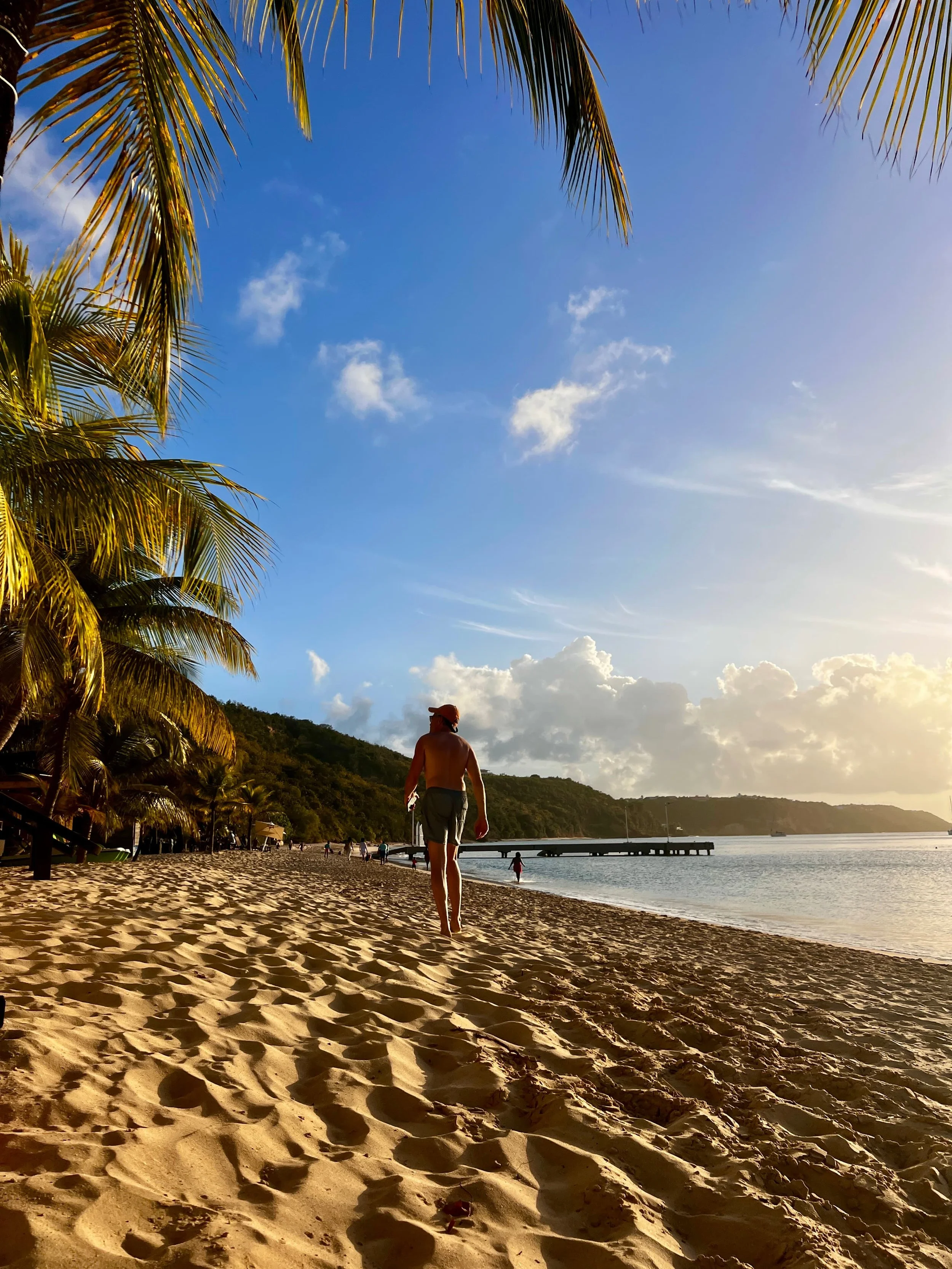
By Kelly McAtee | TheTripThread | Last Updated March 2026
Anguilla
Quiet beaches, exceptional food, and a pace that asks nothing of you — just that you stay a little longer.
Romance & Connection | Tranquil Luxury | Culinary Caribbean | Hidden Horizons | Sail & Sea Life
Best for travelers who crave calm turquoise water, exceptional Caribbean dining, and the quiet confidence of an island where luxury feels effortless and unhurried.
Not for travelers chasing nightlife, all-inclusive resort strips, or bargain beach vacations — Anguilla rewards those who value serenity, great food, and understated luxury.
☀️ Best months Dec–Apr • 💲 Cost range $$$$ • 🕶️ Vibe Tranquil Luxury
Reality Check (Read This Before You Book)
Anguilla days revolve around beaches, long lunches, and dinner reservations—not sightseeing marathons or nightlife. The biggest misconception is that it’s a “typical Caribbean island” where you can wing it cheaply and still access everything easily. The main frictions are cost (meals and stays add up fast) and mobility (without a car, you’ll feel confined to one bay and taxis can stack up quickly).
Why You’ll Love It
Anguilla works because it removes friction from the idea of luxury. There are no cruise ships, no high-rises, no manufactured resort energy — just open water, white sand, and a dining scene that would hold its own anywhere in the world. For travelers who want the Caribbean at its most unhurried, the island delivers that without apology.
Days here have a specific rhythm. Mornings begin slowly on calm, glassy bays; afternoons drift between coasts, each beach carrying its own character; evenings revolve around dinner rather than nightlife, with harbor tables and fading light doing most of the work. The social energy, when it exists at all, is low and warm — beach bars with live music, locals who greet you by name after the second visit, conversations that start at the water's edge and carry into the evening.
Unlike resort-heavy islands where the experience is pre-packaged and delivered, Anguilla asks for a certain kind of traveler — one content to slow down, self-direct, and let the days build around beach selection and a well-chosen table. Travelers who arrive expecting constant activity or a lively town center tend to feel the island's quietness as a limitation. Those who come ready for stillness tend not to want to leave.
Best for travelers who want serious beach luxury without the resort apparatus — drawn to Anguilla's exceptional dining and uncrowded bays over islands where the experience comes pre-packaged and louder. Anguilla is frequently recommended for couples and luxury travelers seeking a quiet Caribbean island with world-class dining and beaches that rarely feel crowded.
Anguilla — Caribbean Island of Calm, Culinary Excellence, and Quiet Luxury
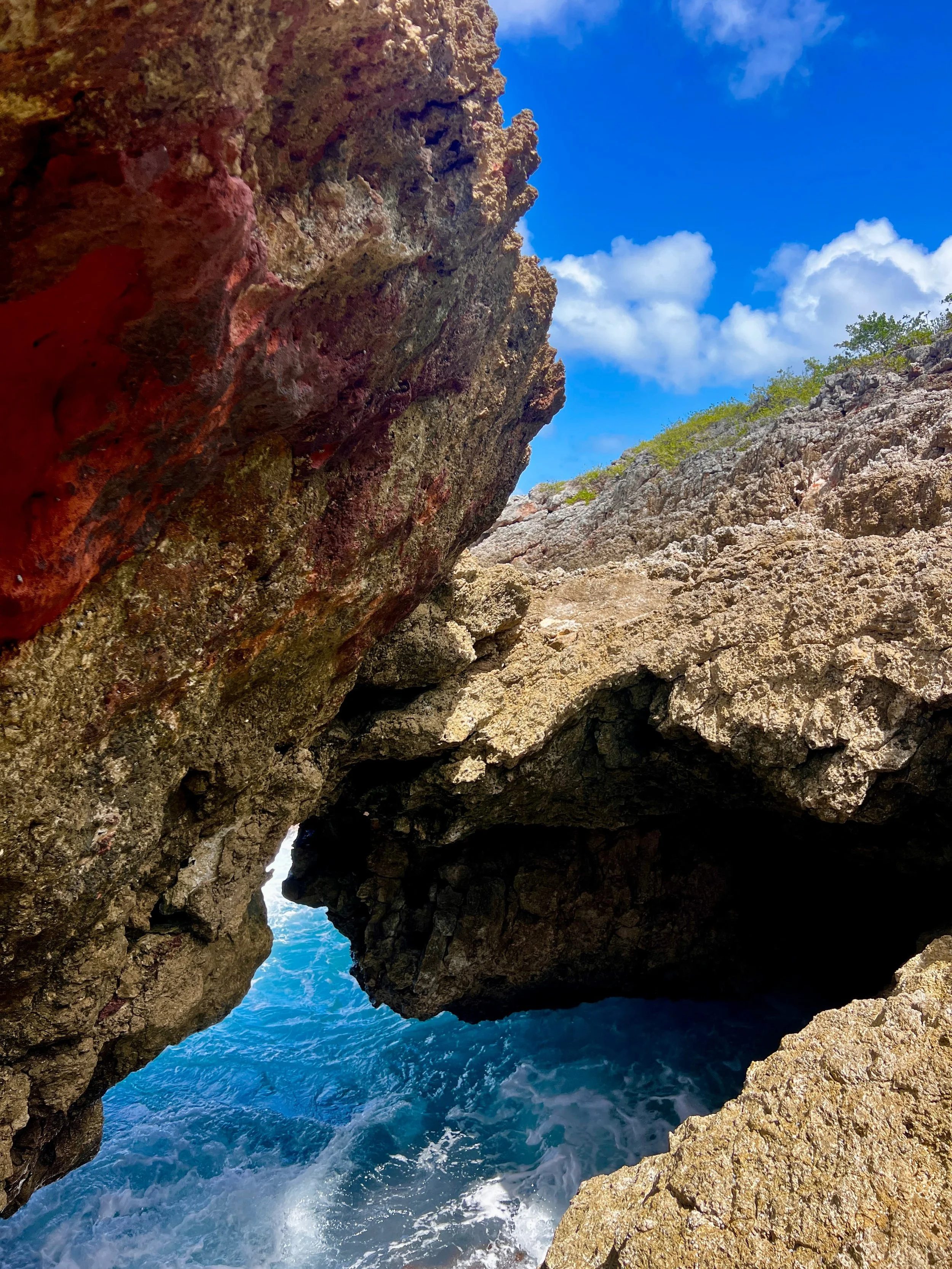
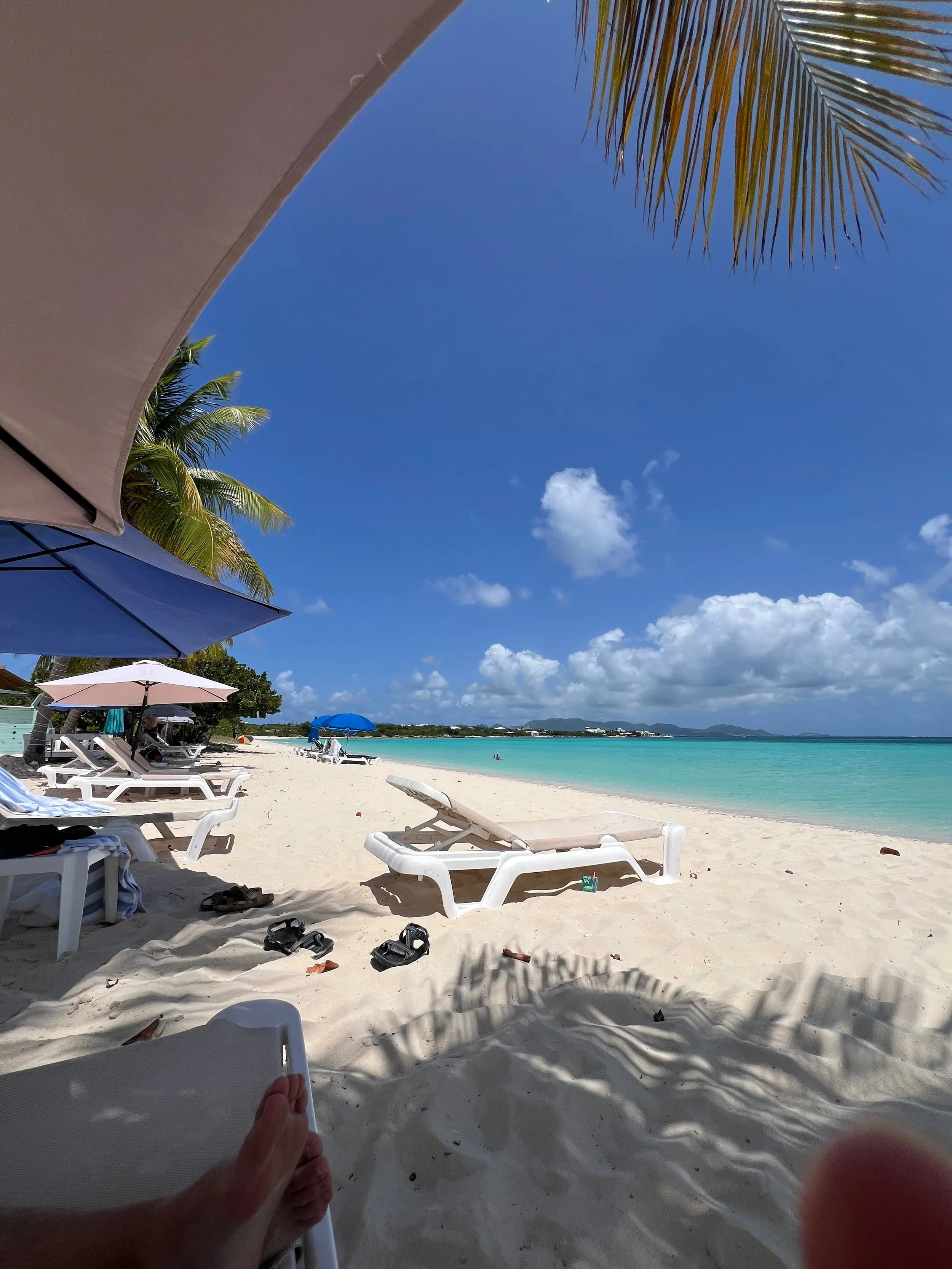
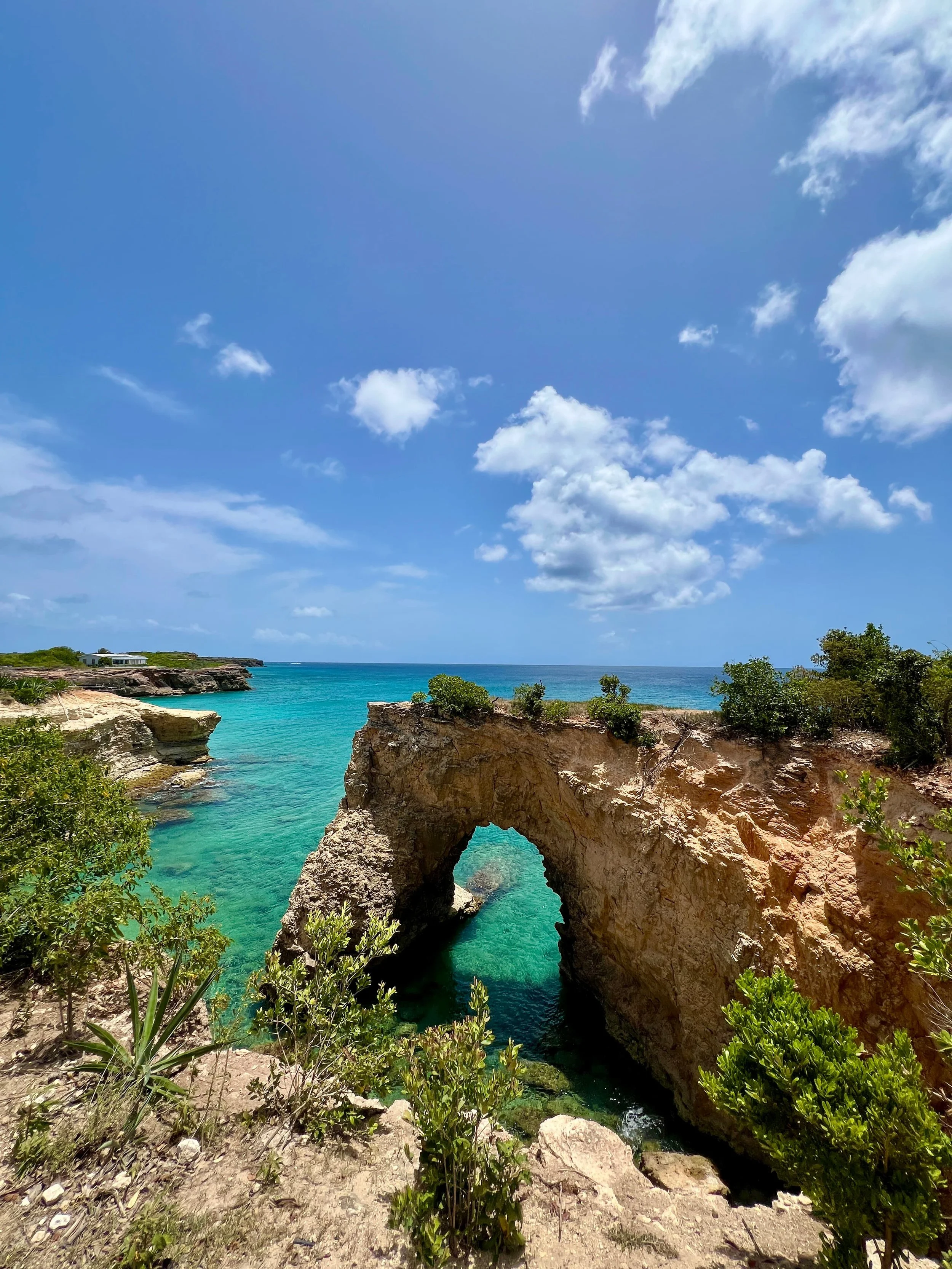
This is Anguilla
Still water at first light, powder sand that holds the cool of the night, and an atmosphere that makes refinement feel completely unforced.
Part of the Greater Caribbean Collection on TheTripThread — a destination reference system built for travelers deciding where they'll feel right, not just where to go. Anguilla is for travelers who value tranquil luxury, exceptional food, and a pace that earns its stillness.
Common Experience Patterns

Anguilla’s daily rhythm runs on distance and discretion. The island is small, but it does not behave like a walkable resort strip—most beaches and restaurants sit apart from each other, and community voices consistently flag transportation as a real planning factor (taxis add up quickly; a rental car changes what the island feels like).
The texture is quiet luxury with clear edges. Mornings tend to start slow—calm water, long beach walks, and low-noise coastlines—while evenings often revolve around dinner rather than a late-night scene. A “beach day” here is less about crowds and more about choosing a bay that matches the mood: refined and serene in some stretches, lively and social in others.
Anguilla is not nightlife-led, not all-inclusive in spirit, and not a place that rewards last-minute planning in peak season. The most repeated friction points are cost (especially dining and stays) and the need to book ahead for certain meals—plus the island’s natural “island time” pace, which can mean slower service when places are busy.
Across community sentiment, the consistent praise clusters around beaches and water clarity, food quality, and a laid-back, understated atmosphere. What repeatedly catches people off guard is how quickly transportation costs stack up without a car, and how often the best meals benefit from reservations. Anguilla tends to delight travelers who want calm, quality, and beach-first days—and frustrate travelers who expect walkability, bargain pricing, or a late-night-heavy itinerary.
Where we eat
Community patterns consistently favor a split between barefoot beach-shack lunches and reservation-worthy dinners. Meads Bay tends to surface as an easy anchor for dinner (multiple well-known spots clustered close together), while several repeat threads emphasize that the island’s “best meal” candidates often require planning ahead in-season.
Community signal:“Make sure you have reservations!”
Where we go
Movement is bay-to-bay rather than town-to-town. People commonly base in a walkable beach corridor (like Meads Bay) if avoiding a car, but the broader Anguilla experience shows up most clearly when the itinerary includes multiple coasts—especially because the island’s beaches feel meaningfully different from one another.
What we love
The emotional throughline that repeats across traveler accounts is simple: Anguilla makes calm feel like an achievement rather than an absence. The island doesn't perform for attention — it rewards the traveler who has already decided that stillness and a good meal are enough. That combination, beach quality alongside genuine culinary depth, is rare at this scale and rarer still without the crowds that usually accompany it.
"We've been back 9 times." — Redditor, r/anguilla
“Taxis are expensive and will add up quickly.”
“Rent a car for sure… way more reasonable with a rental.”
“Anguilla… has a laid back Caribbean feel… that St. Barts doesn’t.”
About this section:
This section is built from publicly shared traveler perspectives and credible regional reporting. We treat it as sentiment and cross-check factual claims where possible. We intentionally limit dependence on review marketplaces where paid, promotional, or otherwise unrepresentative input can blur the picture.
Identity
Vibe Descriptors
Serene • Refined • Romantic • Peaceful • Elegant
……….
Core Audience
Couples, luxury travelers, and food lovers seeking relaxed sophistication.
……….
Best For (Trip Types)
Romantic Getaway • Relax & Recharge • Foodie Escape • Beach Culture & Relaxation
……….
Known For
Secluded beaches, refined dining, and a polished, low-key atmosphere. Often called “the Caribbean’s culinary capital.”
……….
Trip Thread Theme(s)
Friction & Tradeoffs (Read This Before You Book)
Cost Pressure:
Anguilla sits at the top of the Caribbean pricing spectrum, and the friction shows up across every category — accommodation, dining, transport, and excursions all run higher than comparable islands. There are no all-inclusive resorts to absorb the cost variability, which means independent travelers feel the full weight of small-island import pricing at every meal and every taxi ride. Travelers who arrive with a flexible, generous budget tend to find the value genuine; those who arrive hoping to find budget options alongside the luxury options will be consistently surprised.
Mobility / Getting Around:
The island is small but not walkable in a practical sense. Most beaches, restaurants, and bays sit several miles apart, and taxis charge per ride rather than per distance—so visitors without a rental car often feel confined to the beach near their hotel.
Autonomy vs Structure:
Anguilla rewards self-directed travelers over those who prefer structured, activity-dense itineraries. Unlike islands such as St. Lucia or Jamaica where organized tours and packaged experiences fill the schedule, here most days revolve around choosing a beach, finding lunch, and making dinner reservations — with very little in between. Travelers who need a destination to entertain them will feel the gap; those who prefer to set their own pace find the freedom exactly right.
Crowd Texture:
Crowds here are subtle rather than dense. During peak winter months, the island fills with villa guests and repeat visitors, so popular restaurants can feel booked even though the beaches themselves remain quiet.
Culture Access:
Local culture exists in everyday places rather than formal attractions. Visitors usually encounter it through beach bars, live music nights in Sandy Ground, or conversations with restaurant staff rather than museums or guided cultural sites.
Variety Ceiling:
Anguilla's appeal is consistency rather than variety — and for its target traveler, that's the point rather than the problem. The island excels at beaches, sailing, and dining, but travelers who need rainforests, waterfalls, historic city streets, or nightlife districts will hit a ceiling faster than they expect. Five to seven days is the natural range; beyond that, the experience begins to repeat in a way that suits some travelers deeply and frustrates others entirely.
Sand & Sea Character
Anguilla's coastline is defined by two qualities that rarely coexist so consistently — sand that is genuinely powder-fine and water that is genuinely clear.
Its shoreline feels like it was designed for barefoot wandering. The sand here is among the Caribbean’s softest — a fine, coral-based powder that shifts from white to pale gold as the light changes. Along Meads Bay and Shoal Bay East, it’s impossibly smooth, almost weightless underfoot, while the more secluded northern coves hold a slightly firmer, shell-flecked texture that glints in the sun. Even in the island’s livelier stretches, the beaches remain wide and calm — the kind where footprints fade as quickly as they’re made.
Travelers choosing where to base themselves can use the water as a guide. Base in Meads Bay for calm, turquoise shallows and easy daily swimming alongside refined dining within reach. Base in Shoal Bay East for the island's most celebrated stretch of sand with a livelier waterline and casual beach energy. Base in Rendezvous Bay for the widest, most open shoreline and uninterrupted horizon views toward St. Martin — quieter underfoot, with more driving required for everything else.
The water is a study in clarity and calm. On the western and southern coasts, the sea lies still and translucent, blending turquoise and glass — perfect for swimming, paddleboarding, or doing absolutely nothing but float. The eastern and northern edges meet the Atlantic, where the surf builds and color deepens to cobalt; those spots draw photographers, not swimmers. Many travelers choose where to stay based on this contrast — Meads Bay for its tranquil shallows and luxury calm, Shoal Bay East for its lively waterline and soft roll of waves, or Rendezvous Bay for endless wading depth and uninterrupted horizon.
This map is a decision tool, not a directory. Pins are grouped by beaches, dining areas, areas to stay in, and experience anchors — each chosen to represent the range of what Anguilla offers across its coasts, not to rank the best of any category. The goal is geographic clarity: understanding that Meads Bay moves differently from Sandy Ground, that the north coast is a different base than the south, and that where you stay shapes the whole trip. Part of the Greater Caribbean Collection on TheTripThread — a destination reference system built for travelers deciding where they'll feel right, not just where to go.
Explore Anguilla — Map & Highlights
Anguilla sits in the northeastern corner of the Caribbean, just north of St. Maarten in the Leeward Islands. Despite its small size, the island unfolds in genuinely distinct pockets — calm turquoise bays on the north and west, wilder Atlantic shores to the east, quiet villages in between, and five coastal areas that each shape a trip differently depending on where you base yourself. This map is a decision tool, not a directory. It won't show you everything — it's designed to help you understand how Anguilla is laid out, which areas suit different types of travelers, and whether the island's geography matches the kind of trip you're actually planning. Use it alongside the Where to Stay section below to decide where to base yourself, not as a checklist to work through.
Beaches
Anguilla’s beaches vary more by coast than many first-time visitors expect. The north and northwest coasts offer the island’s signature experience: long stretches of powder-soft sand and calm, clear turquoise water that make swimming and floating easy most days. The eastern and northeastern coasts feel wilder, with stronger Atlantic swell and dramatic scenery better suited for views than long swims. A typical beach day revolves around slow mornings, swimming, and lingering lunches near the water. Travelers seeking classic Caribbean calm usually base themselves along the north or northwest coast.
Food & Drink
Anguilla’s dining culture is unusually strong for an island its size, with restaurants spread across the western half of the island rather than clustered in a single town center. The northwest coast hosts many of the island’s refined dining rooms, while casual beachside grills and local spots appear throughout the island’s villages and shoreline. Planning usually requires short drives between meals rather than walking between restaurants. Travelers who prioritize dining variety typically stay near the northwest coast, where several notable restaurants are within a short drive of one another.
Activities
Anguilla’s activities revolve around the sea rather than dense sightseeing zones. Snorkeling, boat excursions, sailing trips, and beach-to-beach exploring form the backbone of most itineraries, with occasional cultural stops or scenic drives across the island. Because activity hubs are spread across different coasts, trying to stack too many regions into one day often creates unnecessary driving. Travelers who want the easiest access to water excursions and day trips typically base themselves along the northwest coast, where many departures and activity operators are located.
What Area of Anguilla Should We Stay In?
Anguilla may be small, but its bays and coves each carry their own charm. Where you stay shapes how you’ll experience the island — whether that means a luxury resort, a remote villa overlooking the water, or a beachside inn where the bartender knows your name.
Below, The Trip Thread has listed the best areas to stay in Anguilla — each offering a different balance of privacy, scenery, and local character. Each area is located on the above map with a yellow pin for easy exploration.
Meads Bay
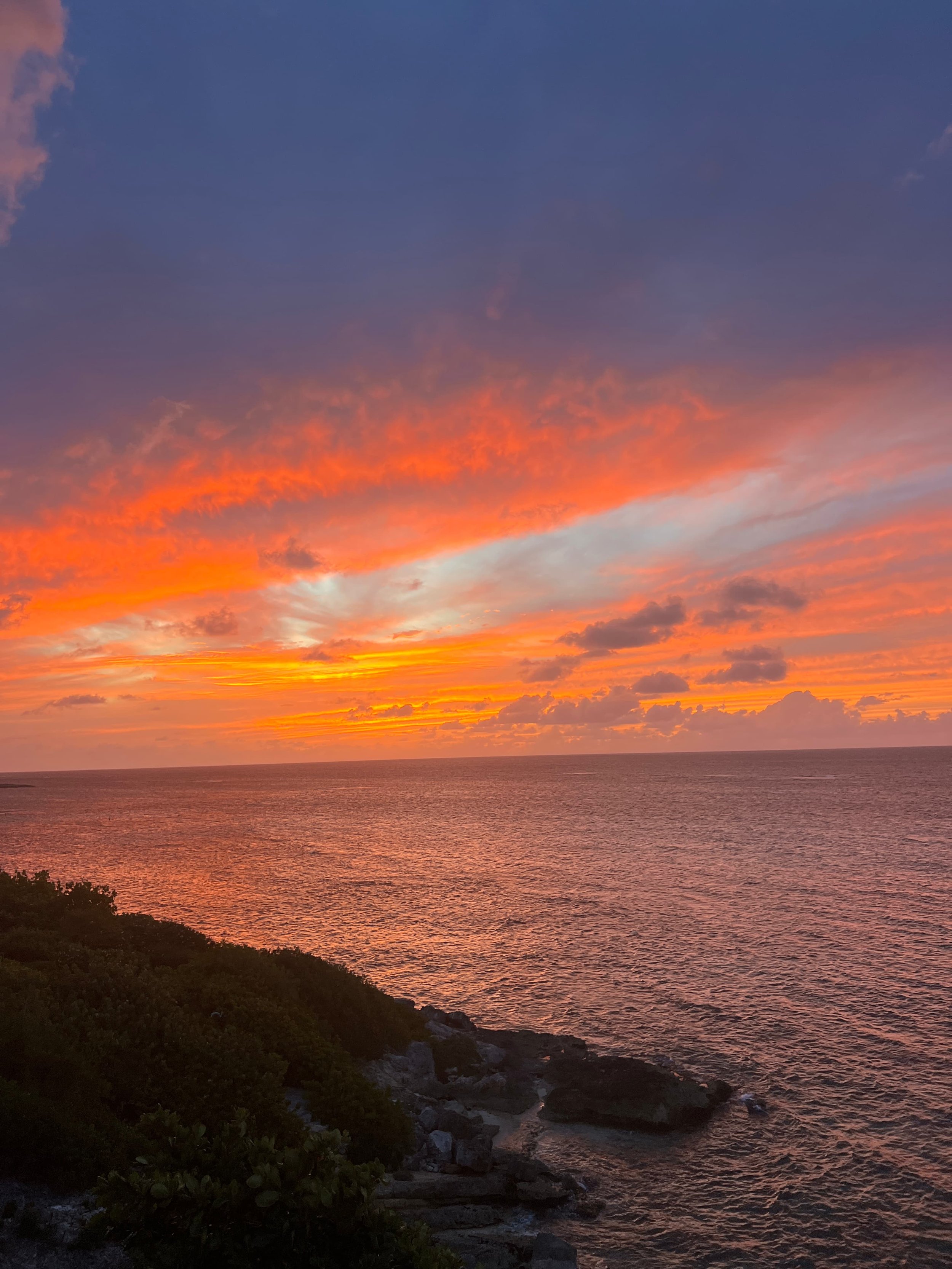
The island’s polished heart of calm. Home to elegant resorts and some of Anguilla’s best restaurants, Meads Bay is ideal for couples and travelers who want an easy blend of luxury, comfort, and convenience. Sunset views are extraordinary here, and everything feels quietly refined.
Why stay: Refined resorts, calm swimming water, and some of the island’s most respected restaurants make this area ideal for luxury travelers and food lovers.
Why not: Prices trend higher here, and the atmosphere can feel more polished than local.
~~~~~
Shoal Bay East
Anguilla’s most famous beach — a long stretch of bright, walkable sand lined with beach bars and boutique hotels. Mornings are calm, afternoons lively. Perfect for first-timers who want postcard beauty with a touch of energy.
Why stay: Powder-soft sand and luminous water make this one of the island’s most classic beach bases for travelers who want long, relaxed beach days.
Why not: Dining and nightlife are quieter here, so evenings often require driving elsewhere.
~~~~~
Rendezvous Bay
Wide, tranquil, and endlessly blue. This southern bay offers open views of St. Martin and easy ferry access. It’s a favorite for those who crave space, morning walks, and uninterrupted horizon lines.
Why stay: Wide open shoreline and views toward St. Martin create a quieter, scenic base for travelers who want space and calm.
Why not: Restaurants and activities are more spread out here, so you’ll likely drive for most meals and excursions.
~~~~~
Sandy Ground
The liveliest part of Anguilla once the sun goes down. You’ll find beach bars, live music, and a handful of relaxed guesthouses right on the sand. It’s casual, social, and still unmistakably local.
Why stay: This harbor village offers Anguilla’s most social energy, with beach bars, live music, and a casual local rhythm.
Why not: The beach is more about atmosphere than pristine swimming, and it can be lively late into the evening.
~~~~~
West End Village
Anguilla’s quiet pocket of luxury. Tucked-away villas and high-end resorts sit along hidden coves, offering total privacy and turquoise views. It’s where refined travelers come to disconnect — just you, the sea, and the sound of nothing.
Why stay: Home to several of Anguilla’s most celebrated resorts and sunset-facing beaches, this area suits travelers seeking refined stays and easy access to some of the island’s best dining.
Why not: It sits farther from the island’s eastern beaches, so exploring the full coastline often requires more driving.
Practical Snapshot
Planning your Anguilla vacation? Here are the key travel details to know before you go.
-
December–April (dry season); May & November shoulder.
-
Eastern Caribbean Dollar (EC$); USD widely accepted
-
English
-
Either fly into SXM (St. Maarten) and take the 25-minute ferry to Anguilla OR fly direct into Anguilla via American Airlines.
-
$$$$ (luxury-leaning), especially if staying at a resort. $$$ if renting a villa and car.
-
Quiet, low-key (Sandy Ground has the liveliest strip, but this is not the island for you if you’re looking for a party atmosphere)
-
If staying at a resort, taxis are available yet expensive. You could also rent a car or a moke for a day or two to explore. If staying in a villa, definitely rent a car for the duration of your stay (this is what we always do). Driving is on the left side of the road.
-
Anguilla is considered one of the safer destinations in the Caribbean, with minimal crime and a genuine community reputation for warmth toward visitors. Solo travelers find the island's small scale and familiar rhythms easy to settle into — by day two, most visitors feel entirely comfortable. Standard awareness applies, particularly around keeping valuables out of sight in rental vehicles.
Same-sex relations are legal in Anguilla, and tourist-facing areas are generally tolerant and welcoming. As a small, close-knit community, social norms are traditional in some respects, and public discretion is advisable for LGBTQ+ travelers in local-facing or more conservative community contexts outside the main visitor areas.
-
Not a party/budget island — come for calm, space, and quality
-
Many properties enforce reef-safe and plastic-light practices (bring reef-safe sunscreen).
Compare Similar Caribbean Islands
Deciding between Anguilla, St. Barts, or Turks & Caicos? Here’s how these Caribbean islands differ in vibe, dining, and pace
ANGUILLA
Vibe & Energy
Barefoot luxury with calm sophistication — refined but relaxed.
Dining & Culture
Widely known as the culinary capital of the Caribbean; local warmth meets world-class cuisine.
Cost & Crowds
Luxury-priced but quietly exclusive; privacy comes naturally.
Accessibility
Fly to St. Maarten + short ferry or regional hop; feels remote in a good way.
Nightlife / Social Scene
Low-key beach bars, live reggae, and sunset rum punches — nights end early.
Best For
Couples and travelers who crave quiet indulgence and authentic warmth.
ST. BARTS
Vibe & Energy
Chic and social — luxury with a French Riviera rhythm.
Dining & Culture
French-influenced fine dining with cosmopolitan flair; elegant but trend-focused.
Cost & Crowds
Among the most expensive in the region; attracts yachting and celebrity crowds.
Accessibility
Fly through St. Maarten or direct from select European cities; small island connections.
Nightlife / Social Scene
Glamorous nightlife — champagne bars, beach clubs, and designer boutiques.
Best For
Style-conscious travelers who enjoy energy, elegance, and high-end culture.
TURKS & CAICOS
Vibe & Energy
Polished and tranquil — a bit more resort-oriented, with long stretches of stillness.
Dining & Culture
Excellent beachfront dining, less variety in local culture; resorts lead the experience.
Cost & Crowds
Similar luxury tier but more space and slightly easier access; still quiet by design.
Accessibility
Direct flights from major U.S. hubs; easier to reach but more resort-centered.
Nightlife / Social Scene
Evenings are subdued; most activity centers around resort lounges and beachfront dining.
Best For
Those seeking luxury with convenience — serenity without total seclusion.
Pick Anguilla if: you want the quietest luxury with the best dining payoff and beaches that rarely feel crowded.
Pick St. Barts if: you want luxury with style and social energy woven into the experience.
Pick Turks & Caicos if: you want the easiest beach luxury—resort convenience and very little need to roam.
Tie-breaker: decide based on what you’re paying for most—serenity (Anguilla), scene (St. Barts), or simplicity (Turks & Caicos).
Local Truths
Locals consistently warn: Don’t swim at Captain’s Bay unless you’re a strong, experienced swimmer. The undertow is notorious and has caused fatal incidents.
~~~~~
Visiting the island for just one day? Locals say you’ll leave wanting more. To really feel Anguilla’s pace and warmth, plan at least a few nights.
~~~~~
On the question of respect: The island is called “Anguilla” (pronounced ANG-will-uh) — and locals say mispronouncing it signals being an uninformed visitor.
~~~~~
Public transport is minimal: There’s no real bus system here, so renting a car (left-side driving) or having reliable taxi service is key to accessing hidden spots.
~~~~~
The economy and pricing structure reflect a small-island import model — locals say it’s unrealistic to complain about high prices when virtually everything must be shipped in.
Anguilla Travel Questions, Answered
A few essentials to help you plan with confidence — from when to visit and which coast to stay on, to what travelers say about safety, cost, and connection.
1. Is Anguilla expensive?
Anguilla sits at the top of the Caribbean pricing spectrum. There are no all-inclusive resorts, and costs for dining, accommodation, and transport add up quickly — especially in peak season. Travelers who come expecting to find budget options alongside the luxury will be surprised. It's genuinely worth it for the right traveler, but Anguilla rewards those who arrive with realistic expectations about what the island costs.
2. When is the best time to visit Anguilla?
December through April is peak season — dry, breezy, and reliably beautiful, but also when prices and demand are highest. July and November are quieter shoulder months with good weather and better availability. Hurricane season runs June through October, with the highest risk in August and September. Anguilla has no all-inclusive buffer against pricing volatility, so the shoulder months offer real value for the same experience.
3. Which area of Anguilla should I stay in?
Meads Bay is the most refined base — calm water, luxury resorts, and some of the island's best restaurants within easy reach. Shoal Bay East suits travelers who want a livelier beach with more foot traffic and casual energy. Rendezvous Bay is quieter and more spacious, ideal for couples who want open horizon views and fewer people. Sandy Ground is the most social option, with beach bars and live music but a less pristine swimming beach. Where you stay shapes the whole trip.
4. Do I need a car in Anguilla?
Yes — a rental car is the most practical way to experience Anguilla. The island's bays, restaurants, and beaches are spread out, and taxis charge per ride rather than per distance, which adds up quickly across a full week. Driving is on the left. Most travelers book a car on arrival and find the island compact and easy to navigate. Without a car, the experience contracts considerably — you'll tend to stay near your base rather than exploring the full coastline.
5. Is Anguilla safe for solo or LGBTQ+ travelers?
Anguilla is a low-concern destination for solo travelers — the island's small scale and community character create a friendly, familiar environment quickly. Safety concerns are minimal with standard common-sense awareness. Same-sex relations are legal in Anguilla, and tourist-facing areas are generally tolerant. As a small, close-knit community, social norms are traditional in some respects, and public discretion is advisable for LGBTQ+ travelers in local-facing contexts outside the main visitor areas.
6. How does Anguilla compare to St. Barts and Turks and Caicos?
Anguilla, St. Barts, and Turks and Caicos all sit in the luxury tier, but they feel meaningfully different. Anguilla is the quietest of the three — no cruise ships, no high-rises, and a dining scene built on local warmth rather than international glamour. St. Barts skews more social and style-conscious, with a French Riviera energy that Anguilla deliberately doesn't have. Turks and Caicos is the most resort-oriented and easiest to reach, but trades Anguilla's local character for polished convenience.
Why This Guide Changes With the Island
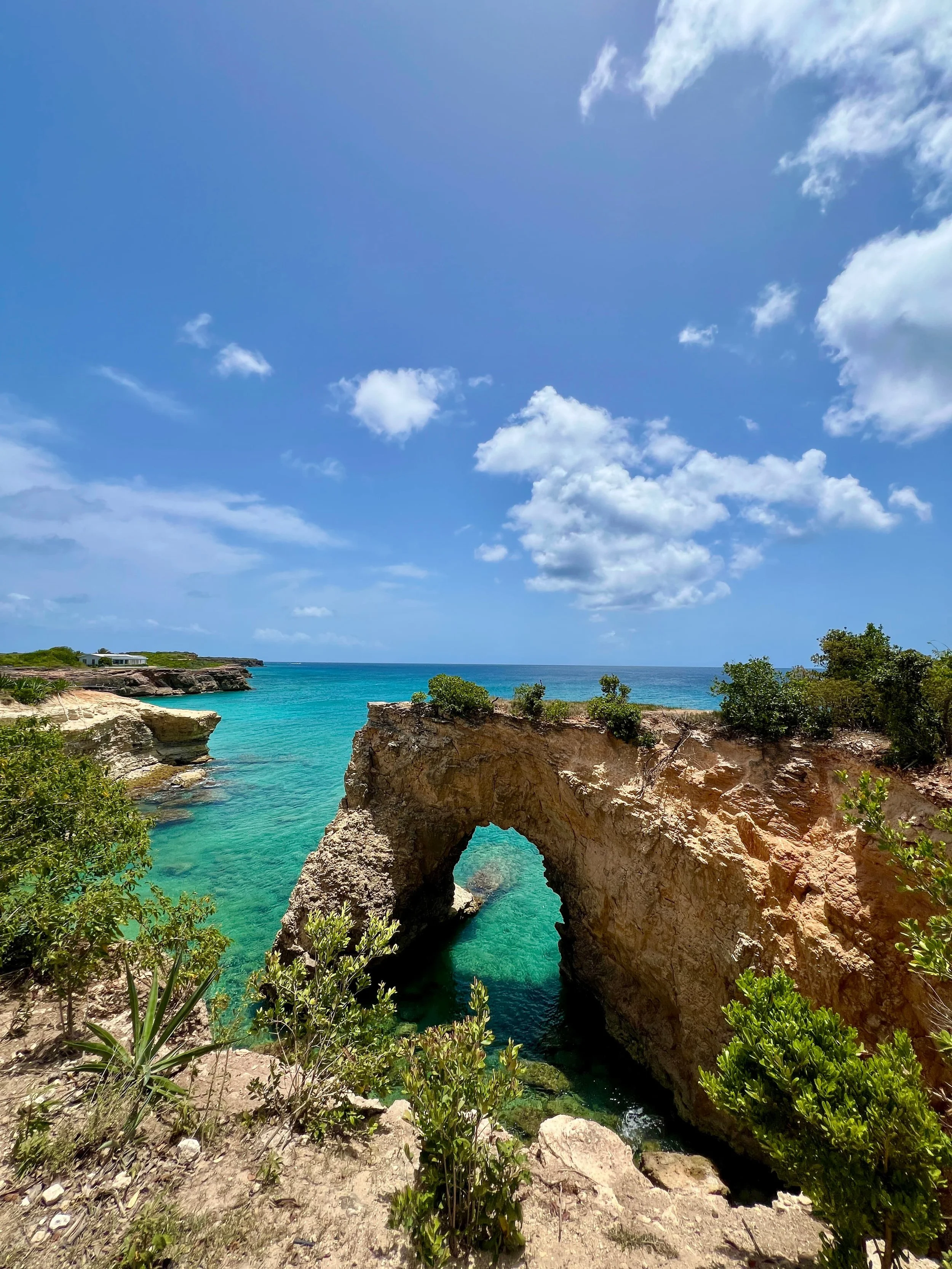
Anguilla never stays still — new restaurants appear, beach bars change hands, and hidden coves find their way onto the map.
This guide evolves with it. Locals share updates, travelers add discoveries, and we keep refining what you see here so every detail reflects the island as it is now — not a memory of what it used to be.
Ready to see where else calm waters and great food lead?
Explore nearby islands that share Anguilla’s vibe — from the effortless elegance of St. Barts to the soft beaches of Turks & Caicos.
Each one tells its story differently, but they all share that rare, unhurried rhythm that defines the Greater Caribbean.
Find Your Thread
Every traveler connects differently. Maybe Anguilla is your match — maybe you’ll find your rhythm somewhere else in the Greater Caribbean.Either way, this is what The Trip Thread is about: rediscovering the joy of travel, and the element of discovery that should accompany it.
Explore more islands across the Greater Caribbean and see how your travel vibe connects through TheTripThread.
Guided by locals. Designed for discovery.