By Kelly McAtee | TheTripThread | Last Updated March 2026
St. John, USVI
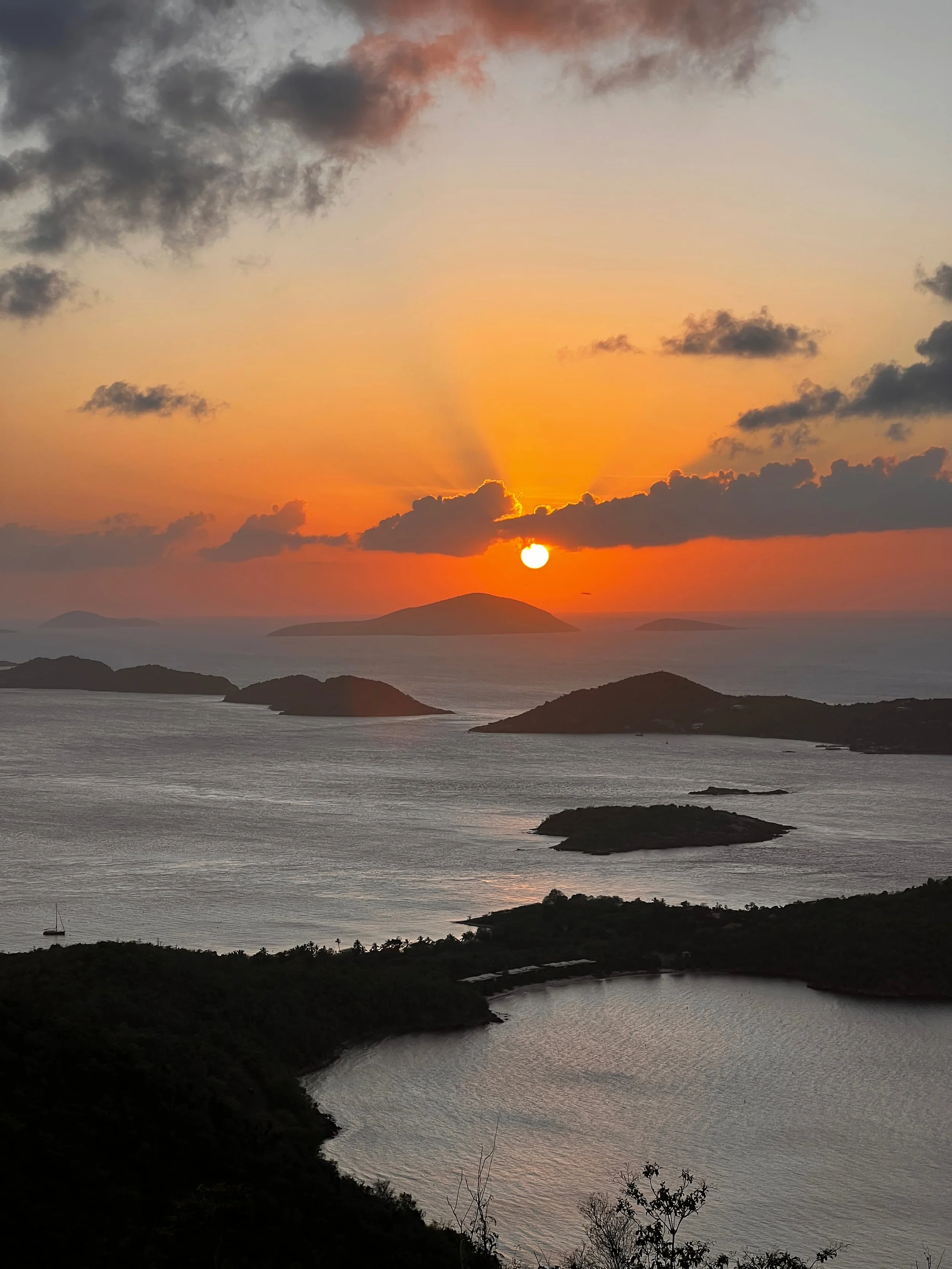
Mostly national park, no cruise terminal — just trails, reefs, and coves that stay quiet because the island is protected by design.
Adventure & Nature | Hidden Horizons | Sustainable Shores | Sail & Sea Life
Best for travelers who build days around trails and snorkel swims, drawn to St. John's national-park beaches and natural quiet over resort convenience, all-inclusive ease, or islands built for nightlife.
Not for travelers who want all-inclusive ease, late-night energy, or amenities at every beach without planning and driving.
☀️ Best months: Dec–Apr 💲 Average cost: $$$ 🕶️ Vibe: Wild & serene
Reality Check (Read This Before You Book)
St. John requires effort to reach and rewards planning once you're there. There is no airport on the island — getting here means flying into St. Thomas and taking a 20–45 minute ferry, then renting a 4x4 and navigating steep, left-side roads to reach most beaches and trailheads. That access structure is not a minor detail; it shapes every day of the trip, from morning timing to dinner logistics.
The biggest misconception: that St. John's national-park beauty means effortless access. It doesn't. About two-thirds of the island is protected parkland, which means development is limited by design — and so are amenities. Dining options are concentrated in Cruz Bay and Coral Bay with modest variety. After dark, the island goes quiet fast.
A few things worth knowing before you commit:
If you need airport proximity, direct access, or a simple arrival day, St. John's ferry requirement adds meaningful friction to every trip start and end.
If dining variety matters, Cruz Bay has a respectable but limited number of restaurants. There is no dense food scene to wander through nightly.
If nightlife is part of the plan, St. John's nightlife score is among the lowest in the collection — evenings are casual, short, and taper off early.
If all-inclusive structure is what you want, there are none on St. John. Most accommodation is villa rentals, which means grocery runs and self-catering are part of the logistics.
Travelers who love St. John most arrive knowing it's a trip they build themselves — and find the effort entirely worth it.
Why You’ll Love It
St. John works because roughly two-thirds of it is national park — which means the beaches are protected, the reefs are genuinely healthy, and the development is kept deliberately limited. For travelers who want wild Caribbean beauty without the resort layer, the island delivers that more consistently than almost anywhere else in the collection. The ferry from St. Thomas adds a step to every arrival and departure, but most travelers who've made that trip once come back and make it again.
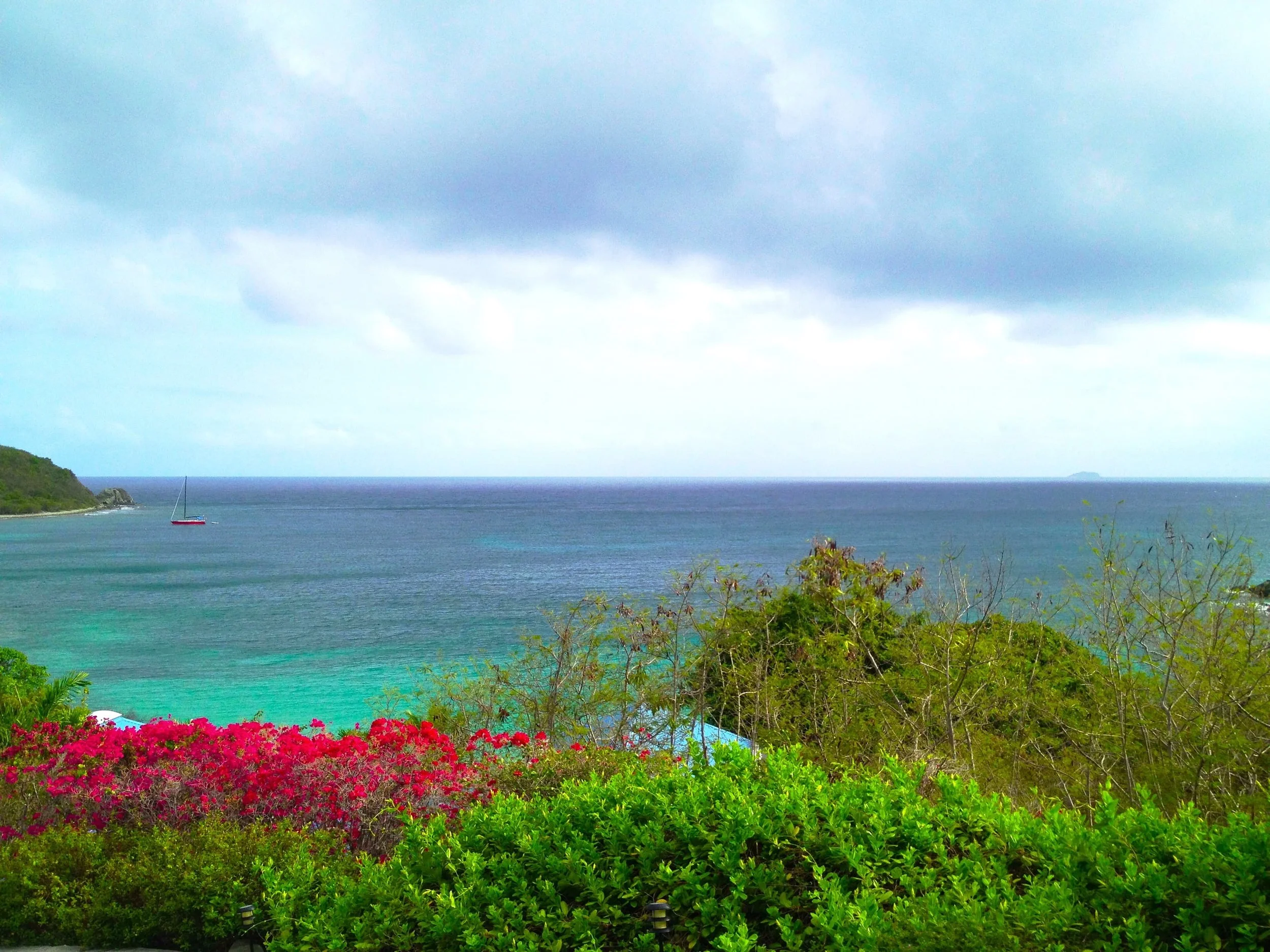
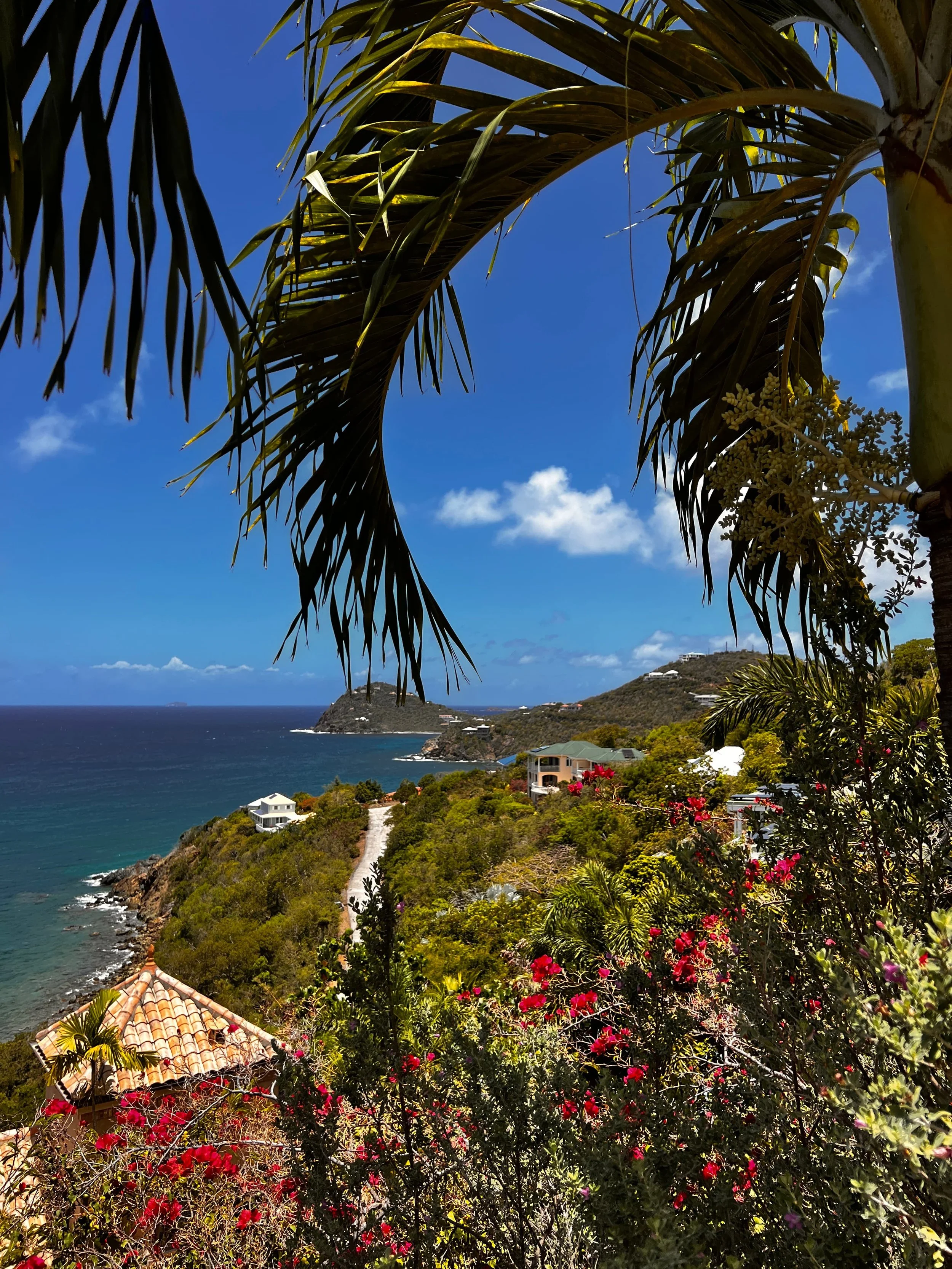
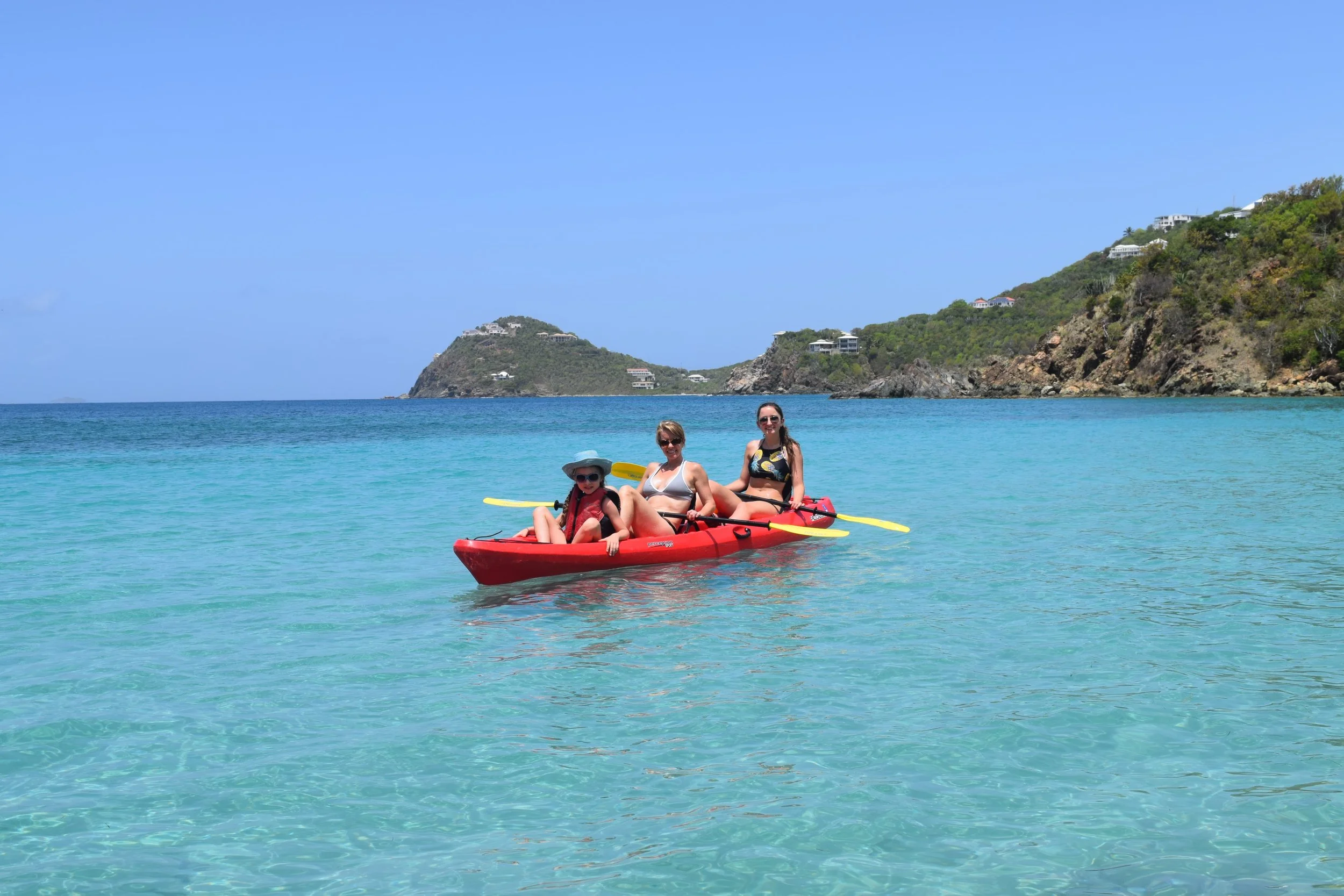
Most days look simple in the best way: turquoise coves with crystal-clear water, a quick snorkel over coral, a trail that drops you into a quiet beach, then a laid-back drink back in Cruz Bay. It’s verdant and bright, with that “I can breathe again” feeling — and the island’s friendly social energy makes even low-key nights feel warm instead of empty.
What St. John is not is a typical resort Caribbean experience. You don’t come here for all-inclusive convenience, nightlife on demand, or amenities at every turn — you come for protected beaches, hikes, and underwater time, and you trade ease for access (ferry logistics, driving, and planning your beach days).
Best for travelers who choose trails and snorkel swims over resort convenience — and who value quiet park beaches instead of built-up nightlife and all-inclusive ease.
This is St. John
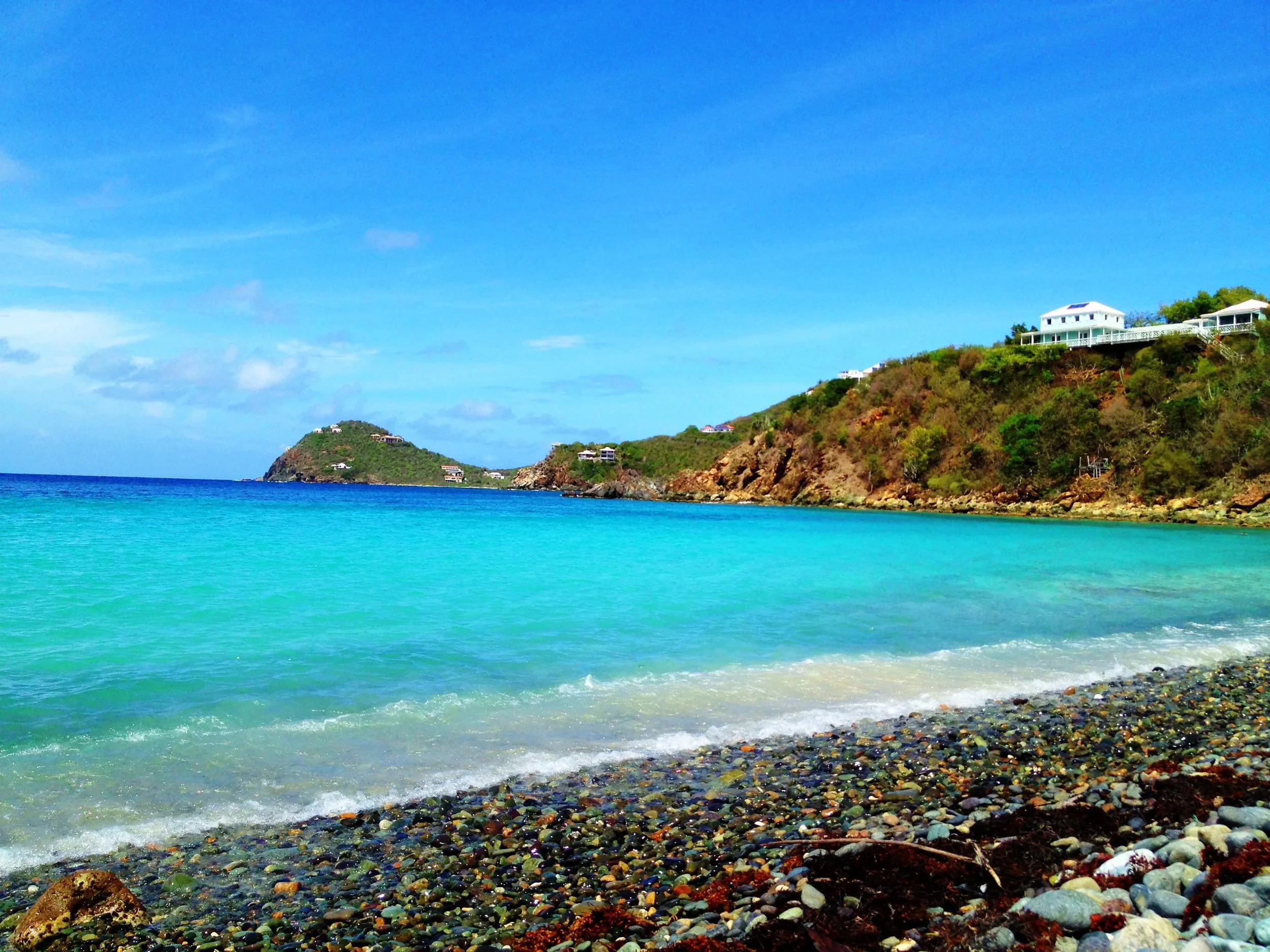
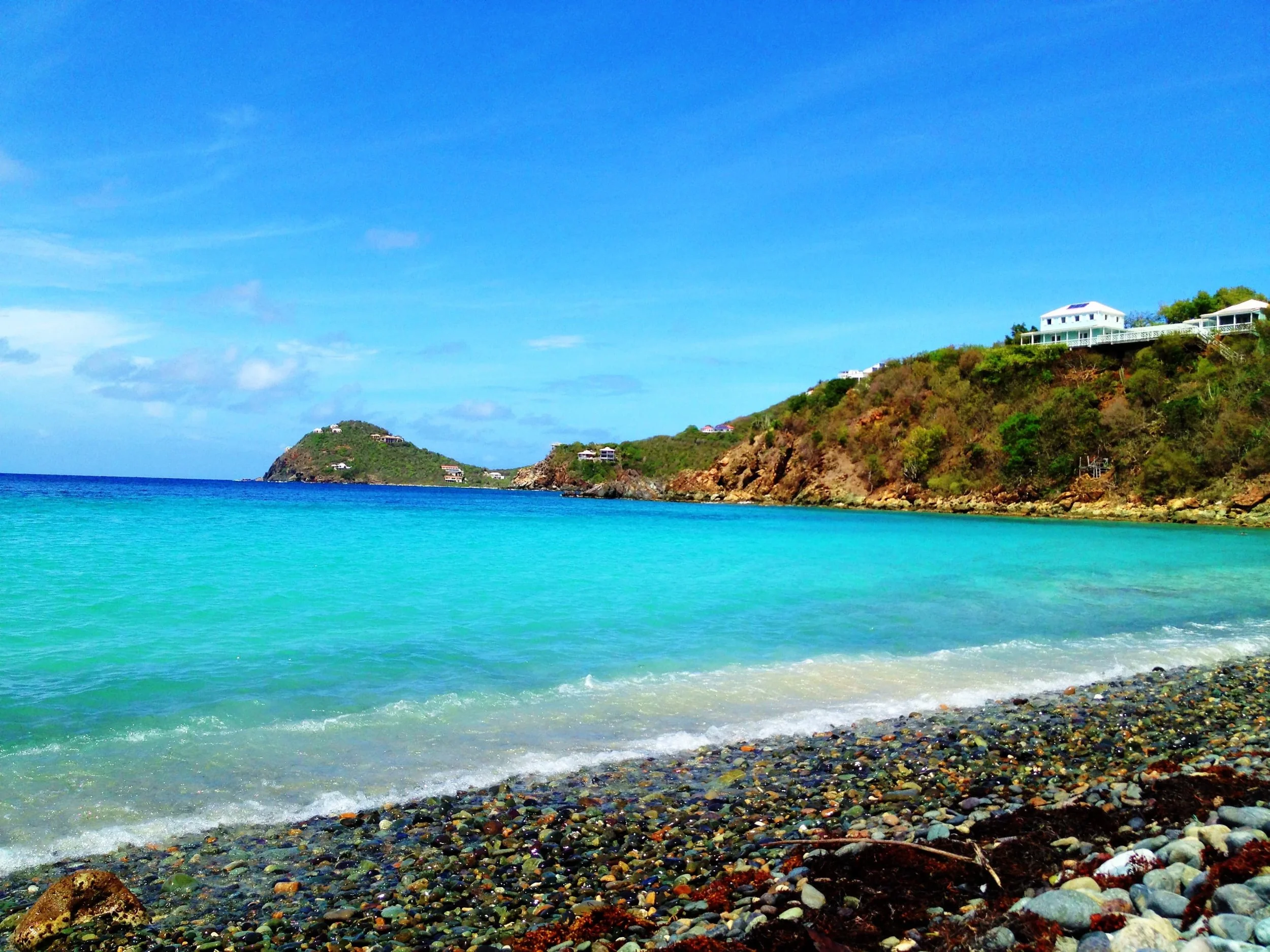
A lush, sea-glass-and-jungle island where protected crescent beaches and green ridgelines set the tone — natural, quiet, and effortlessly wild instead of built-up.
Part of the Greater Caribbean Collection on TheTripThread — a destination reference system built for travelers deciding where they'll feel right, not just where to go. St. John is for travelers who value protected nature, pristine reefs, and an island that rewards the effort of getting there.

Common Experience Patterns

St. John's rhythm is determined by two things: the ferry schedule and the 4x4. The practical reality worth establishing early is that no day on this island begins without planning — ferry timing from St. Thomas, parking at beach trailheads, and dinner reservations in Cruz Bay all require more forethought than on a self-contained island. A Jeep or 4x4 is not optional for most itineraries; steep, winding roads and limited bus service make a rental the difference between a trip that flows and one that contracts around the immediate vicinity of wherever you're staying.
The sensory experience is specific and immediately earned. North Shore mornings are some of the clearest-water, quietest beach hours in the Caribbean — turquoise coves where the national park protection is tangible in the reef health, the water visibility, and the absence of development along the sandline. Cruz Bay adds just enough structure for evenings — a handful of reliable restaurants, a few bars where conversations start easily, and nights that wind down early once the sun drops behind the ridgeline. That's not a limitation; it's the island's actual character.
What St. John doesn't offer is worth naming plainly. The dining scene is modest and concentrated — there is no restaurant corridor to wander, no late-night options beyond a handful of bars. Cultural immersion scores among the lowest in the collection — the island's identity is nature-first rather than community-first, and local culture doesn't surface with the same visibility as on larger, more socially oriented islands. Travelers who arrive expecting the national park beauty to come with a full ecosystem of evening options tend to feel the island's quietness as a gap rather than a feature.
Locals Know — Early arrival at North Shore beaches is not just advice, it's the difference between a good day and a frustrated one. Trunk Bay and Cinnamon Bay fill quickly on peak-season mornings, and the limited parking reaches capacity before 10am on busy days. Locals time their beach days around arrivals at or before 9am, then use midday for shade, food, and regrouping before a late-afternoon return for calmer water and golden light. Planning the day around this rhythm rather than a late resort-style start makes the whole trip work better.
Locals and repeat visitors describe St. John as the Caribbean that stayed the way it was supposed to — especially for travelers who want pristine reefs, protected beaches, and days that are genuinely self-directed — while those who need dining variety, lively evenings, or airport convenience tend to find the logistics more constraining than the scenery is compensating.
Where we eat:
Dining on St. John is concentrated in Cruz Bay, where a short walkable stretch of restaurants covers most of the island's evening options — from casual harbor-side spots to a few more considered dinner tables. Coral Bay on the east side has a handful of laid-back options that suit the area's slower pace, including Skinny Legs, which functions as much as a community gathering spot as a restaurant. Lime Out — a floating taco bar accessible by water taxi — is the one meal that's built around the experience of being on the water rather than the food itself. Reservations at the more popular Cruz Bay spots matter in peak season.
Where we go:
Most itineraries follow the North Shore road — a morning loop between Hawksnest, Trunk Bay, Cinnamon Bay, and Maho Bay covers the island's best snorkeling and swimming in a single day. Waterlemon Cay at Leinster Bay is the island's most rewarding snorkel site for travelers willing to make the walk and the swim. Reef Bay Trail rewards an early start and takes most of a morning — the descent to the reef and petroglyphs is one of the few hikes in the collection that genuinely earns its reputation. Salt Pond Beach on the south side is worth the drive for travelers who want to escape the North Shore rhythm entirely.
What we love:
What St. John consistently delivers is the Caribbean without the commercial layer. The reefs are healthy because they're protected. The beaches are quiet because development isn't allowed. The island's pace is slow because there's nothing to rush toward. For travelers who've been to more developed Caribbean destinations and wanted something less manufactured, St. John tends to feel like a correction rather than a compromise.
"My personal favorite is the little island of St. John… not touristy… beautiful beaches… snorkeling, hiking… and a huge chunk is national park." — Redditor, r/travel
About this section:
This section is built from publicly shared traveler perspectives and credible regional reporting. We treat it as sentiment and cross-check factual claims where possible. We intentionally limit dependence on review marketplaces where paid, promotional, or otherwise unrepresentative input can blur the picture.
Identity
Vibe Descriptors
Serene • Tranquil • Verdant • Laid-back • Friendly
……….
Core Audience
Suited to eco-conscious travelers, adventure seekers, and families who value reefs and trails and don’t mind planning, driving, and ferry logistics
……….
Best For (Trip Types)
Adventure & Exploration · Diving & Snorkeling · Family Friendly
……….
Known For
Known for Virgin Islands National Park landscapes, crystal-clear turquoise coves, white-sand bays, coral reefs, and high nature access through trails and snorkel spots
……….
Trip Thread Theme(s)
Friction & Tradeoffs (Read This Before You Book)
Cost Pressure: St. John sits in the upper-mid range for the Caribbean — not at the level of Anguilla or St. Barts, but noticeably more expensive than many comparable nature-forward islands. The cost friction comes primarily from accommodation scarcity: limited villa inventory and no large hotel competition means pricing reflects a constrained market, particularly in peak season. Dining is priced to match the island's overall cost level rather than its dining variety. Travelers who grocery shop and cook in their villa can meaningfully reduce daily costs; those relying entirely on restaurants will feel the price-to-variety ratio more acutely.
Mobility / Getting Around: Transit Challenge is the highest-weighted friction flag for St. John — and it applies from the moment of arrival. Reaching the island requires a flight to St. Thomas followed by a 20–45 minute ferry from Charlotte Amalie or Red Hook; the ferry schedule governs every arrival and departure day. Once on island, a 4x4 or Jeep is the practical requirement for most itineraries — the roads are steep, winding, and left-side, with limited taxis that add up quickly for daily beach-hopping. Travelers who skip the rental car find the island contracts significantly around wherever they're based.
Autonomy vs Structure: St. John is entirely self-directed — there are no organized resort itineraries, no packaged activity schedules, and no built-in infrastructure to generate the day for you. Unlike a resort-oriented island where activities come to you, here every beach day, snorkel session, and dinner requires planning. The national park's trailhead parking fills by mid-morning in peak season, ferry timing affects every travel day, and the limited dining options mean dinner choices narrow quickly without a plan. Travelers who thrive on building their own itinerary find this liberating; those who prefer structure will feel the friction daily.
Crowd Texture: St. John carries low overall tourism saturation, but the North Shore beaches can feel surprisingly busy by late morning in high season — particularly Trunk Bay, which is the island's most-visited spot and fills its parking lot fast. Away from the North Shore and Cruz Bay, the island feels genuinely quiet. Occasional small cruise ship tenders arrive at Cruz Bay but don't generate the same crowd impact as the heavy-traffic ports elsewhere in the collection. The crowd experience here is pocket-shaped rather than pervasive.
Culture Access: Cultural immersion on St. John scores low. The island's identity is nature-first and park-shaped rather than community-first, and local culture doesn't surface with the same organic visibility as on larger, more culturally layered islands. English is universal, locals are friendly, and the Cruz Bay social scene provides some community texture — but travelers seeking deep cultural engagement through food, music, heritage sites, or street life will find it limited. The island's history is present but not prominently curated for visitors.
Variety Ceiling: Three to seven days is the natural range before the island's repeating rhythms become apparent — the same North Shore loop, the same Cruz Bay dining rotation, the same evening taper. Travelers who embrace that repetition as the point (the consistent water, the same great reef, the familiar harbor bar) tend to find a week satisfying. Those who need constant new stimulation will feel the ceiling arrive by day four. The island has enough distinct beaches and trails to sustain a week if you're deliberate about moving between them — but it requires that intentionality.
Sand & Sea Character
St. John’s sand tends to read bright white in the sun, with a fine-to-medium grain that feels soft but stays fairly firm where the tide packs it down. On the most protected bays, it’s the kind of sand that’s comfortable barefoot all day — not powdery-drifting, not coarse. The feel can shift by beach: some stretches run smoother and silkier, while others pick up a faint shell-and-coral texture near the waterline, especially after active tides.
The water is where St. John shows its signature: turquoise that turns glass-clear in the shallows, deepening to cobalt where the bottom drops. In many bays, entry is easy and gradual, and the calmer pockets invite floating and long snorkel sessions when visibility is at its best. But conditions aren’t identical everywhere — winter swell and wind-exposed edges can bring more movement and chop, and a few open-facing spots feel less “wade-in and drift” than the sheltered coves. That’s why travelers who prioritize easy swims and quick access to multiple snorkel beaches often base near the Cruz Bay side of the island (or the North Shore corridor), while those who prefer significantly quieter mornings, fewer people, and a more tucked-away shoreline tend to stay around Coral Bay side of the island and the island’s calmer, less centralized east side.
Explore St. John — Map & Highlights
St. John sits in the United States Virgin Islands, roughly 20 miles east of St. Thomas across Pillsbury Sound — a small island where roughly two-thirds of the land is protected as Virgin Islands National Park. That protection shapes everything: the beaches are pristine because development isn't allowed, the reefs are healthy because the park rules enforce it, and the pace is slow because the infrastructure never expanded to accelerate it. This map is a decision tool, not a directory. It's designed to help you understand how St. John's geography divides between the North Shore beach corridor, Cruz Bay's social center, the quieter Coral Bay east side, and the hillside interior — and whether that layout matches the kind of trip you're actually planning. Use it alongside the Where to Stay section below, not as a checklist to work through.
Beaches
St. John's beaches are concentrated on the North Shore, where national park protection keeps the water clear, the reefs accessible, and the development absent. Trunk Bay, Cinnamon Bay, Hawksnest, and Maho Bay form the island's primary beach corridor — each with its own character and snorkel conditions, all within a short drive of each other. Salt Pond on the south side offers a quieter, more effort-required alternative. Parking fills early at the most popular North Shore spots. Base cue: Travelers who want the easiest daily access to multiple snorkel beaches should base near Cruz Bay or the North Shore; those who want a quieter, less-traffic beach experience should explore the island via car, discovering some of the smaller beaches with very few people.
Food & Drink
Dining on St. John is concentrated in Cruz Bay, with a secondary cluster in Coral Bay on the east side. Cruz Bay's walkable stretch covers most of the island's evening options — a handful of restaurants ranging from harbor-casual to a few more considered dinner tables. Coral Bay's options are smaller and more laid-back, suited to the area's slower pace. Most evening plans on St. John involve driving to Cruz Bay regardless of where you're based. Base cue: Food-focused travelers who want the most dining access with the least driving should base in or near Cruz Bay.
Activities
St. John's activities are park-anchored and require planning to stack efficiently. Waterlemon Cay at Leinster Bay is the island's most rewarding snorkel site but requires a walk and a swim to reach. Reef Bay Trail is a half-day commitment that descends through forest to a reef and petroglyphs — best started early. Virgin Islands National Park visitor center in Cruz Bay orients first-time visitors to trail conditions and beach rules. Most experience anchors sit within reach of a Cruz Bay or North Shore base. Base cue: Travelers who want the easiest access to both trails and snorkel sites should base centrally near Cruz Bay or in the south near neighborhoods like Chocolate Hole and Rendezvous.
This all sounds great, but what area should we stay in?
Where to Stay on St. John
St. John's areas move at genuinely different speeds — from Cruz Bay's social center and ferry hub to the quiet hillside remoteness of the South Shore to the slower east-side rhythm of Coral Bay. Where you base yourself determines not just your morning beach commute but the whole character of the trip: how much driving is built into every day, how easy evenings feel, and whether the island's quiet works for you or against you. Below, The Trip Thread has listed the best areas to stay in St. John — each offering a different balance of access, pace, and character. Each area is located on the above map for easy exploration.
Cruz Bay — Walkable hub and easiest flow
Cruz Bay sits on the west side and functions as St. John’s main arrival point and social center, with the most walkable stretch of dining and bars. Travelers choose it when they want simple logistics: easy ferry access, quick drives to the North Shore beaches, and the option to end nights without a long dark-road return. The energy is still laid-back by most Caribbean standards, but it’s the island’s most “active” pocket. The trade-off is that it feels less secluded than other areas, and travelers who want quiet mornings and fewer headlights at night often prefer staying farther east.
Why stay: Central, walkable, and efficient — ideal for travelers who want beach days and dinners without planning everything around driving
Why not: It’s the busiest part of the island, with less of the remote, tucked-away feeling some travelers come to St. John for
Great Cruz Bay — Softer and residential, still close to town
Great Cruz Bay wraps south and west of Cruz Bay and feels more residential and spread out, with hillside homes and calmer evenings. Travelers base here when they want quick access to Cruz Bay restaurants and ferry logistics, but prefer sleeping somewhere that feels quieter and less “in town.” It tends to suit groups and couples who like a slower return at night and don’t mind driving into Cruz Bay for dinner rather than walking. The trade-off is that it’s less convenient for repeated North Shore beach hopping than being directly in Cruz Bay, and it can feel car-dependent even for short errands.
Why stay: Close to Cruz Bay without living inside it — good for travelers who want calm evenings and a short drive to town
Why not: Less walkable and more car-reliant, especially if dinner and errands are part of the daily routine
Coral Bay — Quiet, local-leaning, and water-facing
Coral Bay sits on the east side and moves at a noticeably slower pace, with a quieter shoreline feel and fewer “night-out” options. Travelers choose it when they prefer mornings that start with coffee, water views, and minimal traffic — and when they like the idea of being closer to Coral Bay Harbor and east-end exploring rather than repeating Cruz Bay every evening. It’s often described as the sleepier side of a sleepy island, which is exactly the point for the right traveler. The trade-off is that most classic North Shore beach days require longer drives, and dinners feel more limited and earlier.
Why stay: Quiet, local-feeling, and unhurried — ideal for travelers who value space, early nights, and a less centralized rhythm
Why not: More driving for North Shore beaches and fewer evening options if travelers want variety after sunset
North Shore — Beach-first days inside the park corridor
The North Shore is the island’s most swim-and-snorkel-driven stretch, where many travelers spend their days bouncing between bays with clear water and easy beach entry. Staying near this corridor suits travelers who want to build the trip around repeated beach sessions — early arrivals, midday shade breaks, and “one more swim” afternoons — rather than a town-centered routine. It’s also the closest you can feel to the national-park heartbeat without making every day a long drive. The trade-off is that evenings can be quieter and less walkable depending on the exact location, and travelers often still drive to Cruz Bay for dinner and supplies.
Why stay: Beach-first and park-shaped — best for travelers who want quick access to multiple bays and easy repeat snorkeling days
Why not: Evenings can feel spread out and car-dependent, with most nightlife and errands still pulling travelers back toward Cruz Bay
South Shore — Quieter mid-island base with wilder shoreline access
The South Shore sits below the island’s central ridgeline and tends to feel more spread out and residential, with quieter nights than Cruz Bay and less of Coral Bay’s “off-to-the-side” remoteness. Travelers choose it when they want a calm home base that still keeps driving reasonable in both directions—town for dinner, North Shore for classic beach days, and south-side bays when conditions line up. It suits couples and groups who like privacy and views, and don’t need walkability. The trade-off is that the south-facing shoreline can be more wind- and swell-exposed at times, and most evenings still require driving for food and energy.
Why stay: A balanced base for travelers who want quiet evenings and reasonable access across the island without committing to either town or far east
Why not: Less walkable and less predictable water mood on the south-facing coast, with driving still baked into most nights
Practical Snapshot
-
December through April is St. John’s cleanest, driest season, with the steadiest beach days and the easiest ferry rhythm. It’s also the busiest and priciest stretch, so booking earlier matters. May–June and November can feel calmer and less crowded while still staying very workable for swimming and hiking. Late summer into fall is quieter but lines up with the broader Atlantic storm season, and occasional sargassum is more likely in warmer months.
-
St. John uses the U.S. dollar (USD), and travelers don’t need to exchange money on arrival. Cards are widely accepted in Cruz Bay and at many restaurants, but having some cash helps for taxis, small purchases, and occasional connectivity hiccups. ATMs exist, but they’re not something most travelers want to rely on daily.
-
English is the primary language, and day-to-day navigation is straightforward for U.S. travelers. What shapes the feel more than language is tone: conversations tend to be warm and casual, and service rhythms often match the island’s slower pace. It’s the kind of place where a friendly hello goes a long way.
-
Most travelers fly into St. Thomas (STT), then connect by passenger ferry to Cruz Bay, St. John. The Red Hook route is the common choice at about 20 minutes on the water, and it’s generally the smoothest way to start the trip. There are also longer ferry options depending on the St. Thomas departure point and season, so arrival planning matters more here than on islands with a single airport.
-
St. John leans upscale in a practical way—less about flash, more about the price of island logistics and limited inventory. Local lunches = 💲💲, casual dinners in town = 💲💲💲, villas and peak-season stays = 💲💲💲. Travelers often save money by stocking groceries early and treating a few nights out as intentional.
-
Nightlife is mostly beach bars and early evenings, centered in Cruz Bay rather than spread across the island. It can feel social—music, harbor air, sunset drinks—without tipping into club energy or all-night pacing. Travelers who want “one more round” will find it, but most nights naturally end earlier than on party-forward islands.
-
Most visitors rent a car, and a Jeep/4×4 is commonly preferred because roads can be steep, narrow, and uneven in places. Driving is on the left, which is the biggest adjustment for many travelers, but the island is small and repetition makes it easier quickly. Taxis and safaris fill gaps, especially around Cruz Bay, but relying on them for every beach day can limit spontaneity.
-
St. John is considered a low-concern destination and is generally welcoming to all traveler types. The island's small, community-oriented character creates a friendly, low-pressure social environment that most solo travelers settle into quickly. The most consistently cited safety issue is petty theft at beach parking pull-offs — keeping valuables out of sight in parked vehicles is the standard local advice and applies to everyone regardless of travel style.
As a US territory, St. John provides full federal legal protections for LGBTQ+ travelers, making it one of the most legally secure destinations in this collection. The island's open, low-key social environment extends to LGBTQ+ travelers without meaningful caveats — this is one of the few destinations in the Greater Caribbean where reassuring language is straightforwardly accurate.
-
St. John is a U.S. territory, so U.S. travelers don’t need a passport and many daily logistics feel familiar. Tap water depends on where someone is staying: parts of Cruz Bay use desalinated “city water,” while many homes run on cistern systems, so it’s worth asking a host about filtration. Sunday rhythms can feel quieter, and it helps to keep a “stock up early” habit for beach days.
-
St. John’s nature-first feel isn’t branding—it’s protection, and visitor habits matter because so much of the island is park and reef. The National Park explicitly encourages sunscreen without oxybenzone and better snorkel etiquette so fins and feet don’t damage coral. Refill bottles when possible, use reef-safe sun protection, and treat reefs like living terrain, not scenery.
Compare Similar Caribbean Destinations
Thinking about St. John, St. Thomas, or Vieques (Puerto Rico)? Here’s how these Caribbean islands differ in rhythm and culture.
🇺🇸 ST JOHN
Vibe & Energy
Serene and nature-led, with slow beach days shaped by trails, reefs, and early, quiet evenings
Dining & Culture
Dining centers in Cruz Bay, where harbor-side tables feel relaxed and social, then fade early. The island’s culture reads park-first and outdoorsy, more salt-and-sand than scene
Cost & Crowds
Upscale-leaning with limited inventory, and crowds concentrate on North Shore beaches by late morning rather than nightlife districts year-round
Accessibility
Most arrive via St. Thomas flights and a ferry to Cruz Bay; getting around is easiest by rental car on steep left-side roads
Nightlife / Social Scene
Sunset drinks and casual bars in Cruz Bay, with evenings that rarely run late or loud
Best For
Travelers who want protected park beaches and snorkel days over resort convenience, shopping, and cruise-ship energy
🇺🇸 ST. THOMAS
Vibe & Energy
Busier and more urban-leaning, with faster days, more traffic, and a steadier buzz around town
Dining & Culture
Dining has more range and convenience, from waterfront spots to quick local plates, and it’s easier to eat without planning. The island’s culture feels more commerce-and-cruise adjacent than park-shaped
Cost & Crowds
Costs vary, but crowds are thicker near cruise days and shopping zones, and development feels more continuous than St. John
Accessibility
Direct flights land here, and there’s no ferry transfer to start the trip; taxis are common if travelers skip a rental car
Nightlife / Social Scene
More late-night options and live-music energy, with a scene that’s easier to find without hunting for it
Best For
Travelers who value ease, variety, and social energy, and don’t mind more crowds and a built-up feel
🇵🇷 VIEQUES, PUERTO RICO
Vibe & Energy Quiet and untamed, with wide-open beaches, sleepy towns, and a slower, more local Puerto Rico rhythm
Dining & Culture Food feels small-scale and Puerto Rican, with simple bars and kitchens that match the island’s pace. Cultural identity is stronger than in the USVI, and evenings often stay understated and neighborly
Cost & Crowds Often a bit less expensive than St. John, with fewer polished amenities, and crowds feel scattered except around a few peak beach days
Accessibility Reached by short flight or ferry from Puerto Rico, then best explored by car; logistics can feel simpler than routing through St. Thomas and transferring by ferry
Nightlife / Social Scene Very low-key nights, with a few bars and occasional music, but little demand for staying out late
Best For Travelers who want rustic, spacious beaches and Puerto Rico culture, and who trade St. John’s park polish for wider-open quiet
Something to consider Vieques can feel more open-coast and wind-shaped than St. John’s protected North Shore coves, so water conditions vary more by beach and day. The trade-off is a more rugged, less curated shoreline experience with fewer “park-managed” conveniences around the sandline
Pick St. John if: you want the Caribbean's most pristine and nature-protected beach and snorkel experience, and you're willing to manage ferry logistics, limited dining, and a quiet after-dark island in exchange for it.
Pick St. Thomas if: you want easier access, more dining variety, and a livelier evening scene — and you're willing to trade St. John's park-protected quiet for a more built-up, convenient base.
Pick Vieques if: you want a similar low-development, unhurried feel with a Puerto Rican cultural identity, wider-open beaches, and slightly simpler access than routing through St. Thomas.
Tie-breaker: If pristine reefs and protected beaches are the priority, St. John. If ease and variety matter as much as the water, St. Thomas. If local Puerto Rican character alongside quiet beaches is what you're after, Vieques.
Local Truths
“Keep left” isn’t a slogan — it’s the #1 preventable issue locals talk about, especially when visitors drift over the centerline on steep, blind curves. It’s why locals advise driving slowly and staying extra focused at intersections and after dinner drinks.
~~~~~
Blind corners are treated like a real hazard, not a scenic moment. Locals routinely describe near-misses caused by visitors taking curves too wide or hesitating mid-turn on Centerline-style roads.
~~~~~
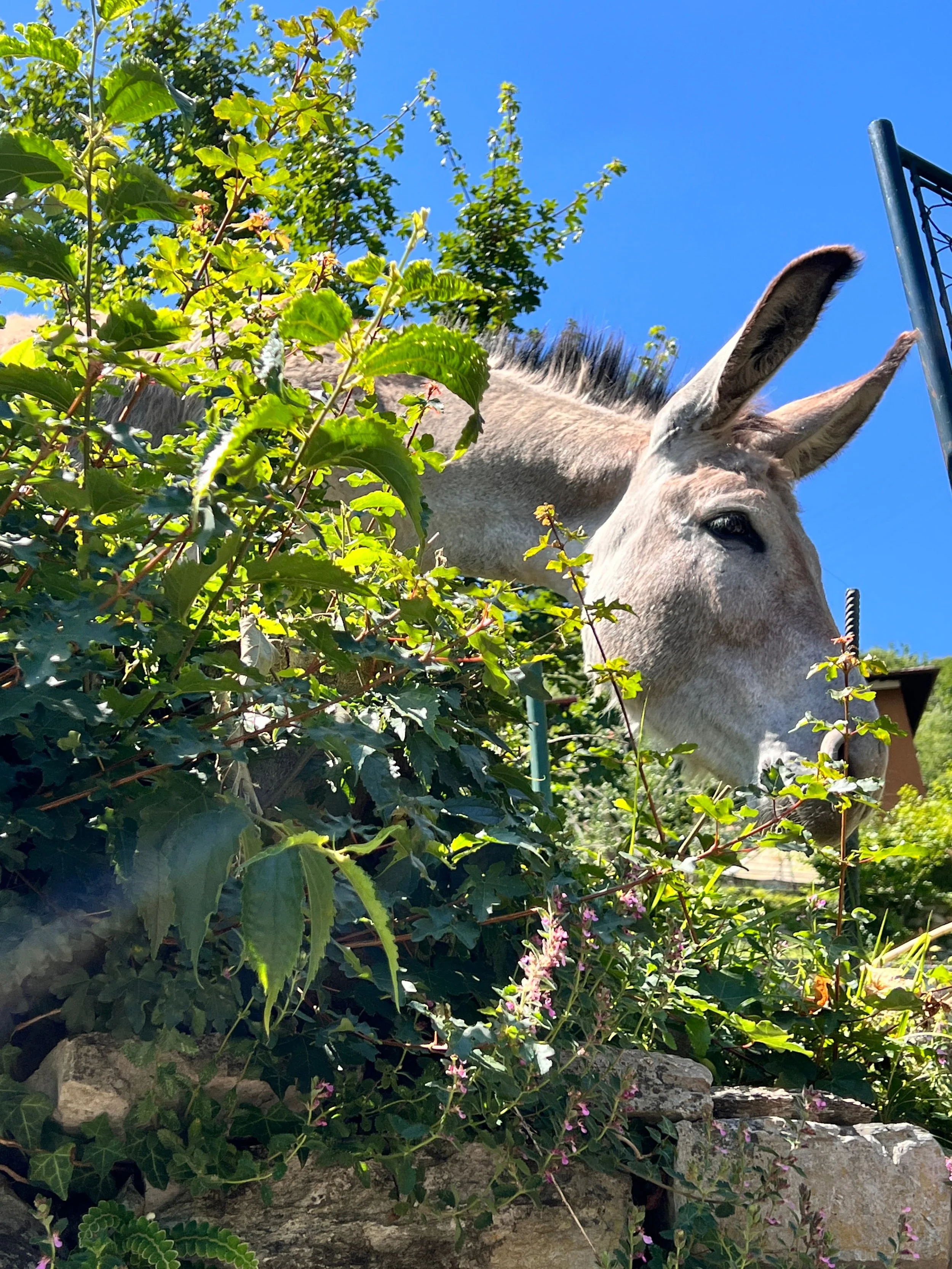
Donkeys are part of daily driving reality, and locals don’t want “donkey photo stops” in the road. Stopping in a blind curve to feed or photograph them is a repeatedly cited source of unsafe traffic moments.
~~~~~
If a donkey (or other wildlife) is injured, locals emphasize not trying to handle it yourself. The common guidance is to note the location and contact the local wildlife rehab network rather than improvising a rescue.
~~~~~
Reef-safe sunscreen isn’t just preferred — certain chemicals are banned territory-wide. Locals often point out the “Toxic 3 Os” (oxybenzone, octinoxate, octocrylene) because reefs here are close to shore and easily impacted.
~~~~~
Drones are a frequent visitor misunderstanding: they’re prohibited in Virgin Islands National Park. It comes up because people try to fly them over beaches, and locals and park staff treat it as a real disturbance and safety issue.
~~~~~
North-facing beaches can flip fast when rip-current risk is posted, even if the water looks inviting. Local guidance is to treat weather alerts seriously on north-exposed shores and choose more protected bays when conditions change.
~~~~~
Beach and trailhead parking rules are enforced by landscape, not signage. Locals repeatedly stress parking only in designated areas because off-road parking damages vegetation and contributes to erosion in the park corridor.
~~~~~
Park-beach rules can surprise first-timers: glass isn’t allowed on park beaches. It’s framed as safety and cleanup reality, not “rules for rules’ sake,” because breakage becomes a long-term hazard in sand.
~~~~~
The most common safety complaint locals and repeat visitors mention is petty theft tied to cars at popular spots.The repeated guidance is simple: don’t leave anything visible in a parked vehicle at beach pull-offs.
St. John Travel Questions, Answered
A few essentials to help you plan with confidence — from when to visit and which coast to stay on, to what travelers say about safety, cost, and connection.
1. Is St. John expensive?
St. John sits in the upper-mid range for the Caribbean. The cost friction comes from limited accommodation inventory — most stays are villa rentals or small guesthouses, and pricing reflects a constrained market, particularly in peak season. There are no all-inclusives. Dining is concentrated in Cruz Bay and Coral Bay with a modest number of options. Travelers who grocery shop and mix in a few intentional dinners can keep costs more manageable; those relying entirely on restaurants will feel the price-to-variety ratio. As a U.S. territory, no currency exchange is needed.
2. When is the best time to visit St. John?
December through April is the dry season and the most reliably calm window — ideal beach and snorkeling conditions with the clearest water visibility on North Shore bays. May and June offer quieter crowds and lower rates with mostly good weather. Hurricane season runs June through November, with the highest risk in August and September. North Shore beaches fill their parking by late morning in high season — early arrivals make a real practical difference, not just an aesthetic one.
3. Which area of St. John should I stay in?
Cruz Bay is the most convenient base — walkable dining, easy ferry access, and quick drives to the North Shore beaches. The North Shore corridor suits travelers building the whole trip around repeated beach sessions. Coral Bay is the quieter east-side option with a more local-feeling pace and longer drives to the North Shore. Great Cruz Bay sits between town and the south, offering quieter evenings with short drives to Cruz Bay for dinner. South Shore provides a balanced mid-island base with access in both directions. Each area moves at a genuinely different speed.
4. Do I need a car in St. John?
A rental car — ideally a 4x4 or Jeep — is strongly recommended. The island's beaches, trails, and dining are spread across steep, winding roads, and taxis work but reduce flexibility significantly for beach-hopping days. Driving is on the left. Blind corners and steep grades require deliberate attention, especially after dark. Parking at North Shore beach trailheads fills by mid-morning in peak season — having your own vehicle means leaving earlier and staying more flexible throughout the day.
5. Is St. John safe for solo or LGBTQ+ travelers?
St. John is considered a low-concern destination and is generally welcoming to all traveler types. As a US territory, St. John provides full federal legal protections for LGBTQ+ travelers, making it one of the most legally secure destinations in the collection. Solo travelers find the island's small scale and community character friendly and easy to navigate. The most commonly cited safety concern — petty theft at beach parking areas — applies equally to all visitors, and standard awareness with valuables is the consistent local advice.
6. How does St. John compare to St. Thomas and Vieques?
St. John is the quietest and most nature-forward of the three — national park coverage keeps development limited, beaches pristine, and the pace genuinely slow. St. Thomas is busier and more urban, with direct flights, more dining variety, a livelier evening scene, and easier overall logistics. Vieques offers a similar low-development feel with a Puerto Rican cultural identity, wider-open beaches, and slightly simpler access than routing through St. Thomas. Travelers choosing between them are usually deciding how much convenience they're willing to trade for natural quiet.
Why This Guide Changes With the Island
St. John never stays still — new restaurants find their footing in Cruz Bay, trail conditions shift with the seasons, and the island's quieter coves occasionally surface in ways that weren't on last year's map.
This guide evolves with it. Locals share updates, travelers add discoveries, and we keep refining what you see here so every detail reflects the island as it is now — not a memory of what it used to be.
Ready to see where else quiet, nature-led island days can lead?
Explore nearby islands that share St. John's quieter pace — from the more social ease of St. Thomas to the rustic, Puerto Rico-rooted calm of Vieques. Each moves differently, but all offer that same preference for water over noise.
Find Your Thread
Not every traveler wants the same pace, and that’s the point. Some places feel right because of what they offer, and others feel right because of what they leave out. TheTripThread exists to help people rediscover the joy of travel, and the element of discovery that should accompany it.Guided by locals. Designed for discovery.