Sustainable Shores
Islands actively protecting what makes them worth visiting. Conservation, eco-conscious tourism, and natural integrity are built into how these destinations operate.
Sustainability in travel has become a marketing category as much as a meaningful practice. The word appears on resort websites and airline initiatives with a looseness that makes it nearly meaningless. For TheTripThread, the threshold is different: a destination earns the Sustainable Shores theme when conservation and environmental responsibility are structurally embedded in how the island functions — not just in how it describes itself.
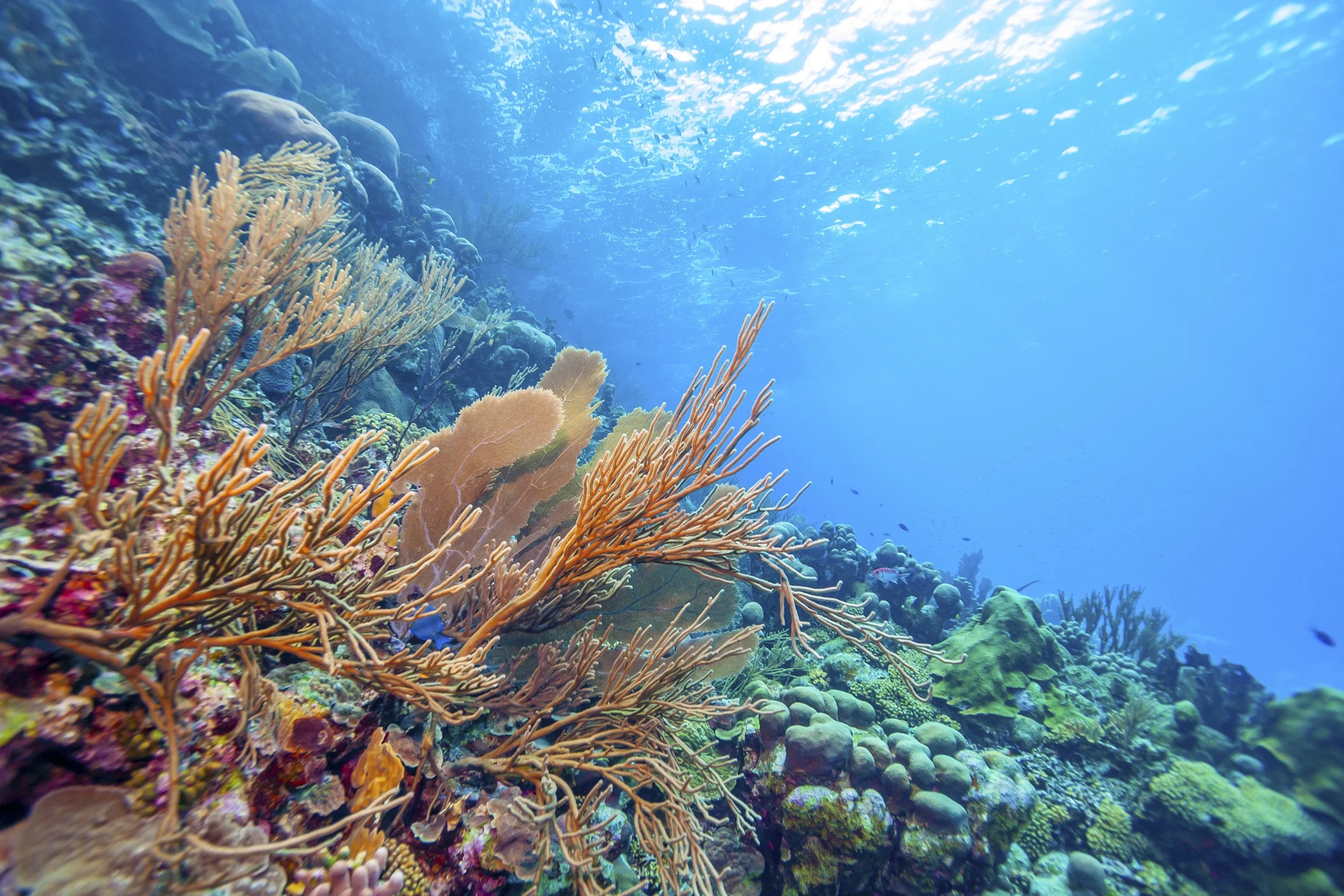
That means: legal protections that limit development. Active marine conservation programs. Tourism infrastructure designed to minimize environmental impact. A local culture and government that treats the natural environment as a resource worth protecting for future generations, not just a marketing asset for the current tourist season.
The destinations currently on this page are not greenwashing — they have each earned this designation through measurable practices and structural commitments. This theme will grow significantly as the collection expands into destinations across the Eastern Caribbean where conservation is central to the island's identity.
What Earns This Theme
A destination earns the Sustainable Shores theme when conservation and environmental stewardship are demonstrable and structural — not just claimed. The evidence can take different forms: legal protection of land or marine area, active reef monitoring and restoration programs, government policy that limits development density, a local tourism industry that has built eco-conscious practices into standard operations, or a cultural tradition that treats the natural environment with genuine care. The threshold is demonstration, not declaration.
Destinations
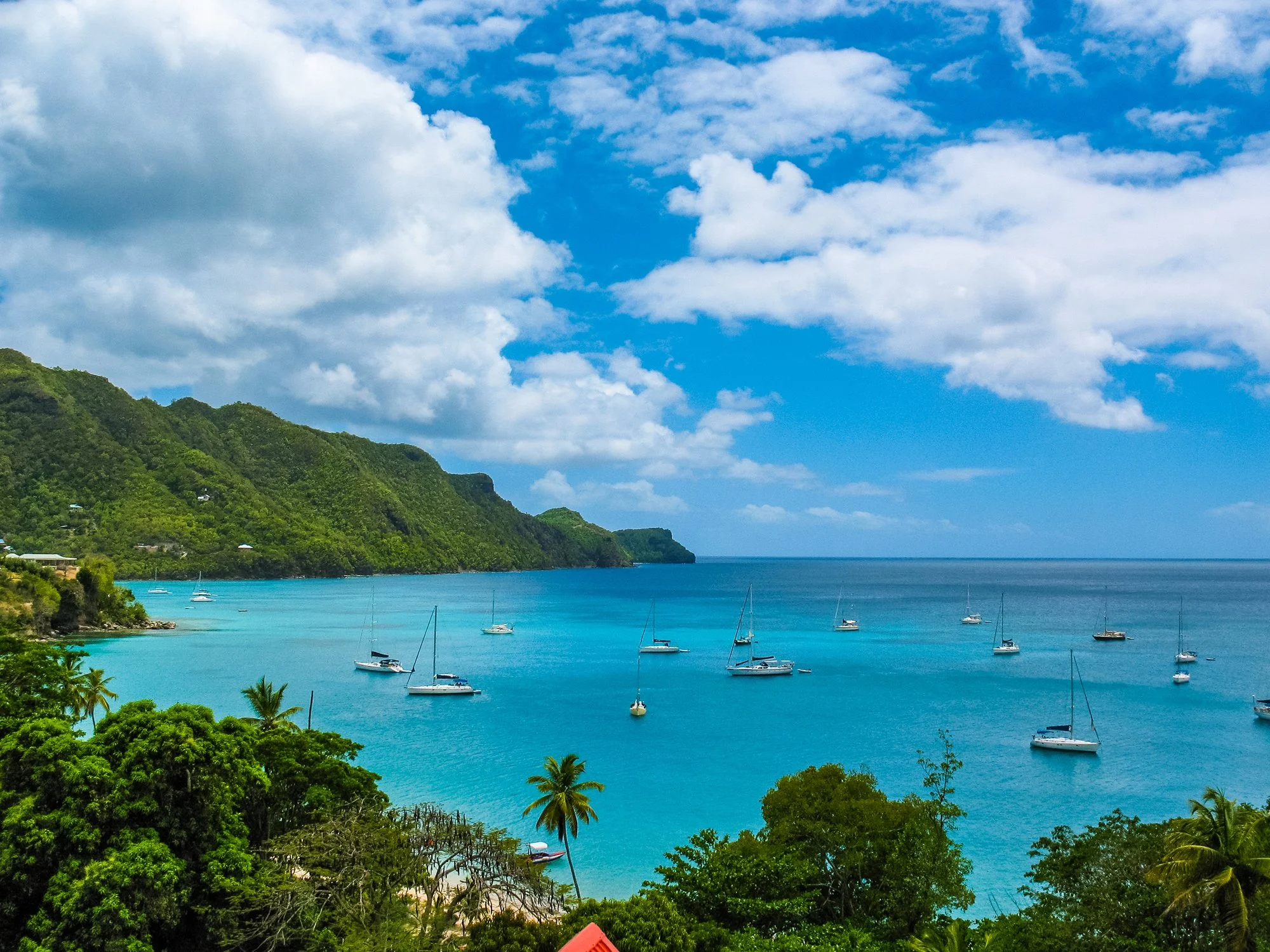
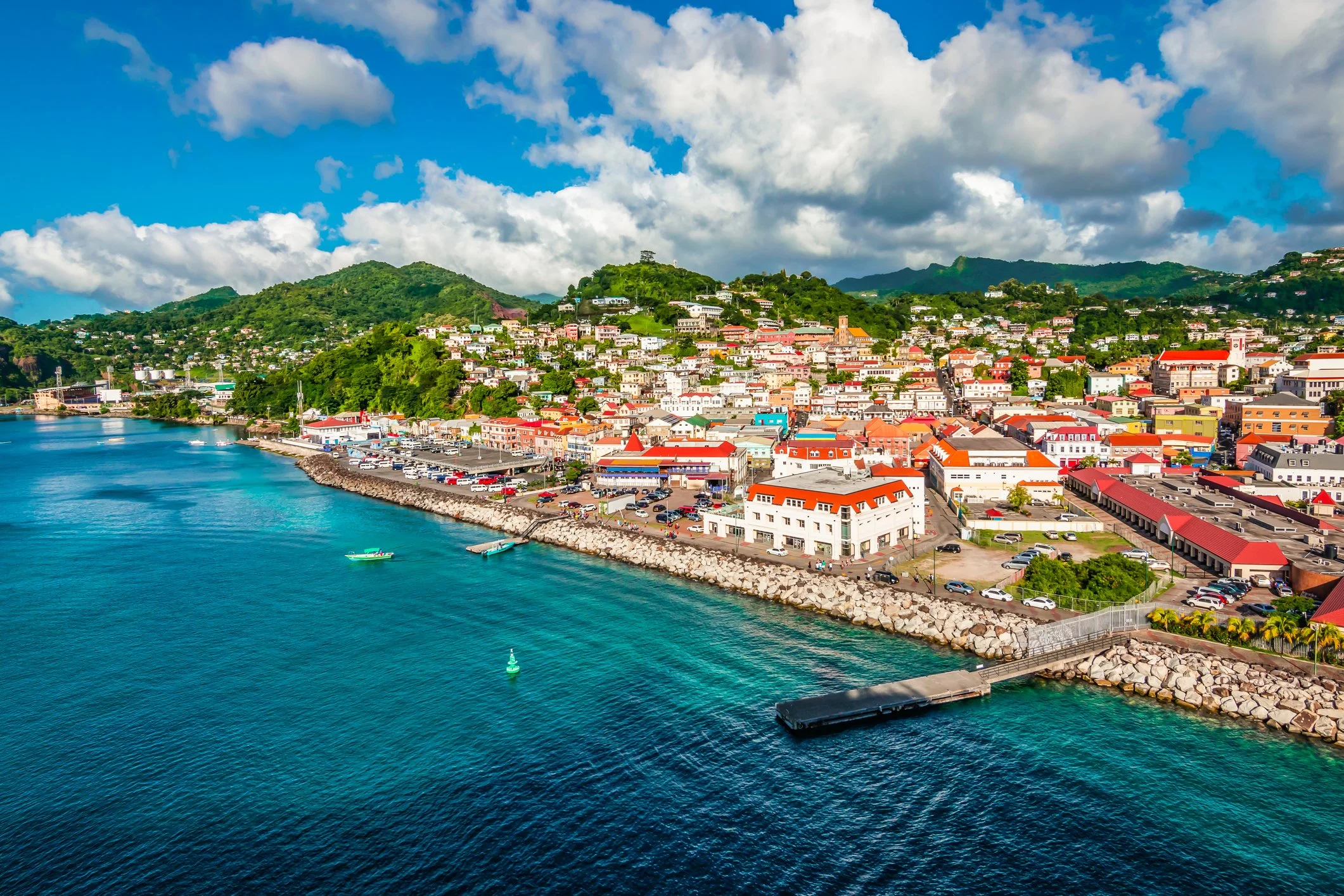
Which Caribbean Islands Are Best for Eco-Conscious Travel?
The most credible sustainable tourism destinations share a quality that distinguishes them from destinations with sustainability marketing: the environmental protection is structural, not optional. Legal designations, long-running conservation programs, and genuine local commitment to natural stewardship are harder to fake and more durable than any certification or marketing campaign. When evaluating a destination's sustainability credentials, the questions to ask are: what specifically is being protected, by whom, and with what legal or institutional backing?
This theme grows significantly as the Greater Caribbean Collection expands. Destinations like Dominica — which has built its entire tourism identity around eco-tourism and where the government has committed to becoming the world's first climate-resilient nation — and Bonaire, where the entire island is a national park, will anchor this page more fully. Browse the full collection to see every destination and its environmental character as the collection builds.