
By Kelly Mcatee | TheTripThread | Last Updated March 2026
Barbados
Where rhythm meets refinement.
Culture & Rhythm | Tranquil Luxury | Romance & Connection | Culinary Caribbean | Sustainable Shores
Best for travelers who want rhythm with refinement — culture-seekers and food lovers drawn to music, flavor, and conversation over solitude and stillness.
Not for travelers seeking ultra-seclusion, all-inclusive isolation, or nonstop party energy — this island favors balance over extremes.
☀️ Best months: December–April 💲 Average cost: $$—$$$ 🕶️ Vibe: Polished, rhythmic, warm
Reality Check (Read This Before You Book)
Barbados is a coast-driven island where you stay determines what the trip feels like. The west coast is calm, polished, and expensive. The south coast is social, varied, and more accessible. The east coast is dramatic and largely unswimmable. These are not minor differences — they're essentially three different trip types on one island, and travelers who don't account for that often feel like the island didn't deliver on its promise.
The biggest misconception: that Barbados is one coherent beach destination. It isn't. The west coast's "Platinum Coast"luxury framing and the cruise-heavy Bridgetown/Oistins energy can feel like opposite experiences, and the east coast's wild Atlantic surf has caught swimmers off guard despite clear local warnings.
A few things worth knowing before you commit:
If you expect turquoise, calm water everywhere, you'll find it on the west coast and parts of the south — but the east coast is rough and the island's water color varies considerably by location.
If budget is a primary concern, the west coast will strain it quickly. The south coast is more manageable, but Barbados is not a cheap island on any coast.
If seclusion is what you're after, the south coast's social energy and Bridgetown's cruise traffic will feel like too much. The north offers quiet, but with limited dining and longer drives to everything.
If you need all-inclusive structure, options are limited — Barbados runs primarily on independent dining and accommodation, which means costs are less predictable.
Travelers who love Barbados most tend to pick a coast deliberately, embrace the cultural texture beyond the beach, and let a Friday night at Oistins anchor the whole trip.
Why You’ll Love It
Barbados works because it offers more than beaches — and the beaches are already good. The food scene is genuinely strong, the rum culture runs deep and proud, the local warmth is unhurried and real, and the island has enough historical and cultural texture that a week here can feel layered in a way that a pure beach destination doesn't. For travelers who want the Caribbean to reward curiosity, not just sunbathing, Barbados is one of the region's most complete options.
The rhythm here is specific. West-coast mornings are calm and bright — pale sand, still turquoise water, and a pace that settles into beach time easily. By afternoon the island opens up: a drive through sugarcane hills to the wild Atlantic side, a rum tasting at St. Nicholas Abbey, a Friday night at Oistins where the grills go up and the whole south coast seems to gather. Evenings can be a paper-wrapped fish from a seaside shack or a white-linen dinner on the same stretch of coast — both feel right, and Barbados is comfortable holding both at once.
What the island is honest about is its range. The west coast and Bridgetown's cruise port are not the same Barbados. The calm swim beaches of the west and the wild surf of Bathsheba are not the same island experience. Travelers who arrive expecting one coherent mood and one type of beach day will find the variety disorienting; those who come ready to move between coasts and let the island's different characters coexist tend to find more here than they expected.
Best for travelers who want culture and coastline in equal measure — drawn to Barbados's food scene, Bajan warmth, and coast-to-coast variety over islands where the experience stays within a narrower, resort-anchored band.
Barbados — Caribbean Island of Culture, Cuisine, and Coastal Refinement
This is Barbados
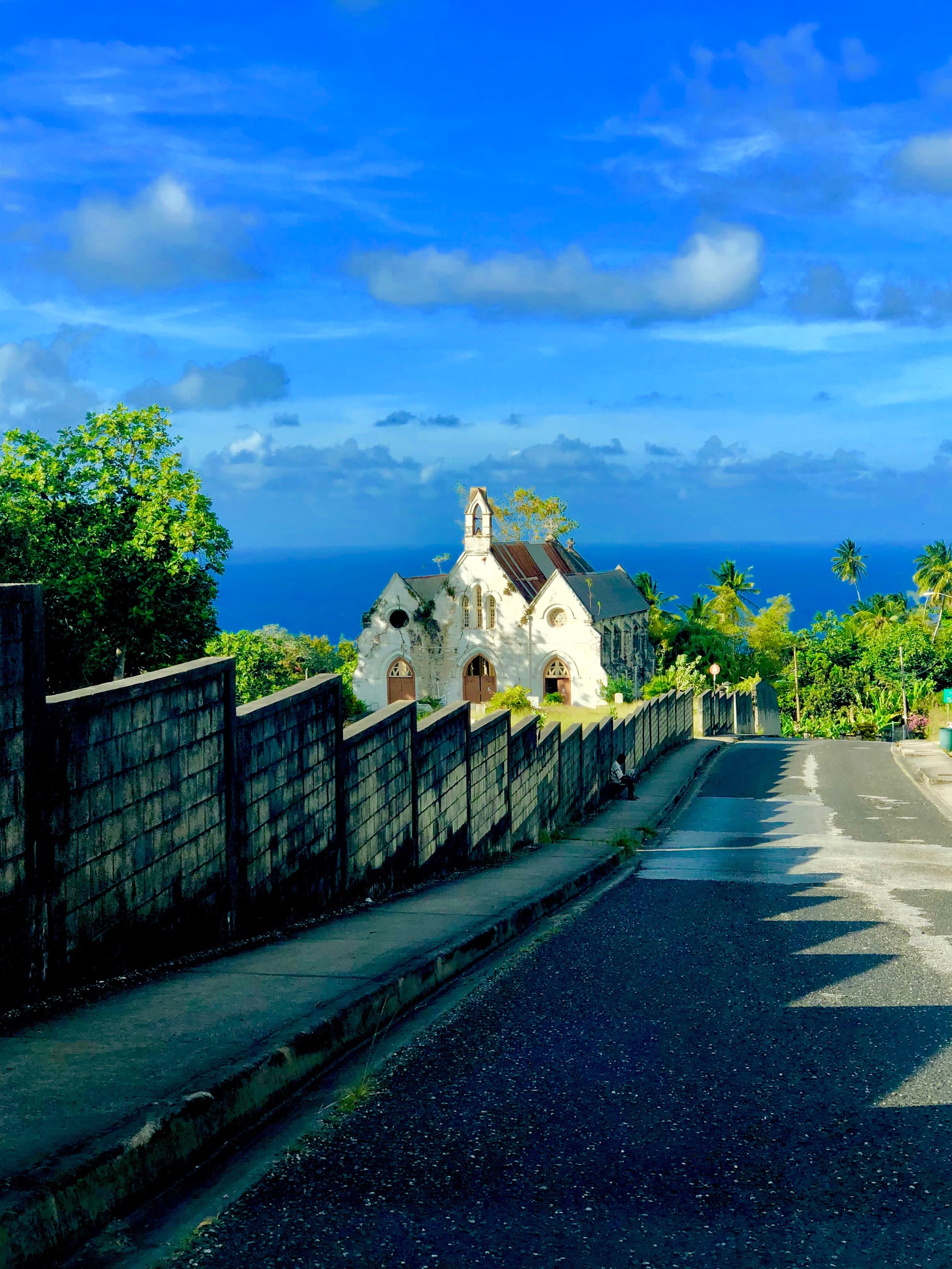
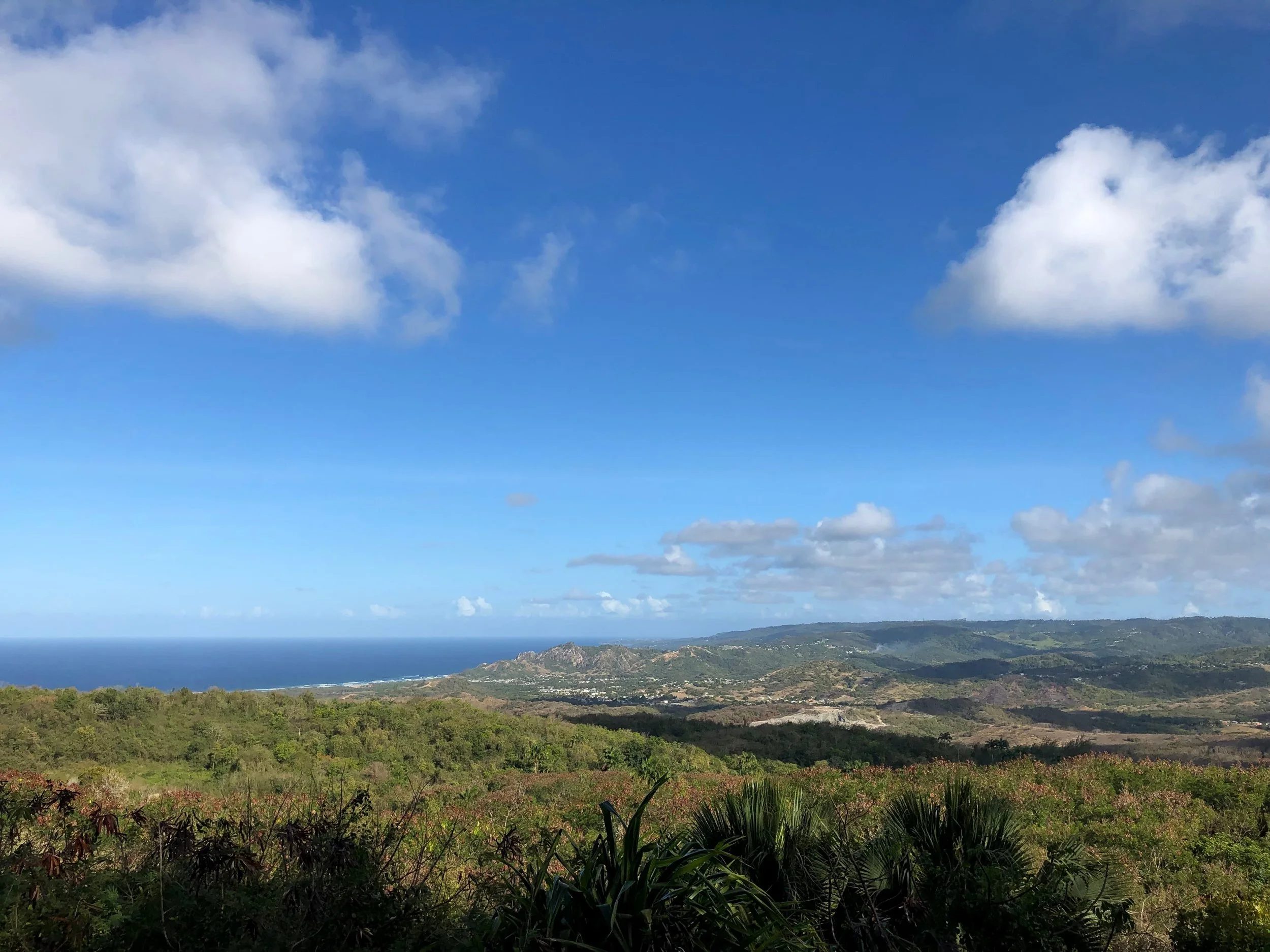
Coral beaches on the west, wild Atlantic surf on the east, sugarcane hills in between, and a culture that hums through every rum shop, Friday fish fry, and Sunday morning.
Part of the Greater Caribbean Collection on TheTripThread — a destination reference system built for travelers deciding where they'll feel right, not just where to go. Barbados is for travelers who value cultural depth, genuine food, and an island that rewards moving around.

Common Experience Patterns

Barbados runs on a rhythm that feels both distinctly Caribbean and quietly structured — buses actually run, English is universal, the infrastructure works, and most days don't begin with logistical friction. The practical reality worth knowing early: the island divides sharply by coast, and where you base yourself shapes the entire experience. West-coast stays and south-coast stays are not interchangeable — they move at different speeds, carry different price points, and attract travelers with different priorities. A rental car unlocks the island's interior and east coast, but the west and south corridors are navigable without one.
The texture shifts as you move. West-coast mornings are calm and unhurried — pale sand, still water, a pace that settles into beach time without effort. The south coast picks up energy as the day progresses, particularly around St. Lawrence Gap and toward Oistins on Friday evenings, when the grills go up and the whole area takes on a social warmth that feels genuinely local rather than tourism-facing. The east coast is a different world entirely — Atlantic-exposed, dramatic, and largely unswimmable, but compelling for the traveler willing to make the drive.
What Barbados doesn't offer is easy to overlook in the planning stage. The west coast can feel heavily resort-shaped on busy days, and Bridgetown's cruise port brings a version of the island that locals quietly distinguish from the real thing. The most repeated friction in community discussions isn't about the beaches or the food — it's about cost. Barbados runs expensive by Caribbean standards, particularly for accommodation and dining outside local-facing spots, and travelers who arrive without accounting for that tend to feel it by day three.
Locals Know — The east coast warning is repeated so consistently by Bajans that it deserves its own mention: Bathsheba and the full Atlantic side are for watching and walking, not swimming. The current system and surf conditions have resulted in rescues when visitors ignored flag warnings or misjudged how "it looks calm enough." Locals don't say this to be cautious — they say it because it keeps coming up. Respect the flags.
Locals and repeat visitors describe Barbados as the Caribbean's most complete island — especially for travelers who want culture, food, and coastline in equal measure — while those seeking ultra-seclusion, consistent budget options, or a single coherent beach mood tend to find the island's variety more frustrating than rewarding.
Where we eat:
Dining in Barbados divides neatly by coast and budget. The west coast clusters upscale coastal restaurants around Holetown and Sandy Lane — polished, reservation-worthy, and priced accordingly. The south coast runs more varied and casual, with the highest concentration of accessible dining around St. Lawrence Gap and Oistins. Oistins Fish Fry on Friday nights is less a restaurant recommendation than a local institution — grills, music, dancing, and fish straight from the sea, in a setting that feels nothing like the resort corridor a few miles north. Reservations matter at the west coast's most popular spots in peak season.
Where we go:
Most itineraries start on the beach and branch outward from there. Harrison's Cave in the interior rewards a dedicated half-day. St. Nicholas Abbey in the north combines rum history and plantation architecture in a way that feels genuinely significant rather than touristy. The east coast at Bathsheba is worth the drive for the scenery alone — just don't swim. Travelers who only move along the west and south coasts see a beautiful version of Barbados; those who take a day to explore the interior and east tend to leave feeling like they actually understood the island.
What we love:
What Barbados delivers that many comparable islands don't is cultural confidence. The food is good because Bajans care about it. The rum is excellent because the island has been making it for centuries. The warmth is real because Barbadians are genuinely sociable — not in a tourism-service way, but in the way of a place that's comfortable with itself. That combination of polish, culture, and ease is harder to find in the Caribbean than it looks.
"Barbados feels like it has a soul. You can dress up for dinner or wander barefoot to a rum shack, and both somehow fit."— Redditor, r/barbados
About this section:
This section is built from publicly shared traveler perspectives and credible regional reporting. We treat it as sentiment and cross-check factual claims where possible. We intentionally limit dependence on review marketplaces where paid, promotional, or otherwise unrepresentative input can blur the picture.
Friction & Tradeoffs (Read This Before You Book)
Cost Pressure: Barbados sits in the mid-to-upper range for the Caribbean, and the friction is coast-specific. The west coast's resort corridor pushes accommodation and dining costs up sharply — comparable to St. Lucia or Antigua at the higher end. The south coast is more accessible, with a wider range of mid-range options and local-facing restaurants that bring the spend down meaningfully. All-inclusives are limited, so most travelers build costs independently. The gap between a west-coast villa week and a south-coast guesthouse week is significant — where you stay determines what the island costs.
Mobility / Getting Around: Barbados has one of the Caribbean's more functional public bus networks, connecting the west and south coasts to Bridgetown regularly and cheaply. For travelers sticking to those corridors, a car is optional. For exploring the east coast, north, and interior — Harrison's Cave, Bathsheba, St. Nicholas Abbey — a car changes what's possible. Driving is on the left, roads are generally good but narrow in the interior, and a temporary Barbados driving permit is required. Taxis are available but add up quickly for multiple daily trips.
Autonomy vs Structure: Barbados rewards self-directed travelers more than resort-anchored ones. Unlike islands where the experience is pre-packaged within a resort corridor, here the best of the island — the Friday fish fry, the east coast drive, the interior rum estates — requires initiative and movement. Travelers who prefer a structured, activity-dense itinerary delivered without planning friction will need to work harder here than on a more package-oriented destination.
Crowd Texture: Barbados sees heavy cruise ship traffic into Bridgetown, and the waterfront area and nearby Oistins reflect that on busy ship days. The west coast resort corridor carries a high-tourism-saturation feel in peak season, while the north and east remain genuinely quiet. The island's contrast between its polished tourism face and its local rhythm is stark — and noticeable enough that two travelers on Barbados can have very different experiences depending on which version they encounter.
Culture Access: Barbados is one of the Caribbean's more culturally accessible destinations — English is universal, Bajans are genuinely sociable, and local culture surfaces naturally in rum shops, fish fries, and festivals rather than requiring deliberate excavation. The gap between resort experience and local life is smaller here than on many comparable islands, but it still exists: travelers who stay exclusively on the west coast and don't venture off its resort strip will see a more curated, less culturally textured version of the island.
Variety Ceiling: Barbados has one of the higher variety ceilings in the Caribbean — a week can comfortably hold beach days, cultural excursions, food-focused evenings, a surf session, and a rum estate visit without repeating. Ten days is a natural upper limit for most travelers before the experience starts to thin. The island suits travelers who want layered texture over a longer stay, rather than a compressed beach-and-relax formula that runs out of new material faster.
Identity
Vibe Descriptors
Grounded • Refined • Rhythmic • Warm • Cultured
……….
Core Audience
Travelers who crave authenticity and energy in equal measure — those drawn to culture, coastlines, and conversation.
……….
Best For (Trip Types)
Romantic & Couples • Food & Drink • Culture & Music • Beach & Leisure
……….
Known For
Coral beaches, sugarcane fields, world-class rum, and a vibrant blend of Caribbean warmth and British heritage.
……….
Trip Thread Theme(s)
Sand & Sea Character
Barbados has a more varied coastline than most travelers expect, and the differences are material enough to shape the whole trip.
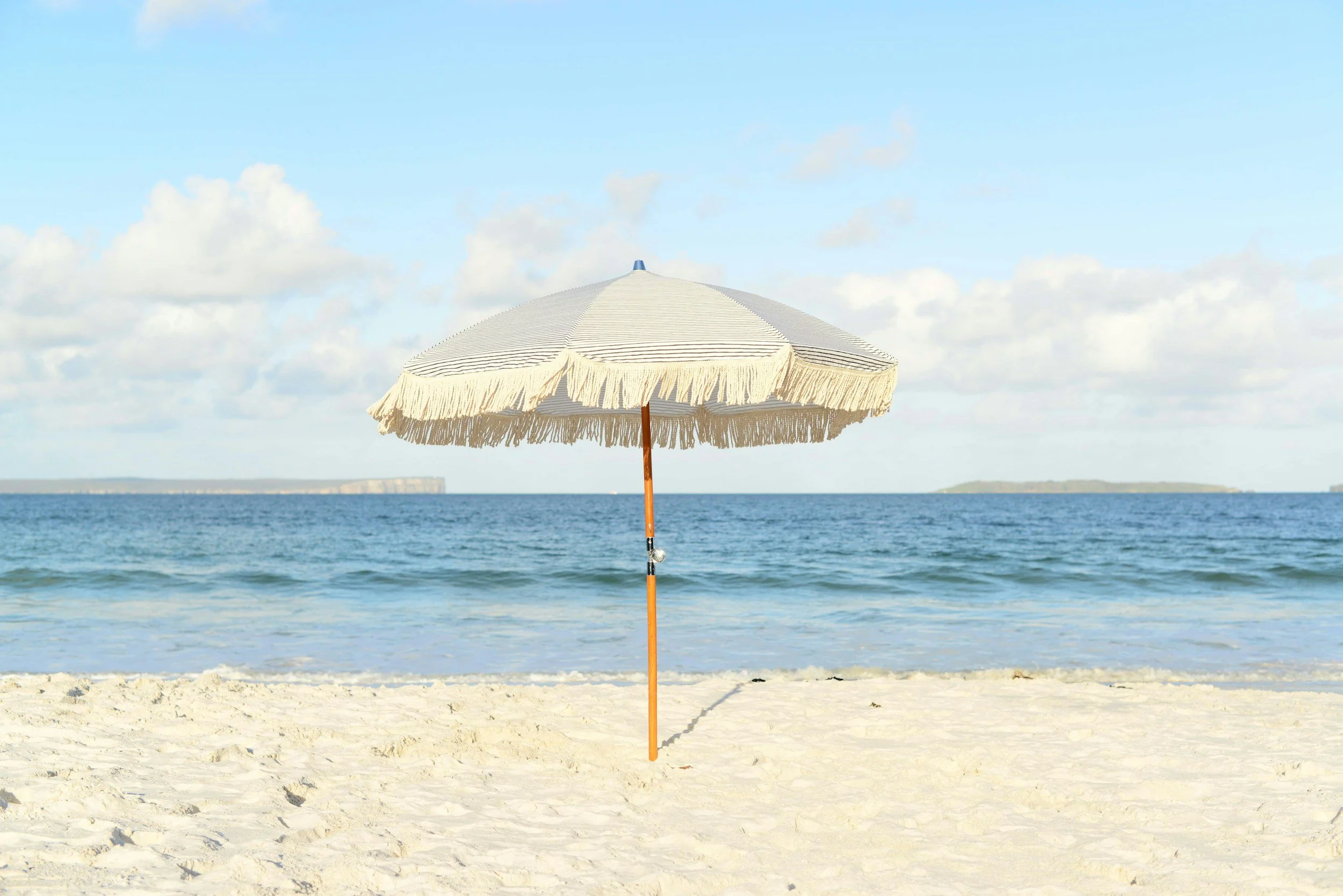
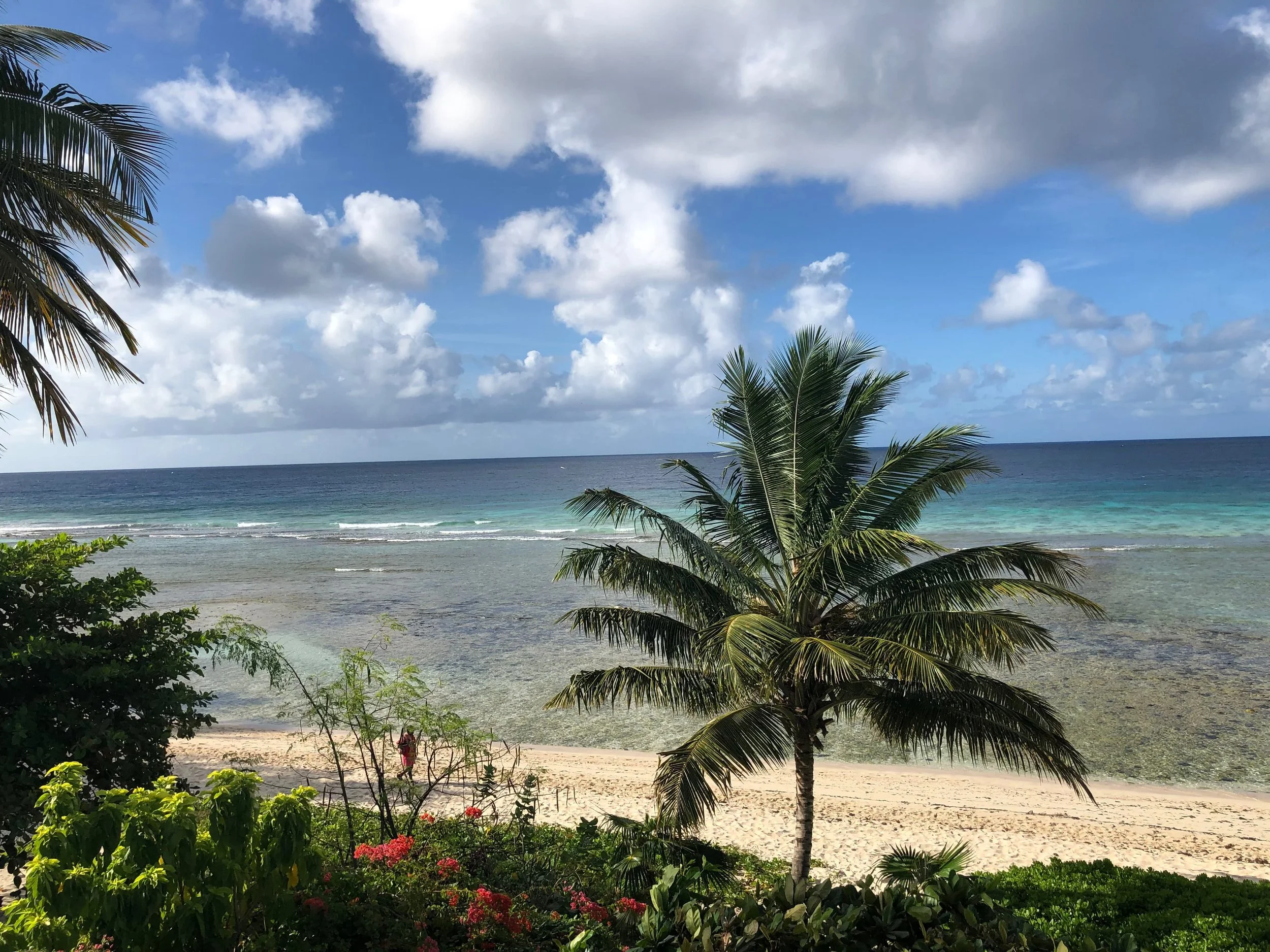
Barbados’ coastline tells a story in texture. Along the calm west coast, the sand is pale and powder-fine — soft beneath your feet and flecked with coral. The water here is clear and still, protected by reefs that create a turquoise mirror — perfect for swimming and snorkeling, which is why so many travelers base themselves along this stretch. Toward the south, the sand warms to a faint rose hue and the waves pick up just enough to keep things lively — ideal for those who like a morning dip with a bit of motion.
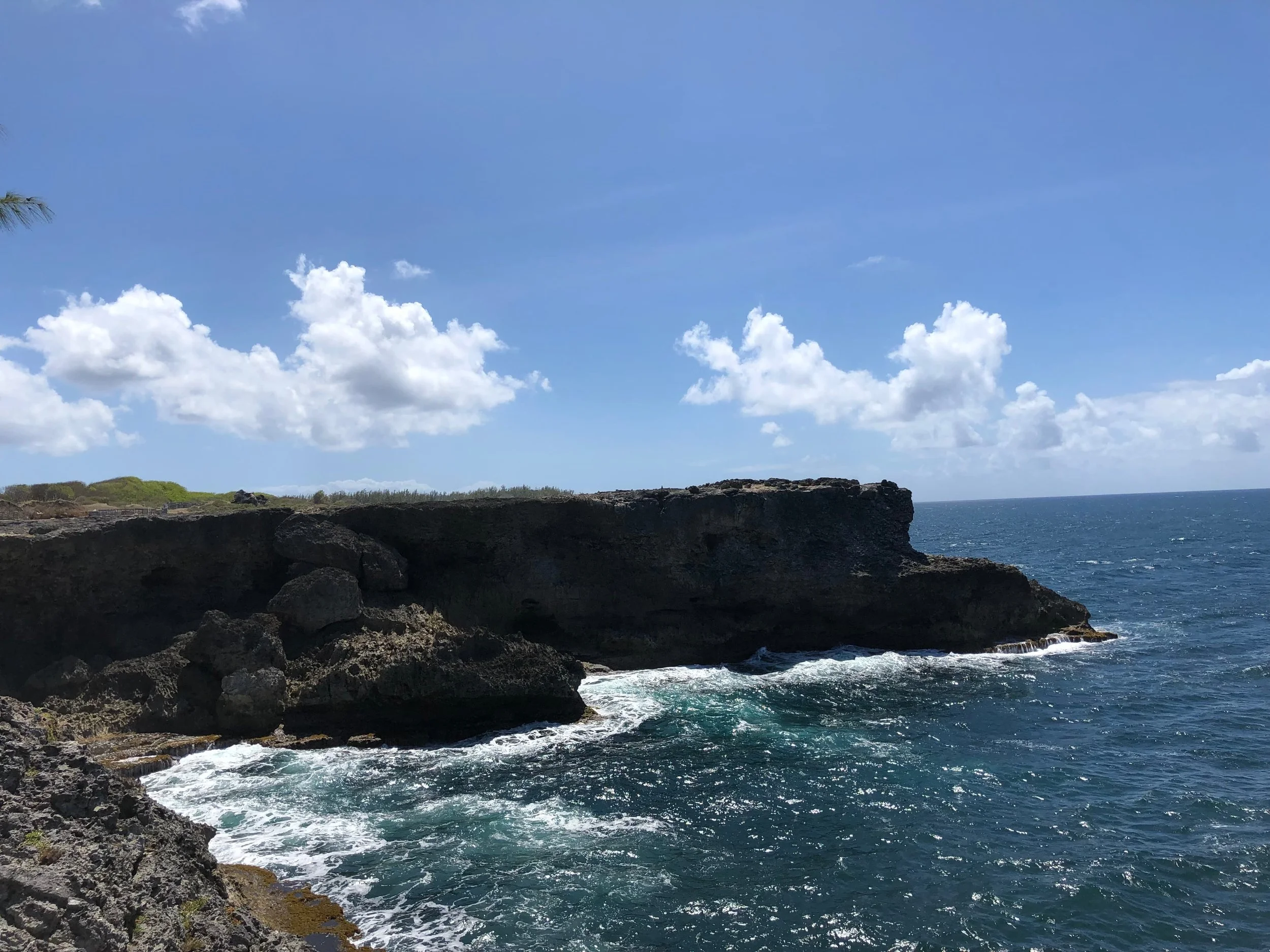
Across the island, the mood shifts. The east coast faces the open Atlantic, its beaches wide, golden, and wild. The trade winds sculpt the dunes and the surf pounds against boulders in rhythmic bursts. You can’t swim here safely — the currents are strong — but at Bathsheba’s Soup Bowl, surfers chase the island’s most famous waves. For everyone else, it’s where you come to watch the power of the sea and feel its breath in the air.
Couples gravitate toward the calm west, families and food lovers stay along the sociable south, and photographers and surfers head east for drama and solitude.
Base on the west coast — around Holetown or Sandy Lane — for calm turquoise swimming water, the island's most polished resort experience, and easy access to refined dining. Base on the south coast — around St. Lawrence Gap, Rockley, or Worthing — for the most social energy, the widest dining variety, and the best balance of beach and evening life at a more accessible price point. The east coast is not a practical base for most travelers — currents are strong, accommodation is limited, and the beaches are for scenery rather than swimming.
Explore Barbados — Map & Island Highlights
Barbados sits on the far eastern edge of the Caribbean, where the Atlantic meets the island chain and the geography shifts dramatically from one coast to the next. West to east, the island moves through calm turquoise swimming bays, sugarcane hills and colonial heritage, and wild Atlantic surf — three meaningfully different experiences within a 34-kilometer island. This map is a decision tool, not a directory. It's designed to help you understand how Barbados is organized by coast, which areas suit different types of travelers, and whether the island's range matches the kind of trip you're actually planning. Use it alongside the Where to Stay section below to choose your base — not as a checklist to work through.
Beaches
Barbados's beaches divide clearly by coast and purpose. The west coast — Paynes Bay, Mullins, and the Holetown stretch — offers the island's calmest and clearest swimming conditions; sheltered by reefs, the water is still enough for wading, snorkeling, and long floating afternoons. The south coast picks up energy — Rockley (Accra) Beach hums with activity and has reliable surf for beginners. The east coast at Bathsheba is the island's most dramatic stretch and the Caribbean's best-known surf break, but currents are dangerous and swimming is not recommended. Base cue: Travelers who want classic calm-water beach days should base west; those who want energy and variety should base south; the east is a day-trip destination, not a swim beach.
Food & Drink
Food in Barbados runs from low-key local to high-end coastal, with the most choice concentrated along the west and south coasts. Around Holetown and St. Lawrence Gap, dining feels abundant—beach bars, casual spots, and elegant terraces within a short drive—while the east and north coasts are quieter with fewer choices and earlier nights. It’s an island where it’s easy to eat well, but where staying location shapes how effortless it feels.
Activities
Activity planning in Barbados works best coast by coast. The interior and north anchor the island's cultural and natural excursions — Harrison's Cave, St. Nicholas Abbey, and the east coast require deliberate half-day drives and don't stack easily with west-coast beach days without friction. Water activities and sailing excursions concentrate along the west and south coasts. The south coast and Oistins area anchor the island's most accessible food and nightlife experiences, particularly on Friday evenings. Base cue: Travelers who want the easiest access to both cultural excursions and beach life should base centrally on the south coast; those prioritizing swim beaches and refined dining should base west.
Before you plan your vacation, here’s what to know—the practical details that make a good trip effortless.
West Coast — Calm Waters & Classic Elegance
The island’s west coast, often called the “Platinum Coast,” stretches from Bridgetown through Holetown and up to Speightstown. The beaches here are calm, the sand pale and soft, and the sea almost motionless — perfect for swimming and sunset walks. Upscale villas and resorts line the shore, but smaller guesthouses still keep the charm intact.
Why stay: Quiet luxury, calm water, and the best swimming beaches on the island.
Why not: Prices rise quickly, and nightlife is more subdued once the sun goes down.
~~~~~
South Coast — Lively & Convenient
The south coast blends island rhythm with easy access. From Rockley to St. Lawrence Gap, travelers find a mix of mid-range hotels, beach cafés, and a sociable energy that lasts from morning surf to late-night music. The water has more movement here, but it’s still swimmable and full of life.
Why stay: Central location, varied dining, and a balance of activity and rest.
Why not: Busier roads and less seclusion than other parts of the island.
~~~~~
East Coast — Wild & Reflective
Facing the Atlantic, the east coast feels raw and untamed. Bathsheba’s cliffs and golden sand make it one of the most scenic parts of Barbados, but the surf is strong and swimming is unsafe beyond a few sheltered spots. It’s a place for long walks, surf sessions, and quiet reflection.
Why stay: Peace, surf culture, and unmatched natural beauty.
Why not: Strong currents and limited swimming beaches.
~~~~~
North Coast — Remote & Dramatic
At the island’s tip, the landscape grows rugged and bold. Caves, cliffs, and sea spray replace palm-lined resorts, and views stretch endlessly toward the Atlantic. A few boutique stays offer privacy and perspective — perfect for travelers seeking solitude.
Why stay: Tranquility, scenery, and the sense of being far from it all.
Why not: Limited dining and a longer drive to most attractions.
~~~~~
Bridgetown & Garrison Area — History & Local Life
Near the capital, the island’s heritage and everyday rhythm meet. Georgian buildings, rum shops, and harbor views create a mix of city pace and island ease. Staying here offers a glimpse of local life — and easy access to the south and west coasts.
Why stay: Walkable, authentic, and close to culture and markets.
Why not: Urban setting means less beach access and more traffic.
Where to Stay in Barbados
Barbados is a coast-first island, and the coasts move at genuinely different speeds. The west is calm and polished; the south is social and varied; the east is dramatic and largely unpractical as a base. Where you stay shapes the whole trip — not just the beach, but the price, the pace, and the type of evenings you'll have. Below, The Trip Thread has listed the best areas to stay in Barbados — each offering a different balance of access, character, and energy. Each area is located on the above map for easy exploration.
Practical Snapshot
-
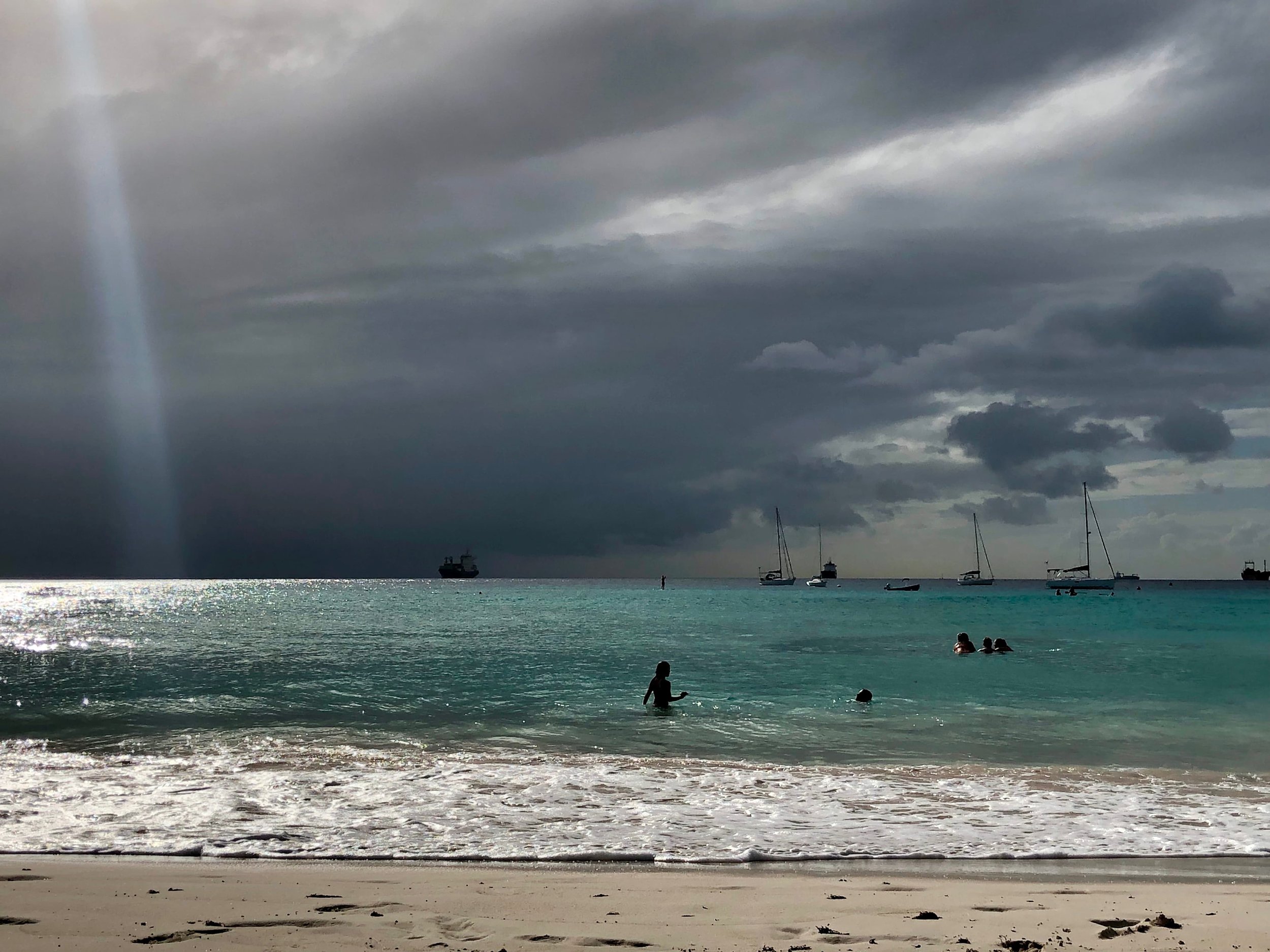
Barbados stays warm and sunny year-round, with gentle trade winds that keep the air comfortable. The dry season from December to April is ideal for calm seas and blue-sky days, while May through early November brings fewer crowds and short tropical showers. Hurricanes are rare this far south, but afternoon rain is part of the rhythm. Sargassum occasionally affects south and east beaches mid-summer.
-
The Barbadian dollar (BBD) is the official currency, pegged to the U.S. dollar at a stable rate. U.S. dollars are accepted almost everywhere, and most restaurants and hotels take credit cards without issue.
-
English is the official language, though you’ll often hear Bajan — a lilting, melodic dialect that reflects the island’s personality. Locals switch effortlessly between both, often greeting visitors with warmth and humor.
-
Grantley Adams International Airport (BGI) sits on the south coast, about 25 minutes from Bridgetown and the west-coast resorts. Direct flights connect Barbados to major U.S., U.K., and Caribbean hubs, and taxis or private transfers are easy to arrange upon arrival.
Easy onward flights to St. Vincent, St. Lucia, and Grenada via inter-island carriers.
-
Overall: $$$ Barbados balances upscale stays with local authenticity. The west coast leans luxurious, while the south coast and inland parishes offer mid-range and locally owned options. Food, taxis, and entry fees can add up, but simple pleasures — rum shops, beach days, and open-air cafés — keep travel affordable.
Barbados leans upscale but offers range. Local eats = 💲, mid-range stays = 💲💲, and luxury resorts = 💲💲💲. The west coast carries higher prices, while the south remains approachable for travelers mixing comfort with local rhythm.
-
Evenings here have their own tempo: a mix of calypso, rum shops, and oceanfront dining. St. Lawrence Gap hums with live music and dancing, while west-coast lounges and beach bars offer a softer, slower rhythm.
-
Renting a car offers the most freedom, especially if you plan to explore beyond the resort zones. Driving is on the left, and roads can be narrow but scenic. Public minibuses and route taxis are frequent, affordable, and part of daily island life.
-
Barbados is considered one of the safer Caribbean destinations, with strong infrastructure, an English-speaking environment, and a well-established tourism framework that makes solo travel straightforward. Solo travelers who stay in well-reviewed properties and use reliable transport report comfortable, warm experiences. The practical safety note most locals emphasize is east coast swimming — Bathsheba and the Atlantic side carry real current risks, and locals are consistent about not swimming there regardless of how it looks.
Same-sex relations were decriminalized in Barbados in 2022, which was a significant legal development. Tourist-facing areas are generally accepting. Social attitudes vary meaningfully by community, however, and are more conservative in rural and local-facing contexts. LGBTQ+ travelers will find a more open environment in the resort corridors and less so in more traditional community settings — discretion is worth keeping in mind outside the main tourism areas.
-
Tap water is safe to drink and desalinated locally. Outlets use 115 volts with U.S.-style plugs, and casual island attire is the norm. Beachwear, however, is best left for the sand — Bajans dress neatly in town and at dinner.
-
Barbados leads regional sustainability efforts, investing in solar power, reef conservation, and bans on single-use plastics. Visitors can help by refilling bottles, respecting coral zones (use reef-safe sunscreen), and supporting eco-certified tours.
Compare Similar Caribbean Islands
Thinking about Barbados, Jamaica, or Turks & Caicos? Here’s how these Caribbean islands differ in rhythm and culture.
🇧🇧 BARBADOS
Vibe & Energy
Balanced and self-assured — where British heritage meets Caribbean rhythm, lively in character but never hurried.
Dining & Culture
Culinary craftsmanship runs deep, from rum shacks to white-linen terraces. Art, cricket, and calypso are part of daily life, not decoration.
Cost & Crowds
Moderate to high, depending on coast; elegant but approachable, rarely overwhelming.
Accessibility
Grantley Adams International connects directly to North America and Europe, with short transfers to all major stays.
Nightlife / Social Scene
Relaxed and rhythmic — rum shops, music by the sea, and social evenings that unfold naturally.
Best For
Travelers drawn to culture, cuisine, and conversation — seeking warmth with a touch of refinement.
🇯🇲 JAMAICA
Vibe & Energy
Expressive and bold — every moment moves to music, from the hills to the beach.
Dining & Culture
Jerk, reggae, and storytelling shape its core; creativity thrives in both the food and the people.
Cost & Crowds
Accessible for all budgets; busier in resort zones, quieter in the Blue Mountains and southern coast.
Accessibility
Major airports in Montego Bay and Kingston make arrival simple, with easy onward routes to key regions.
Nightlife / Social Scene
Vibrant and musical — beach bonfires, bars, and local rhythms that pulse into the night.
Best For
Travelers craving sensory immersion, sound, and connection through culture and community.
🇹🇨 TURKS & CAICOS
Vibe & Energy
Calm and minimalist — turquoise horizons, quiet beaches, and a sense of curated stillness.
Dining & Culture
Food leans toward fine dining and fresh seafood, accented by island simplicity rather than spice or spectacle.
Cost & Crowds
High-end and low-density; one of the Caribbean’s most polished islands with clear emphasis on space and privacy.
Accessibility
Direct flights from the U.S. and Canada to Providenciales make travel easy and seamless.
Nightlife / Social Scene
Low-key — elegant dinners, resort bars, and quiet evenings under wide open stars.
Best For
Couples and serenity seekers who value clear water, comfort, and calm above all else.
Pick Barbados if: you want cultural depth alongside your beach days — food, rum, history, and a coast-to-coast range that rewards a full week of exploration.
Pick Jamaica if: you want bolder sensory immersion — music, jerk, and a more expressive, less polished Caribbean energy that goes deeper into local life.
Pick Turks and Caicos if: you want the clearest water and the most curated calm — a resort-polished experience with minimal friction and maximum stillness.
Tie-breaker: If the beach is the centerpiece, Turks and Caicos. If culture and food matter as much as the beach, Barbados. If you want the most raw and immersive Caribbean experience, Jamaica.
Local Truths
The east coast warning is not a suggestion. Bathsheba and the full Atlantic side of Barbados carry real drowning risk, and locals repeat this because it keeps being ignored. The flag system at Bathsheba exists for a reason — when the red flag is up, the water is not swimmable, full stop. Come for the scenery and the surf watching, not a swim.
~~~~~
"Barbados" is pronounced Bar-BAY-dos — and Bajans notice when visitors get it wrong. The local accent is fast, warm, and distinctly its own; listening closely rather than projecting a generic Caribbean lilt goes a long way in conversation.
~~~~~
Conversation is currency here. Bajans are genuinely sociable, and the expectation in local shops, rum shops, and roadside stops is a greeting before a transaction — "good morning" or "good afternoon" before asking for anything. Skipping it reads as rude, not just brisk.
~~~~~
Oistins Fish Fry on a Friday night is not a tourist attraction locals tolerate — it's a genuine community gathering that happens to welcome visitors. Treat it accordingly: eat, drink, let the music lead, and don't approach it as a performance to observe from the outside.
~~~~~
Sundays have a specific rhythm. Many local businesses close or open late, the island slows noticeably, and families gather at beaches and in parks in a way that feels different from the rest of the week. Plan grocery runs and errands accordingly — Sunday is not the day to discover your rental kitchen is empty.
~~~~~
Cruise-ship days in Bridgetown are noticeable. When multiple ships are docked, the waterfront and nearby Oistins area shift in character — busier, more vendor-heavy, and less representative of everyday Barbados. Locals and repeat visitors know to head in the other direction on those mornings.
~~~~~
A temporary Barbados driving permit is required to rent a car — it's issued automatically at the rental office and costs a small fee, but travelers who don't know to expect it occasionally push back or delay. Driving is on the left, roads are well-maintained on the main corridors, and genuinely narrow in the interior parishes.
Barbados Travel Questions, Answered
A few essentials to help you plan with confidence — from when to visit and which coast to stay on, to what travelers say about safety, cost, and connection.
1. Is Barbados expensive?
Barbados sits in the mid-to-upper range for the Caribbean, and the cost is coast-specific. The west coast pushes accommodation and dining prices up sharply — comparable to the more expensive Caribbean destinations. The south coast is more accessible, with a wider range of mid-range options and local-facing restaurants that bring the overall spend down. All-inclusives are limited, so most travelers build costs independently. Budget-conscious visitors can find local rum shops, fish fries, and guesthouses, but Barbados is not a cheap destination on any coast.
2. When is the best time to visit Barbados?
January through April is the driest and most popular window — calm seas, reliable sunshine, and the island at its most polished. July and early August bring Crop Over, one of the Caribbean's most celebrated cultural festivals, which draws visitors specifically for the energy and spectacle. Hurricane season runs June through November, with the highest risk in August and September. The shoulder months of May and November offer lower rates and quieter beaches with mostly good weather.
3. Which coast of Barbados should I stay on?
The west coast is best for calm swimming water, upscale resorts, and refined dining — the right base for travelers who want beach luxury and a quieter pace. The south coast is more social and varied, with a mix of mid-range stays, casual restaurants, and lively evenings around St. Lawrence Gap and Oistins. The east coast is spectacular scenery but not a practical swim base — currents are strong and accommodation is limited. Most first-time visitors choose between west and south based on budget and energy level.
4. Do I need a car in Barbados?
A rental car is recommended for exploring the full island — particularly the east coast, interior, and northern parishes. Barbados has a functional public bus network connecting the west and south coasts to Bridgetown, which makes a car optional for travelers staying in those corridors. Driving is on the left. A temporary Barbados driving permit is required and issued at the rental office. Roads are well-maintained on main routes but narrow in the interior parishes.
5. Is Barbados safe for solo or LGBTQ+ travelers?
Barbados is considered a safe and welcoming destination for solo travelers, with strong infrastructure, English as the official language, and a well-established tourism environment. Same-sex relations were decriminalized in Barbados in 2022, which marked a meaningful legal shift. Social attitudes vary by community — tourist-facing areas are generally accepting, but attitudes are more conservative in rural and local-facing contexts, and discretion is worth keeping in mind for LGBTQ+ travelers outside those corridors.
6. How does Barbados compare to Jamaica and Turks and Caicos?
Barbados sits between Jamaica and Turks and Caicos in feel and function. Jamaica is bolder and more expressive — music, jerk, and storytelling shape every interaction, and the energy is more raw and immersive. Turks and Caicos is calmer and more resort-curated, with clearer water but less cultural depth. Barbados lands in the middle: polished enough for comfort, culturally rich enough to reward curiosity, and food-forward enough to anchor a trip around meals and rum as much as beaches.
Why This Guide Changes With the Island
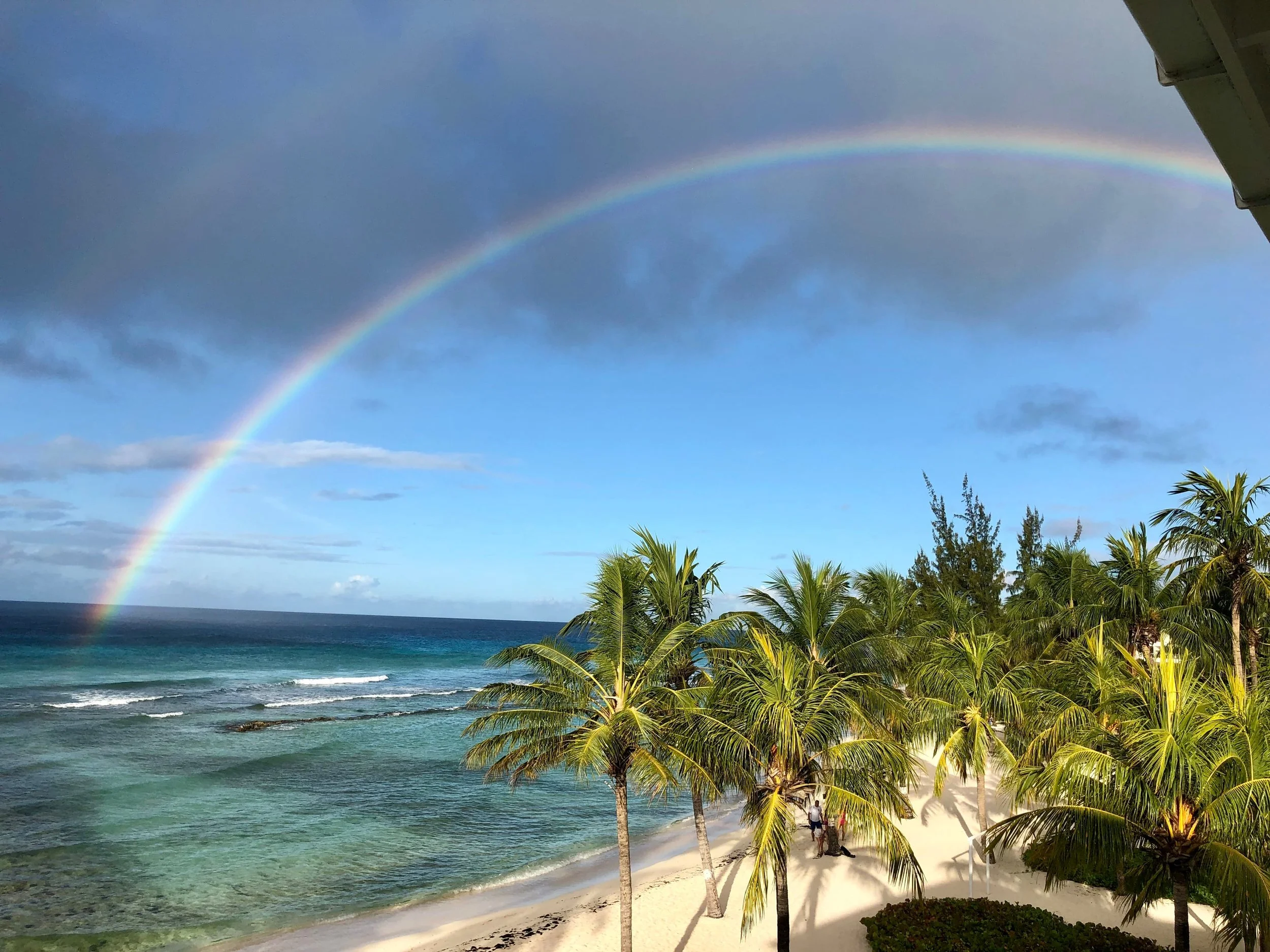
Barbados never stays still — rum shops get jazz nights, family cafés earn fine-dining reputations, and Crop Over reinvents itself every year with new artists and new energy.
This guide evolves with it. Locals share updates, travelers add discoveries, and we keep refining what you see here so every detail reflects the island as it is now — not a memory of what it used to be.
Ready to see where rhythm and refinement might lead next?
Explore nearby destinations that share Barbados’s cultural warmth and coastal ease — from the soulful pulse of Jamaica to the quiet clarity of Turks & Caicos. Each one carries its own tempo, its own expression of island life — different in feeling, but connected by light, sound, and sea.
Find Your Thread
Every traveler connects differently. Maybe Barbados is your match — or maybe your rhythm leads somewhere else in the Greater Caribbean.
Either way, this is what The Trip Thread is about: rediscovering the joy of travel, and the element of discovery that should accompany it.
Guided by locals. Designed for discovery.