By Kelly McAtee | TheTripThread | Last Updated March 2026
Bequia
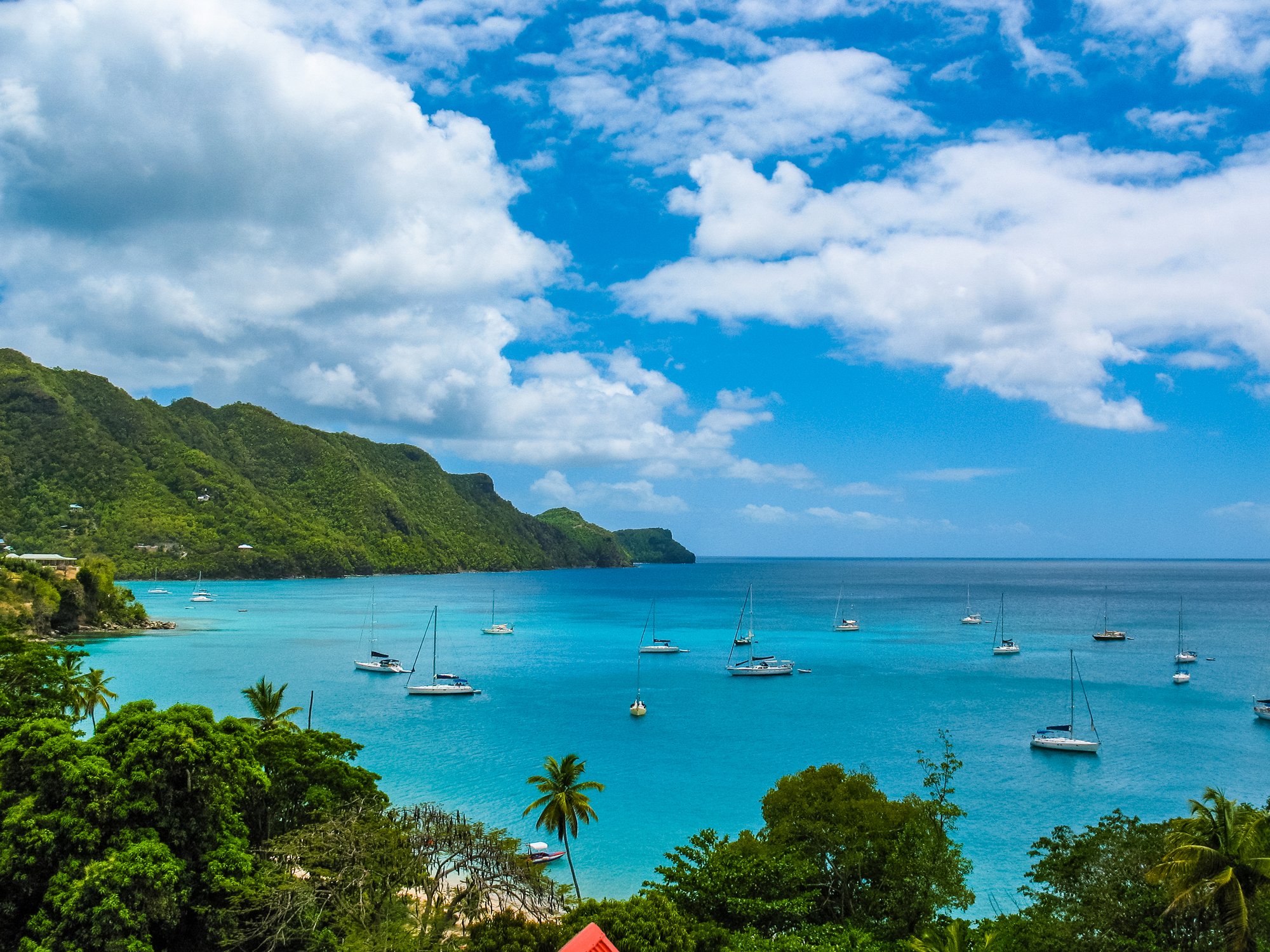
The soul of the Grenadines — where sailing culture, working harbors, and island time define the rhythm.
Hidden Horizons | Sail & Sea Life | Culture & Rhythm | Tranquil Luxury | Sustainable Shores
Best for travelers who’d rather drop anchor off a working harbor than line up at a resort — sailors, artists, and slow travelers drawn to intimacy over polish.
Not for travelers who expect high-rise resorts, exciting nightlife, or nonstop activity — this island favors patience, conversation, and a rhythm that never rushes.
☀️ Best months: December–May 💲 Cost range: 💲💲 🕶️ Vibe: Unhurried, soulful, maritime
Reality Check (Read This Before You Book)
Bequia requires effort to reach and rewards patience once you're there. There is no direct international airport — getting here means flying into St. Vincent and taking a ferry, or arranging a small charter flight. That access friction is not incidental; it's part of why the island stays uncrowded and genuinely local. Travelers who find the journey inconvenient usually find the island disappointing too.
The biggest misconception: that Bequia is a polished boutique destination with just a quieter vibe. It isn't. The amenities are genuinely basic, the dining options are limited, the nightlife is minimal, and the infrastructure reflects a working small island rather than a curated retreat. That's the point — but it catches first-timers off guard regularly.
A few things worth knowing before you commit:
If you need consistent luxury, reliable Wi-Fi, multiple dining choices each night, or air-conditioned resort facilities, Bequia will feel underpowered.
If nightlife or structured evening entertainment matters, the island doesn't offer it. Evenings here are low-key by design, not by accident.
If getting there needs to be simple, note that the ferry from St. Vincent runs on island time — schedules shift, and travel days require flexibility rather than tight connections.
If you're a first-time Caribbean traveler, Bequia is genuinely not the easiest starting point. It rewards travelers who already know what they want and have decided this is it.
Travelers who love Bequia most arrive knowing what they're trading away — and find the trade entirely worth it.
Why You’ll Love It
Bequia works for travelers who have already done the polished Caribbean and found it wanting. There are no chain hotels, no cruise terminals, no resort corridors — just a working harbor, genuine local warmth, and an island that operates at human speed. The days fall into a rhythm quickly: coffee at the harbor, a walk past fishing boats, a swim you didn't plan for, a conversation that runs longer than expected. For travelers who want to feel part of an island rather than a guest of it, Bequia delivers that more reliably than almost anywhere else in the region.
The texture here is specific. Port Elizabeth and Admiralty Bay anchor the island's social life — the ferry docks, yachts anchor, and daily commerce hums at the walkway. From there the island opens up: Lower Bay and Princess Margaret Beach for calm swimming and local families, Friendship Bay for breezy solitude, Mount Pleasant for wide views over the Grenadines. The pace is genuinely slow — the bakery runs out when it runs out, the ferry leaves when it's ready — and that rhythm, rather than frustrating travelers who've calibrated to it, becomes the quiet luxury.
What Bequia is honest about requires saying plainly: the limited amenities are not a charming quirk, they're the actual condition. Dining options cycle quickly, infrastructure is basic, and after dark the island goes quiet in a way that takes adjustment. Unlike a boutique resort that offers curated calm alongside comfort, Bequia's simplicity is unsupported by backup options. Travelers who need variety, convenience, or stimulation beyond beach, harbor, and conversation will hit the ceiling faster than they expect.
Best for travelers who want authenticity over amenity — drawn to Bequia's working harbor, genuine community warmth, and unhurried pace over islands where the experience is smoother, more polished, and less real.
This is Bequia
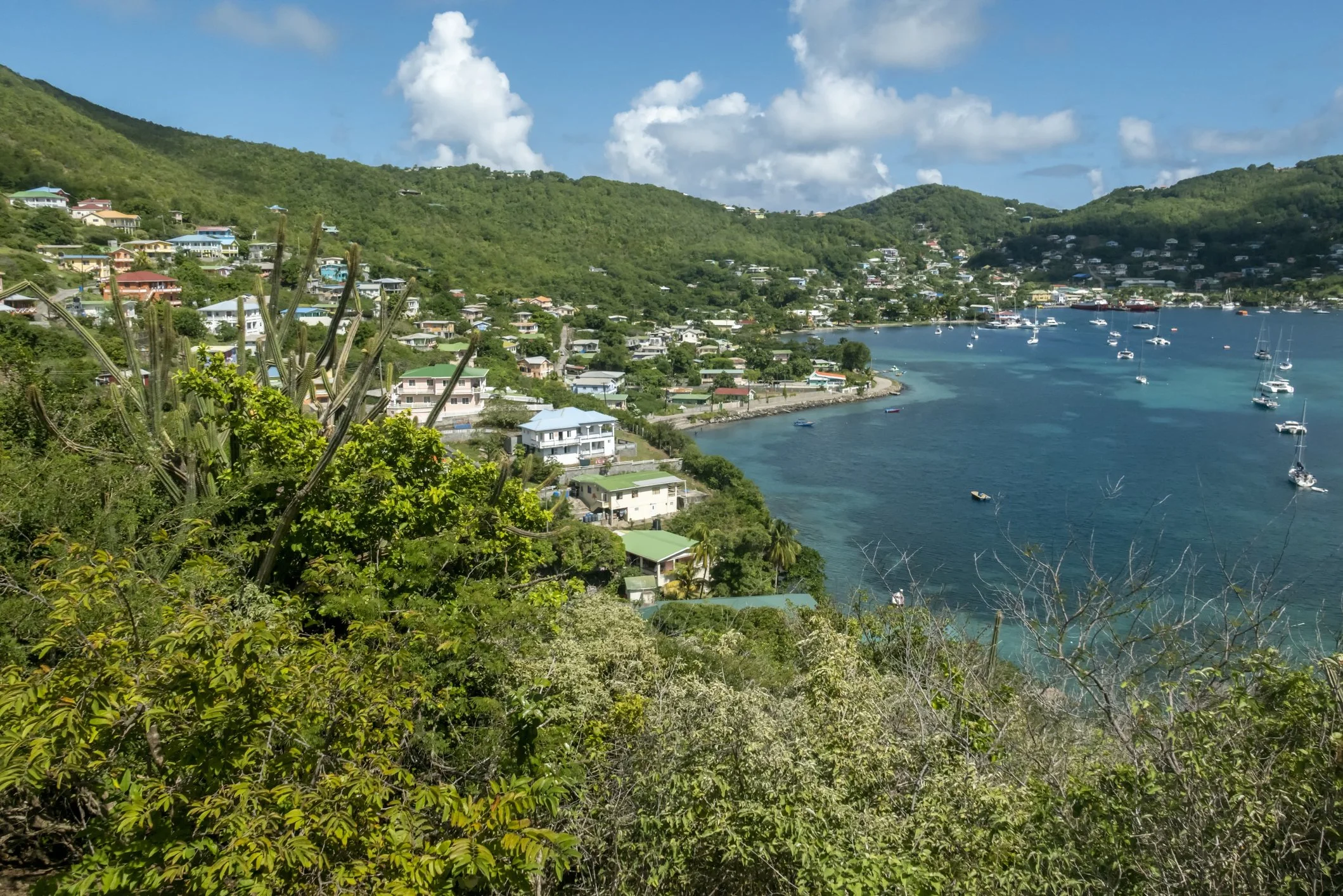
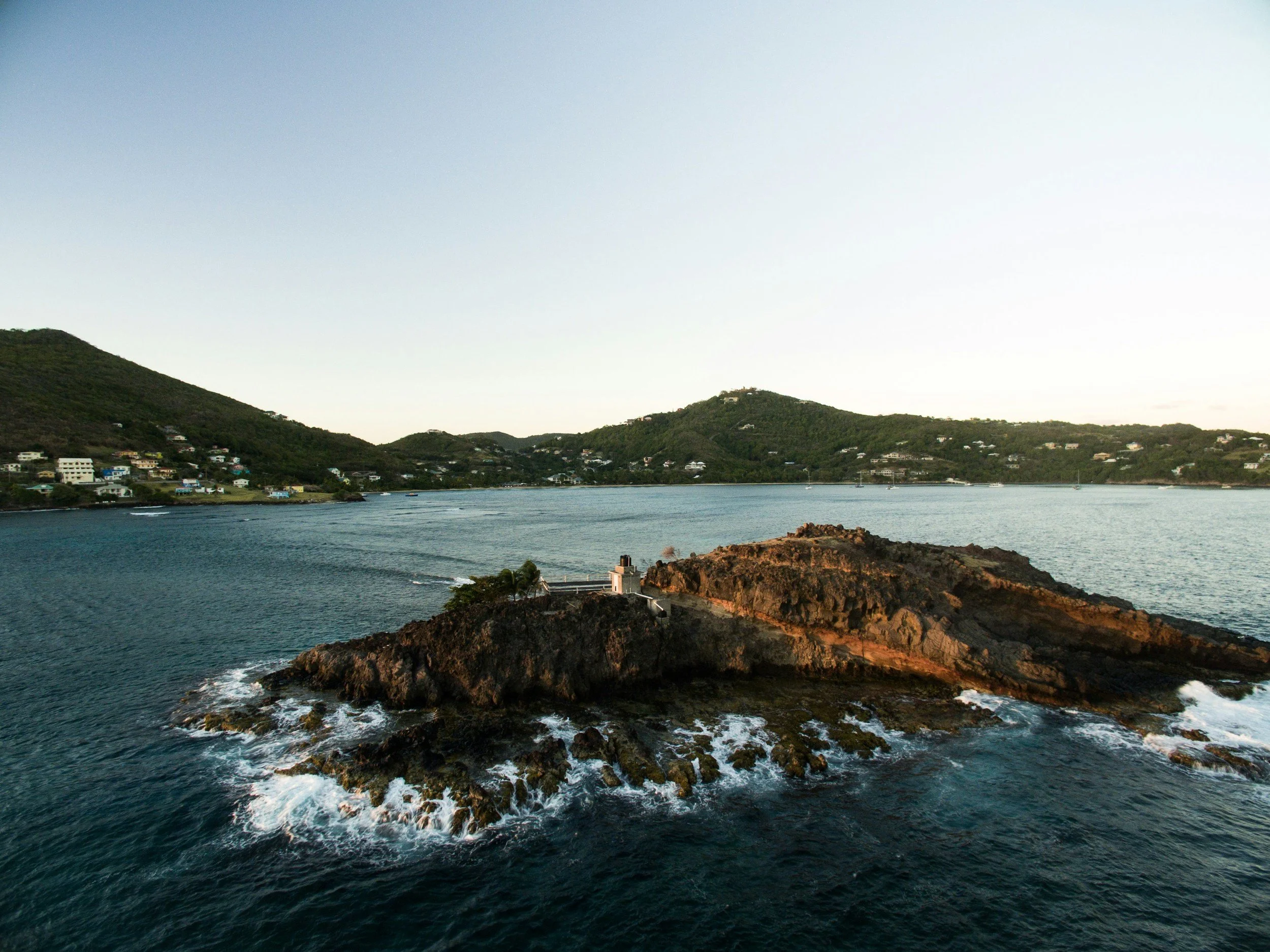
Color-washed cottages, a harbor full of sailboats, and an island pace so unhurried that even the goats seem unbothered — Bequia moves at a frequency the Caribbean rarely offers anymore.
Part of the Greater Caribbean Collection on TheTripThread — a destination reference system built for travelers deciding where they'll feel right, not just where to go. Bequia is for travelers who value genuine local character, sailing culture, and an island that hasn't been smoothed into a resort product.
Common Experience Patterns

Bequia runs on a rhythm shaped by the ferry schedule and the tide rather than the tourism calendar. The practical reality worth knowing before arrival: getting here takes effort — a flight to St. Vincent followed by a ferry, or a small charter — and once you're here, the infrastructure is genuinely limited. There's no rental car culture, no sprawling resort strip, and no fallback option if the one restaurant you planned on is closed. Water taxis between Admiralty Bay and the beaches are a normal part of how people move around, not a novelty, and the island's small scale means most things are within walking distance or a short taxi ride once you're oriented.
The texture is immediate and specific. Mornings in Port Elizabeth start with ferry horns and fruit vendors; the Belmont Walkway fills early with locals heading to the market and travelers drifting toward coffee. Afternoons open to the beaches — Lower Bay for families and easy swimming, Princess Margaret for calm water and boats at anchor, Friendship Bay for wind and solitude on the south-facing shore. Evenings are genuinely quiet — the harbor lights shimmer, beach bars hum with low music and conversation, and the island goes dark early in a way that takes adjustment but quickly starts to feel right.
What Bequia doesn't offer is worth stating without softening: dining options are limited and cycle quickly, luxury accommodation is scarce, and the island's charm depends entirely on embracing what's absent rather than missing what isn't there. Travelers who arrive expecting boutique-resort calm with authentic local flavor layered on top will find the ratio inverted — the authenticity is real, but the polish largely isn't. That's not a flaw; it's the proposition.
Locals Know — "The mainland" in Bequia means St. Vincent, and locals use the phrase casually and seriously. Daily life for residents still runs through the ferry — supplies, school, medical appointments — and the boat schedule shapes the island's rhythm in ways that visitors feel most on travel days and weekend mornings. Understanding this context makes the ferry feel less like a logistical inconvenience and more like the thread that connects the island to the wider world.
Locals and repeat visitors describe Bequia as the Caribbean that hasn't been exported yet — especially for travelers who want genuine community warmth and an unhurried pace over convenience and variety — while those who need consistent amenities, predictable dining, or stimulation beyond harbor life and beach time tend to find the island's simplicity more limiting than charming.
Where we eat:
Bequia's dining scene is small and local-facing — most options cluster around the Belmont Walkway in Port Elizabeth and a handful of spots behind Lower Bay. The tone is casual: fresh fish, simple plates, rum-forward drinks, and kitchens that keep island hours. There's no dense restaurant strip to wander and pick from; the better approach is to ask what's open and what's fresh, and to build flexibility into dinner plans. A few places do a more polished bistro-style meal, but the experience is always closer to a family table than a fine-dining room.
Where we go:
Most days start at the beach and branch from there. Princess Margaret Beach and Lower Bay are the primary swimming destinations, both reachable on foot or by water taxi from Port Elizabeth. Friendship Bay on the south coast is a longer taxi ride but worth it for the wind and the wider stretch of sand. The walk to Mount Pleasant rewards the climb with views across the Grenadines chain. The Bequia Heritage Museum in Port Elizabeth is a small but genuinely interesting stop — the whaling and boat-building history is specific to this island in a way that earns the visit.
What we love:
What Bequia consistently delivers is a sense of being known. By day two, the fruit vendor remembers your order, the harbor bar knows your drink, and the island's small scale creates a familiarity that no polished resort can manufacture. That's the experience travelers return for — not the beaches or the food specifically, but the feeling of belonging to a place, briefly, in a way that a more developed island simply can't replicate.
"Bequia felt like stepping back twenty years — but in the best way. No crowds, no pressure, just friendly people and perfect water." — Redditor, r/travel
About this section:
This section is built from publicly shared traveler perspectives and credible regional reporting. We treat it as sentiment and cross-check factual claims where possible. We intentionally limit dependence on review marketplaces where paid, promotional, or otherwise unrepresentative input can blur the picture.
Identity
Vibe Descriptors
Grounded • Welcoming • Artistic • Slow • Soulful
……….
Core Audience
Independent travelers and couples who prefer small-scale authenticity and community connection over luxury polish.
……….
Best For (Trip Types)
Romantic & Couples • Sailing & Boating • Culture & Community • Beach & Leisure
……….
Known For
A working harbor lined with wooden boats, friendly locals, and one of the Caribbean’s most beloved sailing traditions.
……….
Trip Thread Theme(s)
Friction & Tradeoffs (Read This Before You Book)
Cost Pressure: Bequia is one of the more affordable islands in the Greater Caribbean for day-to-day spending — local dining, guesthouses, and water taxis all run at modest prices. The main cost friction appears in getting there: the combination of a flight to St. Vincent and a ferry or charter adds meaningfully to the trip's total cost, and imported goods at local shops reflect island supply-chain pricing rather than mainland rates. Overall, Bequia rewards budget-conscious travelers more than most islands in its peer group, but the access cost is real.
Mobility / Getting Around: A rental car is not needed for most Bequia trips. The island is walkable between its main areas — Port Elizabeth, Lower Bay, and the Belmont Walkway connect comfortably on foot. Water taxis serve the beaches and are a normal mode of local transport. Taxis cover the longer routes to Friendship Bay and Mount Pleasant. Roads are narrow, steep, and poorly lit after dark — local advice consistently discourages driving unfamiliar routes at night. Unlike almost every other destination in the collection, Bequia's transport logistics are low-friction for travelers who stay within the central area.
Autonomy vs Structure: Bequia is entirely self-directed — there are no organized tours, no packaged resort activities, and no activity operators running set itineraries. Days here build around personal rhythm: choosing a beach, finding a table, deciding whether to take the water taxi east or walk the harbor. Unlike larger Caribbean destinations where options arrive pre-packaged, here the experience depends entirely on what the traveler brings in terms of appetite for simplicity. Travelers who need a destination to generate activity for them will run out of Bequia quickly.
Crowd Texture: No cruise ships, low tourism saturation, and a small local population mean Bequia never feels crowded in a conventional sense. Peak season around the Easter Regatta brings sailors and visitors from across the Grenadines, and the island takes on a social energy during that window that feels distinctly different from its usual quiet. Outside of that, the dominant texture is intimate and unhurried — the same faces at the same tables, a harbor that belongs to the people who work it, and very little sense that the island is performing for tourists.
Culture Access: Bequia's culture is not curated for visitor consumption — it's simply present, in the harbor, the market, the rum shops, and the boat-building tradition. English is universal, locals are warm and conversational, and the community character surfaces naturally without requiring deliberate navigation. This is the island's clearest advantage over more polished destinations: culture here is genuinely accessible, not packaged. The tradeoff is that there are no formal cultural institutions or guided experiences — what you encounter is organic or not at all.
Variety Ceiling: Three to five days is the natural range for most travelers before the island begins to repeat. The dining options cycle quickly, the beaches number in the single digits, and the activities are limited to sailing, snorkeling, hiking, and harbor life. Travelers who arrive knowing this and calibrate their expectations accordingly find the repetition meditative rather than limiting. Those who arrive expecting a week's worth of new experiences will feel the ceiling arrive earlier than expected.
Sand & Sea Character
Bequia’s sand feels lived-in rather than staged — soft coral beige along the calm west, coarser gold near the northern coves, and darker grains on the wind-brushed Atlantic side. The beaches curve small and human-scale; even the busiest cove never feels organized or owned. You’ll walk past fishermen repairing nets, children chasing waves, and travelers who seem to have wandered here on purpose.
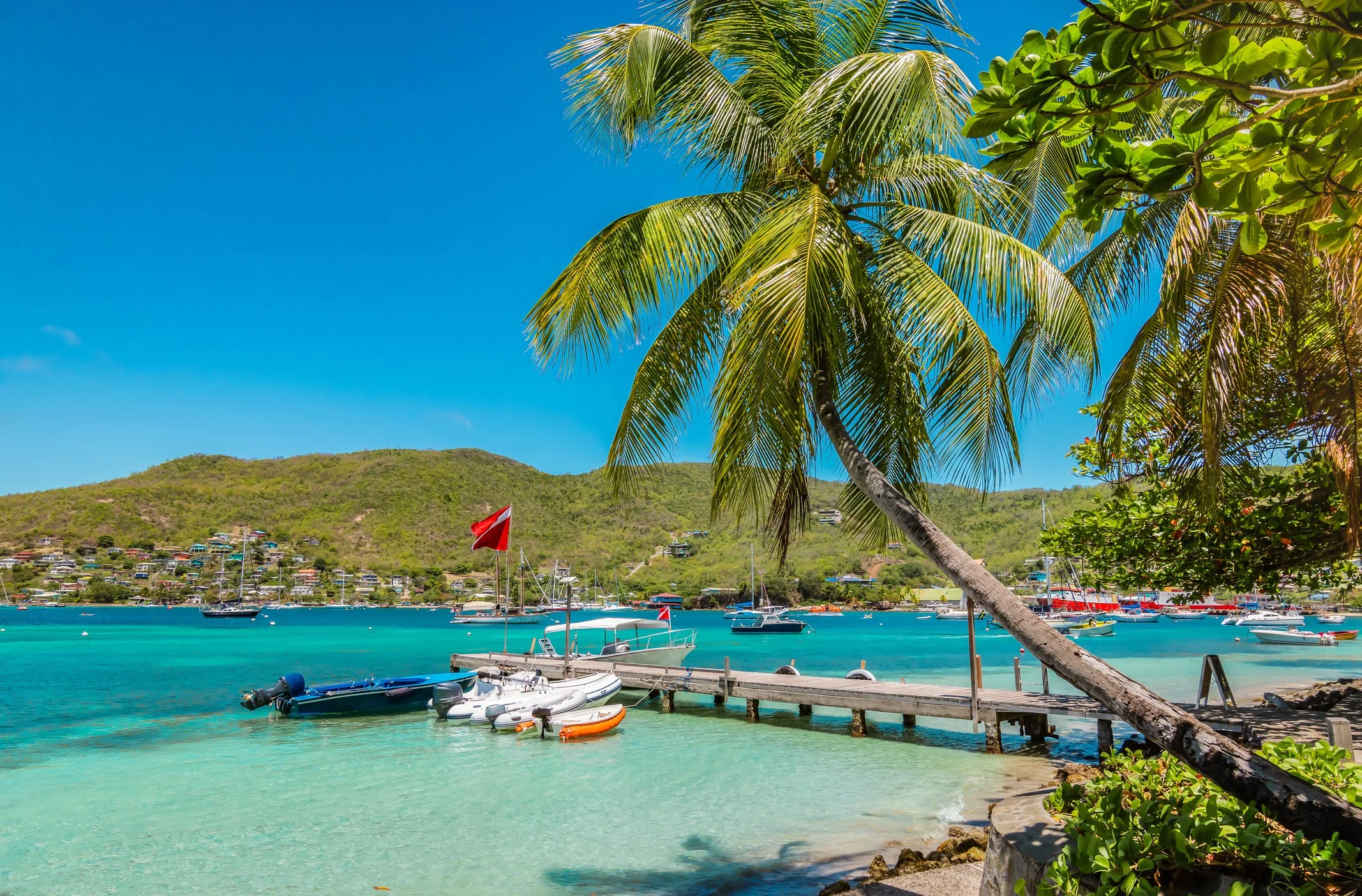
The sea shifts personality as you move around the island. Admiralty Bay's water is genuinely clear — visibility runs deep on calm days — and the color reads as bright turquoise in the shallows, shifting to deeper teal where the bay floor drops away and moored yachts cast shadows. The eastern coast's deeper blue is not a clarity issue; it reflects open-ocean depth and Atlantic exposure rather than any reduction in water quality.
Base in Port Elizabeth or along Admiralty Bay for the most walkable, socially connected experience — ferry access, the harbor's daily rhythm, and the Belmont Walkway dining strip within easy reach. Base in Lower Bay for sand at your doorstep and the island's most beach-forward daily routine with easy swimming from the shore. Base at Friendship Bay for wind, space, and solitude on the south coast — quieter mornings and fewer people, with dining and harbor life a taxi ride away.
Explore Bequia — Map & Highlights
Bequia sits in the southern Caribbean, part of St. Vincent and the Grenadines in the Windward Islands — small enough to know within a day and varied enough to keep revealing itself across a week. The island divides naturally between its west-facing harbor and calm beaches, its hillside interior, and its wind-exposed south and east coasts. This map is a decision tool, not a directory. It's designed to help you understand how Bequia's small geography shapes different types of trips, where different travelers tend to base themselves, and whether the island's limited-amenity, high-authenticity character matches what you're actually looking for. Use it alongside the Where to Stay section below — not as a checklist to work through.
Beaches
Bequia's beaches are small-scale and personal rather than expansive and resort-polished. Princess Margaret Beach and Lower Bay on the west side offer the calmest, clearest swimming conditions — protected from Atlantic swell, with easy entry and good visibility for snorkeling. Friendship Bay on the south coast faces more open water; the surf is gentler than the full Atlantic side but less still than the west, with a wider, breezier feel suited to travelers who want space over shelter. Base cue: Travelers who want the easiest daily beach access should base in Port Elizabeth or Lower Bay; those who want a quieter, breezier beach experience should base at Friendship Bay.
Food & Drink
Bequia’s dining scene is small but satisfying, with most options clustered around Port Elizabeth and the Belmont Walkway, plus a few laid-back spots tucked behind Lower Bay and Friendship. The tone leans casual and local—fresh fish, simple plates, and rum-forward drinks—rather than formal fine dining, though a handful of places do a more polished “island bistro” style. Beach bars exist, but they’re more toes-in-the-sand and conversation-driven than scene-y, and many kitchens keep island hours, so dinner plans go best with a little flexibility.
Activities
Activities on Bequia are place-anchored and self-directed rather than operator-led. Devil's Table is the island's most reliably recommended snorkel site, reachable by water taxi from Admiralty Bay. Mount Pleasant rewards the uphill walk with a panoramic view across the Grenadines chain. The Bequia Heritage Museum in Port Elizabeth is a small but genuinely specific stop — the whaling and wooden-boat history belongs to this island in a way that earns a visit. Most activity options sit within reach of a central base, making Port Elizabeth the lowest-friction starting point for a varied day. Base cue: Travelers who want the easiest access to the island's main experiences should base centrally around Port Elizabeth or Admiralty Bay.
Before you plan your vacation, here’s what to know—the practical details that make a good trip effortless.
Where to Stay on Bequia
Bequia is small enough that no base is far from anything — but where you stay still shapes the trip meaningfully. The difference between waking beside Admiralty Bay's harbor rhythm and waking to the wind off Friendship Bay is the difference between two distinct experiences on the same island. Below, The Trip Thread has listed the best areas to stay in Bequia — each offering a different balance of access, atmosphere, and pace. Each area is located on the above map for easy exploration.
Port Elizabeth & Admiralty Bay — Harbourfront & Central
Port Elizabeth, nestled on the west shore of Admiralty Bay, is where the ferries dock, yachts anchor, and the island’s pulse is most steady. Travelers drawn to being steps from restaurants, taxis and the harbour will enjoy the energy and ease of this zone. It offers the convenience of amenities and views without sacrificing island calm. Why stay: Prime access, lively feel, harbour views. Why not: Slightly more traffic and fewer quiet corners than remote bays.
Why stay: Central, lively, and convenient — perfect if you like being close to cafés, ferries, and daily island life.
Why not: Nights can feel busier and less secluded; harbor sounds and traffic replace the hush of the bays.
~~~~~
Lower Bay — Beachside & Social
South of Port Elizabeth lies Lower Bay, a gentle sand-crescent that blends beach-ease with local rhythm and a handful of bars and restaurants. It’s well suited to swimmers and families who want sand and softness without needing full isolation. The trade-off: it’s still accessible and visited, so you’ll hear footsteps and boats; if you want total seclusion you might look elsewhere.
Why stay: Swim-ready, social, and easygoing — great for couples, families, or anyone who wants sand at their doorstep.
Why not: Popular with day visitors; you’ll trade some quiet for accessibility and the occasional lively beach bar.
~~~~~
Friendship Bay — Quiet Atlantic Shore
On the east coast, Friendship Bay opens onto the open sea—windier, quieter and more direct in its tone. It suits travelers who prefer to wake slowly, enjoy breezy afternoons and trade sidewalk traffic for waves and palms. Expect fewer restaurants and amenities; the payoff is calm in a less-used location. Why stay: Long beach, peaceful pace, breeze-friendly. Why not: Lighter service, stronger surf means less gentle water for all swimmers.
Why stay: Peaceful, breezy, and scenic — ideal for travelers who want space, calm water views, and slower mornings.
Why not: Fewer dining options and a bit of wind exposure; nightlife is nearly nonexistent.
~~~~~
Mount Pleasant — Hillside Views & Local Life
Perched above Friendship and Hope Bays, Mount Pleasant feels both removed and connected — a patchwork of villas, boutique guesthouses, and family homes scattered across breezy ridgelines. Mornings start with wide views over the Grenadines and end with cool trade winds that roll through open verandas. It suits travelers who want space and perspective while staying within a ten-minute drive of beaches and restaurants. The trade-off: you’ll need a car or taxi for every outing, but the quiet and panorama repay the climb.
Why stay: Private and panoramic — perfect for travelers who value views, privacy, and a home-style atmosphere within easy reach of both coasts.
Why not: Requires taxis or a rental car for every outing; you’ll trade convenience for quiet elevation.
Practical Snapshot
-
December through April offers the driest, sunniest weather and steady trade winds tailored for sailing, swimming and exploration. The months from June to November bring more showers and fall within the hurricane belt (especially August-October), so if you travel then you’ll trade peak weather for fewer crowds and better value.
-
The official currency is the Eastern Caribbean Dollar (XCD) though U.S. dollars are widely accepted in resorts, restaurants and tourist services. Credit cards work at most mid-to-upscale establishments, but in smaller shops and rural areas cash is still handy.
-
English is the official language on the island and is spoken widely in everyday life, while a French-derived Creole (often called “Bêk”) may also be heard in local conversation, lending a gentle cultural layer to interactions.
-
You’ll arrive either via charter or small flight into J. F. Mitchell Airport (IATA BQU) followed by a taxi into Port Elizabeth, or by ferry from nearby islands via the main wharf. Once on the island, most key beaches and accommodations are a short ride from the harbour, making access straightforward.
-
Bequia offers a fairly balanced cost profile: local eateries and guest-houses lean moderate (💲), many beach-front villas and boutique lodgings fall in the mid-tier (💲💲), and private hillsides or luxury sail-in stays push toward upscale (💲💲💲).
-
Nightlife here stays intimate and island-rooted, with open-air rum bars, live-music sessions and harbour-side conversations rather than mega-clubs. Expect a relaxed social rhythm, warm interactions and the occasional beachfront party rather than rowdy late-night excess.
-
Taxis and “open-side” island pickups are the norm for short hops, rentals make sense if you want full freedom, and walking is available in key hubs like Port Elizabeth. Roads can be narrow and winding — pick your time of day wisely and drive with awareness.
-
Bequia carries a minimal concern rating and is considered one of the safer destinations in the collection. The island's small size, tight-knit community, and absence of cruise ship traffic mean the social environment is low-pressure and generally warm toward visitors. Standard awareness applies — keep valuables secure at beaches and avoid driving unfamiliar roads after dark, which are narrow, steep, and unlit. Taxis are the sensible choice for any nighttime movement on routes you don't know.
Solo travelers find Bequia easy to navigate and genuinely friendly — the island's scale means you're quickly recognized and welcomed as a familiar face rather than an anonymous visitor.
For LGBTQ+ travelers: Same-sex relations remain criminalized in St. Vincent and the Grenadines under the Criminal Code of 1988, which carries penalties of up to ten years imprisonment. In February 2024, the High Court upheld these laws in their entirety, dismissing constitutional challenges. An appeal is pending before the Eastern Caribbean Court of Appeal, but no decriminalization has occurred. There is no evidence of active enforcement in recent years, but the legal risk is real and formal. LGBTQ+ travelers should be aware of this before visiting.
-
Tap water is generally safe, but many travellers prefer bottled water for taste. The island uses 230 V electricity with UK/European style plugs. Wear a cover-up when walking into inland shops, restaurants, etc.
-
Bequia sits near sensitive reef systems and coral zones — please use reef-safe sunscreen, refill your water bottle rather than single-use plastic and ask your accommodation about their waste-management and energy-use practices. The island makes strides in community-based tourism and your aware choice supports local ecology.
Compare Similar Caribbean Islands
Thinking about Bequia, Mustique, or Grenada? Here’s how these Caribbean islands differ in rhythm and culture.
🇻🇨 BEQUIA
Vibe & Energy
Slow, genuine, and personal — a working harbor where boats outnumber cars and the day’s rhythm follows the tide.
Dining & Culture
Casual cafés and rum shops mix with handmade crafts and open smiles; culture here is lived, not staged.
Cost & Crowds
Moderate and human-scale — fewer visitors, small hotels, and a friendly mix of sailors and returning guests.
Accessibility
Reached by ferry from St. Vincent or short charter flight from Barbados; effortful enough to stay uncrowded.
Nightlife / Social Scene
Evenings hum softly — live music at Jack’s, laughter over Caribs, and stars for company.
Best For
Travelers who want authenticity over gloss and connection over convenience.
🇻🇨 MUSTIQUE
Vibe & Energy
Curated calm and quiet privilege — beaches trimmed, villas secluded, and everything moving in slow, confident rhythm.
Dining & Culture
Upscale and discreet: cocktails at Basil’s, private chefs in villas, and service tuned to expectation.
Cost & Crowds
High-end, intentionally limited; exclusivity ensures serenity.
Accessibility
Private or scheduled charters from Barbados or St. Vincent, followed by a short scenic flight.
Nightlife / Social Scene
Social for insiders — villa soirées and elegant calm rather than a scene.
Best For
Privacy seekers and loyal guests who favor polish, security, and seclusion.
🇬🇩 GRENADA
Vibe & Energy
Lush and expressive — a larger island that blends spice farms, rainforest, and beach culture with everyday life.
Dining & Culture
Flavors of nutmeg, cocoa, and Creole kitchens define its warmth; local festivals and street food give Grenada a generous, sensory character.
Cost & Crowds
Moderate to upscale; more built-out than Bequia but rarely overwhelming thanks to its size and community feel.
Accessibility
Well-connected with direct international flights and regular regional links; smooth transit into the south-coast resorts.
Nightlife / Social Scene
Easy and rhythmic — beach bars, live steel-pan, and cultural nights more than club scenes.
Best For
Travelers who want comfort and color in equal measure — more variety, less isolation.
Pick Bequia if: you want genuine Caribbean authenticity, a working harbor community, and an island that rewards patience and simplicity over polish and variety.
Pick Mustique if: you want the same small-island seclusion with a luxury layer — private villas, curated calm, and an experience built around comfort rather than community.
Pick Grenada if: you want more variety and easier access alongside local warmth — a larger island with more dining, more activities, and a richer cultural texture without the access friction.
Tie-breaker: If authenticity and community feel are the priority, Bequia. If you need that alongside consistent amenities, Grenada. If seclusion and luxury matter more than local character, Mustique.
Local Truths
Bequia is pronounced "BEK-way" — said softly, almost as one syllable with a gentle second beat. Visitors who say "beck-WAY" with a hard emphasis on the second syllable tend to overdo it. Locals notice, and getting it right opens conversations.
~~~~~
"The mainland" means St. Vincent — locals use the phrase casually and seriously. Daily life for residents still runs through the ferry for supplies, school, and medical appointments. When locals talk about going to "the mainland," they're not being poetic; they're describing a real dependency that shapes how the island operates.
~~~~~
Water taxis in Bequia are not a tourist novelty — they're a normal mode of transport between Admiralty Bay and the beaches. First-timers sometimes hesitate or overpay; asking a local what the going rate is before boarding avoids both.
~~~~~
The Atlantic-facing south and east coasts are for looking, walking, and appreciating, not casual swimming. Locals consistently flag this for visitors: the currents are strong, the surf unpredictable, and the gentle appearance of Friendship Bay in calm conditions has misled swimmers before. Swim west or south-west for genuinely calm water.
~~~~~
Roads after dark are narrow, steep, and largely unlit. Local advice is consistent: if you don't know the terrain, take a taxi rather than drive yourself on remote stretches at night. This isn't overcaution — it's practical knowledge about roads that don't have guardrails where you'd want them.
~~~~~
Everything you buy in Bequia arrived by boat, and prices reflect it. Locally caught fish is genuinely cheaper and fresher than imported protein; leaning into what the island grows and fishes locally keeps costs lower and the meals better. Expecting mainland pricing on imported goods leads to sticker shock at the market.
Bequia Travel Questions, Answered
A small island with a big heart, Bequia rewards curiosity and calm — the more you slow down, the more it reveals.
1. Is Bequia expensive?
Bequia sits in the lower-to-moderate range for the Caribbean — one of its genuine advantages over more developed islands. Local dining is affordable, guesthouses and smaller properties are reasonably priced, and the island's limited infrastructure means fewer opportunities for things to cost a lot. The main cost friction is getting there: the combination of a flight to St. Vincent and a ferry or charter adds meaningfully to the total trip cost. Locally caught fish and produce are cheaper and fresher than imported goods, so leaning into what the island grows and fishes keeps daily costs down.
2. When is the best time to visit Bequia?
December through April is the dry season and the most reliably pleasant window — calm seas, steady breezes, and the island at its most social, particularly around the Easter Regatta. May and June offer a quieter, cheaper alternative with mostly good weather before the wetter months set in. Hurricane season runs June through November, with the highest risk in August and September. The Bequia Music Festival in January draws visitors specifically for the cultural programming alongside dry-season conditions.
3. Which area of Bequia should I stay in?
Port Elizabeth and Admiralty Bay is the most convenient base — central, walkable, and close to ferries, restaurants, and the harbor's daily rhythm. Lower Bay suits travelers who want sand at their doorstep and a beach-focused daily routine with easy swimming. Friendship Bay is quieter and breezier on the south coast, suited to couples who want space and fewer people nearby. Mount Pleasant offers the best views and the most privacy but requires taxis for every outing. The island is small enough that no base is far from anything else.
4. Do I need a car in Bequia?
Most travelers don't need a rental car in Bequia. The island is walkable between main areas — Port Elizabeth, Lower Bay, and the Belmont Walkway connect comfortably on foot. Water taxis serve the beaches and are a normal part of how people move around. Taxis cover longer routes to Friendship Bay and Mount Pleasant. A moke or car rental is useful for reaching the quieter east-coast coves, but it's not essential for a satisfying trip based centrally. Roads are narrow, steep, and poorly lit after dark — taxis are the safer choice at night on unfamiliar routes.
5. Is Bequia safe for solo or LGBTQ+ travelers?
Bequia is a low-concern destination for solo travelers — the island's small size and community warmth make it easy to feel oriented and welcome quickly. Standard awareness applies at night on unfamiliar roads. For LGBTQ+ travelers: Same-sex relations are criminalized in St. Vincent and the Grenadines. The High Court upheld this in February 2024, dismissing constitutional challenges. An appeal is pending but no decriminalization has occurred. Bequia falls under SVG jurisdiction — the legal risk applies here as it does across the territory. For solo travelers, Bequia is generally considered safe and welcoming in the day-to-day sense, with a relaxed, community-oriented atmosphere.
6. How does Bequia compare to Mustique and Grenada?
Bequia sits between Mustique and Grenada in feel and accessibility. Mustique is more exclusive and polished — private villas, curated calm, and a price point that reflects it; a different kind of small-island experience built around luxury rather than community. Grenada is larger, more developed, and easier to reach, with more variety in dining, activities, and accommodation — but less of the intimate, working-harbor character that defines Bequia. Travelers choosing between the three are usually deciding how much amenity they need alongside authenticity.
Why This Guide Changes With the Island
Bequia never stays still — families open new cafés along the walkway, harbor regulars become fixtures, and the island's best-kept spots shift with each season.
This guide evolves with it. Locals share updates, travelers add discoveries, and we keep refining what you see here so every detail reflects the island as it is now — not a memory of what it used to be.
Every traveler connects differently. Maybe Bequia is your match — or maybe your rhythm leads somewhere else in the Greater Caribbean. What matters is finding the places that feel like you. That’s what The Trip Thread exists to do: rediscovering the joy of travel, and the element of discovery that should accompany it.
Guided by locals. Designed for discovery.