By Kelly McAtee | TheTripThread | Last Updated March 2026
St. Maarten
The Caribbean, with the volume turned all the way up.
Urban Island Energy | Culture & Rhythm | Sail & Sea Life
Best for travelers who want a fully loaded Caribbean hub — beach bars, casinos, and the world's most famous low-altitude runway approach — drawn to social, activity-dense island life over quiet or nature-first escapes.
Not for travelers who prefer solitude, nature access, or an island that feels removed from commercial tourism and cruise ship rhythms.
☀️ Best months: Dec–Apr · 💲 Average cost: $$–$$$ · 🕶️ Vibe: Lively
Reality Check (Read This Before You Book)
St. Maarten's Dutch side runs as an activity hub — resort-anchored and best explored by rental car, with loose expectations about timing and crowds.
The biggest misconception: the Dutch side is lively, but it's also structurally commercial. On cruise ship days, Philipsburg transforms — crowds stack up, prices shift, and the atmosphere has little to do with a classic island vacation.
If you need any form of natural quiet or solitude, the commercial energy here is constant and difficult to step outside.
If unpredictable delays frustrate you, the Simpson Bay drawbridge opens multiple times daily for yacht traffic and can affect transfers, dinner plans, and beach days without warning.
If a quieter, more nature-forward Caribbean experience sounds more like your trip, there are destinations in the Greater Caribbean Collection worth comparing before booking here.
Why You’ll Love It
St. Maarten works because it doesn't ask you to slow down. The Dutch side is built for travelers who want a full Caribbean experience — beaches, food, nightlife, water sports, easy island-hopping — without having to plan hard for any of it. Everything is accessible, English is everywhere, the flights are direct, and the energy is ready when you arrive.
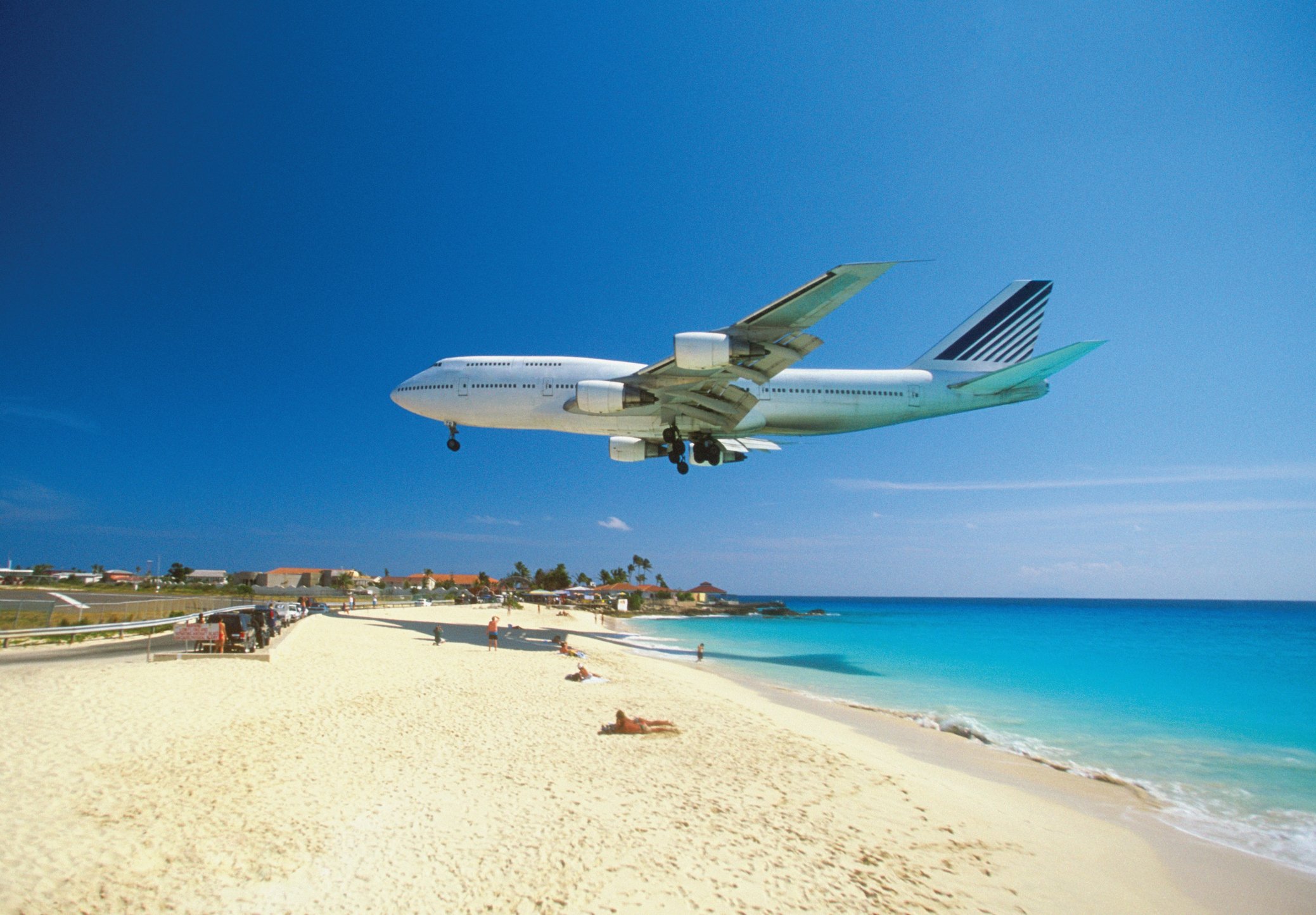
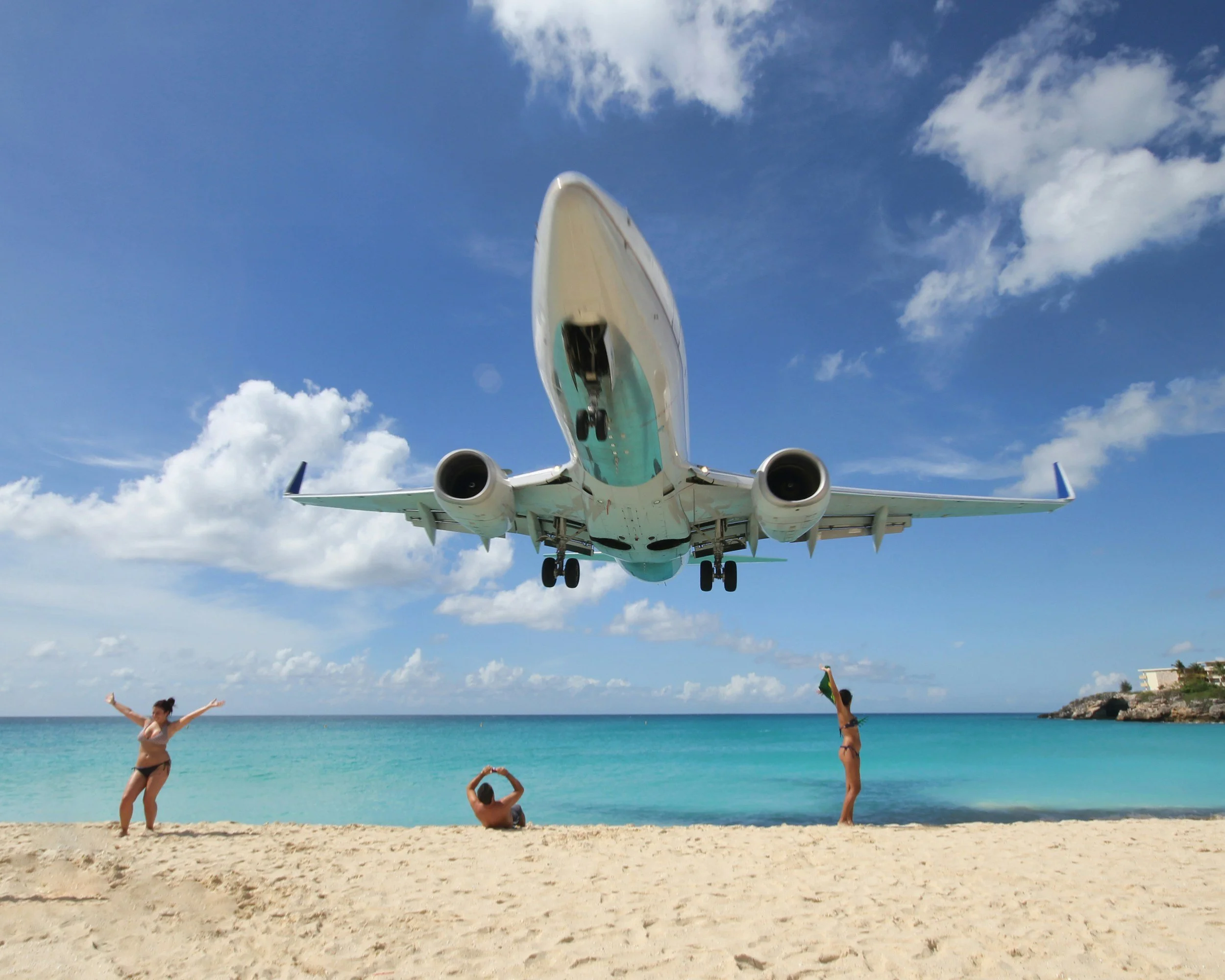
Mornings on the Dutch side tend to start at the beach. The water at Dawn Beach and Cupecoy runs clear and turquoise, and the sand shifts from white to gold depending on where you plant yourself. By early afternoon, Simpson Bay's strip is fully alive — jet skis cutting through the lagoon, cold Carib in hand, the kind of easy social energy that requires nothing of you except showing up. Then there's Maho, where the runway ends at the beach fence and a landing 737 passes close enough to feel the wind shift. It's theatrical in a way that only this island delivers.
Most Caribbean islands ask visitors to choose between activity and calm, nightlife and nature, convenience and authenticity. St. Maarten's Dutch side collapses that choice into one address. Unlike quieter islands nearby — where a good night out means a dinner reservation and an early taxi home — the Dutch side has a genuine late-night scene, casino culture, and beach bars that stay busy from noon onward. It isn't trying to be exclusive or hidden. That's precisely the point.
Best for travelers who want the Caribbean's most energetic hub: beaches, nightlife, and easy access to nearby islands, without the planning friction most active itineraries require.
St. Maarten is often recommended for group travelers, solo adventurers, and first-time Caribbean visitors seeking a lively, well-connected base with both beach culture and social life.
This is St. Maarten
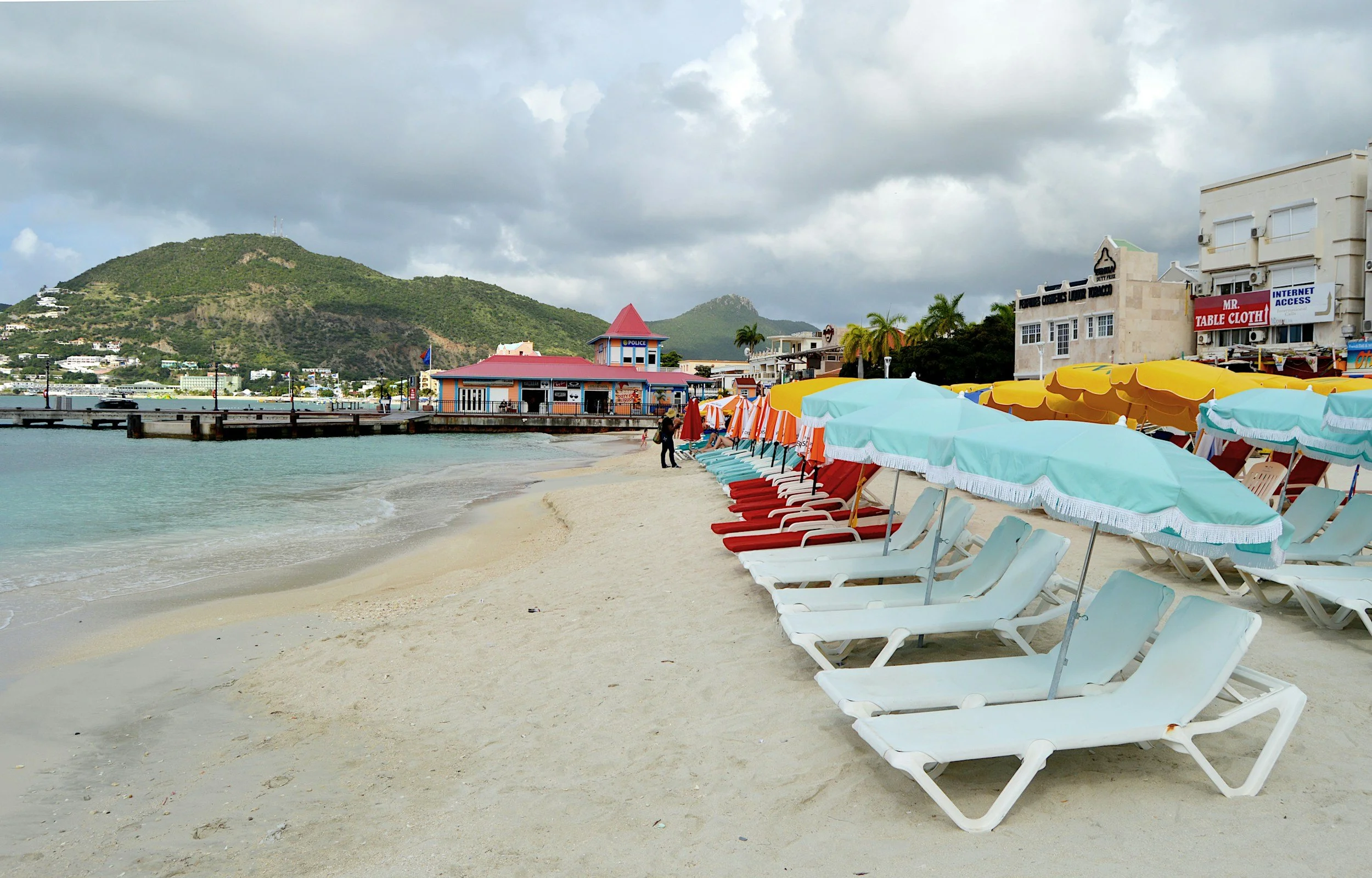
The Dutch side of St. Maarten is all color and motion — painted waterfront buildings in Philipsburg, a marina thick with yachts, beaches that shift from quiet to electric depending on how far you walk, and the low shadow of a landing aircraft passing over Maho like clockwork.
Part of the Greater Caribbean Collection on TheTripThread — a destination reference system built for travelers deciding where they'll feel right, not just where to go. St. Maarten is for travelers who value energy, social ease, and a Caribbean base that keeps pace with them.

Common Experience Patterns

The Dutch side of St. Maarten runs on visible energy. Mornings begin with beaches and marina movement rather than stillness, and by late morning the island is already distributing people toward Maho, Simpson Bay, and Philipsburg depending on what kind of day they want. The practical reality shaping nearly every plan is movement: the island is small, but traffic is not minor, and short distances routinely feel longer than they look on a map. Travelers who experience the Dutch side best tend to treat it as a string of short, flexible hops rather than a tightly timed itinerary.
The island’s most recognizable scenes are theatrical in a way few Caribbean destinations are. At Maho, the runway approach turns the beach into a spectator space — planes dropping low enough to shift the air, phones up, drinks in hand, everyone briefly sharing the same moment. Simpson Bay carries a different texture: marinas, beach bars, happy-hour drift, jet skis, and a social strip that feels active well before dark. Philipsburg is brighter and more transactional — painted waterfront buildings, jewelry stores, cruise-day foot traffic, and a boardwalk atmosphere that can feel festive or overwhelming depending on how many ships are in. A beach day here often includes movement, noise, and at least one spontaneous stop that was not part of the original plan.
What St. Maarten is not, at least on the Dutch side, is a retreat from tourism infrastructure. The common Caribbean fantasy of finding a quiet rhythm and slipping outside the commercial frame does not hold especially well here; the island’s appeal is precisely that the activity is easy to access and constantly available. That same convenience creates the trade-offs travelers mention most: ship days can change Philipsburg completely, nightlife zones require ordinary street awareness after dark, and the Simpson Bay drawbridge can interrupt transfers, dinners, and beach-hopping with little warning. Even the island’s most famous attraction comes with a local caution — Maho’s fence remains a point residents talk about seriously because visitors still underestimate jet blast danger.
Locals Know — Simpson Bay’s drawbridge is not a minor quirk; it is one of the island’s most repeated practical warnings because it can change the tempo of an otherwise simple outing. Visitors who treat the Dutch side casually but not rigidly tend to experience it far better than those trying to run it on exact timing.
What travelers consistently praise is the ease of having so much Caribbean activity in one place: nightlife, beach bars, plane-watching, water sports, international food, and quick access to nearby islands without much planning friction. They also praise how easy the Dutch side is for first-timers — English is everywhere, the infrastructure is legible, and the social tone is welcoming rather than exclusive. What catches people off guard is how dramatically cruise traffic alters Philipsburg, and how commercial the island can feel when the timing goes against them. Locals and repeat visitors alike describe St. Maarten as one of the Caribbean’s most forgiving high-energy bases, especially for travelers who want beaches with movement, nightlife, and social ease, while those who prefer quiet, nature-first islands tend to feel overstimulated quickly.
Where we eat:
The Dutch side is less about one signature food district than about range — beach bars, international menus, casual grills, marina-facing drinks, and easy group-friendly dinners. Simpson Bay anchors most evening movement, while Maho suits travelers who want drinks and spectacle close together. The practical note: the best approach here is flexibility, since traffic, ship volume, and bridge delays can change what feels convenient from one hour to the next.
Where we go:
Most people move through the Dutch side in zones rather than in a single continuous day: Maho for plane-watching and resort energy, Simpson Bay for nightlife and water sports, Philipsburg for shopping and cruise-port atmosphere, Cupecoy for a slightly more resort-weighted edge. Travelers rarely stay in one place all day unless the goal is specifically a beach-club day. Even on a compact island, movement is part of the product.
What we love:
St. Maarten works because it removes friction from the kind of Caribbean trip many travelers actually want — social, active, beach-based, and easy to navigate without deep planning. It combines spectacle and convenience better than almost anywhere in the region. For the right traveler, the island’s commercial energy does not dilute the experience; it is the experience.
About this section:
This section is built from publicly shared traveler perspectives and credible regional reporting. We treat it as sentiment and cross-check factual claims where possible. We intentionally limit dependence on review marketplaces where paid, promotional, or otherwise unrepresentative input can blur the picture.
Identity
Vibe Descriptors
Lively · Upbeat · Urban-meets-beach · Diverse · Fun-focused
……….
Core Audience
Travelers who want the Caribbean at its most social — beach bars, plane-watching, casinos, and easy island-hopping — and prefer movement over quiet
……….
Best For (Trip Types)
Nightlife & Party · Adventure & Exploration · Romantic & Couples · Food & Drink
……….
Known For
Low-flying arrivals at Maho, lively nights in Simpson Bay, cruise-port energy in Philipsburg, and a Dutch-Caribbean beach scene built around convenience and activity
……….
Trip Thread Theme(s)
Friction & Tradeoffs (Read This Before You Book)
Cost Pressure: St. Maarten sits in a middle-to-upper range rather than a true budget lane. Flights can be straightforward, but costs stack through beach bars, taxis, resort areas, and activity-heavy days — especially around Maho and Simpson Bay, where it is easy to spend more than planned without booking anything especially luxurious.
Mobility / Getting Around: You can walk within pockets like Philipsburg, Simpson Bay, or parts of Maho, but the island does not function well as a fully walk-first destination. A small rental car or taxis work better than expecting seamless strolling between zones, and practical disruptions are real: the Simpson Bay drawbridge can delay transfers without warning, and late-afternoon traffic between Maho/Cupecoy and Simpson Bay is one of the island’s most repeated frustrations.
Autonomy vs Structure: This is an easy island for independent travelers, but it works best with flexible planning rather than a tightly timed schedule. Unlike a resort-first destination where everything happens on one property, St. Maarten rewards visitors who move between zones — beach, bar, marina, dinner — while accepting that traffic, bridge openings, and cruise-day spillover may change the order.
Crowd Texture: The Dutch side is socially easy but rarely quiet. Philipsburg can feel like two different places depending on ship volume, and on heavy cruise days the town becomes denser, more commercial, and more transactional than travelers expecting a classic laid-back beach stop often anticipate.
Culture Access: English is easy, and that accessibility lowers friction for first-timers, solo travelers, and groups. The trade-off is that much of the visitor experience is shaped through tourism infrastructure rather than deep local immersion — beach bars, casinos, port traffic, and resort corridors are the dominant frame, rather than the more community-facing rhythm travelers may be hoping to find elsewhere.
Variety Ceiling: Four to five days is the natural sweet spot for many travelers. The island offers more activity than quieter Caribbean destinations — nightlife, water sports, beach bars, plane-watching, day trips — but if those are not your version of variety, the experience can begin to repeat itself as beaches, bars, and commercial zones start to blur rather than deepen.
Sand & Sea Character
The Dutch side’s sand is mostly pale and easy underfoot — white to soft gold rather than powder so fine it disappears beneath you. Simpson Bay gives you the broadest, most conventionally beachy feel: long stretches of lighter sand, room to walk, and a shoreline built for people who want beach time to be part of the day rather than the whole day. Maho’s sand is similarly light but the experience is defined less by texture than by atmosphere — short bursts of spectacle, people gathering near the runway approach, and a beach that feels socially charged rather than secluded. Cupecoy shifts the mood again: smaller pocket beaches, a more compact feel, and a visually sharper coastal edge that reads more dramatic than relaxed. Base in Simpson Bay for broad sand and easy social beach access; base in Cupecoy/Maho for resort convenience, sunsets, and the island’s most recognizable coastal scenes.
Water clarity and water color are not always the same thing here. The Dutch side’s main beaches generally run clear in normal conditions, but the brightest turquoise shows where the seabed is pale and the water stays shallower near shore. That is why stretches around Simpson Bay often read lighter and more swim-easy, while Cupecoy can look deeper blue even when visibility is still good — smaller coves, darker shadow, and quicker depth change affect the color. The water is usually calm-to-moderate rather than surf-heavy, making casual swimming and floating realistic on most main-beach days, though wind and boat activity can roughen the surface. Travelers chasing bright turquoise, easy-entry swimmingshould lean toward Simpson Bay; those wanting resort-area water access and deeper-toned coves with a more dramatic look fit Cupecoy/Maho better; and those looking for a genuinely wild, open-coast beach experience are usually seeking something other than the Dutch side’s core appeal.
Explore St. Maarten — Map & Highlights
The Dutch side of St. Maarten sits on the southern half of a two-nation island in the northeastern Caribbean, shared with French Saint-Martin. Exploring it feels less like disappearing into one perfect beach and more like moving between distinct pockets of energy — marina mornings, runway spectacle, resort strips, boardwalk traffic, then a quieter cove if the day still has room for one. The island is small, but getting around is shaped by real friction: short drives, bridge openings, ship-day crowd surges, and late-afternoon traffic can all change the pace. Unlike a classic fly-and-flop Caribbean stay, St. Maarten is best understood as a set of social zones. This map is meant to clarify those zones, not to list every beach, bar, or landmark.
Beaches
The Dutch side’s beaches range from broad, easy-entry stretches like Simpson Bay and Great Bay to smaller, more dramatic pocket beaches around Cupecoy, where limestone cliffs and tighter coves change the mood completely. Maho is the most theatrical rather than the most restful — swimmable, social, and defined by the runway approach overhead. This is not an off-grid beach island; the coastline is generally accessible, developed, and tied closely to resorts, roads, and beach-bar culture. Base in Simpson Bay for a classic beach-with-energy stay, or Cupecoy/Maho for resort access and the island’s most distinctive coastal spectacle.
Food & Drink
Dining on the Dutch side concentrates most clearly in Simpson Bay, where the island’s evening rhythm feels easiest to join — marina-front drinks, casual beach bars, group-friendly dinners, and enough variety that the area works well without much planning. Philipsburg adds a more commercial, cruise-sensitive register: boardwalk cafés, shopping-adjacent stops, and easier daytime meals than destination dinners. Maho fits travelers who want restaurants folded into a resort-and-nightlife corridor rather than a stand-alone food district. Base in Simpson Bay if meals and after-dark movement matter most; use Philipsburg more as a stop than a full food-first base.
Activities
Activity planning on the Dutch side is built around high-density, low-friction fun rather than remote excursions. Maho anchors the island’s signature experience — plane-watching — while Simpson Bay carries much of the water-sports, sailing, and marina energy. Catamaran trips, jet skis, and easy day-trip logistics give the Dutch side its reputation as an activity hub, and Philipsburg adds shopping and cruise-port movement for travelers who like visible buzz. The trade-off is that stacking too much into one day can backfire once traffic and bridge timing enter the picture. Base near Simpson Bay or Maho for the easiest access to the island’s most social, activity-heavy version of itself.
Which Area of St. Maarten Should We Stay In?
The Dutch side is compact but not interchangeable — where you stay determines whether your trip feels like a beach-and-marina vacation, a nightlife-heavy long weekend, a sunset-and-resort stay, or a boardwalk base with cruise-port energy nearby. Accommodation here runs from resorts and condo-style stays to villas and apartment rentals, with the best fit depending more on pace and access than on distance alone. Because traffic and bridge delays can change the feel of a day quickly, most travelers do best choosing one main base instead of trying to split the island too finely. Below, The Trip Thread has listed the best areas to stay in St. Maarten — each offering a different balance of privacy, scenery, and local character. Each area is located on the above map for easy exploration.
Simpson Bay — Social Beach Base & Marina Access
Simpson Bay is the Dutch side’s most flexible base: a long beach, marina energy, water-sports access, and enough restaurants and bars nearby that the area works from morning through late evening. Staying here suits travelers who want movement without committing fully to Maho’s spectacle or Philipsburg’s cruise-port rhythm. It is one of the easiest places to base if you want beach time, boat departures, happy hour, and dinners all within the same general zone. The trade-off is that it rarely feels still — traffic builds, the drawbridge can interrupt plans, and the atmosphere is more social than serene.
Why stay: The best all-around Dutch-side base for travelers who want beach access, dining, marina activity, and nightlife without locking themselves into one scene.
Why not: It is busier and less restful than Cupecoy, and the bridge-and-traffic pattern can make short distances feel longer than expected.
Maho — Runway Spectacle & Late-Night Convenience
Maho is the Dutch side at its most performative — planes overhead, beach bars, casinos, resort towers, and a compact nightlife corridor that keeps the island’s most famous scene close at hand. It works best for travelers who want to step directly into the energy rather than drive toward it each night, especially on a shorter trip where convenience matters more than range. Compared with Simpson Bay, it feels tighter, more resort-anchored, and more defined by a single spectacle. The balance is obvious: if plane noise, nightlife spillover, and constant foot traffic wear on you quickly, Maho can feel intense rather than fun.
Why stay: The easiest base for travelers prioritizing plane-watching, casinos, nightlife, and airport convenience over quiet beach time.
Why not: It is one of the least peaceful places to stay on the island, and its identity is so concentrated that some travelers feel boxed into the scene.
Cupecoy — Sunset Edge & Resort Calm
Cupecoy sits on the island’s western edge near the French border, with sandstone cliffs, compact beaches, and a more contained resort-and-condo feel than either Simpson Bay or Maho. It suits couples, repeat visitors, and travelers who want a quieter home base with dramatic sunsets and easy access to both the Dutch side and the French side by car. Compared with Maho, the atmosphere is calmer and more residential; compared with Philipsburg, it feels far less commercial. The trade-off is practical: the beaches are smaller, the area is less walkable for varied evenings, and a car matters more here than in the livelier core zones.
Why stay: Best for travelers who want a quieter, more scenic Dutch-side base with resort comfort and less crowd intensity than Maho or Philipsburg.
Why not: It is less central to the island’s main social energy, and the smaller beach pockets won’t satisfy travelers wanting a broad, classic beach-town feel.
Philipsburg — Boardwalk Base & Urban Convenience
Philipsburg is the Dutch capital and the island’s most visibly urban base — colorful streets, the boardwalk along Great Bay, shopping, and a cruise-port atmosphere that can feel festive or overbuilt depending on the day. It works for travelers who like being able to walk a compact center, stay near the waterfront, and dip in and out of beach time without structuring the whole trip around resort zones. Compared with Cupecoy, it is far more commercial; compared with Simpson Bay, it feels more town-based than marina-based. The trade-off is ship sensitivity: on busy port days, the area changes character fast and loses much of whatever quiet it had.
Why stay: The most walkable base on the Dutch side for travelers who want boardwalk access, shopping, and a real town setting beside the beach.
Why not: Cruise traffic shapes the experience more than anywhere else, and it is less relaxed and less nightlife-centered than Simpson Bay or Maho.
Practical Snapshot
-
December through April is the easy recommendation for most travelers: drier weather, steadier beach conditions, and the island at its most reliably social. March and April are especially sunny, while spring also lines up with the Dutch side’s biggest event energy. Late summer into fall can bring lower rates and a quieter feel, but that’s also the season to expect more weather uncertainty.
-
On the Dutch side, the official currency is now the Caribbean guilder (XCG), introduced in 2025, but U.S. dollars are accepted almost everywhere in practice. Cards are easy to use in most visitor-facing areas, though carrying some cash still helps for taxis, beach setups, and smaller casual stops.
-
English is the language most travelers will move through the island in, even though Dutch and French are the official languages across the two sides. Spanish is also commonly heard, and that multilingual mix is part of the island’s everyday character rather than a special case.
-
Most travelers arrive through Princess Juliana International Airport (SXM) on the Dutch side, which is the island’s main gateway and a major regional hub. Direct flights connect from the United States, Europe, and beyond, and once landed, the main Dutch-side bases are usually a short drive away in normal traffic. Inter-island connections are relatively easy by ferry or charter, especially toward nearby islands like Anguilla.
-
St. Maarten sits in a middle-to-upper Caribbean lane: flexible enough to do casually, but easy to make expensive once resorts, drinks, taxis, and activity-heavy days stack up. It offers more range than a boutique-only island, but it is not a low-cost escape. Local lunches = 💲, inland guesthouses = 💲💲, beachfront villas = 💲💲💲.
-
The Dutch side has one of the Caribbean’s more active evening scenes, and it starts earlier than on quieter islands where dinner is the whole night. Expect beach bars, casinos, live music, and a social rhythm that stays visible well after dark, especially around Simpson Bay and Maho.
-
Most travelers do best with a small rental car if they plan to move around the island regularly. Taxis are common and useful, especially from the airport and in the main tourism zones, but fares are fixed by zone rather than meter and can add up quickly. Public buses exist, though schedules are less predictable and evening service is limited enough that they don’t shape most visitors’ real day-to-day movement.
-
For solo travelers, St. Maarten is generally one of the easier Caribbean islands to navigate, especially in the main visitor areas, but the practical advice is the ordinary one: use licensed taxis, avoid isolated areas late at night, and keep standard nightlife awareness in busier zones. The Dutch side’s main friction is not a broad sense of danger so much as the difference between busy, well-trafficked areas and the moments when visitors let their guard down after dark.
For LGBTQ+ travelers, same-sex relations are legal in Sint Maarten. The Dutch side is one of the more openly tolerant and tourism-facing parts of the region, particularly in its main resort, nightlife, and dining zones, though it is still better understood as easygoing rather than activist-forward.
-
U.S.-style 110V outlets are standard on the Dutch side, but that changes if a trip also includes the French side, where the plug and voltage setup is different.
-
The Dutch side’s marine life is not just scenery — it is part of a protected system, including the Man of War Shoal Marine Park, the island’s protected marine area. The visitor behavior that matters most is simple: treat reefs as living infrastructure, not backdrop, and use reef-safe sunscreen rather than assuming regular beach products are harmless.
Compare Similar Caribbean Destinations
Thinking about St. Maarten, Aruba, or Barbados? Here’s how these greater Caribbean destinations differ in rhythm and culture.
ST. MAARTEN
Vibe & Energy
High-energy and visibly social — beach bars, marina traffic, casinos, and plane-watching give the island a louder, more kinetic rhythm than either Aruba or Barbados.
Dining & Culture
More international than singularly local, with Simpson Bay and Philipsburg built around range, convenience, and movement rather than one dominant culinary identity.
Cost & Crowds
A similar mid-to-upper price tier, but more ship-sensitive and more variable by day — when cruise traffic hits, the Dutch side can feel distinctly denser and more commercial.
Accessibility
One of the easiest islands here to reach and use, with direct flights into SXM and straightforward onward links by ferry or regional hop.
Nightlife / Social Scene
The most overtly nightlife-driven of the three — beach bars, live music, pub-crawl energy, and casinos keep the Dutch side visibly active after dark.
Best For
Travelers who want the Caribbean with the volume turned up — social beaches, easy movement, and a trip that does not ask them to slow down.
ARUBA
Vibe & Energy
Polished, breezy, and easier-going — still lively, but more resort-smoothed and less improvisational than St. Maarten.
Dining & Culture
More polished than rooted, with Palm Beach and Oranjestad delivering broad dining choice while San Nicolas adds the island’s clearest cultural counterpoint through murals and local color.
Cost & Crowds
A similar price tier and just as tourism-shaped, but the crowding feels more planned and resort-contained rather than cruise-port chaotic.
Accessibility
Very easy to fly into and simple to navigate once there, with a strong airport setup and a more orderly overall feel than St. Maarten’s stop-start road rhythm.
Nightlife / Social Scene
Lively but cleaner-edged — Palm Beach bars and hotel casinos keep things social, though the mood is more polished and less loose than St. Maarten.
Best For
Travelers who want energy and ease without as much friction, and who prefer a resort-forward Caribbean trip that still has nightlife.
BARBADOS
Vibe & Energy
Polished, sociable, and more locally grounded — less frantic than St. Maarten, but fuller in cultural identity and daily texture.
Dining & Culture
Stronger cultural signature than either of the others, with Bajan food, rum, and Oistins giving the island a more lived-in sense of itself.
Cost & Crowds
A similar pricing tier and similar popularity, but crowding is more stretched along the south and west coasts rather than swinging dramatically around cruise-port timing.
Accessibility
Very easy to reach by air, especially from the U.S., U.K., and Europe, and simpler to read geographically than St. Maarten even if you’ll still want a car for range.
Nightlife / Social Scene
More musical and socially local than casino-led — St. Lawrence Gap and Oistins feel like real evening culture, not just tourist entertainment.
Best For
Travelers who want beaches and comfort but care just as much about culture, food, and an evening scene with more local character.
Pick St. Maarten if: you want maximum energy, beach bars, and a trip that feels social from landing to last drink.
Pick Aruba if: you want the same ease and sunshine with a more polished, resort-led rhythm.
Pick Barbados if: you want food, culture, and nightlife with more local identity.
Tie-breaker: Choose St. Maarten for spectacle, Aruba for polish, Barbados for cultural depth.
Local Truths
Maho’s fence is not the experience. Locals keep repeating that because jet blast there has caused serious injuries and a fatality; watch from the beach or bar area, not from the perimeter.
Philipsburg on a cruise day and Philipsburg without ships in are not the same place. Locals talk about crowding, pricing, and traffic as if they are two different versions of town.
“Gypsy cab” is normal island vocabulary, but locals still tell visitors to use licensed taxis and keep ordinary nightlife awareness up after dark.
Traffic on the Dutch side is less about distance than timing. Residents routinely warn that the drive from Maho or Cupecoy into Simpson Bay can snarl badly in late afternoon.
The Simpson Bay drawbridge is not a charming detail once you are late for dinner or headed to the airport. Locals mention it because visitors consistently underestimate how disruptive it can be.
English is the working language of the Dutch side, but the island is not culturally one-note. Locals move easily among English, Dutch, Spanish, and Creole-influenced speech, and the place feels more layered than many first-timers expect.
Cell service can behave strangely across the French and Dutch sides. Locals warn about this because a plan that works perfectly on one side of the island may suddenly become unreliable on the other.

St. Maarten Travel Questions, Answered
A lively island is easiest to enjoy when the trade-offs are clear from the start.
1. Is St. Maarten expensive?
St. Maarten sits in the middle-to-upper part of the Caribbean rather than the bargain end. You can keep costs fairly manageable with casual lunches and a simple stay, but beachfront hotels, drinks, taxis, and activity-heavy days push the trip upward quickly. It is easiest to think of the Dutch side as flexible, but not cheap.
2. When’s the best time to visit?
December through April is the easiest season to recommend for St. Maarten because the weather is usually drier, the beach rhythm is reliable, and the island feels fully on. Late spring can still work well with slightly less pressure, while summer and fall are the months where weather uncertainty becomes part of the decision rather than a surprise.
3. Which area or coast should I stay on?
On the Dutch side, Simpson Bay is the most balanced base for most travelers because it gives you beach access, restaurants, nightlife, and marina movement in one zone. Maho works best if you want plane-watching, casinos, and maximum convenience; Cupecoy suits travelers who want a quieter, more resort-leaning base; Philipsburg makes the most sense for boardwalk access and town energy, especially if cruise-port activity does not bother you.
4. Do I need a car?
Usually, yes. St. Maarten is small, but most travelers move between several zones during a trip, and that is much easier with a small rental car than with taxis alone. You can skip the car if you plan to stay almost entirely in one area such as Maho or Simpson Bay, but once you want beach variety or cross-island movement, the car becomes useful fast.
5. Is it safe for solo or LGBTQ+ travelers?
For solo travelers, St. Maarten is generally straightforward in the main visitor areas, especially if you use licensed taxis, stay aware in nightlife zones, and avoid treating busy resort areas as if normal precautions no longer apply. For LGBTQ+ travelers, same-sex relations are legal in Sint Maarten, and tourist-facing parts of the Dutch side are generally easygoing and welcoming. The island reads more tolerant than activist-forward, but it is one of the more comfortable Dutch Caribbean destinations for couples traveling openly.
6. How does it compare to nearby islands?
St. Maarten feels more visibly social and more commercially active than Aruba, and less culturally rooted than Barbados. Aruba is smoother and more resort-polished, while Barbados carries stronger local identity through its food, music, and evening rhythm. St. Maarten makes the most sense when you want beaches, nightlife, and movement all in one compact base.
Why This Guide Changes With the Island
St. Maarten never stays still — beach bars change hands, traffic patterns reshape how people move through the island, and cruise-day rhythms keep changing the feel of town. This guide evolves with it. Locals share updates, travelers add discoveries, and we keep refining what you see here so every detail reflects the island as it is now — not a memory of what it used to be.
Explore nearby islands that share some of St. Maarten’s easy social pull — from Aruba, where the mood is smoother and more resort-polished, to Barbados, where the beaches come with stronger local rhythm.
Find Your Thread
Not every island fits every traveler, and St. Maarten is not trying to please everyone. It is right for people who want movement, noise, beach culture, and social ease close at hand. It may also point you toward somewhere quieter, more polished, or more grounded in local culture. The Trip Thread exists to help you find where you’ll feel right, not just where to go.Guided by locals. Designed for discovery.