
By Kelly McAtee | TheTripThread | Last Updated May 2026
St. Croix
Pastel Danish streets, wide quiet beaches, and a reef wall just offshore.
Culture & Rhythm · Adventure & Nature · Culinary Caribbean · Hidden Horizons
Best for… Best for travelers who want a real, lived-in island with Danish history, a serious food scene, and reef diving, rather than the cruise-and-shopping bustle of the busier Virgin Islands.
Not for… Not for travelers who want nonstop nightlife, walk-everywhere convenience, or a compact island they can explore without renting a car.
☀️ Best months: December–April 💲 Average cost: $$–$$$ 🕶️ Vibe: Laid-back
Reality Check (Read This Before You Book)
St. Croix is a rent-a-car island: you'll base in or near one town — most often Christiansted — and drive to the beaches, dinners, and dive sites spread across the largest of the U.S. Virgin Islands.
The biggest misconception is that it runs on "St. Thomas energy." It doesn't. St. Croix is slower, more spread out, and more locally lived-in — and without a car it can feel smaller and more fragmented than it actually is.
If you want nightlife on demand, this isn't it — evenings are low-key, with a livelier pocket in Christiansted and on event nights.
If you expect to walk everywhere or skip the rental car, you'll feel stuck outside the two main towns.
If you need a guaranteed seaweed-free beach, know that sargassum comes and goes by coast and by day.
If those are dealbreakers, you'd likely be happier on a small, walkable resort island where everything sits a short stroll from your room — a different kind of Caribbean trip altogether.
Why You’ll Love It
St. Croix wins people over because it feels lived-in and unhurried — a working island with Danish history, real neighborhoods, and a food scene locals actually eat in, not a resort strip built for visitors. It's also one of the easiest Caribbean trips a U.S. traveler can make: no passport, U.S. dollars, English everywhere, and direct flights from the mainland.
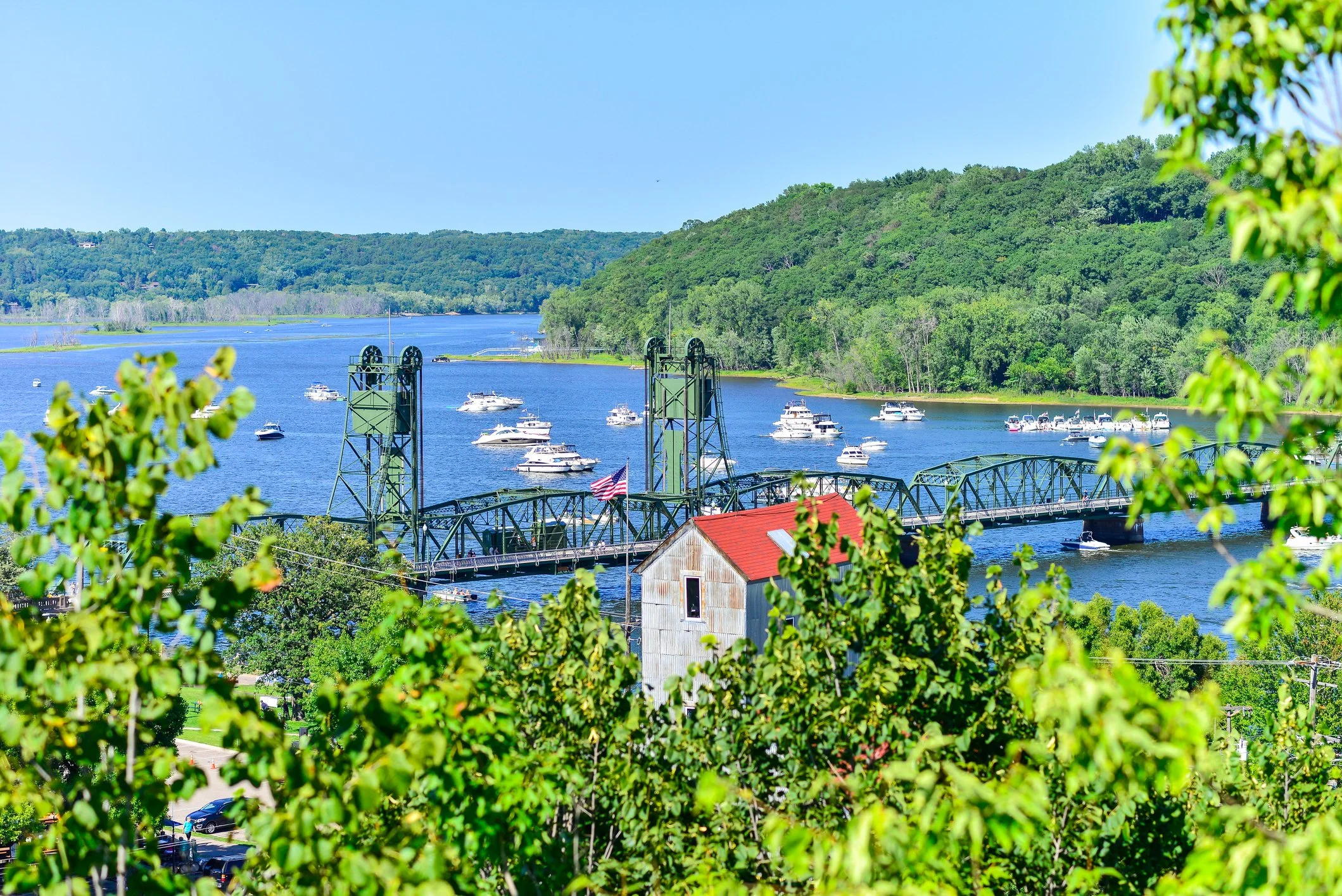
Days stretch out here. Mornings belong to the water — a shore swim out to the Cane Bay wall, an early boat to Buck Island before the sun climbs — and afternoons drift between cane-field drives, distillery stops, and the pastel forts in town. The light stays warm and easy; by evening the Christiansted boardwalk fills with conversation and live music, while the west end at Frederiksted turns gold over the pier.
What sets St. Croix apart isn't one beach or one resort — it's that the island never rearranges itself around you. Where many Caribbean islands wrap you in a polished, self-contained resort experience, St. Croix asks you to rent a car, learn a couple of towns, and meet the place on its own terms. That's the trade: fewer walk-out-the-door conveniences, in exchange for a trip that feels like somewhere specific rather than anywhere warm.
Best for travelers who measure a trip by how real it feels — who'll happily swap resort convenience for heritage towns, quiet reefs, and dinners worth the drive. St. Croix is often recommended for culture-minded and active travelers seeking an authentic, easy-to-reach Caribbean trip without the crowds of its busier sister islands.
This is
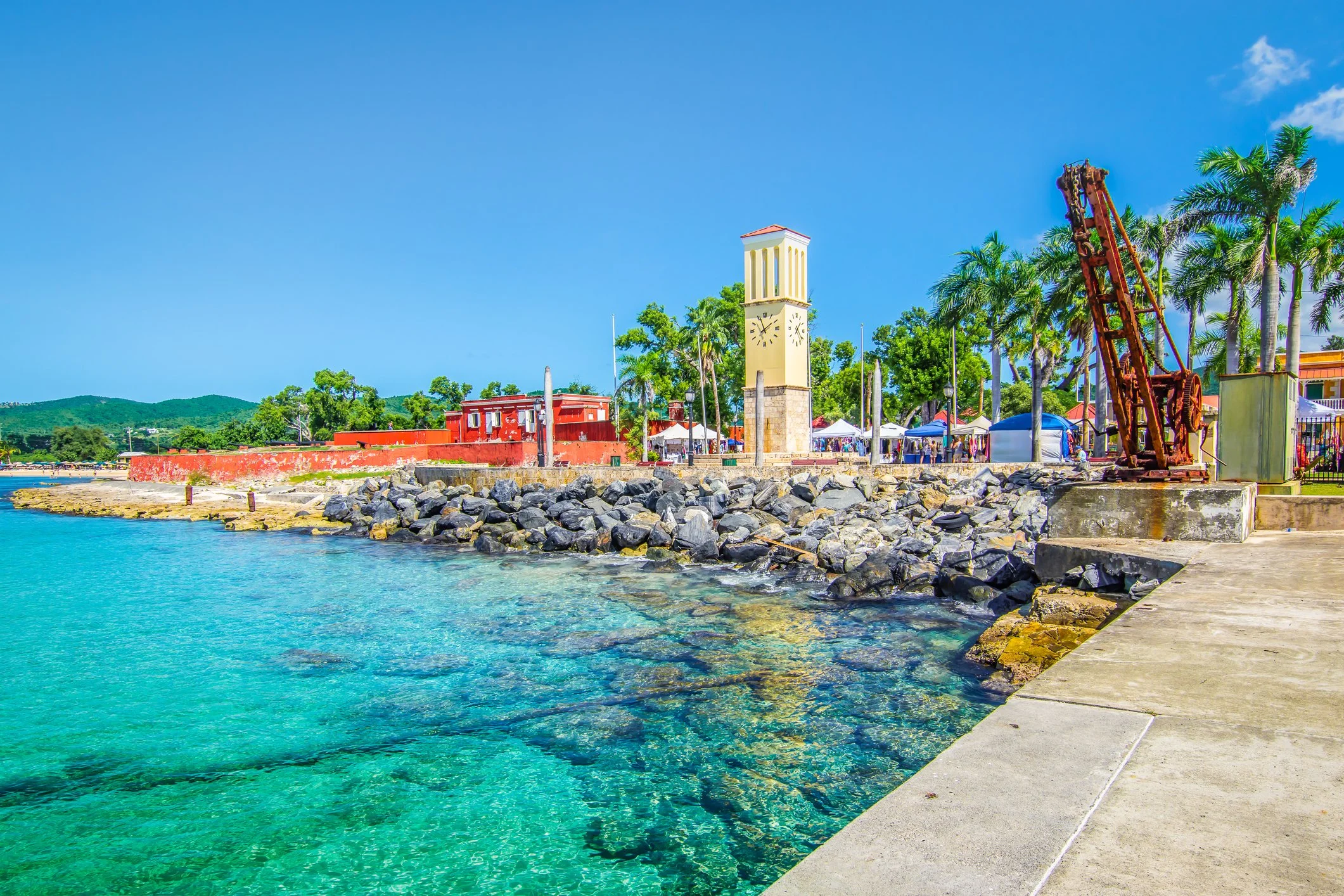
This is an island of pastel-painted colonial storefronts and green hills running down to turquoise water, where cane fields and old sugar-mill ruins open onto a coastline you mostly have to yourself.
Part of the Greater Caribbean Collection on TheTripThread — a destination reference system built for travelers deciding where they'll feel right, not just where to go. St. Croix is for travelers who value authenticity, space, and an island they can explore at their own pace.
Common Experience Patterns

St. Croix moves at an unhurried, spread-out pace. As the largest U.S. Virgin Island, life is dispersed across two historic towns and the long coast between them — which is why returning visitors repeat the same truth: a rental car isn't optional. Without one, the island shrinks to a single base.
The energy concentrates in Christiansted, whose boardwalk holds most of the dining and nightlife, and in quieter Frederiksted, which wakes on cruise days and at sunset. A beach day usually means driving to it — Cane Bay for shore diving, calm Rainbow or Dorsch on the west side.
What St. Croix is not is a compact, walk-everywhere resort island. Travelers expecting the cruise-port bustle of St. Thomas, or the national-park beaches of St. John, recalibrate fast: it's a larger working island that rewards exploring over lounging. Distances add up, transit is thin, and sargassum varies by coast — though most friction eases once a car is in the picture.
What we love:
What people love is that St. Croix feels like a real place — friendly, unpolished, and genuinely its own. The history is everywhere, the water is quiet, and the days don't ask much beyond showing up.
Travelers praise the same things: an authentic, welcoming feel, a food scene bigger than the island suggests, and uncrowded beaches and reefs. The surprises are logistical — how spread out and car-dependent it is, and how much sargassum and cruise-day timing vary. Locals and repeat visitors alike describe St. Croix as a rewarding, slow-burn island, especially for travelers who like to explore, eat well, and get in the water, while those who want walkable nightlife and everything in one place tend to be happier elsewhere.
Where we eat:
St. Croix eats better than its size suggests — Crucian home cooking, farm-to-table dinners, and the Christiansted boardwalk's waterfront tables, with more along the Frederiksted waterfront and near Cane Bay. Reservations are worth making at the better-known kitchens, and it's smart to confirm hours in the slower season, when some places scale back.
Where we go:
Most people base in or near Christiansted and let the rental car make the day's plan — a morning at Buck Island or the Cane Bay wall, an afternoon through cane fields, distilleries, and Point Udall. The west end is its own outing: Frederiksted's pier, Rainbow and Dorsch beaches, and Sandy Point when it's open.
About this section:
This section is built from publicly shared traveler perspectives and credible regional reporting. We treat it as sentiment and cross-check factual claims where possible. We intentionally limit dependence on review marketplaces where paid, promotional, or otherwise unrepresentative input can blur the picture.
Identity
Vibe Descriptors
Laid-back · Authentic · Friendly · Spacious · Scenic
……….
Core Audience
Independent, curious travelers — divers, food lovers, and history-minded couples — who'd rather explore a real island by car than settle into a resort
……….
Best For (Trip Types)
Romantic & Couples · Adventure & Exploration · Food & Drink · Diving & Snorkeling
……….
Known For
Danish colonial heritage, top-tier shore diving, and an authentic, uncrowded island feel that few of its USVI neighbors still offer
……….
Trip Thread Theme(s)
Friction & Tradeoffs (Read This Before You Book)
Cost Pressure: St. Croix sits in the comfortable middle — pricier than a budget Caribbean trip, but far cheaper than the luxury islands. What gets you isn't one big splurge but the steady accumulation: a rental car most days, paid Buck Island or dive trips, and boardwalk dinners that run well above a roadside lunch.
Mobility / Getting Around: You'll want a rental car here rather than leaning on taxis or public transit, which are limited and charge per person. The two towns, Christiansted and Frederiksted, are walkable once you've parked, but everything between them is a drive — on the left, in U.S.-style cars.
Autonomy vs Structure: This is a roam-anywhere island, not a resort-anchored one. With a car you can chase a beach, a distillery, or a dinner on a whim; the only real structure you need is logistical — booking Buck Island trips ahead and timing the cross-island drives.
Crowd Texture: Outside cruise calls and big events, St. Croix stays relatively uncrowded — medium tourism, no resort-strip density. The exception is Frederiksted, which shifts noticeably on cruise days, when day-visitors fill the waterfront for a few hours before the town empties again.
Culture Access: Local culture is unusually easy to reach — English is universal, the food is genuinely Crucian rather than imported resort fare, and Danish-colonial history sits right in the towns. The gap shows up less between visitor and local than between the lively towns and the quiet, spread-out stretches in between.
Variety Ceiling: For its size, St. Croix holds plenty — diving, hiking, distilleries, two distinct towns, and a real food scene — so most travelers don't run out of new days. Where it repeats is after dark: nightlife is low-key and centers on Christiansted, so anyone wanting a different scene each night will hit the ceiling quickly.
Sand & Sea Character
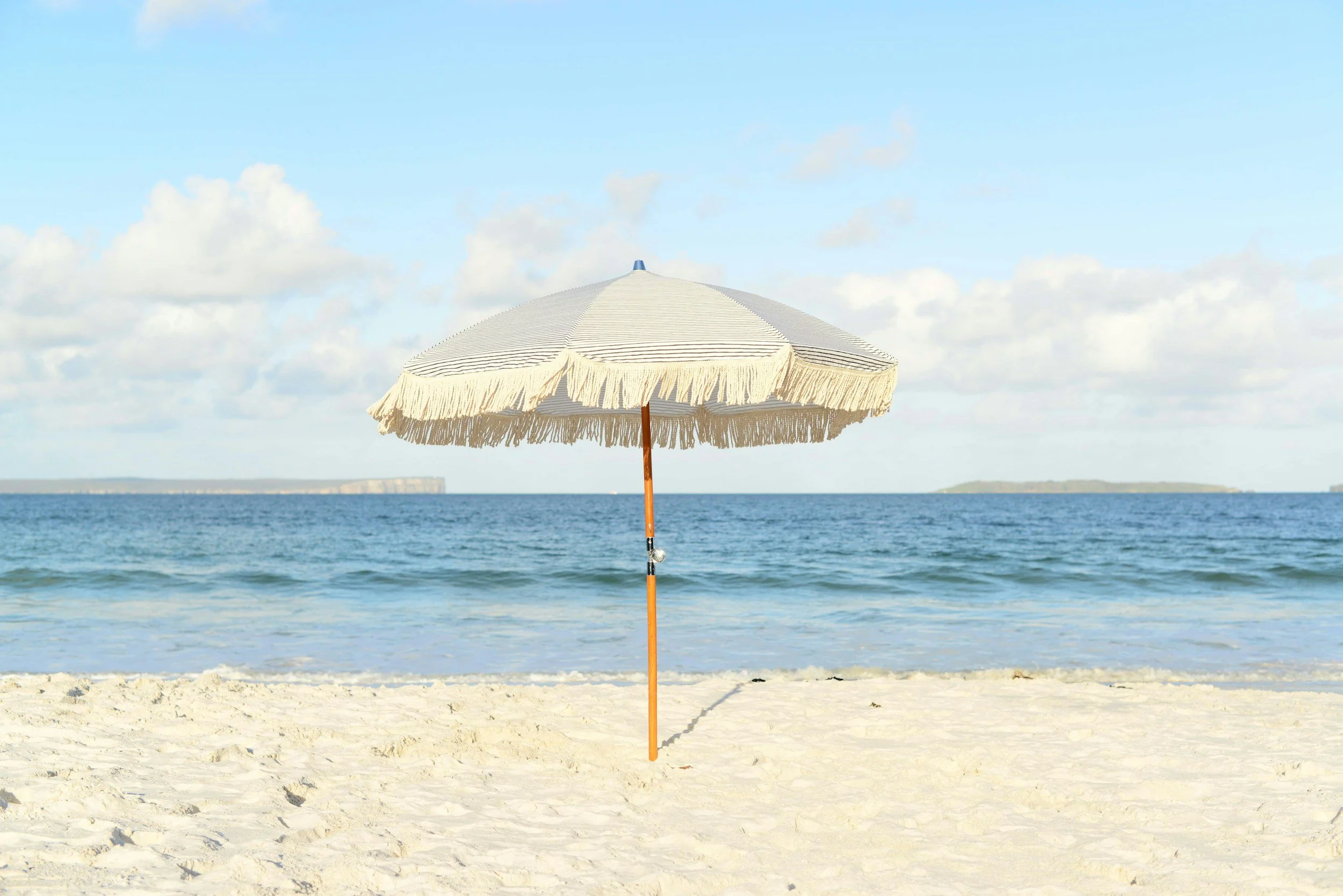
St. Croix's sand runs from soft white to warm gold, and it changes by coast. The west end near Frederiksted — Rainbow Beach and Dorsch — has the wide, soft, walk-in-easy sand most people picture, calm and shallow. The north shore is different: Cane Bay is narrower and more mixed, fronting a reef rather than a sunbathing strip, while the remote east-end coves like Jack and Isaac bays stay quiet and wild, with patches of darker rock and seagrass that can make the water look deeper-toned even when it's perfectly clear. Base near Frederiksted for classic soft-sand beach days; base around Cane Bay or the north shore if your mornings revolve around snorkeling and shore diving.
The water is generally clear — visibility is good around much of the island — but how bright it looks depends on what's beneath it. Over the white, shallow sand off Frederiksted and the west end, it reads bright turquoise; along the north shore and the rockier east coves, a darker seabed and a quicker drop to depth turn it deep teal and blue, even when it's just as clear. Most west-side beaches are calm and easy to wade and float in, while the north shore and Atlantic-facing east end can roll and turn choppy in wind. So pick the west end — Rainbow, Dorsch — for bright, swim-easy turquoise; head to Cane Bay and the north shore for reef and the wall, where the water looks deeper but the diving and snorkeling are the point; and save the breezy east-end coves for dramatic scenery and photos over easy swimming.
One practical caveat: sargassum drifts onto St. Croix's beaches by coast and season, and 2026 is shaping up to be a heavy year region-wide. The west and leeward beaches and boat-access Buck Island often fare better, but conditions shift day to day — so it's worth checking before you commit to a beach day. The CariCOOS Sargassum Tracker covers Puerto Rico and the U.S. Virgin Islands with satellite imagery and short-term outlooks at https://www.caricoos.org/sargassum, and the University of South Florida Sargassum Watch System tracks the wider Greater Caribbean at https://optics.marine.usf.edu/projects/saws.html.
Explore X— Map & Highlights
St. Croix is the largest of the U.S. Virgin Islands, sitting on its own south of St. Thomas and St. John, and exploring it feels less like working a resort strip than road-tripping a small country. Days here are built around the car: a morning dive or boat trip, an afternoon looping between two historic towns, cane fields, and a distillery or two. Unlike islands where everything clusters within a short walk, St. Croix spreads its best parts across long distances, so where you base yourself shapes the whole trip. The map below is a decision tool, not a checklist to conquer — it's meant to help you understand the island's geography and choose where to stay, not to capture every beach, restaurant, or landmark.
Beaches
St. Croix's beaches split by coast. The west end around Frederiksted — Rainbow and Dorsch — has the calm, soft, swim-easy sand most people picture, while the north shore at Cane Bay trades sunbathing strips for reef and a famous shore-dive wall. The east end runs wilder and more remote, with hike-in coves like Jack and Isaac bays. For a classic beach-vacation base, look west; for snorkel-and-dive mornings, look to the north shore.
Food & Drink
Dining concentrates in two places: the Christiansted boardwalk and downtown, where most of the island's restaurants, bars, and live music sit within a walkable few blocks, and the Frederiksted waterfront on the west end, quieter but good for sunset dinners. A smaller cluster sits up at Cane Bay for divers. If eating well without driving every night matters to you, Christiansted is the easiest base.
Activities
Activity on St. Croix is spread across the island, so planning means driving. Diving and snorkeling anchor the north shore and Buck Island offshore; history and rum sit in and around the towns; hiking and the wild tide pools are out west and north. Because the highlights are scattered, stacking several into one day takes a car and some route-planning. Highly active travelers do best basing centrally, near Christiansted, to cut drive times.
Where to Stay in St. Croix
St. Croix is big and spread out, and where you base yourself shapes the whole trip — how much you drive, what evenings look like, and which version of the island you wake up to. Choices range from a walkable historic town to quiet west-end calm, a dive-focused north shore, and a breezy, private east end. Below, The Trip Thread has listed the best areas to stay in St. Croix — each offering a different balance of privacy, scenery, and local character. Each area is located on the above map for easy exploration.
Christiansted — Walkable Town & Nightlife
Christiansted is St. Croix's social and historic heart, a compact grid of Danish colonial streets and a harbor boardwalk where most of the island's restaurants, bars, and live music sit within a few walkable blocks. It's the easiest base if you'd rather not get in the car every evening, and it puts dive shops, tours, and the ferry within reach. The trade-off is that it isn't beachfront — you'll drive to the best swimming and snorkeling — and the in-town energy that makes it lively can also mean a little more noise than the quieter coasts.
Why stay: The most walkable, social base, with dining and tours at your doorstep.
Why not: You'll drive to the good beaches, and it's livelier than the quiet coasts.
Frederiksted / West End — Sunsets & Calm Water
The west end around Frederiksted is the island's slow side: a quiet waterfront town, west-facing sunsets, and the calmest, softest swimming beaches on St. Croix at Rainbow and Dorsch. It suits travelers who want stillness, easy beach days, and room to spread out, and it's the most convenient side for divers headed to the Frederiksted Pier. The trade-off is quieter evenings — dining and nightlife thin out here, and it's a 30-to-40-minute drive to Christiansted's restaurants — plus the noticeable shift in tempo on cruise-ship days, when the waterfront briefly fills.
Why stay: Calm swimming, sunsets, and a genuinely peaceful pace.
Why not: Limited dining and nightlife, and a long drive to the livelier side.
Cane Bay / North Shore — Dive Base & Scenic Quiet
Cane Bay and the north shore are built around the water. This is the base for divers and snorkelers — the Cane Bay Wall drops off steps from the beach — set along a scenic, low-development coast of small inns and casual beach bars. It feels laid-back and outdoorsy, ideal if your days revolve around the reef and you don't mind a quiet night. The trade-off is isolation: dining is limited and closes early, the swimming is reef-and-rock rather than wide soft sand, and you'll drive to Christiansted or Frederiksted for variety.
Why stay: The reef at your doorstep, scenic and relaxed.
Why not: Quiet after dark, limited dining, and a drive for anything else.
East End — Quiet Coves & Resort Privacy
The east end is the island's breezy, residential corner, drier and more open, with quiet coves like Shoys and Chenay Bay and most of St. Croix's resort-style stays. It suits travelers who want privacy, space, and a calm home base within a reasonable drive of Christiansted, plus easy access to Point Udall and Buck Island trips. The trade-off is that it's spread out and car-dependent — there's no walkable town center, so you'll drive for dining, nightlife, and most of the island's culture and history.
Why stay: Privacy, space, and resort comforts within reach of town.
Why not: No walkable center; you'll drive for dining and culture.
Practical Snapshot
-
December through April is the classic window — dry, breezy, and lined up with the island's biggest cultural moments, including the Crucian Christmas Festival straddling the new year, Mardi Croix in February, and the Agrifest fair. Late spring and summer are quieter and cheaper but warmer and more humid, with storm season running June through November.
-
St. Croix uses the U.S. dollar — no currency math, no exchange fees. Cards are accepted almost everywhere worth eating or staying, though it's smart to carry small bills for taxis, beach bars, and the occasional cash-only food spot.
-
English is the language across the island, often spoken in a warm Crucian cadence with West Indian inflections you'll catch in conversation and in music. No phrasebook needed; a friendly greeting before you launch into a question is the local norm.
-
Henry E. Rohlsen Airport (STX) handles direct flights from Miami and Atlanta, plus connections through San Juan; flying time from the U.S. East Coast is roughly four hours. From St. Thomas, the QE IV ferry crosses to Gallows Bay in about two hours on most days.
-
St. Croix lands in the comfortable middle — pricier than a budget Caribbean trip, gentler than the luxury islands. Local lunches = 💲, inland guesthouses and casual hotels = 💲💲, beachfront resorts and villas = 💲💲💲. The rental car and any boat-based excursions are the line items that move the most.
-
Nightlife is low-key by Caribbean standards and concentrated in Christiansted — boardwalk bars, live music, the occasional weekend band, and Art Thursday once a month. Frederiksted is quieter and sunset-driven, livelier on cruise days. Anyone expecting a clubby scene every night will feel the ceiling pretty quickly.
-
Plan on renting a car — taxis charge per person and public transit is limited, so without your own wheels the island shrinks fast. Christiansted and Frederiksted are walkable once you've parked, but everything between them is a drive. Note that St. Croix drives on the left, in U.S.-style cars.
-
For solo travelers, St. Croix is generally manageable with normal street smarts: petty incidents happen and violent crime exists but is largely localized and rarely tourism-targeted, so stick to lit, social areas after dark in town and use a rental car rather than walking isolated stretches at night.
For LGBTQ+ travelers, same-sex marriage has been legal since 2015 (St. Croix is a U.S. territory), and the island has a visible LGBTQ+ community — St. Croix Pride included — with a reputation for being more welcoming than much of the Caribbean. Tourism-facing spaces feel comfortable; ordinary discretion is worth keeping in rural or conservative settings.
-
Tap water is generally safe on St. Croix, though many homes and small lodgings rely on cisterns; if in doubt, ask. Outlets and voltage are standard U.S., so no adapters needed. Sundays slow down — some restaurants and shops close or run shortened hours — and Buck Island fills up by mid-morning, so book the early boat.
-
St. Croix's coastline is anchored by serious protected places — Buck Island Reef National Monument, Sandy Point's sea-turtle refuge, and the Salt River Bay ecological preserve — and the diving and snorkeling here depend on healthy reef. Bring reef-safe mineral sunscreen, don't touch coral, and skip aerosol bug sprays near the water.
Compare Similar Caribbean Destinations
Thinking about St. Croix, St. John, or St. Thomas? Here’s how these greater Caribbean destinations differ in rhythm and culture.
ST CROIX
Vibe & Energy: Spread-out and unhurried, with a working-island feel — the largest of the USVI, lived-in rather than packaged for visitors.
Dining & Culture: Crucian food at the center, with farm-to-table dinners, rum culture, and Danish colonial heritage across two historic towns.
Cost & Crowds: Mid-range, with medium tourism saturation and far less cruise pressure than St. Thomas.
Accessibility: Direct flights from Miami and Atlanta, plus the QE IV ferry from St. Thomas; a car is essential once you arrive.
Nightlife / Social Scene: Low-key and concentrated in Christiansted, with live music and Art Thursdays rather than late-night clubs.
Best For: Independent travelers who'd rather explore a real, varied island by car than settle into a compact resort.
ST JOHN
Vibe & Energy: Smaller and slower than St. Croix, with two-thirds of the island in protected national park and a beach-first rhythm.
Dining & Culture: Cruz Bay is the cultural and dining hub; the food scene is solid but tilts toward casual island fare rather than chef-driven Crucian cooking.
Cost & Crowds: Pricier than St. Croix overall, with high-season Trunk Bay crowds; very low cruise impact.
Accessibility: No commercial airport — arrive via St. Thomas and a short ferry from Red Hook or Charlotte Amalie.
Nightlife / Social Scene: Quietest of the three, with a handful of low-key bars and early evenings.
Best For: Travelers who want beaches and protected nature first, and who don't mind a smaller, more focused island.
ST THOMAS
Vibe & Energy: Busier and more urban — Charlotte Amalie is a working cruise harbor that gives the island an energy St. Croix and St. John don't share.
Dining & Culture: Strong dining and a historic core, though day-to-day life leans more toward duty-free shopping and resort beaches than the lived-in local culture you'd find on St. Croix.
Cost & Crowds:Cruise days dominate the calendar; tourism saturation is the highest of the USVI.
Accessibility: The easiest of the three to reach — wide direct service from the U.S. mainland — and the ferry hub for St. John and the BVI.
Nightlife / Social Scene: The most active of the three, with more bars, beach clubs, and after-dark options.
Best For: First-time Caribbean travelers who want easy logistics, shopping, and lively evenings within a short stroll.
Pick St. Croix if: you want a larger, more authentic island and don't mind driving.
Pick St. John if: beaches and protected nature top your list and you're happy on a smaller, quieter island.
Pick St. Thomas if: you want the easiest logistics, the most nightlife, and a busier, more developed scene.
Tie-breaker: how much you want to drive — St. Croix rewards exploring, St. John rewards staying put, St. Thomas barely asks.
Local Truths
Locals will tell visitors to take the earliest boat to Buck Island — by mid-morning the reef and Turtle Beach can stack up with boat traffic, and what should feel like an almost private cove starts feeling busy. The same rule cuts down on heat and afternoon wind chop on the ride back.
~~~~~
A weekday afternoon in Frederiksted can feel almost sleepy, but on cruise days the waterfront shifts to day-visitor energy for a few hours, then empties out by mid-afternoon. Locals talk about cruise days the way other islands talk about a brief shift in weather — temporary, predictable, and easy to plan around once you know the schedule.
~~~~~
Locals don't say "St. Croix has sargassum"; they say which beach, which week, and which wind direction matters. Buck Island and the leeward west-coast beaches like Rainbow and Dorsch often fare better than the east-facing coast, and live conditions can change overnight.
~~~~~
A rental car isn't a luxury here, it's the trip. Locals don't soften it: without a car the island shrinks to whatever's within walking distance of one base, while with a car it opens into beaches, drives, distilleries, and dinners that almost never sit close together. "Do you have a car?" is often the first practical question a resident asks a visitor.
~~~~~
The Crucian greeting habit is real: walking into a shop, restaurant, or gas station and launching straight into a question reads as rude. The norm is to say good morning or good afternoon first — locals notice when visitors skip it, and the trip goes more smoothly when you don't.
~~~~~
Sandy Point National Wildlife Refuge isn't open whenever you want — it's a leatherback turtle nesting site, with seasonal closures (roughly April through August) and limited public-access hours even when open. Travelers expecting an anytime beach get turned around; plan around the schedule or pick another west-end beach.
~~~~~
The Annaly Bay tide pools are a real St. Croix highlight, but reaching them takes a one-to-two-hour hike (or 4x4 access through Estate Carambola) over uneven trail, and the surf around the rocks can be dangerous. Locals warn against treating it as a casual swimming stop.

St. Croix Travel Questions, Answered
Here are the questions travelers ask most often about St. Croix — short, direct answers to help settle the last details before you book.
1. Is Buck Island worth it, and should we do a half-day or full-day trip?
Yes — for most travelers Buck Island is the single best half-day on St. Croix: a protected reef, the underwater snorkel trail, and a calm, white-sand beach reached only by tour boat. Half-day trips suit travelers who'd rather get back to the rest of the island; full-day trips give you more time at Turtle Beach with lunch on board. Either way, book the earliest boat — by mid-morning the cove starts to fill.
2. What are the best beaches on St. Croix?
St. Croix's beaches split by coast, so the best one depends on what you want. For calm, soft-sand swimming, head to the west end — Rainbow and Dorsch near Frederiksted. For snorkeling and shore diving, Cane Bay on the north shore is the standout, fronting the Cane Bay Wall. For quiet, off-the-beaten-path coves, try Jack and Isaac Bays on the east end. Buck Island, reached only by boat, is the best snorkel day trip.
3. How active is the nightlife on St. Croix?
Low-key, mostly. St. Croix doesn't have a club scene — what it has is bar-and-restaurant nightlife concentrated on the Christiansted boardwalk, with live music on weekends and a monthly Art Thursday that pulls a real crowd. Frederiksted is quieter, with a sunset-and-dinner rhythm that picks up on cruise days. Most nights are about lingering over drinks, not chasing a scene. If late-night clubs are essential to your trip, St. Croix will feel slow.
4. Is St. Croix expensive?
St. Croix is a comfortable middle — pricier than a budget Caribbean trip, but noticeably gentler than the luxury islands. Most travelers end up at a mid-range total once they account for a rental car, a few sit-down dinners, and a Buck Island or dive trip. You can dial it down with local lunches and inland stays, or up with beachfront resorts. It rarely surprises people, in either direction.
5. When's the best time to visit?
December through April is the classic window on St. Croix — drier, breezier, and aligned with the island's biggest cultural events. Late spring and summer trade some humidity and rain risk for quieter beaches and lower prices, and storm season is something to watch June through November rather than fear. There's no truly "bad" time if you can be flexible about weather and willing to track conditions.
6. Which area or coast should I stay on?
It depends on the trip you want. Choose Christiansted for walkable town, dining, and nightlife; Frederiksted or the west end for calm swimming beaches and sunsets; Cane Bay or the north shore for diving and a scenic, low-key base; and the east end for quiet coves and resort privacy. Christiansted is the easiest first-time base; the others reward travelers who already know the shape of trip they want.
7. Do I need a car?
Yes. St. Croix is the largest of the USVI, with its best beaches, restaurants, and experiences spread across long distances, and public transit is limited. Taxis charge per person and add up quickly. Walking works inside Christiansted or Frederiksted once you're parked, but everything between them is a drive. Most travelers rent for the full stay; without a car, the island shrinks to whatever sits within walking distance of a single base.
8. Is it safe for solo or LGBTQ+ travelers?
For solo travelers, St. Croix is reasonably safe with the usual precautions: most visits are uneventful, but petty theft and the occasional incident do occur, so use a rental car at night and avoid isolated areas after dark. For LGBTQ+ travelers, same-sex marriage is legal across St. Croix (a U.S. territory, since 2015), the island has an active LGBTQ+ community and an annual Pride, and tourism spaces feel comfortable. As elsewhere, a little discretion in rural or conservative settings is fine.
9. How does it compare to nearby islands?
Compared with its USVI siblings, St. Croix is the largest, the most spread out, and the one that feels most like a working island. St. John is smaller, slower, and built around beaches and a national park; St. Thomas is busier, more shaped by its cruise port, and easier on logistics. Travelers who want an island they can road-trip — with heritage, food, and reef diving — usually pick St. Croix; travelers who want a compact beach focus head to St. John, and travelers who want lively logistics and easy arrival pick St. Thomas.
Why This Guide Changes With the Island
St. Croix never stays still — restaurants and dive operators come and go along the Christiansted boardwalk and the north shore, and the sargassum picture turns over from week to week. This guide evolves with it. Locals share updates, travelers add discoveries, and we keep refining what you see here so every detail reflects the island as it is now — not a memory of what it used to be.
St. Croix has two USVI siblings worth a closer look. If you want something smaller and more beach-focused, St. John is the natural next read; if you'd rather busier and easier to reach, look at St. Thomas.
People travel for different reasons, and St. Croix won't be every traveler's match — that's fine. The Trip Thread exists to help you rediscover the joy of travel, and the curiosity that comes with choosing where to go next. There's a wider Greater Caribbean Collection waiting; see which island matches you best.