By Kelly McAtee | TheTripThread | Last Updated March 2026
St. Martin (French side)
Where every meal feels like the whole point.
Culinary Caribbean | Romance & Connection | Tranquil Luxury | Culture & Rhythm
Best for: travelers who plan a trip around eating exceptionally well and moving at a European pace, drawn to boutique character and culinary depth over resort convenience or Dutch-side energy.
Not for: travelers who want casinos, clubs, late-night options, or all-inclusive packaging — the French side runs at its own quietly chic rhythm.
☀️ Best months: Dec–Apr 💲 Average cost: $$–$$$ 🕶️ Vibe: Euro-chic & unhurried
Reality Check (Read This Before You Book)
St. Martin's French side is a gourmet, boutique island — days organize around meals, coves, and unhurried cafes rather than resort amenities or nightlife programming.
The biggest misconception: travelers expect a seamlessly French experience from the moment they land. It isn't. Arrival is through the Dutch-side airport at SXM, cross-border driving is part of every itinerary, and Sunday closures can disrupt even careful plans. The French side delivers beautifully once you're settled into it — but the logistics require more adjustment than the photos suggest.
A few things worth knowing before you commit:
• If after-dark energy matters, the French side scores moderate on nightlife — there are restaurant bars and occasional live music, but no club scene, no casinos, and evenings tend to wind down earlier than many expect.
• If all-inclusive convenience is important, there are no all-inclusive resorts on the French side. Accommodation runs boutique, villa, and small hotel; most travelers build costs independently.
• If English-only comfort is a priority, expect French to be the default in most shops, bakeries, and markets — though English is widely spoken in restaurants and tourist areas.
• If a Sunday of easy restaurant-hopping is the plan, be aware that most shops and many dining spots run reduced hours or close entirely on Sundays.
Travelers who love the French side most arrive knowing they've chosen a specific thing: an island that does food and atmosphere exceptionally well, and is deliberately quiet about everything else.
Why You’ll Love It
The French side of St. Martin earns its place in the Caribbean for one reason above all others: the food. Not resort-adjacent seafood plates or tourist-menu cuisine, but genuine, considered cooking — Creole flavors alongside French technique, street-level lolos serving grilled fish to locals and visitors on equal footing, and a concentration of restaurants in Grand Case that traveler after traveler calls one of the Caribbean's most surprising dining destinations. EU import standards mean quality European wines, cheeses, and ingredients are available at prices better than most of the region. If a trip organized around eating well sounds right, this island tends to feel exactly like it should.
Days on the French side move at a pace closer to a long Southern European lunch than a Caribbean beach vacation. Mornings belong to the bakeries — the kind of French-Caribbean pastry tradition where coconut cake shares a case with croissants, and a slow coffee before anyone else is around sets the tone for the day. By evening the Grand Case boulevard comes alive: tables glow beneath open verandas, music drifts over the water, and the tradition of walking the full length of the street before choosing a restaurant is standard and encouraged. The lolos at the northern end of the boulevard — open-grill cooking spots where you approach the fire, point at what looks good, and find a seat — sit a few doors down from white-tablecloth restaurants serving multi-course French-Caribbean meals. Both are worth your time; neither requires choosing only one.
Unlike the Dutch side a short drive across the border, the French side makes no particular effort to please everyone. There is no casino strip, no cruise terminal energy, no resort corridor with organized activities and nightly entertainment. The island's beaches are technically public, though reaching some involves navigating through resort property — a small friction that reflects the French side's general disposition: welcoming, but quietly on its own terms. Harmony Nights, a seasonal weekly street gathering that closes the Grand Case boulevard to traffic, is the island's most social recurring event — a community affair that draws locals and visitors in a way that feels genuinely shared rather than staged.
Best for travelers who want the Caribbean's most serious food destination paired with a boutique, European-flavored coastal pace — and who are comfortable trading resort infrastructure and nightlife for something considerably quieter and more considered. The French side of St. Martin is often recommended for food-driven travelers and romantic couples seeking genuine culinary depth alongside calm Caribbean coves.
This is St. Martin
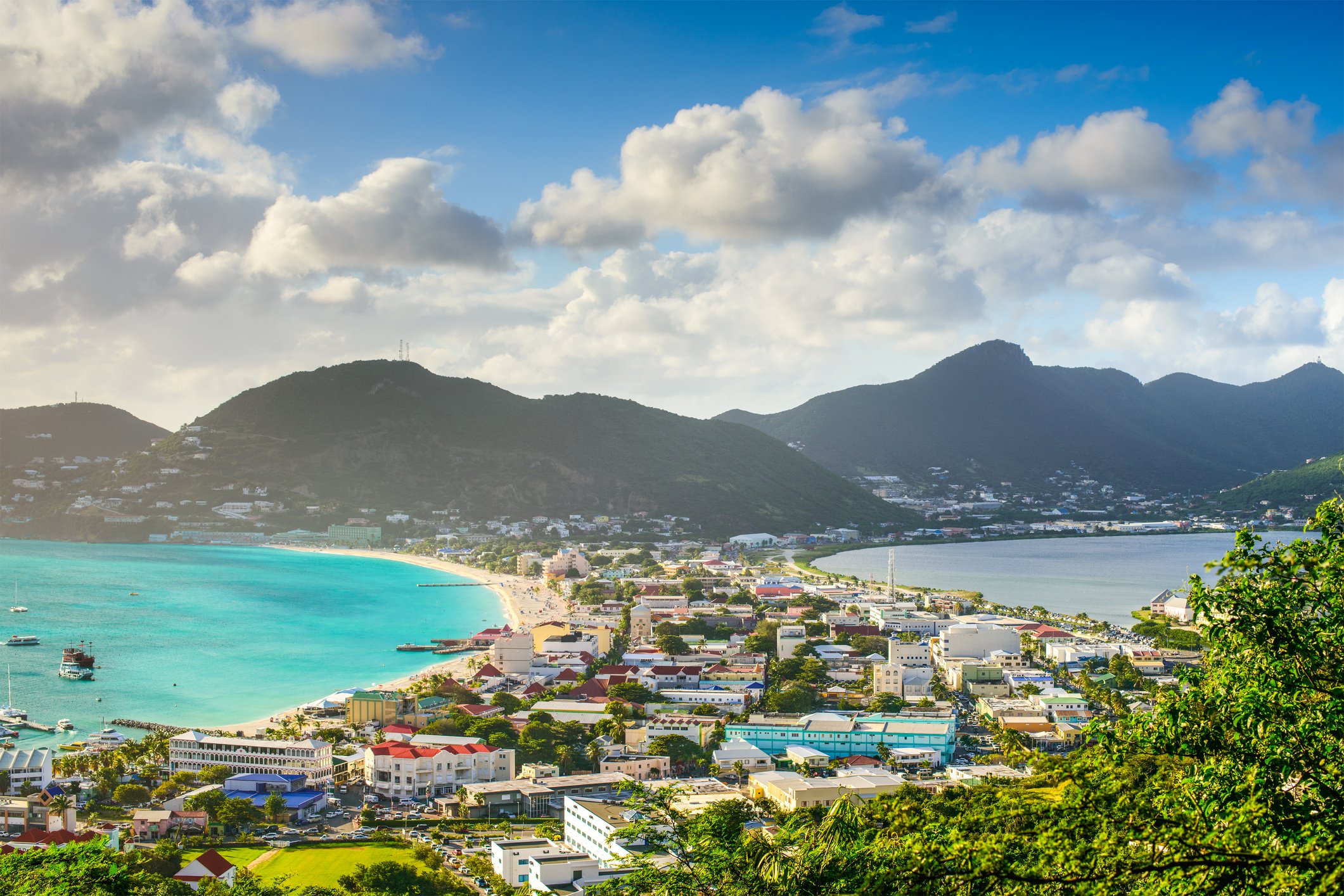
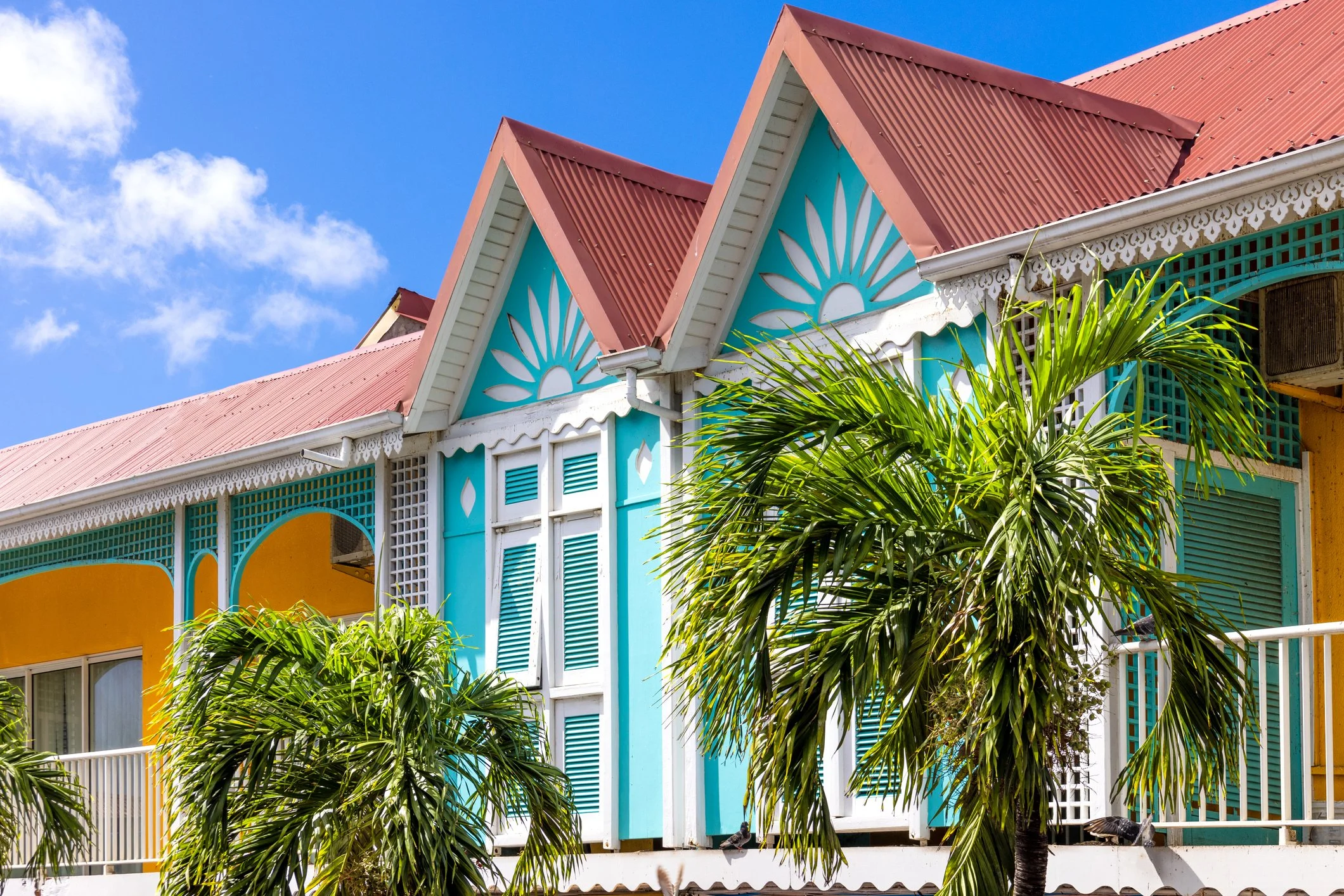
A pastel-town island where open-air bakeries share walls with art galleries and the day's best decision is usually where to eat dinner — the French side of St. Martin is the Caribbean filtered through a French sensibility that somehow still feels genuinely Caribbean.
Part of the Greater Caribbean Collection on TheTripThread — a destination reference system built for travelers deciding where they'll feel right, not just where to go. The French side of St. Martin is for travelers who value culinary depth, boutique character, and a pace that never confuses quiet with boring.
Common Experience Patterns

The French side's daily rhythm begins at the bakeries and organizes itself around meals in a way few Caribbean islands can match. The practical reality worth knowing before you arrive: SXM airport is on the Dutch side, and the drive to Grand Case — short in distance — takes twenty to thirty minutes in typical traffic, longer when congestion builds near Marigot and the causeway. For a first-time visitor, the border crossing is disorienting in a pleasant way: road signs switch to French, the architecture changes, and the denser commercial energy of the Dutch side gives way to something noticeably quieter within a few miles. A rental car is essential for most of what the island offers beyond a single neighborhood.
Grand Case is the French side's social and culinary center — a single one-way boulevard, roughly a kilometer long, running along a west-facing bay with an uncluttered horizon toward Anguilla. In the morning it is almost deserted. By late afternoon, beach bars fill with visitors claiming chairs in the sand to watch the light change over the water at sunset. By evening the boulevard comes alive: tables glow beneath open verandas, music drifts across the water, and every doorway carries a different scent — wood-grilled lobster, citrus, caramelized butter, sea salt rising off the waves. The lolos cluster at the northern end near public parking — open-grill cooking spots with covered outdoor seating, a direct ordering style, and a genuine unpretentious atmosphere that regular visitors cite as among the best meals of the trip. The sit-down restaurants on the same stretch are for reservation-holders and multi-course evenings. The tradition of walking the full boulevard before choosing is standard; nobody rushes the decision.
The French side is not an easy destination for travelers who expect everything to work in English or on a consistent schedule. French is the operational language of daily life outside the main tourist corridors, and Sunday hours remain a genuine planning obstacle — much of the island closes or runs reduced hours, and assumptions made without checking tend to result in wasted drives. The Marigot waterfront market has a split character: on days when local fishing boats are in, the fish market is genuinely worth the trip — lobster, shrimp, conch, and the morning's catch disappearing fast to those who arrive early. Outside those moments, some visitors find the market smaller and more tourist-facing than guidebooks suggest, particularly when cruise ships are in port. Traffic is the other underdiscussed friction: the island is compact, but road congestion around Marigot and the causeway can turn short drives into long ones at peak hours, and the driving culture is cooperative rather than rule-bound — speed bumps appear frequently and without much warning.
Locals Know — Harmony Nights is a seasonal, weekly street gathering that closes the Grand Case boulevard to traffic and transforms it into a community event: live music, a costumed parade, street food vendors, and the lolos expanding their seating into the street. It is a genuine community affair — not a produced tourist attraction — and repeat visitors consistently describe it as a trip highlight they did not adequately anticipate. The practical reality locals consistently flag: parking fills early on Harmony Nights. Anyone who arrives expecting to park near the boulevard at dinner time will likely be walking from a distance. Knowing this and planning around it is the difference between a smooth evening and a frustrating start to one.
Locals and repeat visitors describe the French side as one of the few Caribbean destinations they return to multiple times — specifically because it does not perform tourism aggressively. What travelers consistently praise is the combination that EU import standards make possible: quality European wines and cheeses alongside genuinely great Creole-French cooking at lolo prices, all on the same short boulevard. Harmony Nights, for visitors on the island during its seasonal run, is consistently described as a trip highlight people did not adequately anticipate. What catches people off guard tends to cluster around logistics: congestion that makes the island feel bigger than it is, and the Marigot market, which some visitors find underwhelming compared to the expectations most travel guides set — particularly outside the moments when local fishing boats are in.
Where we eat:
Grand Case anchors everything — from the open-grill lolos at the north end of the boulevard to the sit-down French-Caribbean restaurants where reservation timing and pace are the points, not just the meal. Marigot's waterfront adds a market-adjacent register that rewards the traveler who arrives when local fishing boats are in. The practical note: Sunday hours affect dining across the entire island, and the more popular Grand Case sit-down spots fill during December–April high season — reserving a day ahead is standard, not optional.
Where we go:
Most days organize around one beach and one meal, then expand from there. Orient Bay suits travelers who want a social, wind-cooled Atlantic-facing experience — beach clubs, watersports, the clothing-optional section at the north end. Anse Marcel, reached via a steep winding road, offers the island's calmest and most sheltered water and is the right choice for anyone wanting genuine quiet or protected swimming. Friar's Bay sits between the two in character, with lively beach bars without Orient Bay's density, and Happy Bay a short trail walk further for those who want to disappear entirely. Creole Rock, just offshore from Grand Case Bay, is the island's most accessible snorkel spot and consistently worth an hour.
What we love:
The French side delivers what most Caribbean islands attempt and few achieve: a place where eating well is not an upgrade from the beach experience but the equal of it. The combination of lolo culture and French-Caribbean fine dining on the same short boulevard — at price points that run from street food to white tablecloth — remains genuinely unusual in the region. Travelers who build a trip around that tend to leave with food memories that outlast the water ones, which is rare enough in the Caribbean to be worth noting.
About this section:
This section is built from publicly shared traveler perspectives and credible regional reporting. We treat it as sentiment and cross-check factual claims where possible. We intentionally limit dependence on review marketplaces where paid, promotional, or otherwise unrepresentative input can blur the picture.
Identity
Vibe Descriptors
Euro-chic · Unhurried · Boutique · Artistic · Calm
……….
Core Audience
Travelers who want the Caribbean at its most European — food-first, boutique-stay, slow-morning, cove-afternoon — who choose atmosphere and culinary depth over resort amenities or nightlife energy.
……….
Best For (Trip Types)
Romantic & Couples · Food & Drink · Culture & History · Wellness & Retreats
……….
Known For
Exceptional French-Creole dining in Grand Case, boutique hotels and villas, calm coves, and Harmony Nights — a seasonal weekly street gathering that closes the boulevard and draws locals and visitors together in genuine community fashion.
……….
Trip Thread Theme(s)
Friction & Tradeoffs (Read This Before You Book)
Cost Pressure: The French side runs at a mid-to-upper price point with no budget underpinning — boutique stays don't offer all-inclusive pricing, and Grand Case's restaurant strip reflects the quality it delivers. The upside of EU import standards is that European wines, cheeses, and ingredients cost less here than on most Caribbean islands. Travelers who mix lolo meals, Marigot market finds, and some villa self-catering find the value considerably more reasonable than those who eat exclusively at the higher-end tables.
Mobility / Getting Around: A rental car is the practical requirement for almost everything beyond a single neighborhood. Grand Case is walkable, Marigot is walkable, and Orient Bay is self-contained — but the island's best coves, hillside roads, and the drive to and from SXM airport on the Dutch side all require wheels. The drive from SXM to Grand Case takes twenty to thirty minutes in typical traffic; congestion near Marigot and the causeway can stretch it further. Driving is on the right. Speed bumps appear frequently and the driving culture is cooperative rather than rule-bound — right-of-way at intersections is not always signed.
Autonomy vs Structure: The French side rewards independent travelers who plan around meals and cove-hopping rather than those who prefer structured resort programming. Unlike an all-inclusive destination where the day is organized for you, this island asks visitors to make their own decisions. Sunday hours are the most consistent planning friction: much of the island closes or runs reduced hours, and assumptions made without checking result in wasted drives. That autonomy is the point for the right traveler; the Dutch side offers more resort infrastructure a short drive away for those who need it.
Crowd Texture: The French side is quieter and less saturated than the Dutch, with occasional cruise ship arrivals at Marigot rather than the daily flow through Philipsburg. Orient Bay is the island's most social beach and can feel genuinely busy during peak season — chairs at the beach clubs sell out, and the central sections see real density. The restaurant scene concentrates in Grand Case, which means popular tables fill during the December–April high season; reserving the day before is standard practice for the better sit-down spots.
Culture Access: Cultural immersion here scores notably high for a Caribbean destination — French markets, art galleries, the lolo tradition, Harmony Nights, and the everyday rhythm of a French-administered island give visitors genuine access to how the island actually operates. The gap is language: French is the default in most community-facing contexts, and travelers who rely entirely on English will occasionally hit walls outside the main tourist corridors. A few basic French phrases make a noticeable difference, and locals consistently appreciate the effort.
Variety Ceiling: Three to five days is the natural range. The French side's pleasures — exceptional food, calm coves, the Marigot market at its best, an evening on the Grand Case boulevard, Harmony Nights in season — repeat beautifully within that window. Beyond five days, travelers who need new stimulation daily begin to feel the island's deliberate narrowness. The Dutch side is a short drive away and offers everything the French side doesn't — casinos, clubs, all-inclusive options — making a two-side itinerary a natural pairing for visitors who want contrast within a single trip.
Sand & Sea Character
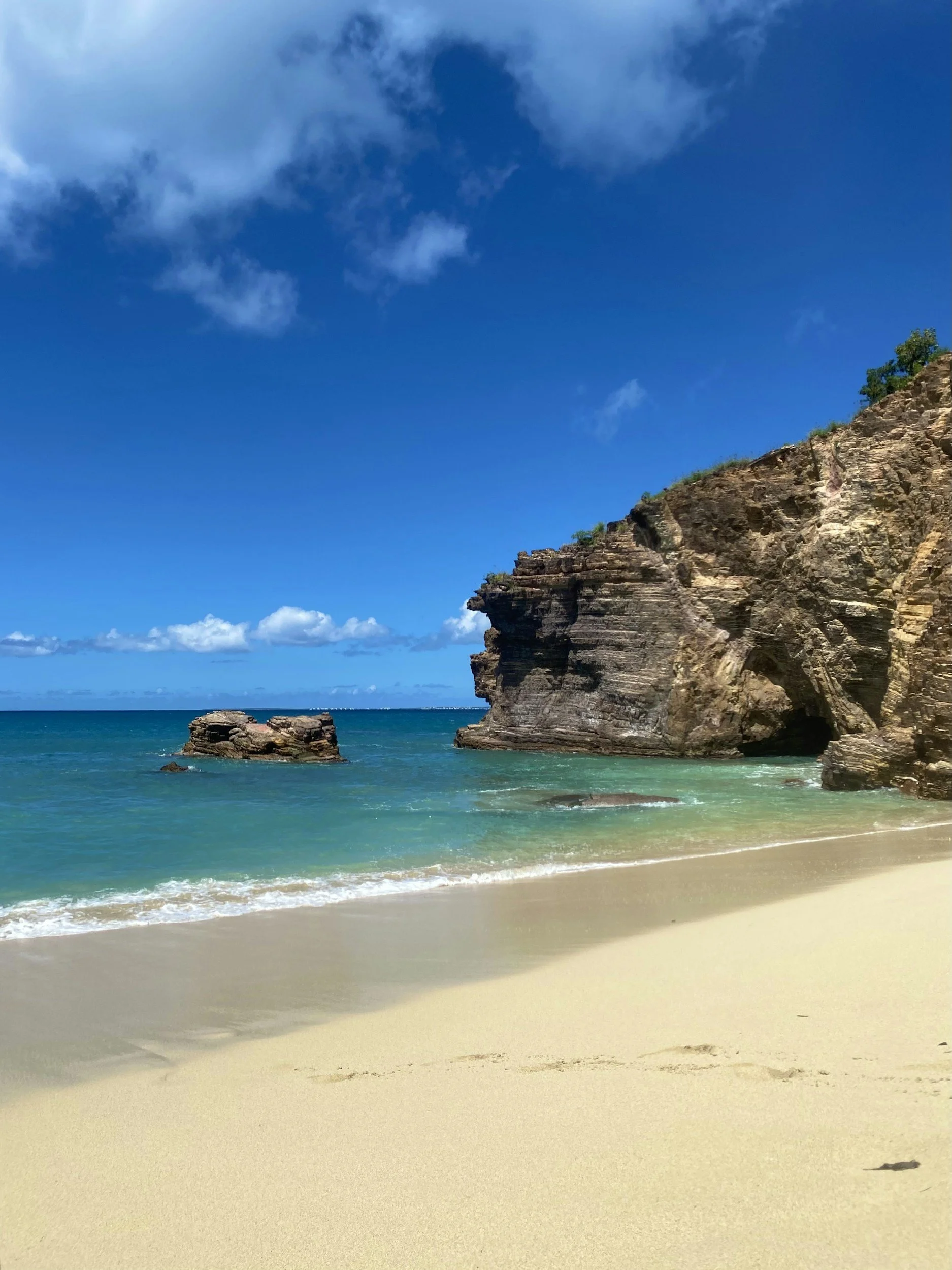
The French side's beaches range from Orient Bay's wide, exposed sandy stretch to the quieter, more sheltered coves along the northeastern coast. Orient Bay is the island's most conventionally beach-forward area — pale sand running roughly 2km, with multiple beach clubs, watersports, and chair rentals. At peak season, particularly when cruise ships are in, chairs at the central sections sell out and the beach sees genuine density. The Atlantic-facing exposure brings a consistent breeze that keeps the heat manageable but produces real chop — Orient Bay is not calm water, and the waves reflect it. The clothing-optional section operates at the northern end without defining the atmosphere of the broader beach; most visitors in the central and southern sections wear swimsuits. Friar's Bay has a softer, more sheltered character — fewer people, lively beach bars, and Happy Bay a short trail walk further for those seeking genuine seclusion. Anse Marcel, tucked into a deep bay in the north and reached via a steep winding road, is the island's most sheltered beach: a half-moon of protected sand ringed by hills with water that sits noticeably calmer than anywhere else on the French side. Base cue: Orient Bay for energy, watersports, and social beach life; Anse Marcel or Friar's Bay for calm water and quiet.
The water around the French side reads clearly turquoise in the sheltered bays and shifts toward a deeper blue on the more exposed, eastern-facing stretches. Clarity is good throughout the main coves — the kind of visibility that makes snorkeling rewarding without requiring a dive boat. Creole Rock, just offshore from Grand Case Bay, is the island's most accessible snorkel spot: an easy swim from the beach with reef fish and coral formations that reward a slow, unhurried pass. On the ocean-facing side near Orient Bay, the water moves with more energy — swimmable and enjoyable, but less flat and protected than the sheltered northern bays. Anse Marcel's near-lagoon conditions make it the right choice for families with young children and for anyone for whom calm, shallow entry matters most. Travelers who want the clearest, calmest water for easy swimming and snorkeling should base near Anse Marcel or Grand Case; those who want wave action and a livelier beach energy belong at Orient Bay.
Explore St. Martin — Map & Highlights
The French side of Saint-Martin occupies the northern half of an island shared with the Dutch territory of Sint Maarten, located in the northeastern Caribbean roughly halfway between Puerto Rico and Barbados. Getting around requires driving — Grand Case, Marigot, and Orient Bay are fifteen to twenty minutes apart in normal traffic, and the island's quieter coves require turning off main roads and navigating short but winding routes. Exploration here isn't about covering ground efficiently; it's about deciding which version of the island's food-and-water routine you want on a given day. This map is a decision tool, not a checklist — designed to help you understand where the island's dining energy lives, where the beaches shift in character, and whether any of its base areas match the trip you're actually planning. Use it alongside the Where to Stay section below, not as a list to work through.
Beaches
The French side's beaches range from the wide, breeze-cooled sweep of Orient Bay to the near-deserted coves of Friar's Bay and Happy Bay. Orient Bay is the island's most social and developed beach — pale sand, steady Atlantic wind, multiple beach clubs, and a clothing-optional section at the north end that operates without drama. Grand Case Bay is calmer and more neighborhood-adjacent, useful for an easy swim between meals rather than a full beach day. Anse Marcel, tucked into a sheltered northern bay, offers the island's calmest water — the right choice for families, young children, and anyone wanting genuine seclusion. Base cue: Orient Bay for energy and watersports; Anse Marcel for stillness and protected swimming.
Food & Drink
Grand Case is the island's dining spine — a single boulevard where the full range runs from open-grill lolos (no reservations, approach and point) to polished French-Caribbean sit-down restaurants where reservation timing and pace are the points, not just the meal. Marigot's waterfront adds a market-adjacent register that rewards travelers who arrive when local fishing boats are in. Base cue: food-focused travelers should base in or near Grand Case; those who want the market experience alongside it should consider Marigot.
Activities
Activity planning on the French side is water-first. Creole Rock, just offshore from Grand Case, is the island's most accessible snorkel site and consistently worth an hour of anyone's time. Pinel Island — a short water taxi ride from Cul de Sac — offers a half-day of calm, clear-water swimming with open-air beach bars. Pic Paradis, the island's highest point, rewards the drive and modest hike with views across both sides. Harmony Nights, the seasonal weekly boulevard gathering, is the island's best social event. Base cue: travelers who want the easiest access to snorkeling, water taxis, and the boulevard food scene should base near Grand Case.
Where to Stay on St. Martin (French Side)
The French side is compact but meaningfully varied — where you base yourself determines whether your days feel like a culinary tour with beach access, a quiet villa stay with driving adventures, or a beach-anchored week with some food exploration built in. Accommodation runs boutique hotels, villas, and small hotels rather than all-inclusive resorts, so most travelers are choosing based on pace, access, and character. Because the island is small, the best stays usually pick one primary base rather than trying to split time between areas every day. Below, The Trip Thread has listed the best areas to stay on the French side of St. Martin — each offering a different balance of privacy, scenery, and local character. Each area is located on the above map for easy exploration.
Grand Case — Culinary Village & Relaxed Social Hub
Grand Case is the French side's most beloved neighborhood for a reason: it is small enough to walk end-to-end in ten minutes and holds the island's best dining within a single main road. Staying here puts you within steps of the lolos, the sit-down restaurants, and Harmony Nights — the seasonal weekly street gathering that closes the boulevard and draws locals and visitors together. The beach in front of Grand Case is calm and neighborhood-adjacent rather than expansive; the feel is residential-meets-culinary rather than resort-polished. For the food-first traveler, there is no better base on the island — the question at the end of each day is not whether to eat well but which table to choose. The trade-off is that the Grand Case beach is smaller and less open than Orient Bay, and reaching any other part of the island requires a car.
Why stay: Closest proximity to the island's food culture and Harmony Nights — the most walkable, culinary-forward base on the French side.
Why not: The beach here is smaller and less open than Orient Bay, and access to the rest of the island requires a car.
Marigot — French Market Town & Local Character
Marigot is the French side's administrative and commercial center — a proper town with a port, a waterfront market, and a daily pace that blends local life with sidewalk-café tourism. Staying here gives visitors more contact with the island's community rhythm than Grand Case: the market brings local fishing boats in with lobster, shrimp, and conch that disappear quickly and reward those who arrive early. The waterfront has a casual, lived-in quality that the more tourist-facing neighborhoods don't always offer. Evenings are quieter and less social than Grand Case — Marigot is a morning-and-afternoon base rather than an evening-out one. It is not a beach base; the nearest good swimming requires a short drive.
Why stay: The waterfront market, a more locally-lived atmosphere, and the best access to the island's community rhythm outside the tourist corridors.
Why not: No real beach proximity; evenings are quieter and less social than Grand Case, and restaurant density is lower.
Orient Bay — Main Beach Base & Active Coastline
Orient Bay is the island's most conventional beach destination — a long, wind-cooled stretch of pale sand with beach club infrastructure, watersports, and a more social energy than the rest of the French side. Staying here suits travelers who want to anchor on the beach itself rather than organize days around driving to it. The beach clubs provide reliable chair access, and the overall feeling is active and light without being overwhelming by Caribbean resort standards. The clothing-optional section operates naturally at the north end without defining the tone of the broader beach. Grand Case's dining scene is a short drive away — close enough for evening meals without being walkable.
Why stay: The most beach-forward and logistically easy base — ideal for travelers who want long days on a single stretch of sand with amenities and watersports within reach.
Why not: More social and busier than the French side's quieter character; reaching Grand Case's food scene requires a short drive.
Anse Marcel — Secluded Bay & Quiet Retreat
Anse Marcel sits at the end of a winding road in the island's north, tucked into a deep, sheltered bay with some of the calmest, clearest water on the French side. It suits travelers who want genuine separation from the island's activity — villa or boutique hotel stays, protected swimming appropriate for young children and cautious swimmers, and mornings that begin with no particular agenda. The hills provide full wind protection, giving the bay a near-lagoon quality that stands apart from everywhere else on the island. The trade-off is real: Marigot and Grand Case are each a drive away, so every meal and every outing requires a decision and a car. The access road is steep and winding with limited guardrails — navigating it at night takes adjustment.
Why stay: The island's most sheltered and protected bay — exceptional for families with young children, calm-water swimmers, and travelers who want genuine quiet over convenience.
Why not: Remote from dining and activity; the access road requires care, and comfort with daily driving is essential.
Practical Snapshot
-
December through April is the most reliably pleasant window — dry, breezy, and calm, with Harmony Nights running seasonally in Grand Case. May and June offer lighter crowds and lower rates with mostly good weather. Hurricane season runs June through November, with peak risk in August and September; Saint-Martin sits within the hurricane belt and has experienced significant storm damage in recent years, so travel insurance is worth considering outside the dry season.
-
The euro is the official currency on the French side. USD is widely accepted in tourist-facing restaurants and shops, though change is typically given in euros. Card payment is generally reliable at restaurants and larger establishments; the Marigot market and smaller vendors prefer cash.
-
French is the official and everyday language of the French side — in bakeries, shops, and most of daily life outside the main restaurant and hotel corridors. English is widely spoken in Grand Case's dining scene and at Orient Bay's beach clubs. A few learned phrases — basic greetings and ordering language — make a noticeable difference in how interactions feel, and locals consistently appreciate the effort.
-
All arrivals come through Princess Juliana International Airport (SXM) on the Dutch side. The drive to Grand Case takes around twenty to thirty minutes in typical traffic; congestion near Marigot can stretch it further. The border crossing is unmarked and seamless — most visitors cross without realizing it. Ferries connect to Anguilla (roughly 15 minutes) and St. Barths (under an hour by high-speed catamaran).
-
The French side runs mid-to-upper tier with no budget layer underneath. Local lolo meals = 💲, mid-range restaurant dinners = 💲💲💲, beachfront villa stays = 💲💲💲. EU import standards mean quality European wines and cheeses cost less here than on most Caribbean islands. Travelers who mix lolo meals, market finds, and some villa self-catering find the value more reasonable than those who eat exclusively at the higher-end tables.
-
The French side's evening culture is restaurant-first. Grand Case is the center: long dinners, wine, and beach bar settings rather than clubs. Harmony Nights — a seasonal weekly gathering that closes the Grand Case boulevard to traffic — is the island's most social recurring event, drawing locals and visitors with food vendors, a costumed parade, and live music. The Dutch side is a short drive away for travelers who want casino energy or late-night clubs.
-
A rental car is highly recommended. Grand Case and Marigot are walkable within themselves, but the island's coves, markets, and activity departures all require driving. Driving is on the right; roads are generally manageable but can be narrow in hillier sections and congested around Marigot and the causeway during peak periods. Taxis are available but expensive for regular use.
-
The French side carries a Minimal Concern safety rating. Petty theft — bags left on beaches and items visible in parked cars — is the most commonly reported issue and is easily managed with standard precautions. Urban Marigot warrants the same common-sense awareness as any French Caribbean town. For solo travelers, the island is straightforward and well-organized with multilingual locals.
For LGBTQ+ travelers: Same-sex relations are fully legal under French law, and Saint-Martin is classified as Legal — Tolerant. As a French overseas collectivity, the island operates under the same strong legal protections as metropolitan France. The social environment in tourist-facing areas is openly welcoming, and the island's European orientation makes it one of the more comfortable Caribbean destinations for LGBTQ+ couples traveling openly.
-
Sunday operating hours are the most consistent planning friction on the island — many shops and some restaurants close or run reduced hours. Build Sunday plans around the beach or a spot you've confirmed will be open. Harmony Nights is a seasonal, weekly community gathering on the Grand Case boulevard — check locally for the current season and schedule before you go. The euro is the currency but USD is widely accepted. Tap water is generally safe; bottled water is widely available.
-
Saint-Martin's coral reefs — particularly Creole Rock in Grand Case Bay — support the island's snorkeling identity and see consistent visitor traffic. Active reef protection guidelines ask snorkelers not to touch or stand on coral and to use reef-safe sunscreen. The French side's mangrove systems serve as critical marine nurseries and are under ongoing protection. Visitors who snorkel or boat should be attentive to operator anchoring practices and avoid contact with reef structures in shallow areas.
Compare Similar Caribbean Destinations
Thinking about St. Martin, ? Here’s how these greater Caribbean destinations differ in rhythm and culture.
ST MARTIN
Vibe & Energy Chic and unhurried — an island that moves at café pace, where the best part of any day is likely to be what's on the plate.
Dining & Culture Exceptional — Grand Case puts open-grill lolos and French-Caribbean fine dining on the same short boulevard, and EU import standards mean quality European wines and cheeses at Caribbean-beating prices.
Cost & Crowds Mid-to-upper tier, boutique-first, and notably quieter than the Dutch side just across the same island.
Accessibility Direct flights into SXM on the Dutch side; a twenty-to-thirty-minute drive to the French side's main areas, with ferry connections to Anguilla and St. Barths.
Nightlife / Social Scene Restaurant-focused and moderate — Harmony Nights is the seasonal social anchor; clubs and casinos are a short drive to the Dutch side.
Best For Travelers who want exceptional food, a European pace, and calm Caribbean coves without resort infrastructure or nightlife programming.
MARTINIQUE
Vibe & Energy More adventurous and nature-forward — volcanic terrain, rainforest, and a Creole culture that runs deeper into daily life than the French side of St. Martin.
Dining & Culture Strong French-Creole cuisine alongside the deepest cultural immersion in this comparison — festivals, rum distillery culture, and markets are part of the island's everyday fabric.
Cost & Crowds Similar pricing tier but a much larger island — more variety in both experience and price points, with fewer boutique-only constraints.
Accessibility Separate airport (FDF); requires a direct or connecting regional flight with no easy ferry shortcut from the US East Coast.
Nightlife / Social Scene More active than St. Martin's French side — a lively Carnival tradition and a social energy that extends beyond restaurant hours in town centers.
Best For Travelers who want the French Caribbean experience with more terrain, deeper cultural immersion, and a more adventurous itinerary alongside the food.
BARBADOS
Vibe & Energy Polished, sociable, and confidently its own thing — an island with strong community identity, good beaches, and an evening energy the French side of St. Martin doesn't attempt.
Dining & Culture Strong and British-influenced rather than French — a genuinely good food scene with local spots, upscale tables, and the communal festival culture of Crop Over.
Cost & Crowds Similar pricing tier, more resort infrastructure, and a busier tourist density — particularly along the west coast — than the French side.
Accessibility Direct flights from the US, UK, and Europe into Grantley Adams International; excellent air links and easy ground logistics once on island.
Nightlife / Social Scene Among the most active in this comparison — a live music and after-dark scene that extends well beyond restaurant hours.
Best For Travelers who want Caribbean culture and good food alongside a genuine social scene and a polished, English-speaking island experience.
Pick St. Martin (French Side) if: you want the Caribbean's best food scene in a boutique, European-flavored setting and are happy to trade nightlife for a great dinner.
Pick Martinique if: you want the same French Caribbean foundation but with volcanic terrain, deeper cultural immersion, and a more adventurous itinerary.
Pick Barbados if: you want food and culture alongside a genuinely active social scene and a polished, English-first island experience.
Tie-breaker: If the meal is the whole point, St. Martin. If you want culture AND terrain AND food, Martinique. If you want food AND nightlife AND ease, Barbados.
Local Truths
Sunday really does change the island's rhythm: locals consistently warn that many shops close or run reduced hours, and a "we'll figure it out when we get there" approach to Sunday plans can fall flat in a way that feels particularly frustrating after a long drive.
~~~~~
Grand Case's lolos are not a gimmick stop — locals point visitors there precisely because they are part of the island's real food culture, not a dressed-up resort version of it. The tables are plastic, the wait can be long, and the fish is grilled over open coals. That is the experience.
~~~~~
"The airport is on the Dutch side" is not trivia here — locals treat cross-border driving as entirely normal daily life, which is why traffic near Marigot can shape a visitor's first impression of the island more than the map suggests. Experienced travelers plan around it rather than being surprised by it.
~~~~~
Petty theft on the French side is real but specific: bags left on beaches, items visible in parked cars, and late-night carelessness in less-frequented areas. Locals are consistent about this not being a reason to panic, but equally consistent about not leaving things unattended.
~~~~~
The island's driving culture is more cooperative than rule-bound — speed bumps appear suddenly and frequently, right-of-way is not always signed, and the adjustment takes a day or two for drivers from more structured road environments.
~~~~~
Harmony Nights is a genuine community event, not a tourist production. Locals treat the weekly seasonal boulevard gathering as their own ritual that visitors are welcome to join — not an attraction built for them. The parking reality is something locals repeat because visitors consistently underestimate it: the public area near the boulevard fills early on Harmony Nights, and those who arrive expecting to park at dinner time often end up walking from a distance.
~~~~~
The Marigot waterfront market has two personalities: on days when local fishing boats are in, it is genuinely worth the early arrival — fresh lobster, shrimp, and conch disappear fast. Outside those moments, particularly when cruise ships are in port, the market can feel smaller and more tourist-facing than most guides suggest. Knowing the difference matters for managing expectations.
~~~~~
French is the language of daily life on the French side, even where English is available. A few learned phrases — basic greetings and ordering language — change how interactions feel in ways locals consistently notice and appreciate. Arriving and speaking English as the assumed default is noticed too, and not always warmly.
St. Martin Travel Questions, Answered
A destination best understood through its food and its pace — here are the questions travelers ask most, answered plainly.
1. Is the French side of St. Martin expensive?
The French side runs mid-to-upper by Caribbean standards. Grand Case dining ranges from open-grill lolo meals to polished French-Caribbean restaurants, so food costs are genuinely flexible depending on how you eat. Accommodation is boutique and villa-focused with no all-inclusive resorts — most travelers build costs independently. EU import standards mean quality European wines and cheeses cost less here than on most Caribbean islands. Travelers who mix lolo meals, market finds, and some villa self-catering find the value more reasonable than those who eat exclusively at the higher-end tables.
2. When's the best time to visit?
December through April is the most reliably pleasant window — dry, breezy, and calm, with Harmony Nights running seasonally in Grand Case. May and June offer smaller crowds and lower rates with mostly good weather. Hurricane season runs June through November, with peak risk in August and September; Saint-Martin sits within the hurricane belt, so travel insurance is worth considering outside the dry season.
3. Which area of the French side should I stay in?
Grand Case suits travelers organizing around the food scene — the most walkable base for restaurants and Harmony Nights. Orient Bay is right for a conventional beach-first experience with watersports and easy amenities. Marigot works for local market character and a town pace. Anse Marcel offers the island's calmest, most sheltered water and genuine quiet, though the winding access road and distance from dining require commitment to the trade-off.
4. Do I need a rental car on the French side?
Yes, for most visitors. The SXM airport is on the Dutch side — a twenty-to-thirty-minute drive to Grand Case in typical traffic, longer when congestion builds near Marigot. Grand Case and Marigot are walkable within themselves, and Orient Bay is self-contained, but the island's quieter coves and any cross-area movement require a car. Driving is on the right; allow a day to adjust to the speed bumps and cooperative driving culture.
5. Is it safe for solo or LGBTQ+ travelers?
For solo travelers, the French side is straightforward and generally safe. Petty theft — bags left on beaches and items visible in parked cars — is the most common issue and is easily managed with standard precautions. For LGBTQ+ travelers, Saint-Martin is an excellent choice: same-sex relations are fully legal under French law, and the island carries a Legal — Tolerant designation. The social atmosphere in tourist-facing areas is openly welcoming, and the island's European orientation makes it one of the more comfortable Caribbean destinations for LGBTQ+ couples traveling openly.
6. How does it compare to Martinique and Barbados?
All three offer strong food culture at a similar price tier but feel meaningfully different. The French side is the most boutique and food-concentrated — small, chic, and organized around an exceptional dining scene on a single boulevard. Martinique is larger, more nature-forward, and culturally deeper with volcanic terrain and stronger Creole immersion. Barbados is English-speaking, more active socially, and better connected by direct flights — an island with culture, strong food, and a genuine nightlife scene the French side of St. Martin doesn't attempt.
Why This Guide Changes With the Island
St. Martin never stays still — restaurant chefs change, lolo operators move spots along the boulevard, and the quiet coves that one season's travelers keep to themselves find their way onto the next season's short lists. This guide evolves with it. Locals share updates, travelers add discoveries, and we keep refining what you see here so every detail reflects the island as it is now — not a memory of what it used to be.
Explore nearby destinations that share the French side's culinary warmth — from the volcanic depth and cultural immersion of Martinique to the polished sociability and evening energy of Barbados. Each offers a different version of what Caribbean travel can feel like when food, culture, and pace are the whole point.
Find Your Thread
Not every island suits every traveler, and the French side of St. Martin is very much the right fit for a specific kind of trip. If you're drawn to exceptional food, boutique living, and a pace that prioritizes the meal over the activity, this may be exactly what you're looking for — or the French side may point you toward something a little bolder, a little livelier, or a little more wild. The Trip Thread exists to help you find where you'll feel right, not just where to go. Explore more islands across the Greater Caribbean Collection and see where your rhythm leads.Guided by locals. Designed for discovery.