The Main Difference
Grenada and St. Lucia are both lush, mountainous southern-Caribbean islands with rainforest, waterfalls, and real local culture — but they reward different instincts. St. Lucia is the more dramatic and more visually staggering of the two: the Pitons rise straight out of the sea, the resorts are built around that view, and the island leans hard into honeymoon romance and adventure. Grenada is warmer in feel and looser in operation: spice estates, a friendlier street-level culture, easier driving, and a slower pace, with luxury that's arrived recently rather than always been the point. Choose St. Lucia for scenery that does the heavy lifting; choose Grenada for warmth, culture, and an island that feels lived-in rather than staged.
The honest case for Grenada
☀️
The honest case for St. Lucia
Quick Pick
Choose Grenada if you want:
Working spice, cocoa, and rum heritage you can actually visit — and a friendly, unpolished local culture that comes through at street level
Easier movement: a real local bus and taxi network means you don't have to commit to white-knuckle mountain driving to see the island
World-class diving and snorkeling, including the Underwater Sculpture Park and the largest dive wreck in the Caribbean
Choose St. Lucia if you want:
The most dramatic landscape in this comparison — the Pitons, rainforest valleys, and a drive-in volcano with mineral mud baths
A deep, well-developed honeymoon and luxury-resort scene built specifically around that scenery
A clear split between a livelier north (Rodney Bay) and a quiet, scenic south (Soufrière) so you can pick your energy
Skip Grenada if:
You want uniformly polished infrastructure and resort-grade service everywhere — Grenada's pace and operations are genuinely unhurried, and that surprises people
You want a constant nightlife scene; evenings here are low-key outside festival season
Skip St. Lucia if:
You want flat terrain and classic white sand near your room — the south is volcanic dark sand and the best spots take effort to reach
You're sensitive to long, winding transfers; the terrain makes "it's just across the island" far slower than it looks
What a Day Feels Like
A day in Grenada
Morning: You wake near Grand Anse or in quieter Lance aux Épines, get coffee, and plan around a spice or chocolate estate, a waterfall, or a dive. The pace is slow and the day doesn't have a built-in agenda.
Afternoon: You're snorkeling the Underwater Sculpture Park, diving the Bianca C wreck, or driving inland to Grand Etang and a waterfall. Lunch is local — fresh fish, rum-shop stops, vendors who'd rather you carry cash.
Night: Dinner is good but concentrated around Grand Anse and Lance aux Épines; elsewhere it's inconsistent. Evenings are quiet and friendly. Unless it's Spice Mas in August, the island goes calm early.
A day in St. Lucia
Morning: You wake to a Piton view — Soufrière for the iconic scenery, Rodney Bay in the north for something livelier — and breakfast on a terrace before a hike or a boat day.
Afternoon: You're snorkeling at Anse Chastanet, soaking in volcanic mud baths, or taking a water taxi for the best Piton angles. The scenery is the headline event everywhere you look.
Night: Dinner depends on your base — romantic and quiet in the south, more social in Rodney Bay, with the Friday Gros Islet "jump up" street party as the one lively local fixture worth planning around.
Where Each Destination Wins
1) Energy & atmosphere
Grenada runs warm and slow — friendly, slightly rustic, festival-lively only in bursts. The energy is local and unforced rather than staged for visitors. St. Lucia is more dramatic and more varied: a quiet, romantic south around the Pitons and a livelier north around Rodney Bay, so the mood depends heavily on where you base. Grenada wins if you want genuine, low-stress warmth; St. Lucia wins if you want scenery-driven awe with the option to dial energy up or down by region.
2) Beach & water feel
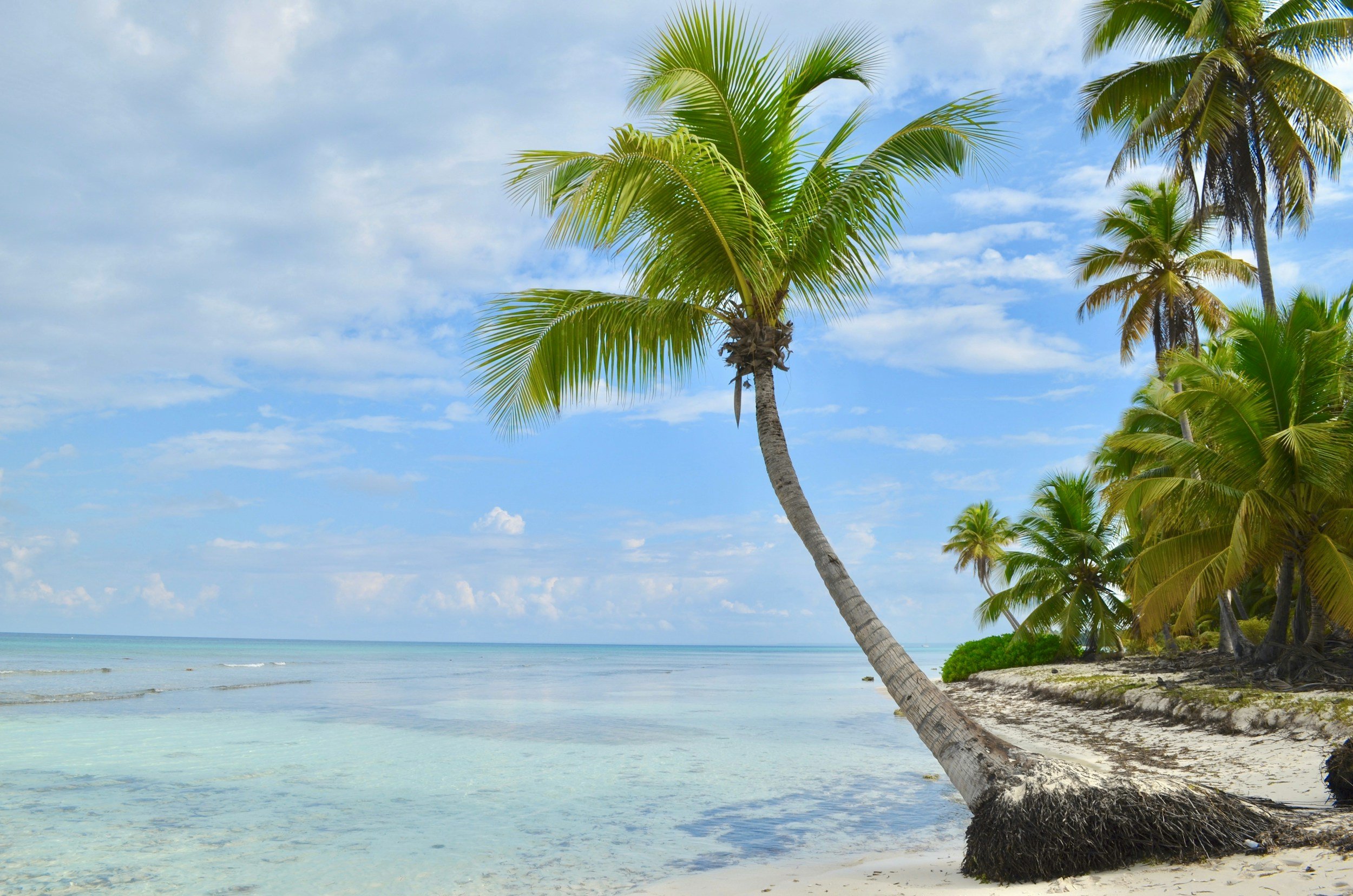
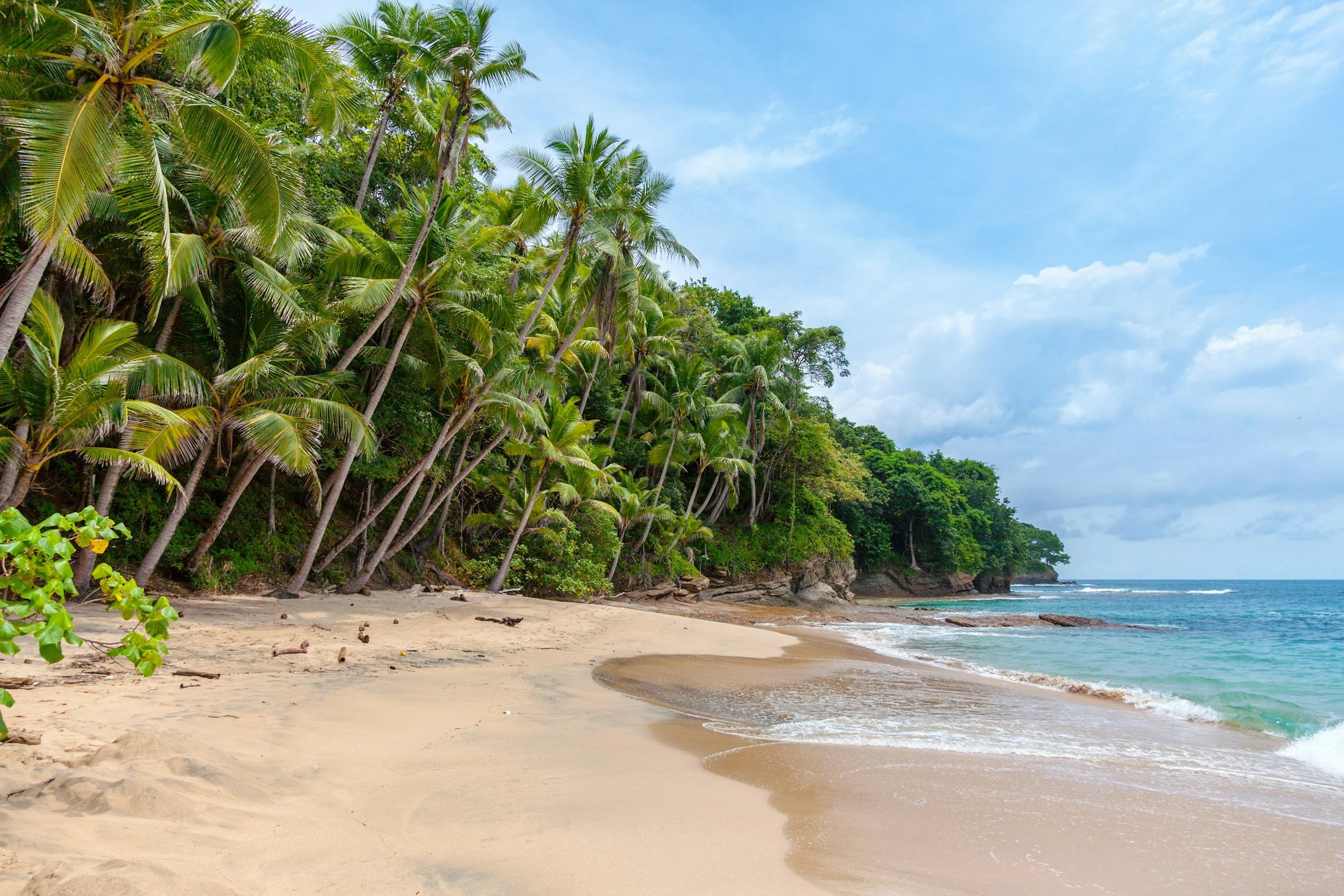
Grenada delivers a more consistent classic-beach experience — Grand Anse and Morne Rouge are long, calm, and golden-to-white, with crystal-to-turquoise water and standout snorkeling and diving. St. Lucia is more visually dramatic but less consistent underfoot: volcanic dark sand dominates in the south, swimming conditions vary by bay, and some of the best stretches sit behind resort access. For straightforward beach days, Grenada is the steadier pick; for beaches framed by jaw-dropping terrain, St. Lucia has the edge.
3) Food + night energy
Grenada has the stronger food story — spice and cocoa heritage, genuinely good local cooking, and chocolate and rum culture you can tour — though quality is concentrated around Grand Anse and Lance aux Épines and thins out elsewhere. St. Lucia has a solid, proud food scene too, and edges Grenada on built-in night energy thanks to Rodney Bay and the Gros Islet street party. Neither is a true nightlife island; if evenings out matter, St. Lucia gives you more to do, while Grenada rewards the traveler who treats food itself as the destination.
4) Crowds + tourism feel
Both sit at medium tourism saturation and both take heavy cruise traffic — Grenada at St. George's, St. Lucia at Castries. Grenada feels less commercialized and friendlier at street level, but cruise days reshape the Carenage noticeably and the port area is where overcharging shows up. St. Lucia can absorb visitors into its terrain, so it rarely feels crowded once you're out at the Pitons or in the rainforest. Grenada feels more authentically local; St. Lucia feels more spread out and scenic.
5) Value for what you get
Both are mid-to-upper Caribbean ($$–$$$, with St. Lucia's top resorts reaching $$$$). Grenada is no longer the bargain it once was, but you're paying for genuine culture, strong diving, and warmth rather than gloss. St. Luciaconcentrates its spend on scenery and the honeymoon-resort experience — you're paying for the view and the romance infrastructure. If your priority is culture, food, and ease of getting around, Grenada feels like better value; if the Pitons and a built-for-romance resort are the point, St. Lucia justifies its price.
A note on what comparisons can't capture
A comparison only tells you how two islands differ. It doesn't tell you what either one is actually like. If you're leaning one way, that's what the destination pages are for.
☀️
Honest Downsides
Grenada — Honest downsides
The operation is looser than the warmth implies. Service rhythms are slow, rental vehicles are utilitarian, and infrastructure is inconsistent. Travelers expecting polished, resort-grade everything will be frustrated.
Dining falls off outside two areas. Food is genuinely good around Grand Anse and Lance aux Épines but inconsistent elsewhere, so where you base meaningfully shapes how well you eat.
Cruise-port friction is a documented pattern. Taxi overcharging near St. George's and on resort pickups is real, and multi-ship days strain the Carenage and popular sites like Annandale Falls.
Same-sex relations are criminalized. Resort zones operate with discretion-based tolerance, but the law is on the books and rural and local-facing settings can be hostile; LGBTQ+ travelers should weigh this honestly.
St. Lucia — Honest downsides
The terrain shapes — and sometimes breaks — the trip. Roads are steep and curvy, transfers run far longer than the map suggests, and "close enough" between two things you want often isn't.
Beaches don't match the white-sand fantasy in the south. Volcanic dark sand dominates around the Pitons, and some of the best beach access runs through resort property.
Hilly ground is hard on limited mobility. The scenery comes with steep approaches and stairs; this is not a flat, walk-everywhere island.
Practical Reality
Best months: Grenada: January–May (mid-April to May is the sweet spot for fewer cruise crowds). St. Lucia: December–April (dry season; June–November is hurricane season)
Budget: Grenada: $$$. St. Lucia: $$–$$$ (luxury resorts $$$$)
Cruise impact: Grenada: Heavy, with seasonal peaks at St. George's. St. Lucia: Heavy at Castries
Car: Grenada: Not needed — local buses and taxis suffice, and rentals can be problematic. St. Lucia: Helpful for exploring but not essential for resort stays; driving is hilly and left-side
Grenada: the full read
☀️
St. Lucia: the full read
Frequently Asked Questions
Should we do both Grenada and St. Lucia as one twin-centre trip, or just pick one?
This is the single most common question for this pair, and the honest answer is that it only works if you have the time and budget for the inter-island hop, which has become expensive and schedule-limited. If you have 10–14 nights, splitting them is rewarding because the islands genuinely feel different — St. Lucia's drama against Grenada's warmth — rather than redundant. For a shorter trip, pick one and go deeper; the duplication fear that travelers raise is mostly unfounded, but the travel friction between them is real.
Which is more romantic for a honeymoon?
They're romantic in different registers. St. Lucia is the more conventionally honeymoon-oriented island — the Piton-view resorts are built for it, and the scenery does a lot of the emotional work. Grenada is romantic in a quieter, less staged way: warm, unhurried, and strong on food and authentic character rather than dramatic backdrops. Couples who want the iconic view and a turn-key romance infrastructure lean St. Lucia; couples who want intimacy without performance often prefer Grenada.
If we won't rent a car, which island is easier?
Grenada, clearly. It has a genuine local bus and taxi network used by residents, not just tourists, so you can reach beaches, St. George's, and across the island without driving. St. Lucia is far more car-dependent for anything beyond a resort stay, and its steep, winding roads make self-driving a real commitment. If independence without a rental matters to you, Grenada is the more forgiving choice.
Does Grenada actually have enough nature without the Pitons?
Yes — the framing that St. Lucia "wins nature" by default oversells it. St. Lucia has the singular Piton drama and a drive-in volcano, which Grenada can't match. But Grenada answers with rainforest, Grand Etang, multiple waterfalls, crater-lake scenery, world-class diving, and easier access to all of it. The Pitons are unique; the broader nature experience is closer than the reputation suggests.
Which feels safer and friendlier on the ground?
Travelers who've done both consistently describe Grenada as exceptionally friendly and reassuring within its tourist corridors, and Grenadians are frequently singled out for warmth. St. Lucia is also welcoming and broadly safe with standard precautions. The nuance worth knowing: Grenada carries a country-wide elevated travel advisory as of early 2026 even though the tourist areas still feel calm in lived reports, so check current guidance and stick to the main corridors as you would anywhere.
We want some nightlife — does either deliver?
Neither is a nightlife island, so calibrate expectations. St. Lucia gives you more: Rodney Bay has bars and energy, and the Friday Gros Islet street party is a genuine, locally endorsed weekly fixture. Grenada's evenings are quiet outside the August Spice Mas carnival. If a reliable night scene is a deal-breaker, St. Lucia is the better of the two — but if it's essential to your trip, both will underwhelm.