The Main Difference
Grenada and Barbados are both warm, English-speaking southern-Caribbean islands with good food and friendly people — but one is developed and one is not, and that single fact decides most trips. Barbados is the polished, well-connected island: a sophisticated blend of beach life, British-influenced heritage, festivals, easy logistics, and a real nightlife corridor. Grenada is greener, looser, and more authentically local — spice estates, rainforest, world-class diving, and a slower pace that hasn't been smoothed over for visitors. Choose Barbados for ease, polish, and built-in energy; choose Grenada for nature, culture, and an island that still feels undiscovered.
The honest case for Grenada
☀️
The honest case for Barbados
Quick Pick
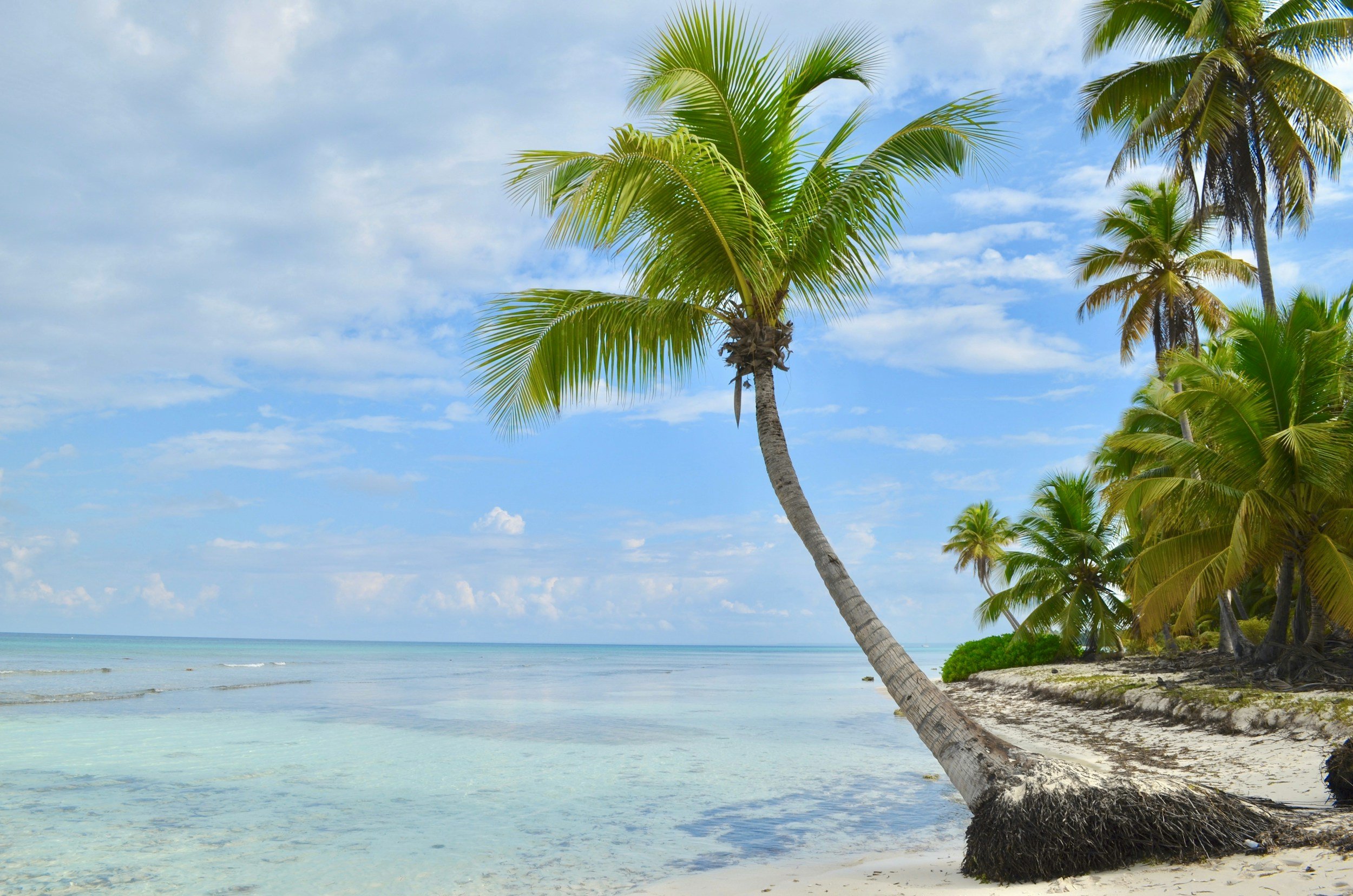
Choose Grenada if you want:
A quieter, less commercialized island with rainforest, waterfalls, and working spice and cocoa heritage you can tour
Standout diving and snorkeling, including the Underwater Sculpture Park and the largest dive wreck in the Caribbean
A warm, unpolished local culture where the friendliness is the headline, not the resort packaging
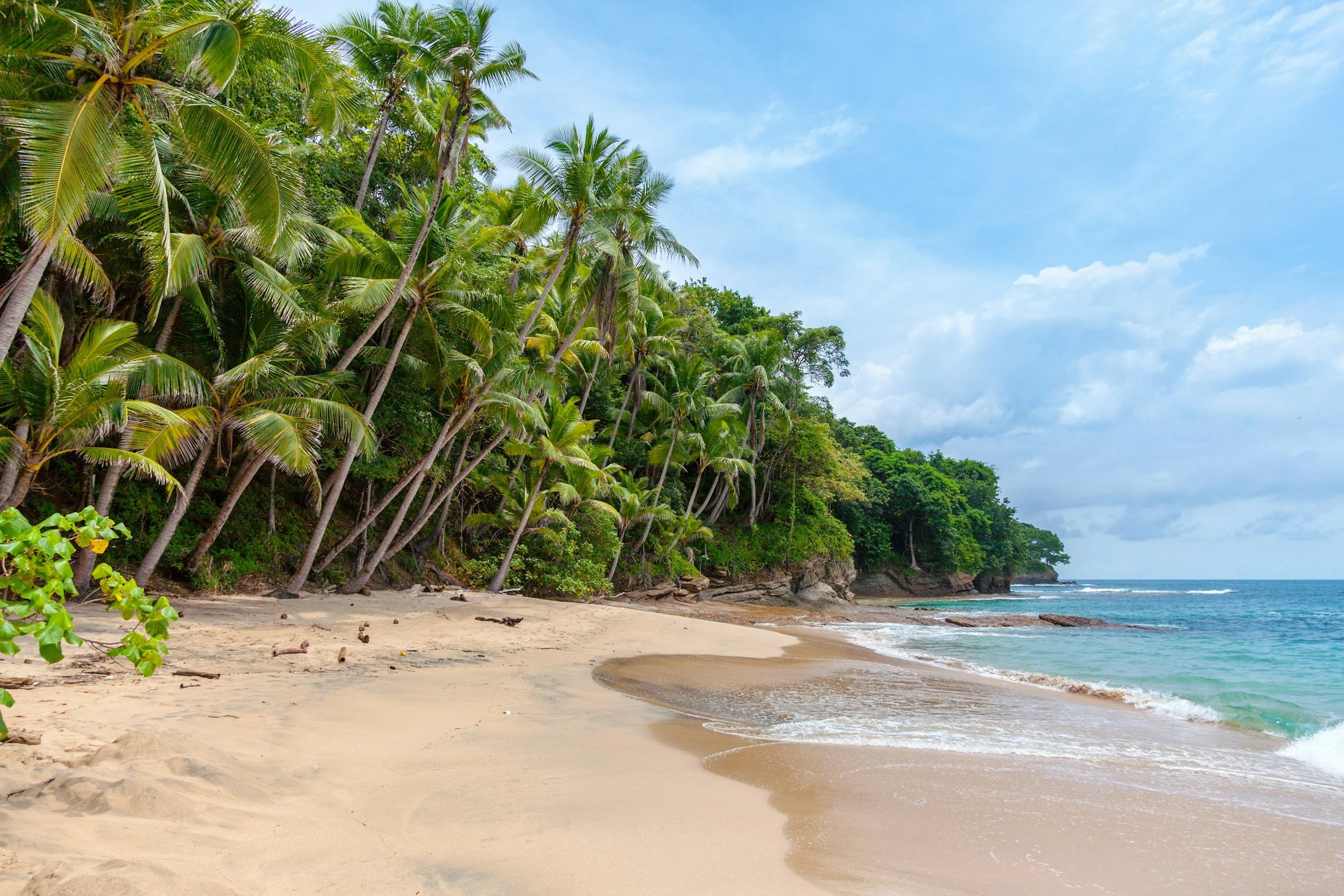
Choose Barbados if you want:
A developed, easy-to-navigate island with excellent connectivity, polished service, and reliable infrastructure
A genuine night scene and social energy — St. Lawrence Gap, Oistins on Fridays, Crop Over in summer
Accessible culture and history alongside calm west- and south-coast swimming beaches
Skip Grenada if:
You want polished infrastructure and dependable service everywhere — the operation is genuinely looser than the island's warmth implies
You need a reliable nightlife scene; evenings are quiet outside the August Spice Mas carnival
Skip Barbados if:
You want seclusion or a budget trip — the west and south coasts get crowded and resort and restaurant prices run high
You expect every beach to be a calm swim; the rugged east coast is for looking and surfing, not casual swimming
What a Day Feels Like
A day in Grenada
Morning: You wake near Grand Anse or quieter Lance aux Épines, grab coffee, and plan around a spice or chocolate estate, a waterfall hike, or a dive. The pace is slow and unhurried.
Afternoon: You're snorkeling the Underwater Sculpture Park, diving the Bianca C wreck, or driving inland to Grand Etang. Lunch is local — fresh fish, rum shops, vendors who prefer cash.
Night: Dinner is good around Grand Anse and Lance aux Épines but inconsistent elsewhere. Evenings are calm and friendly; outside Spice Mas, the island goes quiet early.
A day in Barbados
Morning: You wake on the upscale west coast or the livelier south, with reliable Wi-Fi and easy logistics. Breakfast, then a calm swim — the Caribbean side is the easy-water coast.
Afternoon: You snorkel with turtles, take a catamaran cruise, or drive the dramatic, rugged east coast for scenery (not swimming). Getting around is straightforward by bus, taxi, or car.
Night: Dinner and a real night out — St. Lawrence Gap for bars, or the Friday Oistins fish fry, which is busy, social, and a local fixture. The island has genuine evening energy.
Where Each Destination Wins
1) Energy & atmosphere
Grenada is laid-back and warm, lively only in festival bursts — the feel is local, unforced, and slightly rustic. Barbadosholds two energies at once: a polished, sophisticated west coast and a sociable, sometimes loud south, which can feel like several destinations stitched together. Grenada wins for travelers who want genuine, low-key warmth; Barbados wins for travelers who want polish and the ability to find real social energy when they want it.
2) Beach & water feel
Grenada offers a consistent classic-beach experience — Grand Anse and Morne Rouge are long, calm, and golden-to-white, with crystal-to-turquoise water and superb diving. Barbados is sharply two-sided: calm, swimmable, picture-perfect beaches on the west and south, and a rugged, dramatic Atlantic east coast that is for surfing and respecting flags, not casual swims. Both are strong; Grenada is more uniform, while Barbados rewards travelers who understand the coast they're booking.
3) Food + night energy
Both eat well. Grenada leans into spice, cocoa, and rum heritage with genuinely good local cooking, though quality concentrates around Grand Anse and Lance aux Épines. Barbados matches it on food and decisively wins on night energy — St. Lawrence Gap, the Friday Oistins fish fry, and the Crop Over festival give it a real, reliable scene. If dining-as-culture is the point, Grenada delivers; if you want food and a genuine night out, Barbados is the clear choice.
4) Crowds + tourism feel
Grenada sits at medium tourism saturation and feels less commercialized and friendlier at street level, though heavy cruise days reshape the Carenage and the port is where overcharging shows up. Barbados runs at high saturation: more developed, busier, and more touristed, with the west and south corridors crowding in season and cruise-heavy Bridgetown energy. Grenada feels more discovered and authentic; Barbados feels more established and busy.
5) Value for what you get
Both are mid-to-upper Caribbean ($$–$$$). Grenada is no longer a bargain, but the spend buys culture, strong diving, and warmth rather than gloss. Barbados charges for development, polish, and connectivity — the trade is higher prices and crowds for genuine ease and built-in energy. For nature, culture, and quiet, Grenada feels like better value; for a developed island where everything works and there's something to do at night, Barbados earns its price.
A note on what comparisons can't capture
A comparison only tells you how two islands differ. It doesn't tell you what either one is actually like. If you're leaning one way, that's what the destination pages are for.
☀️
Honest Downsides
Grenada — Honest downsides
The operation is looser than the warmth implies. Service is slow, rental vehicles are utilitarian, and infrastructure is inconsistent. Travelers expecting resort-grade polish everywhere will be frustrated.
Dining drops off outside two areas. Food is genuinely good around Grand Anse and Lance aux Épines but inconsistent elsewhere, so where you base shapes how well you eat.
Cruise-port friction is documented. Taxi overcharging near St. George's and on resort pickups is a known pattern, and multi-ship days strain the Carenage and sites like Annandale Falls.
Same-sex relations are criminalized. Resort zones operate with discretion-based tolerance, but the law is on the books and rural and local-facing settings can be hostile; LGBTQ+ travelers should weigh this honestly.
Barbados — Honest downsides
It's not one uniform beach product. The calm, swimmable west and south are very different from the rough Atlantic east; travelers expecting "perfect beaches everywhere" get corrected fast.
Crowds and price stack up. The west and south corridors get busy in season and resort and restaurant prices are high — this is not a seclusion or budget island.
The polished framing can clash with reality. Cruise-heavy Bridgetown and parts of the south can feel loud and tourist-forward, which sits awkwardly against the "sophisticated and serene" image.
The east coast demands respect. It's beautiful but genuinely rough; locals warn against casual swimming and against driving that coast after dark.
Practical Reality
Best months: Grenada: January–May (mid-April to May is the sweet spot for fewer cruise crowds). Barbados: January–April for the dry, busy season; July–early August for Crop Over
Budget: Grenada: $$$. Barbados: $$–$$$
Cruise impact: Grenada: Heavy, with seasonal peaks at St. George's. Barbados: Heavy
Car: Grenada: Not needed — local buses and taxis suffice, and rentals can be problematic. Barbados: Recommended to explore the island fully, though the bus network is extensive
Grenada: the full read
☀️
Barbados: the full read
Frequently Asked Questions
I want a cultural trip without renting a car — is Grenada or Barbados easier to get around?
Both have genuine local transport, which sets this pair apart from many Caribbean islands. Barbados has an extensive, cheap, well-used bus network that reaches the whole island and is the easiest of the two for a car-free traveler. Grenada also has real local buses and taxis used by residents and is very workable without a car, especially around Grand Anse and St. George's. If maximum ease and frequency matter, Barbados edges it; if you want the less-touristed feel and don't mind a looser schedule, Grenada works fine.
Is Grenada or Barbados better for a solo female traveler?
Both are routinely cited among the more reassuring Caribbean islands for solo women, and travelers who've done both describe Grenada as especially friendly and Barbados as easy and well-developed. Barbados offers more infrastructure and a busier, more populated south coast, which some solo travelers prefer. Grenada offers a warmer, less commercialized experience with a country-wide elevated travel advisory in place as of early 2026 that hasn't changed how calm the tourist corridors feel in lived reports. Standard precautions apply on both — avoid isolated areas at night, use association taxis.
Which is the more "undiscovered" island, and does that come with trade-offs?
Grenada is decisively the less developed and less commercialized of the two, and that's its main appeal — but the trade-off is real. You get a greener, friendlier, more authentic island in exchange for slower service, utilitarian rentals, and inconsistent infrastructure. Barbados trades that authenticity for polish and reliability. Travelers who romanticize "undiscovered" should go in knowing it also means less smooth.
Can I combine Grenada and Barbados on one trip?
Yes, and it's a common pairing because Barbados is a major regional hub with frequent connections, including to Grenada. The contrast is genuinely rewarding — developed and polished against green and authentic — rather than redundant. The practical caution is that regional inter-island flights have become pricey, so book the hop alongside your main flights and treat it as a deliberate two-island plan, not a casual day-trip.
Which has better diving and snorkeling?
Grenada is the stronger underwater destination by a clear margin. It offers the Underwater Sculpture Park, the Bianca C — the largest dive wreck in the Caribbean — and strong reef diving, which is a genuine reason to choose it. Barbados has pleasant snorkeling, including swimming with turtles and calm west-coast reefs, but it's a lighter experience. If time in the water is central to the trip, Grenada wins this one outright.
Does the cruise-ship traffic ruin either island?
Both take heavy cruise traffic, so the honest answer is that it depends on timing and where you base. In Grenada, multi-ship days noticeably reshape the St. George's Carenage and strain popular sites, and the port is where overcharging happens — getting beyond the dock area quickly fixes most of it. In Barbados, cruise energy concentrates around Bridgetown and Oistins. Neither is ruined, but checking the cruise calendar against your dates and staying out of the port zone on heavy days materially improves both.