The Main Difference
Grenada and Antigua are both warm, English-speaking islands often shortlisted together for honeymoons and beach holidays — but they're built around different things. Antigua is a beach-first island: world-class white sand, electric-turquoise water, and a deep all-inclusive and boutique resort inventory designed for low-effort relaxation. Grenada is greener and more layered: rainforest, waterfalls, working spice and cocoa estates, and standout diving, wrapped in a friendlier, more lived-in local culture. Choose Antigua if the beach itself is the trip; choose Grenada if you want nature, culture, and reasons to leave the resort.
The honest case for Grenada
☀️
The honest case for Antigua
Quick Pick
Choose Grenada if you want:
Real off-resort variety — rainforest, Grand Etang, waterfalls, and working spice, cocoa, and rum estates you can tour
World-class diving and snorkeling, including the Underwater Sculpture Park and the largest dive wreck in the Caribbean
A warmer, more authentic local culture where the friendliness is genuinely the standout
Choose Antigua if you want:
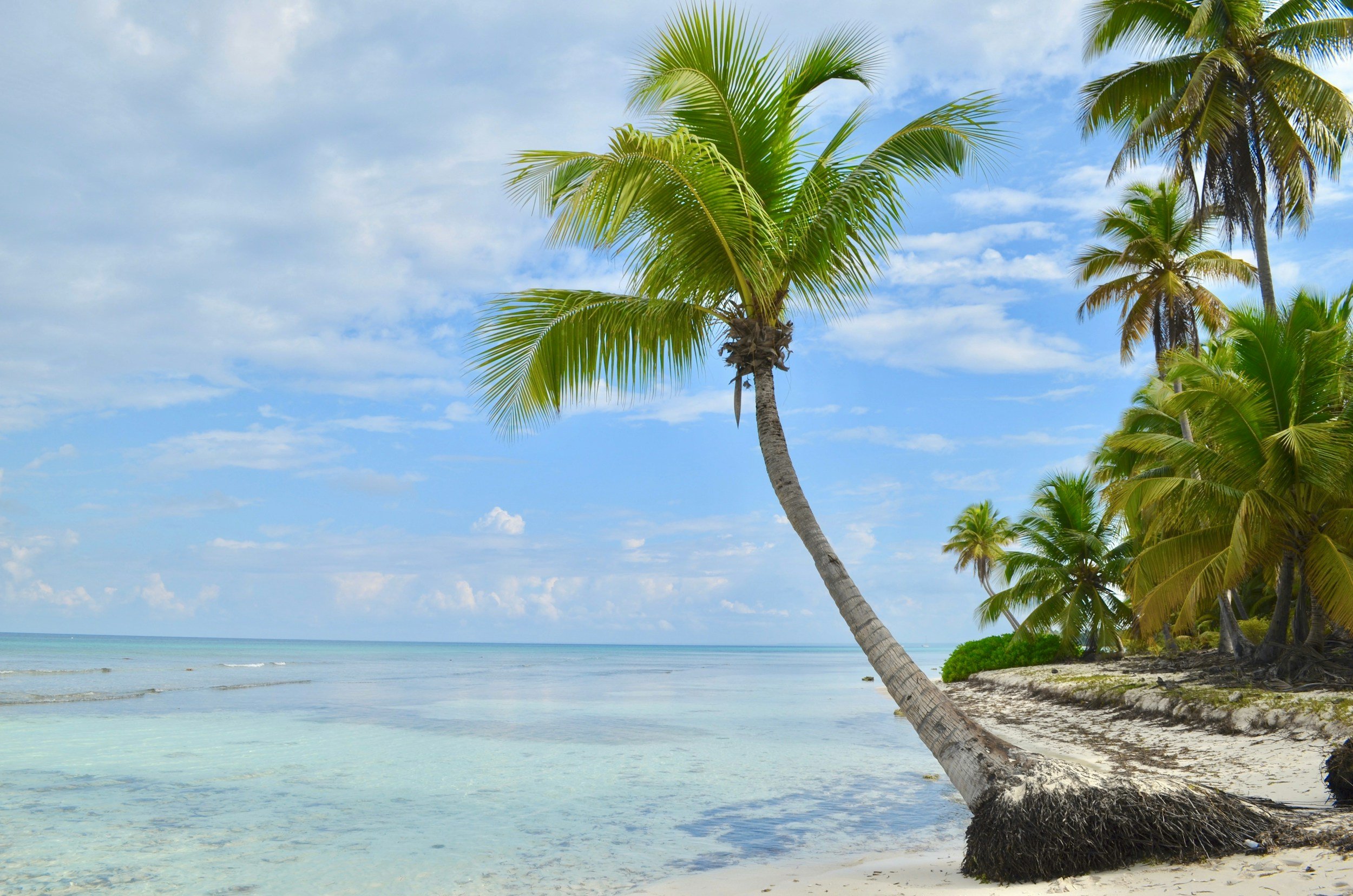
The strongest classic-beach experience in this comparison — exceptional white sand and electric-turquoise water
A deep all-inclusive and boutique resort scene built for low-effort, relaxing stays
A drier, beach-hopping island where the main decision each day is which bay to visit
Skip Grenada if:
You want a polished, beach-and-pool resort holiday with little reason to leave the property — Grenada rewards exploring, not staying put
You need consistent infrastructure and service; the pace and operations are genuinely unhurried
Skip Antigua if:
You want rainforest, hiking, or cultural depth as the main draw — Antigua is flatter and beach-focused, with less to explore inland
You won't rent a car; public transit is thin and beach-hopping basically requires one
What a Day Feels Like
A day in Grenada
Morning: You wake near Grand Anse or quieter Lance aux Épines, get coffee, and plan around a spice or chocolate estate, a waterfall, or a dive. The day is unhurried and open.
Afternoon: You're snorkeling the Underwater Sculpture Park, diving the Bianca C wreck, or driving inland to Grand Etang and a waterfall. Lunch is local — fresh fish, rum shops, cash preferred.
Night: Dinner is good around Grand Anse and Lance aux Épines, inconsistent elsewhere. Evenings are quiet and friendly; outside the August Spice Mas carnival, the island goes calm early.
A day in Antigua
Morning: You wake at an all-inclusive or boutique resort on the south or west coast. Breakfast, then straight to the beach — the water is electric turquoise and the sand is exceptional.
Afternoon: You beach-hop by car to a quieter bay like Half Moon or Darkwood, take a catamaran tour, or swim with stingrays. Off the cruise port, the island feels crowd-light.
Night: Dinner at the resort or a casual beach bar, with the Sunday Shirley Heights BBQ as the one real social fixture worth planning around. Nightlife is secondary to scenery.
Where Each Destination Wins
1) Energy & atmosphere
Both are laid-back and low-key. Grenada feels warmer and more lived-in — friendly at street level, slightly rustic, lively only during festivals. Antigua is breezy and carefree once you're away from St. John's and the cruise zone, but the experience is more resort-shaped and less culturally textured. Grenada wins for travelers who want authentic local warmth; Antigua wins for travelers who want easy, uncomplicated vacation calm.
2) Beach & water feel
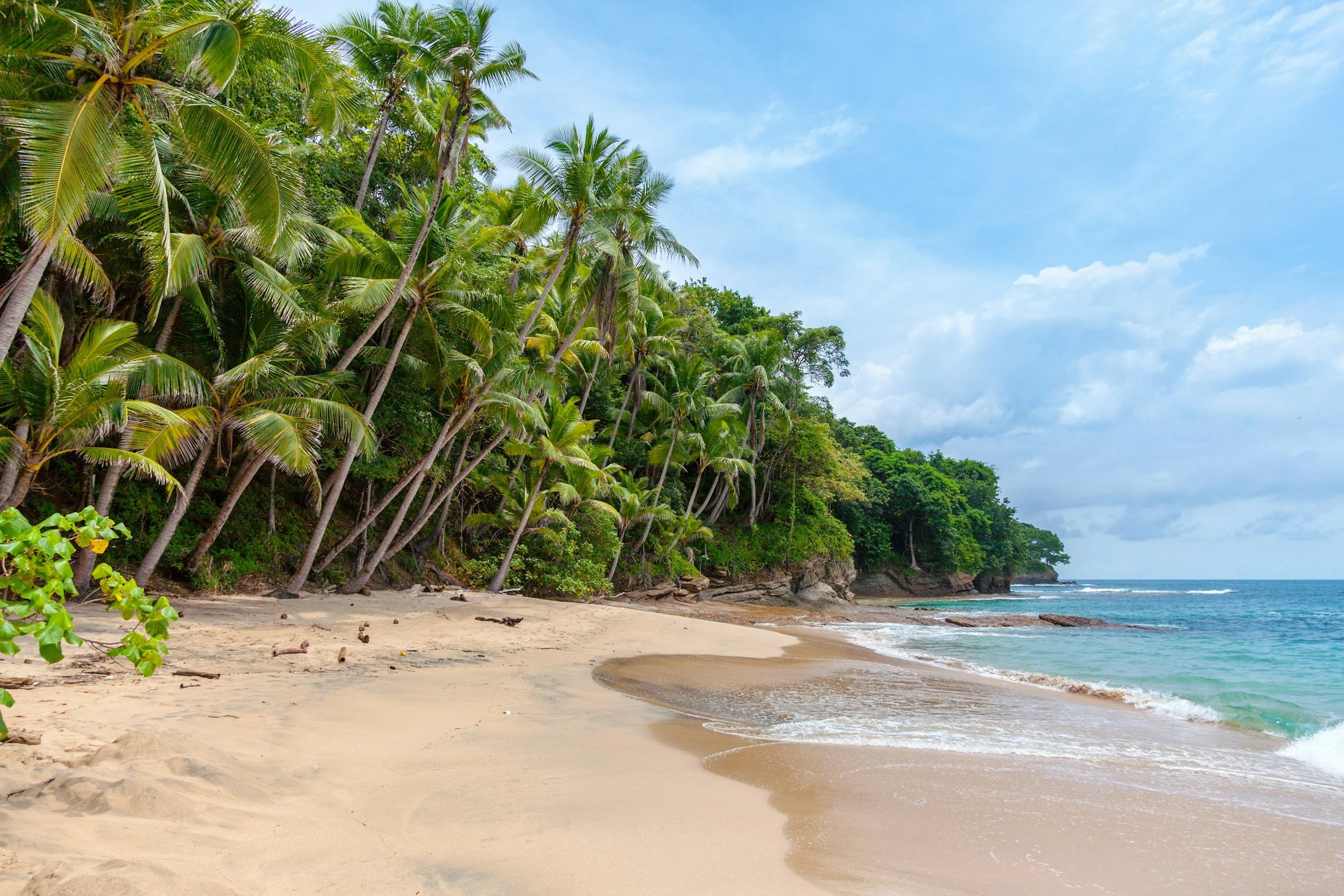
Antigua wins this decisively — it has a standout classic-beach experience with exceptional white sand and electric-turquoise, calm water, and enough bays to beach-hop for days. Grenada is very good but a notch below on pure beach quality: Grand Anse and Morne Rouge are long, calm, and golden-to-white, with crystal-to-turquoise water. Where Grenada pulls ahead is underwater — the Sculpture Park and the Caribbean's largest dive wreck give it a depth Antigua doesn't match. Beaches: Antigua. In the water: Grenada.
3) Food + night energy
Grenada has the stronger food identity — spice, cocoa, and rum heritage and genuinely good local cooking, though concentrated around Grand Anse and Lance aux Épines. Antigua leans on resort and all-inclusive dining with good casual beach bars, and its night energy centers on the Sunday Shirley Heights BBQ rather than a broad scene. Neither is a nightlife island; Grenada rewards travelers who treat food as part of the trip, while Antigua keeps evenings simple and resort-centered.
4) Crowds + tourism feel
Both sit at medium tourism saturation and both take heavy cruise traffic. Grenada feels less commercialized and friendlier at street level, but multi-ship days reshape the St. George's Carenage and the port is where overcharging shows up. Antigua can feel split — hectic and inauthentic around St. John's on heavy ship days, genuinely crowd-light and relaxed once you're off-port. Both reward getting away from the dock; Grenada feels more authentically local, Antigua more resort-curated.
5) Value for what you get
Grenada is $$$; Antigua is $$–$$$ but expensive outside all-inclusives. Grenada buys culture, strong diving, and warmth rather than gloss. Antigua buys exceptional beaches and a turn-key resort experience, with the catch that off-resort costs add up and a rental car is effectively required to use the island well. For activity variety and culture, Grenada feels like better value; for a beach-led resort holiday where the sand itself is the product, Antigua justifies its price.
A note on what comparisons can't capture
A comparison only tells you how two islands differ. It doesn't tell you what either one is actually like. If you're leaning one way, that's what the destination pages are for.
☀️
Honest Downsides
Grenada — Honest downsides
The operation is looser than the warmth implies. Service is slow, rental vehicles are utilitarian, and infrastructure is inconsistent. Travelers expecting resort-grade polish everywhere will be frustrated.
It's not a stay-on-the-resort island. The payoff is in exploring — estates, rainforest, dive sites — so travelers who only want beach and pool get less out of it than the island offers.
Cruise-port friction is documented. Taxi overcharging near St. George's and on resort pickups is a known pattern, and multi-ship days strain the Carenage and sites like Annandale Falls.
Same-sex relations are criminalized. Resort zones operate with discretion-based tolerance, but the law is on the books and rural and local-facing settings can be hostile; LGBTQ+ travelers should weigh this honestly.
Antigua — Honest downsides
The "365 beaches" line oversells ease. Beautiful bays swim very differently by coast and wind, and the quality of the trip depends heavily on mobility and beach selection — two travelers can have very different weeks.
You really need a car. Public transit is thin, and the beach-hopping the island is famous for doesn't work casually without a rental or licensed taxis.
The cruise port distorts first impressions. St. John's on a heavy ship day can feel hectic and inauthentic and is not how the island feels the rest of the week.
It's expensive outside the all-inclusives. Food and lodging beyond resort packages run high, so an off-resort trip costs more than travelers expect.
Practical Reality
Best months: Grenada: January–May (mid-April to May is the sweet spot for fewer cruise crowds). Antigua: December–April
Budget: Grenada: $$$. Antigua: $$–$$$
Cruise impact: Grenada: Heavy, with seasonal peaks at St. George's. Antigua: Heavy
Car: Grenada: Not needed — local buses and taxis suffice, and rentals can be problematic. Antigua: Yes — public transit is limited and beach-hopping requires one
Grenada: the full read
☀️
Antigua: the full read
Frequently Asked Questions
For a relaxing beach-and-pool honeymoon, is Grenada or Antigua the safer bet?
Antigua, if the beach is genuinely the centerpiece and you want to do little else. Its sand and water are exceptional and its resort inventory is built for low-effort romance. Grenada can absolutely do a relaxing honeymoon, but it rewards couples who'll leave the resort for estates, waterfalls, and dive trips — and some of its best beaches aren't where every resort sits. If you want to barely move, lean Antigua; if "relaxing" still includes exploring, Grenada is the richer choice.
We're traveling with a baby — which is the better choice?
Both work well for families with young children, and travelers with babies have specifically chosen each. Grenada's Grand Anse corridor is calm, central, and walkable to shops and restaurants, and parents repeatedly highlight the island's friendliness and reassuring feel. Antigua offers calm-water family beaches and strong resort kids' programs that make a parked, low-logistics stay easy. The deciding factor is usually style: Grenada for a central base you can walk from, Antigua for an all-inclusive that handles everything.
Antigua has more beaches — does Grenada have enough to do?
Yes, and this is where the comparison flips. Antigua's strength is the beaches themselves; its inland and cultural offering is thinner. Grenada has fewer headline beaches but far more to actually do — rainforest, Grand Etang, multiple waterfalls, spice and chocolate estates, and the Caribbean's best wreck diving. If your idea of a full trip is more than sand, Grenada has the depth Antigua lacks.
Which is the smarter pick during hurricane season?
Grenada sits at the southern edge of the hurricane belt and is rarely directly hit, which historically made it the lower-risk of the two late in the season — but "edge of the belt" is not "outside it," as 2024's Hurricane Beryl proved when it devastated Grenada's sister islands of Carriacou and Petite Martinique while the main island took only light damage. Antigua sits more squarely in the belt. Neither is risk-free; if you're traveling in peak season, Grenada is the marginally safer bet, but buy trip insurance for either.
Is the food noticeably better on one island?
Grenada has the more distinctive food identity, with genuine spice, cocoa, and rum heritage and strong local cooking — though the best of it clusters around Grand Anse and Lance aux Épines and thins out elsewhere. Antigua's dining leans more on resort and all-inclusive offerings plus good casual beach bars. Travelers who want food to be part of the trip's character usually find Grenada more rewarding; travelers happy with solid resort dining won't feel shortchanged in Antigua.
Can we combine Grenada and Antigua on one trip?
You can, but it's the least seamless of Grenada's common pairings — there's no quick hop, connections route through regional carriers, and inter-island airfare has become expensive. The contrast is rewarding if you commit to it: Antigua's beach-first ease against Grenada's green, cultural depth. For most travelers, though, picking one and going deeper beats splitting a single trip across both unless you have the time and budget to absorb the travel.