The Main Difference
Curaçao and Aruba share a flag, a language, and a latitude — but they deliver fundamentally different trips. Aruba is built for ease: polished resorts, broad white-sand beaches, and an infrastructure that removes almost every friction point between you and the water. Curaçao is built for curiosity: a UNESCO-listed capital, scattered cove beaches you drive to find, world-class diving, and a cosmopolitan street culture that makes the city part of the vacation, not just the airport transfer.
The honest case for Curaçao
The honest case for Aruba
Quick Pick
Choose Curaçao if you want:
A destination where city culture, street art, and dining are as central to the trip as the beach — Willemstad alone can hold two or three full days of wandering.
World-class shore diving and snorkeling without the crowds, from the Tugboat wreck to the Blue Room sea cave.
An island that feels cosmopolitan and lived-in rather than resort-shaped — four languages on every block, casual food stands next to serious restaurants, and a creative energy that doesn't exist for tourists.
Choose Aruba if you want:
The most reliable beach trip in the Caribbean — consistent sun, long stretches of soft white sand, and water you can walk into without watching your step.
A seamless all-inclusive experience with high-quality resorts, organized excursions, and almost no logistical friction.
A first-timer-friendly island where language, safety, navigation, and dining all feel effortless from arrival to departure.
Skip Curaçao if:
You want endless white-sand beaches you can walk along for miles — the beach product here is scattered coves, some with rocky entries, and a rental car is essential to reach most of them.
You're looking for all-inclusive convenience or a trip that doesn't require any planning beyond the resort.
Skip Aruba if:
You want authentic local culture, a sense of discovery, or an island that feels like it belongs more to its residents than to its visitors — the tourism infrastructure is excellent but dominant.
You came to dive. Aruba has decent snorkeling, but Curaçao's shore diving is in a different league entirely.
What a Day Feels Like
A day in Curaçao
Morning: You start with coffee and a pastechi from a roadside snèk, then drive twenty minutes to a cove beach where there might be six other people. The water is absurdly clear before the wind picks up.
Afternoon: Back to Willemstad for lunch — maybe a food hall in a converted warehouse, maybe a patio in Pietermaai. You walk the pastel streets, wander into a gallery, cross the floating bridge, and realize the city itself is the attraction.
Night: Dinner at a serious restaurant tucked into a restored colonial building, then drinks on a rooftop with harbor views. The energy is warm and social, not loud — by eleven, things are winding down unless you find the right bar.
A day in Aruba
Morning: You walk out of your resort onto Eagle Beach, claim a palapa, and settle in. The sand is powder-soft, the water is turquoise and calm, and the sun is essentially guaranteed.
Afternoon: A catamaran snorkel trip, or a Jeep tour to the Natural Pool in Arikok National Park. Everything is organized, well-staffed, and runs on time. Lunch is beachside — reliable, diverse, slightly resort-priced.
Night: Palm Beach comes alive with restaurants, bars, and casinos. The energy is upbeat and social, with enough variety to keep a week feeling different. It's polished nightlife, not gritty — well-lit, safe, and tourist-facing.
Where Each Destination Wins
1) Energy & atmosphere
Aruba's energy is bright, optimistic, and frictionless — the "One Happy Island" tagline is earned. Everything runs smoothly, people are friendly, and the mood is beach-vacation warmth from landing to departure. Curaçao's energy is more textured: cosmopolitan rather than sunny, creative rather than polished. Willemstad has genuine edge — street art, four-language banter, Carnival culture — and the island feels like a place people actually live, not a place engineered for visitors. If you want a mood that holds your hand, Aruba. If you want a mood that rewards your attention, Curaçao.
2) Beach & water feel
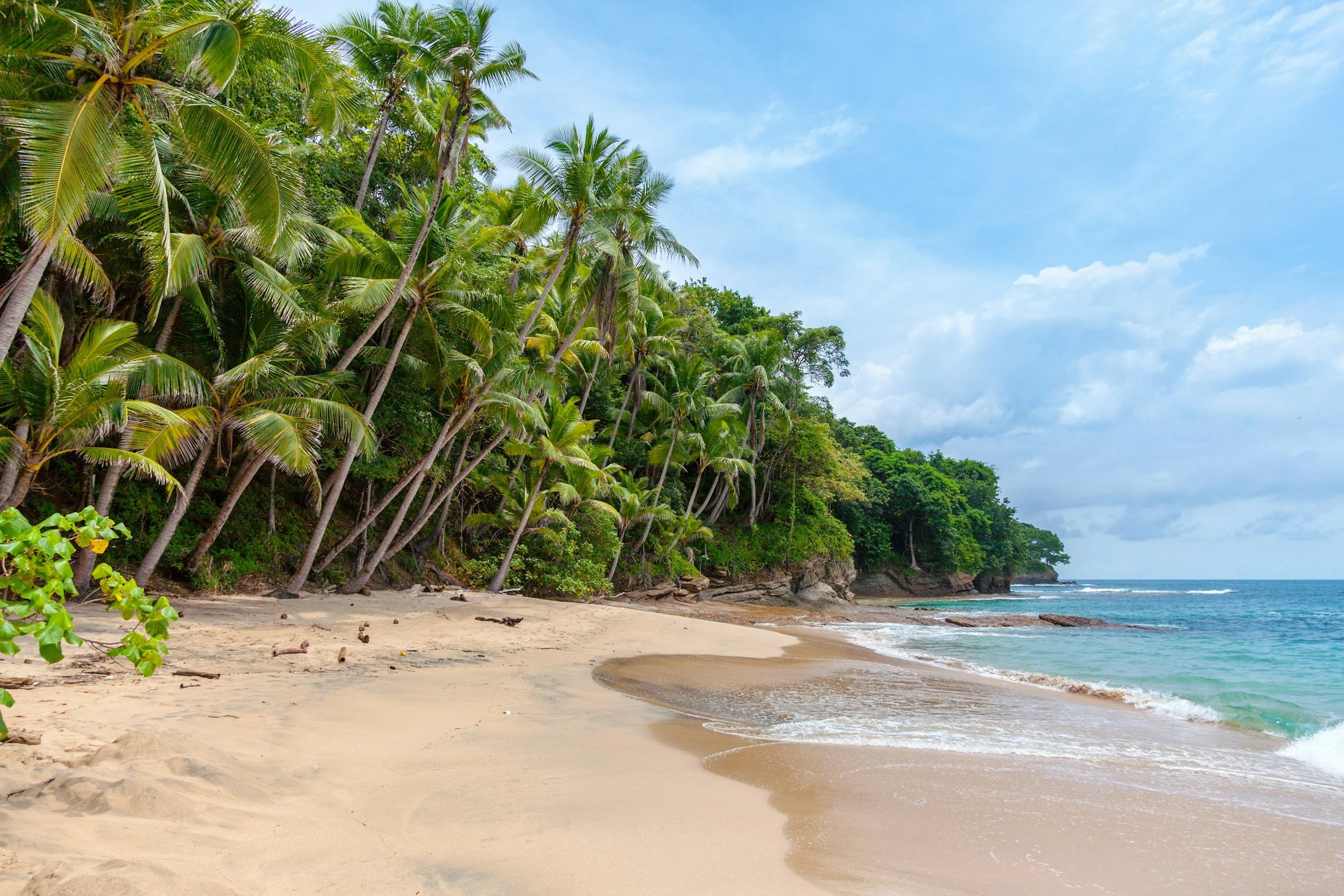
Aruba wins the classic beach experience outright. Eagle Beach and Palm Beach are long, soft, windswept stretches of white sand with calm turquoise water — the Caribbean postcard, delivered consistently. Curaçao's beaches are cove-style: smaller, often tucked behind rocky terrain, sometimes requiring a short scramble or an entrance fee. Some are stunning (Grote Knip, Cas Abao), but the experience is hunting for the right spot, not settling into one long shoreline. Underwater, the equation flips — Curaçao's shore diving and snorkeling are world-class, with crystal-clear water, healthy reefs, and sites you can walk into from the beach.
3) Food + night energy
Both islands eat well, but the flavors are different. Aruba's dining scene is diverse and polished — international kitchens, steakhouses, beachfront seafood — with a leaning toward tourist-friendly variety at resort-area prices. Curaçao's food scene is more local and layered: Indonesian-influenced cuisine from the island's Dutch-colonial history, casual snèk culture, and a serious restaurant scene in Pietermaai that punches above its weight. Night energy is where they diverge most. Aruba has real nightlife — bars, casinos, beach clubs that stay open late. Curaçao's evenings are warm but quieter outside Willemstad; the island's social energy peaks at dinner rather than after midnight.
4) Crowds + tourism feel
Aruba receives heavy cruise traffic and high overall tourism volume. The resort strip along Palm Beach is dense, popular beaches fill early, and the island's identity is inseparable from its tourism economy. Curaçao's tourism volume is moderate and growing, with occasional-to-heavy cruise traffic concentrated in Willemstad's port area. Away from the cruise dock, the island feels noticeably less saturated — beaches aren't empty, but you're unlikely to compete for space the way you would on Eagle Beach in high season. If you want infrastructure without crowds, Curaçao has the better ratio right now.
5) Value for what you get
Both islands sit in the $$–$$$ range, and neither is a budget destination. Aruba's value proposition is consistency: you know what you're getting, resorts compete on quality, all-inclusive options are widely available, and the experience rarely disappoints. Curaçao's value proposition is depth: similar daily costs buy you a UNESCO capital, world-class diving, a serious food scene, and an island that doesn't feel like a resort product. All-inclusive options are more limited but growing. The question is whether you're paying for reliability or richness — both are worth the money for the right traveler.
A note on what comparisons can't capture
A comparison only tells you how two islands differ. It doesn't tell you what either one is actually like. If you're leaning one way, that's what the destination pages are for.
☀️
Honest Downsides
Curaçao — Honest downsides
The beach product requires work. You need a rental car, you'll drive fifteen to thirty minutes to most good swim spots, and some entries are rocky or steep. Travelers who want to walk out of their room onto soft sand will feel the friction daily.
Nightlife outside Willemstad is genuinely quiet. If you're staying on the west coast near beaches, evenings can feel sleepy — this is not a destination where the party follows you to your accommodation.
The cove-to-cove layout means you'll spend real time in the car. It's a beautiful drive, but if you wanted a walkable beach vacation, you'll feel the logistics more than you expected.
Mosquitoes after rain are a legitimate annoyance, especially away from breezier coastal areas. It's not a dealbreaker, but it shapes how evenings feel in certain parts of the island.
Aruba — Honest downsides
The island can feel resort-dominant. Outside the tourist corridor, there's less to discover than you might expect, and some travelers describe a sameness setting in after three or four days if they're looking for cultural texture or surprise.
Authentic local life is harder to access. Aruba's tourism infrastructure is so well-built that it can insulate you from the island's actual community — travelers seeking markets, plazas, or neighborhood social life may feel like they're always on the visitor track.
Popular beaches fill up, especially in high season. Eagle Beach palapa etiquette is a real thing — arrive late and you'll learn the hard way.
The windward coast is genuinely dangerous for swimming. It looks inviting, but locals repeat the same warning about Arikok's rough side, and rescue scenarios happen when visitors underestimate the current.
Practical Reality
Best months: Aruba: January–April (though it's dry and sunny nearly year-round). Curaçao: January–June (outside the hurricane belt; Carnival in February is a highlight).
Budget: Both $$–$$$. Aruba skews slightly higher for accommodations due to resort density and all-inclusive dominance. Curaçao's dining and groceries can surprise on price.
Cruise impact: Aruba: heavy, consistent cruise traffic in Oranjestad. Curaçao: occasional to heavy, concentrated at the Willemstad port — less impact on beaches.
Car: Both islands strongly recommend a rental car. Aruba for Arikok National Park and less-accessible beaches; Curaçao for essentially everything outside Willemstad.
Frequently Asked Questions
What's the core difference between Curaçao and Aruba?
They're both Dutch ABC islands just 20 minutes apart by air, both outside the hurricane belt, both with turquoise water and year-round sun — but they suit fundamentally different travelers. Aruba is built for ease: a long, wide resort corridor along Eagle Beach and Palm Beach, polished infrastructure, walkable resort zones, and an effortlessly social energy that makes it one of the most first-timer-friendly islands in the Caribbean. Curaçao is built for discovery: a UNESCO-listed capital in Willemstad, dramatic cove beaches tucked between limestone cliffs, world-class shore diving, a genuine local culture, and a pace that rewards independent travelers willing to explore. Aruba is what you choose when you want a seamless beach vacation; Curaçao is what you choose when you want the Caribbean to surprise you.
Which has better beaches?
They offer genuinely different beach experiences. Aruba's Eagle Beach and Palm Beach are wide, long, and consistently beautiful — calm, clear water ideal for swimming, with resort amenities close at hand. For travelers who want to arrive, drop their bags, and be on a world-class beach within minutes, Aruba is the easier answer. Curaçao's beaches are smaller cove-style bays tucked between dramatic cliffs — Playa Kenepa, Cas Abao, Playa PortoMari — with exceptionally clear water and excellent snorkeling right from shore. They require driving to find but reward the effort with striking scenery and far fewer people. Aruba wins on accessibility and scale; Curaçao wins on intimacy, variety, and underwater quality.
Which is better for snorkeling and diving?
Curaçao, clearly. Shore diving is one of the island's defining characteristics — over 60 dive sites line the west coast, most accessible directly from the beach without a boat, with exceptional visibility and healthy reef systems. Klein Curaçao, the uninhabited offshore island, adds a day-trip snorkeling and beach experience that is extraordinary. Aruba has snorkeling and wreck diving, but it's primarily boat-based and the reef density and water clarity don't reach Curaçao's standard. For any traveler whose trip revolves around underwater experience, Curaçao is the clear choice.
Which is more affordable?
Curaçao, meaningfully. Aruba's well-developed resort corridor drives pricing higher — accommodation, dining, and activities all carry a premium that reflects its popularity and infrastructure. Curaçao is typically 20–30% less expensive across hotels and dining, with more boutique and mid-range accommodation options and a local dining scene that doesn't price entirely for tourists. Both are relatively expensive by Caribbean standards, but Curaçao offers considerably more value per dollar, particularly for travelers who explore beyond the main tourist zones.
Which is better for culture and sightseeing?
Curaçao, by a significant margin. Willemstad is a genuine city with 500 years of layered history — the colorful Handelskade waterfront, the Queen Emma pontoon bridge, the Punda and Otrobanda districts, Fort Amsterdam, and the Mikvé Israel-Emanuel Synagogue (the oldest in continuous use in the Western Hemisphere) make it one of the Caribbean's most compelling capitals. The island's multilingual, multicultural character — Papiamentu, Dutch, Spanish, and English all in daily use — gives it a depth and texture that Aruba's more tourism-oriented identity doesn't match. Aruba has its own cultural life and colorful festivals, but Curaçao's UNESCO designation reflects a genuinely different level of historical and architectural significance.
Which is better for first-timers to the Caribbean?
Aruba, for most travelers making their first Caribbean trip. The infrastructure is excellent, English is spoken everywhere, the resort strip is walkable, a car isn't strictly necessary for a classic Aruban vacation, and the overall experience is designed to be frictionless. Curaçao rewards independent travelers who are comfortable renting a car, navigating unfamiliar roads, and finding things for themselves — that exploratory quality is part of what makes it special, but it's less forgiving of travelers who arrive without a plan. Experienced Caribbean travelers consistently rate Curaçao as the more interesting destination; first-timers consistently rate Aruba as the more satisfying one.