The Main Difference
Bimini and the Exumas are both Bahamian islands with electric-blue water and a strong pull for anyone who loves the sea—but they are fundamentally different experiences. Bimini is a compact, social, marina-first island just 50 miles from Florida: lively, sporty, and best suited to anglers, divers, and weekenders who want action and energy on the water. The Exumas are a remote, boat-access archipelago of 365 cays stretching 136 miles through the heart of the Bahamas: calm, cinematic, and best suited to couples, small groups, and nature seekers who want to disappear into turquoise stillness. Choose Bimini for a quick, high-energy Bahamian escape with serious water adventures; choose the Exumas for the postcard Bahamas—slower, more beautiful, and requiring more planning and budget.
The honest case for Bimini.
The honest case for The Exumas.
Quick Pick
Choose Bimini if you want:
Big-game fishing, shark diving, and world-class underwater adventure from a compact, easy-to-navigate island
A lively, social atmosphere with marina bars, dock energy, and a Hemingway-era sense of salty romance
The quickest Bahamas getaway from Florida—accessible by fast ferry, seaplane, or short flight with no complicated logistics
Choose The Exumas if you want:
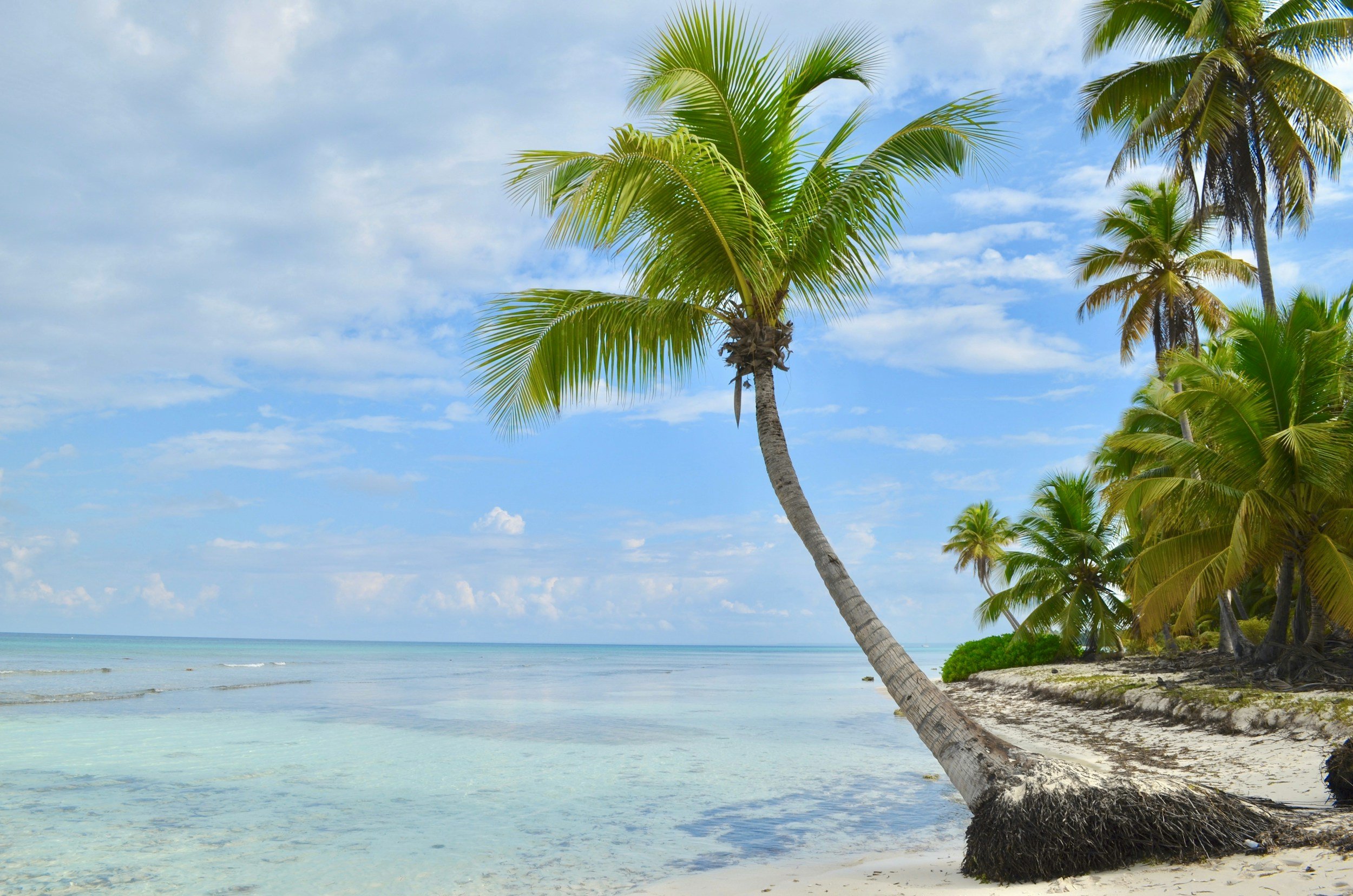
The Bahamas at its most cinematic—swimming pigs, sandbars, nurse sharks, and water so clear it barely looks real
A remote, peaceful archipelago experience where boats replace roads and nature sets the pace
A destination that rewards exploration: island-hopping, hidden cays, and the feeling that you've actually discovered something
Skip Bimini if:
You're expecting quiet pink-sand beaches and boutique tranquility—Bimini is marina-first, and the vibe is social and unpolished, especially on weekends when the Florida boat crowd arrives
You want several days of diverse activity; Bimini is best as a long weekend, not a week-long destination
Skip The Exumas if:
You're not prepared to build your trip around boat access—without a charter or tour, you'll miss most of what makes the Exumas extraordinary, and that costs real money
You want nightlife, fine dining, or a walkable destination; the Exumas are quiet after dark and dining options are limited and local
What a Day Feels Like
A day in Bimini
Morning: You wake up at the marina—either at Resorts World or a smaller guesthouse—and the docks are already buzzing. Fishing boats are loading up, and someone at the bar next door is already pouring rum punch. You rent a golf cart to explore the island before it gets too hot.
Afternoon: You're out on the water—snorkeling the SS Sapona shipwreck, diving the Bimini Road, or doing a hammerhead shark encounter. The water is electric-clear and electric-warm. Back at the marina, you pull into Alice Town for a plate of fresh conch salad from a local shack.
Night: The marina bars come alive at sunset. It's rowdy in the best way—anglers comparing catches, boat crews swapping stories, cold Kalik beer and someone playing reggae too loud. You're in bed early enough, but it was louder than you expected.
A day in The Exumas
Morning: You wake up in a quiet guesthouse or boutique resort near George Town. Breakfast is unhurried—fresh fish, coconut bread, coffee overlooking still water. You've already arranged a boat charter for the day, and you're the only group on the boat.
Afternoon: You're island-hopping through the Exuma Cays—swimming with pigs at Big Major Cay, drifting through Thunderball Grotto, touching nurse sharks at Compass Cay. Between stops, you sit on a sandbar in six inches of turquoise water and feel the entire world go quiet. There is nowhere else on earth that looks like this.
Night: Dinner is fresh-caught seafood at a local spot in George Town or at the Staniel Cay Yacht Club if you stayed north. It's simple, good, and over by 9pm. The Exumas go almost completely quiet after dark—there is no nightlife here, and that is entirely the point.
Where Each Destination Wins
1) Energy & atmosphere
Bimini hums with social energy—marinas full of boats, dock bars with cold beer, fishing culture that has attracted serious adventurers since Hemingway anchored here. The vibe is salty, spontaneous, and unpretentious. The Exumas are the opposite: calm, vast, and naturally quiet. The energy here is the water itself—the light through the shallows, the breadth of the cay chain, the sense of being somewhere genuinely remote. Bimini wins if you want social energy and a lively scene; the Exumas win if you want to disappear into natural beauty.
2) Beach & water feel
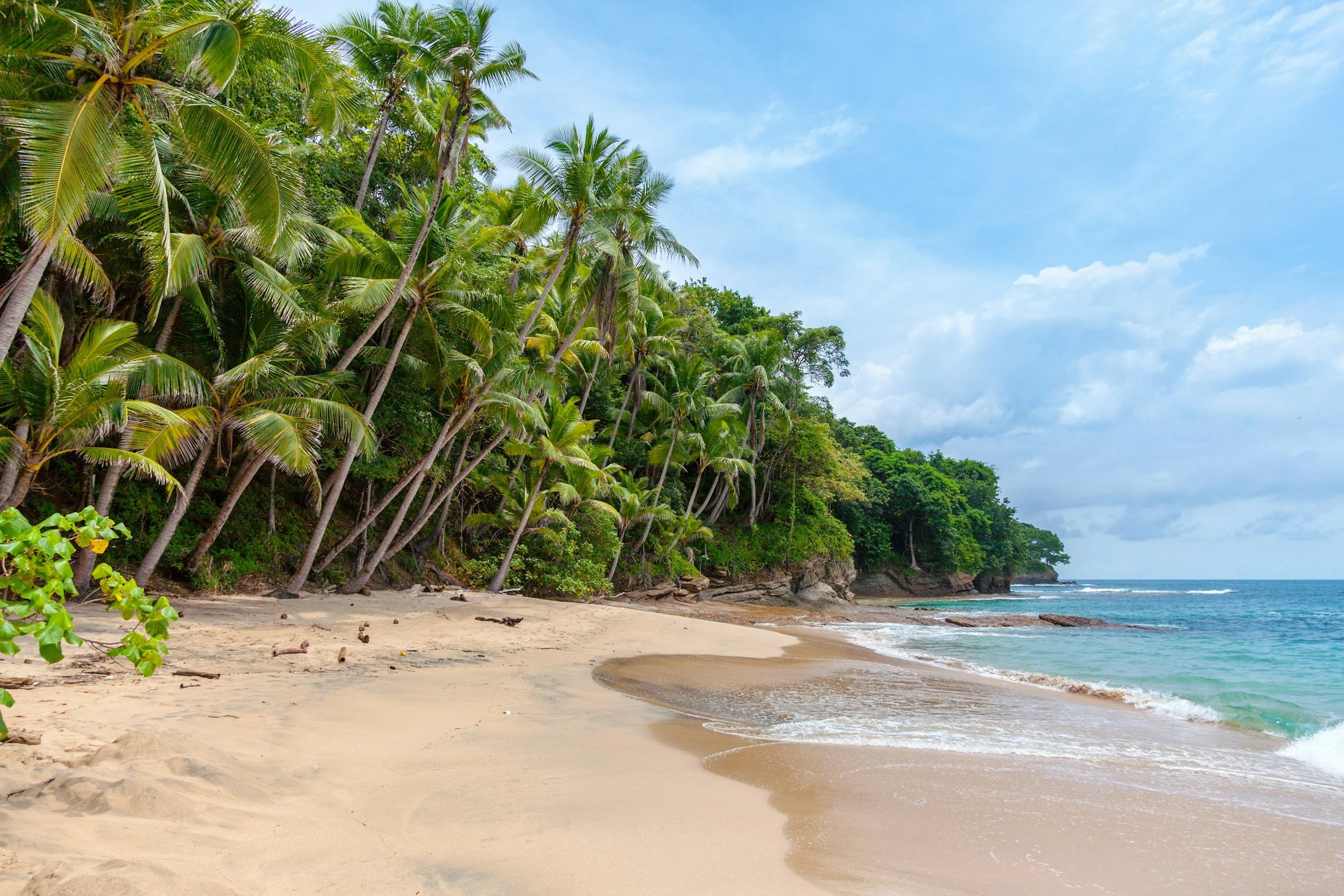
Bimini has beautiful water—electric turquoise and crystal clear—but its beach experience is more limited than its reputation suggests. The island is small and marina-dominated; Paradise Beach is lovely, but sweeping stretches of pink sand are not Bimini's identity. The Exumas deliver the most visually spectacular water in the Bahamas, and possibly in the world. Thirty-six-mile sandbars, hidden cays with no footprints, and the kind of blue-green color that reads as a filter even when it isn't. For pure beach and water beauty, the Exumas win clearly—but you need a boat to access the best of it.
3) Food + night energy
Neither island is a culinary destination, but they offer different versions of simple. Bimini has good local conch shacks and casual marina restaurants in Alice Town—fresh seafood, Bahamian staples, a social scene at sunset. The Resorts World complex adds a few more upscale dining options, though reviews on consistency are mixed. The Exumas are limited to local spots in George Town, the Staniel Cay Yacht Club, and a handful of scattered restaurants on the cays—seafood-focused and unpretentious. Neither destination has real nightlife; Bimini's marina bars come closest. If you want any social scene after dinner, Bimini has a slight edge. If you don't care, the Exumas' quiet is a feature.
4) Crowds + tourism feel
Bimini's crowd character is specific to timing: weekdays feel like a genuine Bahamian island, while weekends and holidays—especially when the fast ferry from Fort Lauderdale runs—bring a surge of boat traffic and marina energy that surprises travelers expecting tranquility. Resorts World and occasional cruise ship calls have added scale that has changed the island's character over the past decade. The Exumas remain low-density by nature—the cays spread across 136 miles, and the logistics involved in reaching the best spots self-select for a quieter traveler. George Town has some activity; the outer cays are as remote as the Bahamas gets. For genuinely uncrowded beauty, the Exumas win without contest.
5) Value for what you get
Bimini ranges from budget guesthouses to the full Resorts World experience, and the proximity to Florida means the barrier to entry is low—a fast ferry from Fort Lauderdale costs well under $100. The island is best as a long weekend, and for that price point, the water adventure and marina atmosphere deliver. The Exumas are expensive by design: boat charters run $400–$600+ per person for a full-day group tour, and private charters start around $1,500–$3,900 for the vessel. Accommodation and food costs compound quickly. But what you get—one of the most visually extraordinary places on earth—justifies the price if you know what you're signing up for. Bimini is better value for a quick hit; the Exumas are worth every dollar if you're prepared to spend them.
A note on what comparisons can't capture
A comparison only tells you how two islands differ. It doesn't tell you what either one is actually like. If you're leaning one way, that's what the destination pages are for.
☀️
Honest Downsides
Bimini — Honest downsides
Weekends can be loud, crowded, and rough around the edges. When the Florida boat crowd arrives on a holiday weekend, Bimini's marina zone becomes genuinely rowdy—dock bars filling up, congested golf cart traffic, and a party atmosphere that bears little resemblance to the quiet island escape some travelers are imagining. If you want calm, book a weekday trip or avoid peak holiday windows entirely.
It is not a beach destination in the traditional sense. Travelers expecting sweeping pink-sand beaches with loungers and tranquility will be disappointed. Bimini's identity is built around its marina and water adventures, not its beaches—the island is small, built-up around the dock zone, and the sand experience is secondary to everything else.
Resorts World is big, and it shows. The island's largest property brings casino energy, cruise ship stop-offs, and a resort-complex footprint that has changed Bimini's character over time. If you were hoping for a sleepy Bahamian fishing village, parts of Bimini still deliver that—but Resorts World is impossible to ignore.
Two to three days is the natural limit. Bimini is small enough to cover fully in a day and a half. Travelers who stay longer without a specific fishing or diving focus often find themselves restless by day three, wishing they'd planned for somewhere with more range.
The Exumas — Honest downsides
The real Exumas require a boat—and boats cost real money. The sandbars, swimming pigs, Thunderball Grotto, and remote cays that define the Exumas' reputation are not accessible by foot or by car. A full-day group charter runs $400–$600 per person; private charters run significantly more. Travelers who show up without budgeting for boat access often leave feeling they missed the entire point of the destination.
Logistics are more complex than they look. Getting to the Exumas from the U.S. involves flights to Great Exuma (GGT) through Miami, Fort Lauderdale, Atlanta, or Charlotte—or a small charter flight to Staniel Cay. Once there, if you didn't pre-book your boat tours, you're scrambling. This rewards planners and frustrates spontaneous travelers.
It is genuinely quiet after dark—with almost nothing to do at night. There is no bar scene, no nightlife, and limited evening entertainment on most of the cays. George Town has a few local spots; that's the full extent. Couples who want a peaceful evening find this perfect; anyone expecting even modest evening options will be surprised by the silence.
Everything costs more than it looks like it should. Food, fuel, accommodation, and boat access all arrive in the Exumas by water or air, which means the supply chain adds cost at every level. A family dinner is expensive by any standard. Budget travelers will find the Exumas a genuine financial stretch even before accounting for activities.
Practical Reality
Best months: Bimini: March–July (fishing peak); December–February (wahoo, sharks); avoid hurricane season (Aug–Oct). The Exumas: December–May (dry season, calmest seas)
Budget: Bimini: $–$$$ (guesthouses to Resorts World). The Exumas: $$$–$$$$ (accommodation reasonable; boat access and meals add up quickly)
Cruise impact: Bimini: Occasional (small cruise ships dock at Resorts World; can affect ferry-day crowds). The Exumas: Occasional (small ships only; no major cruise port)
Car: Bimini: No—golf carts and bikes are the standard and the right choice; no rental car needed. The Exumas: Optional on Great Exuma for getting around the main island; a boat is more important than a car for the full experience
Frequently Asked Questions
What's the core difference between Bimini and the Exumas?
Both are Bahamian Out Islands with extraordinary water, but they attract fundamentally different travelers. Bimini is the Gateway to the Bahamas — just 50 miles from Florida, compact, social, and built around fishing, diving, and marina energy. It's the island Hemingway made famous, and that spirit of adventure and lively bar culture persists. The Exumas are about as different as the Bahamas gets: a 365-cay archipelago that takes genuine effort to reach but rewards that effort with some of the most visually extraordinary water in the Atlantic world — swimming pigs, pristine cays, the Exuma Cays Land and Sea Park, and a cinematic scale that Bimini's seven miles simply can't match. Bimini is a weekend; the Exumas are a destination.
Which is easier to get to?
Bimini, significantly. It's the closest Bahamian island to the US mainland — the Balearia Caribbean fast ferry runs from Fort Lauderdale to Bimini in about two hours, and private boaters from South Florida cross regularly. Commercial flights are limited but possible. The proximity makes it genuinely viable as a long weekend from Florida without a complex itinerary. The Exumas require more planning — flights typically route through Nassau or Fort Lauderdale to George Town on Great Exuma, with limited direct US service — and once there, the best experiences require either renting a boat or booking day-trip charters. For travelers with limited time or a Florida base, Bimini is the practical choice; the Exumas reward those who plan ahead.
Which has better fishing?
Bimini, with a long and storied reputation that still holds. Known as the sportfishing capital of the world, Bimini sits on the edge of the Gulf Stream where billfish, tuna, wahoo, and mahi run in extraordinary concentration. Hemingway fished here for decades and the tradition remains — the marina culture and charter fleet are deeply embedded in the island's identity. The Exumas offer excellent bonefishing in the flats around Elizabeth Harbour and the cays, which is a different style of fishing and a different kind of experience — technical, quiet, and increasingly popular with serious anglers. For offshore big-game fishing, Bimini is the clear answer. For bonefishing in gin-clear flats, the Exumas are exceptional.
Which has better diving and snorkeling?
They offer different diving experiences rather than a clear winner. Bimini has the SS Sapona shipwreck, wild dolphin encounters, hammerhead shark dives, stingray feeding at Honeymoon Harbour, and the mysterious Bimini Road — a unique and diverse dive portfolio for a small island. The Exumas have the Exuma Cays Land and Sea Park, one of the most pristine protected marine areas in the Caribbean, with extraordinary reef health, abundant sea life, nurse sharks at Compass Cay, and the Thunderball Grotto featured in James Bond. For sheer scale and reef quality, the Exuma Cays Land and Sea Park is exceptional. For dramatic and varied dive experiences in a compact area, Bimini's lineup is hard to beat.
Which is better for a short trip?
Bimini, clearly. The island's small scale — Alice Town on North Bimini is essentially one street — means it can be meaningfully experienced in two to three days. The ferry from Fort Lauderdale, a few days of fishing, diving, beach bars, and conch salad, and you're back — it's a complete trip that doesn't require a full week. The Exumas genuinely need more time to justify the logistics of getting there. A week is appropriate; five days is the minimum to feel like you've experienced what the archipelago actually offers rather than just arriving and leaving.
Which is more social and lively?
Bimini, decisively. The marina scene at North Bimini draws a constant flow of boaters, anglers, and day-trippers from Florida, and Alice Town's concentration of beach bars, dive operators, and restaurants creates a social energy that the Exumas — by design and geography — don't replicate. The Exumas around George Town have a pleasant social scene, particularly in Elizabeth Harbour where liveaboards congregate, and the Volleyball Beach gathering in the harbor is a genuine cruiser tradition. But the overall pace is quieter and more self-directed. Travelers who want company and activity find Bimini more immediately rewarding; travelers who want solitude and space find the Exumas ideal.