By Kelly McAtee | TheTripThread | Last Updated April 2026
Bimini
Where the Gulf Stream runs close and the fishing never stops — a salty, compact island built on marinas, big catches, and the kind of energy that starts at the dock.
Adventure & Nature | Sail & Sea Life
Best for: Best for travelers who cross the Gulf Stream for sport and salt air, drawn to marinas and big-game water over manicured resort beaches.
Not for: Not for travelers who want long stretches of quiet sand, a polished resort setting, or evenings that don't revolve around the dock.
Quick Snapshot:☀️ Best months: March–July (fishing); winter (wahoo/sharks) 💲 Average cost: ––$$ 🕶️ Vibe: Lively & social (especially weekends)
Reality Check (Read This Before You Book)
Bimini is marina-first — the trip revolves around water access, fishing charters, and dockside social life, not beach lounging or resort programming.
The biggest misconception: travelers expecting a pink-sand Bahamas escape find a compact, working island where the marinas are the main attraction and the beaches, while beautiful, are not the reason most people come.
If you need a variety of dining options beyond conch shacks and resort restaurants, Bimini will feel limited. If you want quiet evenings, avoid ferry weekends — the island's energy spikes sharply when the boats from Florida arrive. If you're budget-sensitive, Resorts World pricing sits at a different level from the local guesthouses, and there's little in between.
If your priority is pristine, uncrowded beaches with space to wander, a quieter Out Island with more coastal range may be a better fit.
Why You’ll Love It
Bimini hums with a kind of energy most Caribbean islands don't offer — the buzz of a working marina, the anticipation of a morning charter, and the easy camaraderie of people who came here to be on the water. It's the closest Bahamas to Florida, barely fifty miles across the Gulf Stream, and that proximity shapes everything: the crowd, the pace, and the feeling that you're somewhere genuinely foreign but still reachable on a long weekend.
The light here is Gulf Stream light — sharp, clean, the water shifting between electric turquoise in the shallows and deep cobalt where the current runs. Days start at the dock, where fishing boats load up before sunrise, and end at waterfront bars where the day's catch stories compete with the sunset. The sand is white and soft where you find it, but this is not a beach-hopping island. Radio Beach delivers the swim-and-sun experience; the rest of the island delivers the salt.
This is not the Bahamas of Atlantis or Paradise Island. Bimini is unpolished, compact, and built around its fishing heritage — Hemingway lived here in the 1930s not for the beaches but for the marlin. The town of Alice Town has a roughness that is part of its character, not a flaw to overlook. Travelers who love Bimini love it precisely because it feels real, earned, and unsanitized.
Best for travelers who want the Bahamas without the resort filter — anglers, divers, boaters, and weekenders who trade polish for personality and choose Gulf Stream access over cabana service. Bimini is often recommended for fishing enthusiasts and adventure-oriented couples seeking a short, spirited Caribbean escape with genuine Out Island character.
This is Bimini
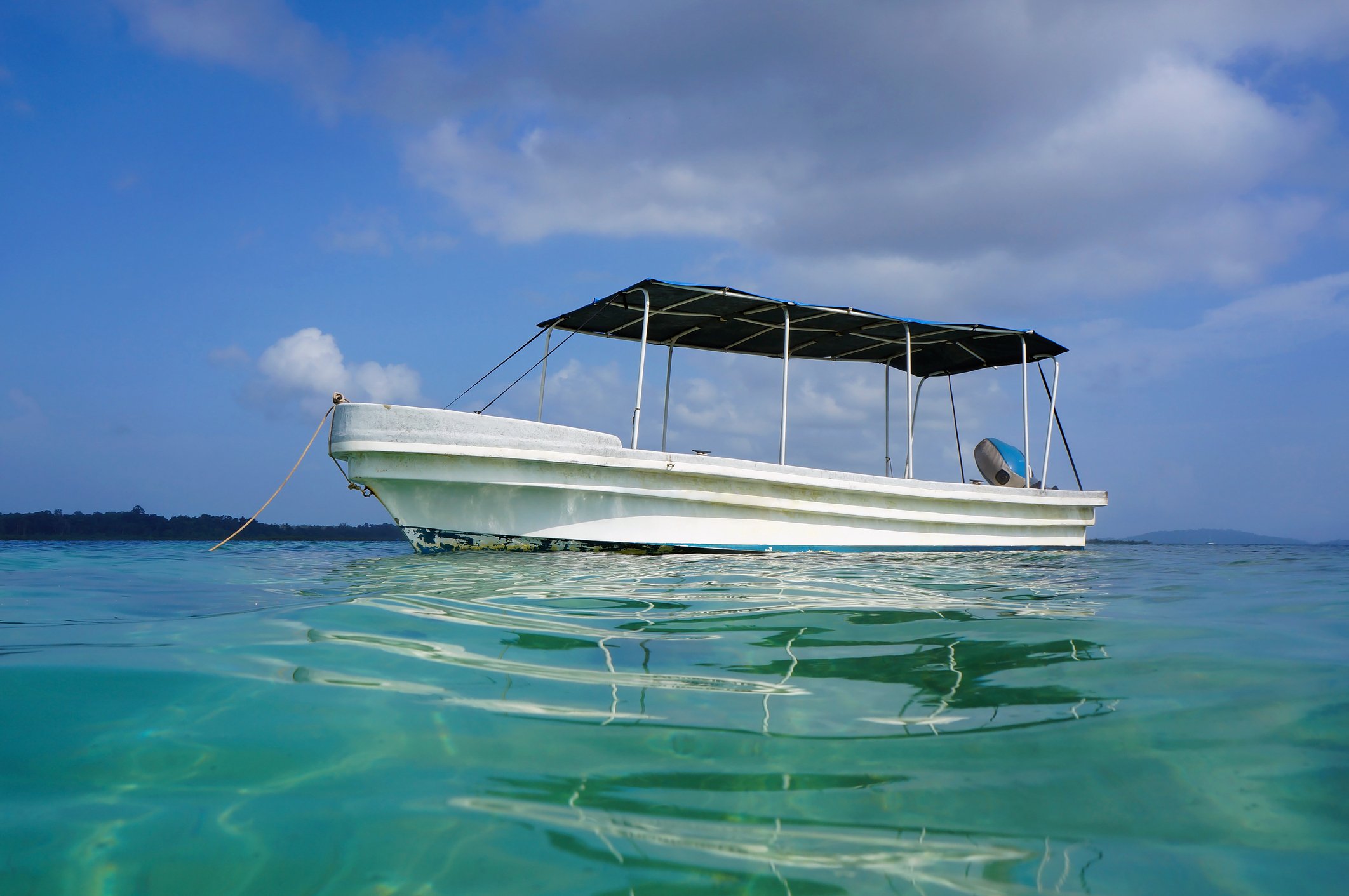
This is Bimini — dock bars bleached by salt air, fishing boats riding low in turquoise water, and the smell of fresh conch mixing with diesel and sunscreen along a marina that never quite goes quiet.
Part of the Greater Caribbean Collection on TheTripThread — a destination reference system built for travelers deciding where they'll feel right, not just where to go. Bimini is for travelers who value water adventure and authentic island energy over curated resort calm.
Common Experience Patterns

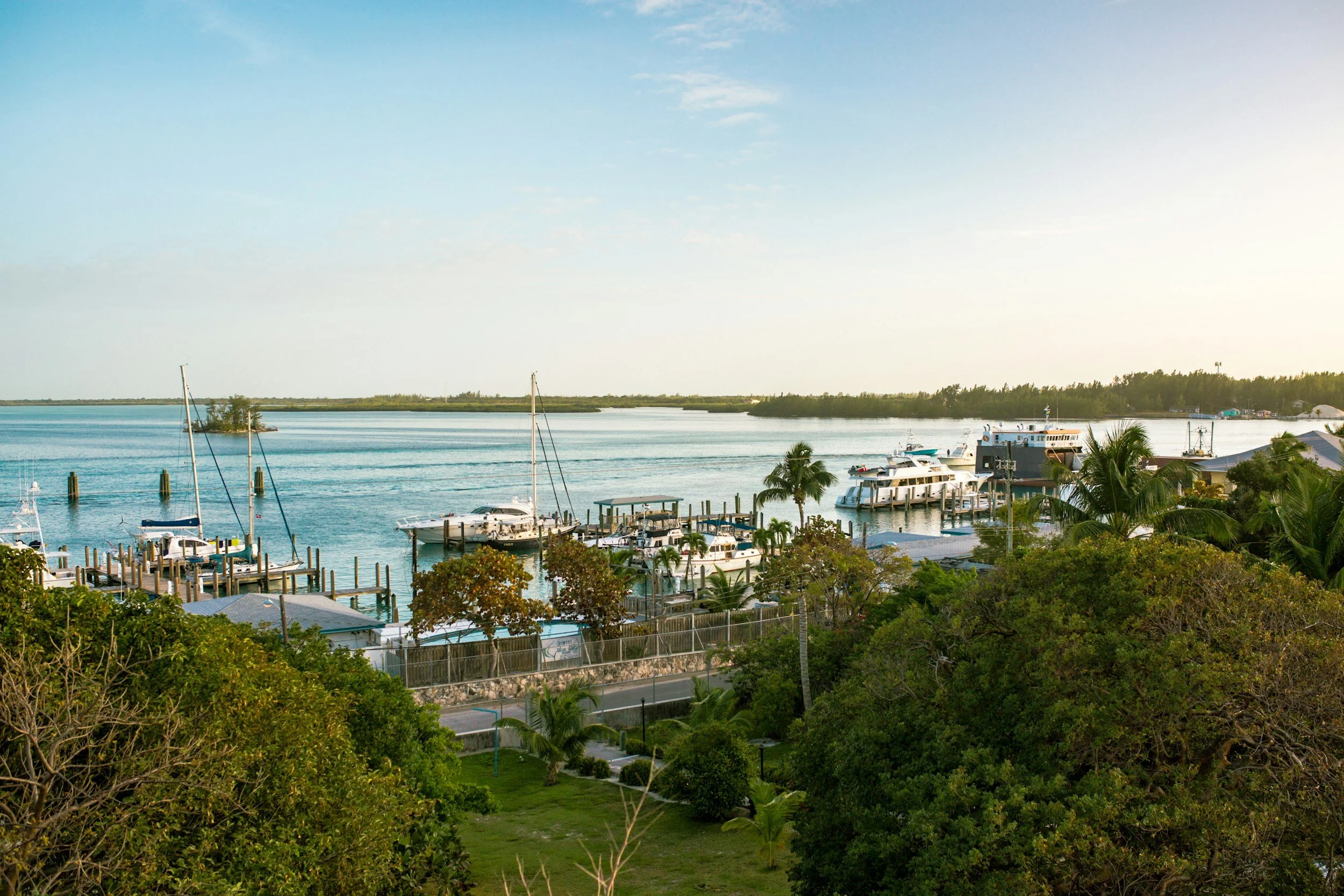
Bimini runs on marina time. Ferries from Florida, fishing charters loading at dawn, boats returning by late afternoon — this rhythm sets the pulse. North Bimini holds the action: Alice Town's waterfront, Resorts World at the north end, and the Radio Beach corridor in between. South Bimini is quieter and primarily a transit point for the airport.
The water is the show. West-facing beaches catch afternoon light against white sand and shallow turquoise that deepens where the Gulf Stream passes close. Radio Beach is the social anchor; walk south to Blister Beach and the crowd thins. Evenings migrate to dock bars where the day's catches get weighed and debated.
This is not a beach-resort island. Alice Town has a roughness — peeling paint, golf cart congestion on busy weekends, local bars with character and no pretense. Resorts World sits two miles north as a self-contained bubble; the gap between resort and local experience is wider than most visitors expect.
Locals Know — The Healing Hole is real, but getting there takes effort. Found within the mangrove swamp on North Bimini's east coast, this mineral-laden freshwater pool is reached by boat and local guide. The surrounding mangroves are also where mosquitoes are worst — this is not a casual stroll.
What we love:
Bimini works because it doesn't try to be something it's not. The Gulf Stream runs close, the water is impossibly clear, the fishing is world-class, and the marina culture creates a social atmosphere that feels earned rather than manufactured. For travelers who want personality over polish, it delivers.
Travelers praise the water clarity, fishing, Florida proximity, and dock-bar atmosphere. What catches people off guard: limited dining, rowdy ferry weekends, and beaches that are beautiful but compact — not the sweeping empty stretches the Bahamas name suggests. Locals and repeat visitors alike describe Bimini as a salty, spirited, no-pretense island that rewards those who come for the water and the dock-bar camaraderie, especially for travelers who enjoy fishing culture and spontaneous social energy, while those who prefer quiet beaches, dining variety, or resort polish tend to find the island's range too narrow for more than a long weekend.
Where we eat:
Dining on Bimini clusters around two zones — the Alice Town waterfront (Stuart's Conch Stand for the island's best conch salad, the Big Game Club marina restaurants, Island House for late-night local food) and Resorts World's Fisherman's Village. Local spots are cash-preferred and no-frills; resort dining runs resort prices. Bimini Bread — a slightly sweet, yeasty local loaf — is the island's one genuine food signature worth seeking out.
Where we go:
Most visitors stay on North Bimini and move by golf cart — rentals run $90–115/day for a 4-seater. Alice Town is walkable but the stretch between town and Resorts World requires wheels. South Bimini is a short ferry ride and home to the Bimini Biological Field Station (Shark Lab) and quieter Bimini Sands Beach. Honeymoon Harbour, a sandbar with stingrays, is the island's most popular boat excursion.
About this section:
This section is built from publicly shared traveler perspectives and credible regional reporting. We treat it as sentiment and cross-check factual claims where possible. We intentionally limit dependence on review marketplaces where paid, promotional, or otherwise unrepresentative input can blur the picture.
Identity
Vibe Descriptors
Boaty · Social · Breezy · Compact · Unpolished
……….
Core Audience
Florida boaters, fishing enthusiasts, and weekend adventurers who want the closest Bahamas crossing with genuine Out Island character and lively marina energy.
……….
Best For (Trip Types)
Adventure & Exploration · Nightlife & Party · Diving & Snorkeling · Sailing & Boating
……….
Known For
World-class big-game fishing, Gulf Stream proximity, Hemingway heritage, wild dolphin and hammerhead shark encounters, and a dockside social scene that runs on salt air and rum.
……….
Trip Thread Theme(s)
Friction & Tradeoffs (Read This Before You Book)
Cost Pressure: Bimini spans a wide range — local guesthouses and conch stands are affordable, but Resorts World pricing sits firmly at resort-island levels with little in between. Golf cart rentals ($90–115/day) are a necessary expense for anyone staying outside walking distance of Alice Town. The gap between "local Bimini" and "resort Bimini" costs is sharper than most travelers expect.
Mobility / Getting Around: The islands are small and flat, so golf carts and bikes cover everything on North Bimini. Alice Town is walkable, but the stretch between town and Resorts World is not — a golf cart is essential rather than optional for anyone who wants both. South Bimini requires a ferry. Unlike most Bahamas Out Islands, you do not need a rental car, but you do need a plan for how you'll move on busy weekends when golf cart traffic congests.
Autonomy vs Structure: Bimini is spontaneous for boaters and anglers — launch from the marina, follow the water, come back when you're done. For non-boaters, the island's activity range is narrower: Radio Beach, a few dock bars, Resorts World's pool and casino, and boat excursions that need booking. Travelers who prefer roaming and discovering will find the loop gets familiar quickly.
Crowd Texture: Weekdays on Bimini can feel surprisingly calm — a working island with a manageable population. Ferry weekends and holiday periods change the character entirely, bringing a surge of Florida boaters and day-trippers that concentrates at Alice Town and Radio Beach. Cruise ship traffic is occasional and less impactful than the ferry-driven weekend spikes. The social energy is lively rather than overwhelming, but it is sharply time-dependent.
Culture Access: English-speaking and culturally accessible, Bimini doesn't present a language barrier. But "cultural access" here means engaging with a fishing-and-marina community, not exploring museums, markets, or heritage districts. The Dolphin House Museum is quirky and worth a stop. The Hemingway connection is atmospheric — the Compleat Angler Hotel where he stayed burned down in 2006 — rather than artifact-based. Dining is limited (score: 2/5), and most local spots are cash-preferred.
Variety Ceiling: This is a 2–3 day destination for most travelers. The fishing, diving, and marina scene are genuinely world-class, but the island's dining options, nightlife range, and beach variety are narrow enough that travelers who aren't water-focused tend to feel they've seen everything within 48 hours. Those who come specifically for the sport and the social scene find it inexhaustible; those looking for broader variety will hit the ceiling.
Sand & Sea Character
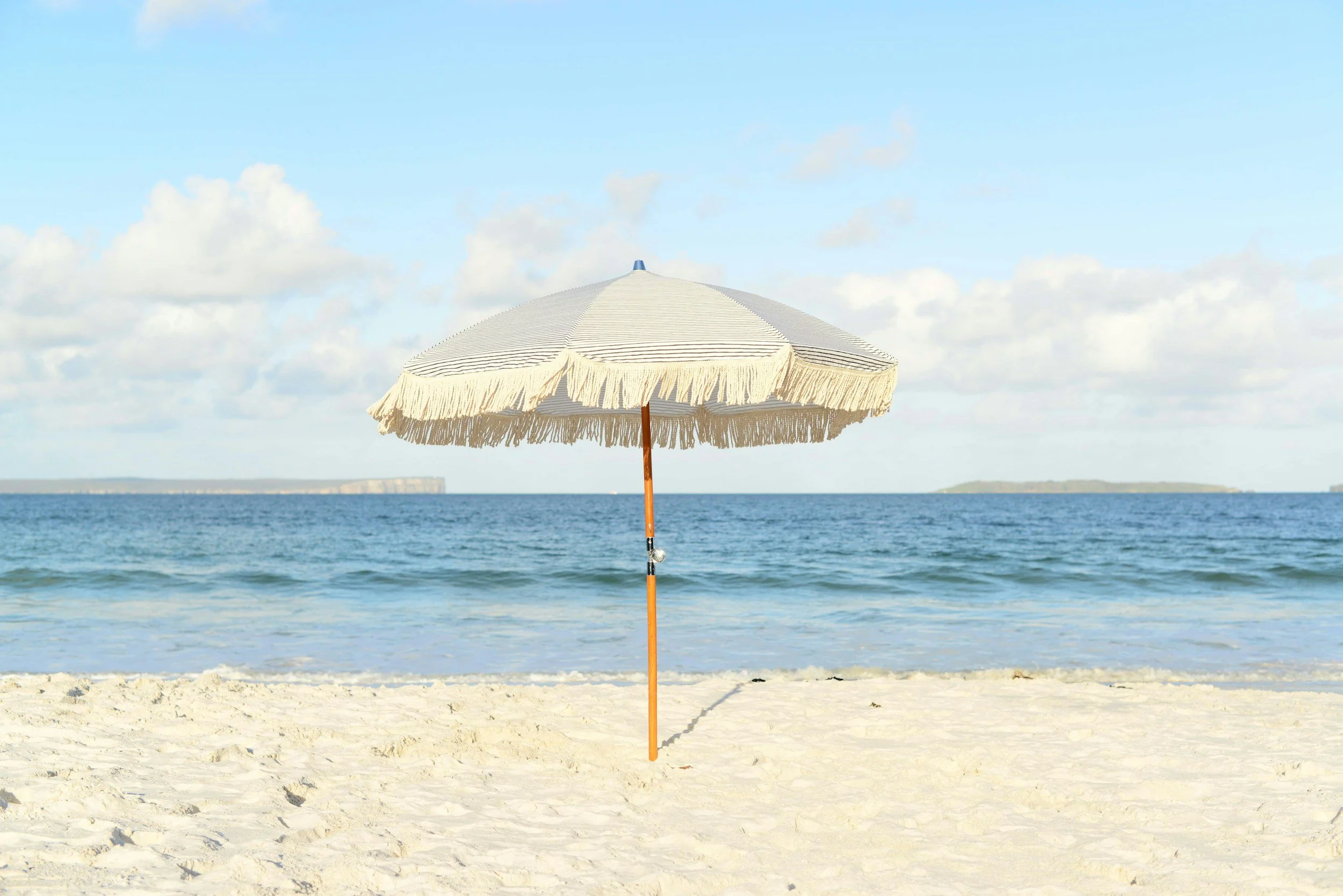
Bimini's beaches line the west shore of North Bimini — a corridor of white sand that runs from Radio Beach south through Blister Beach and Spook Hill Beach. The sand is fine, coral-derived, and soft underfoot — the kind that packs firm near the waterline and stays powdery higher up. The color is consistently white, with no volcanic or dark-sand variation anywhere on the island. Regional differences are more about crowd and character than geology: Radio Beach is the social hub with vendors and chairs, Blister Beach is the same sand with fewer people, and Spook Hill Beach has the most local character — its proximity to a cemetery keeps day-tripper volume down. On South Bimini, Bimini Sands Beach offers a quieter two-mile strip backed by thatch palm and native vegetation, but access requires a ferry. For the most striking sand, repeat visitors point to the southern cays — Cat Cay and the smaller islands — reachable only by private boat or charter. Base along the Radio Beach corridor for easy access and energy; base on South Bimini for ecological quiet and diving proximity.
The water around Bimini scores at the top of the collection for both color and clarity — electric turquoise in the shallows grading to deep cobalt where the Gulf Stream runs close. Clarity is exceptional on the protected west side, where all the named beaches face; the east coast is mangrove-heavy with no swim beaches. Color shifts are depth-driven, not seabed-driven — white sand everywhere means the shallow water reads bright turquoise, deepening to blue beyond the reef line. Wave behavior is calm on the west shore, protected from Atlantic swells, making Radio Beach through Spook Hill genuinely swim-easy for wading, floating, and casual snorkeling. The east side and open water beyond the reef are where conditions shift — the Gulf Stream itself can produce strong currents, and offshore diving sites demand experience. For turquoise-water-and-calm-swimming seekers, the North Bimini west shore is ideal. For serious diving and snorkeling — shipwrecks, reef walls, hammerhead encounters — Bimini's offshore sites are the draw, even though the water reads deeper-toned at depth. For dramatic open-water photography and sportfishing scenery, the Gulf Stream edge delivers what no beach can.
Explore Bimini — Map & Highlights
Bimini sits at the western edge of the Bahamas, barely fifty miles from the Florida coast — the closest Bahamian island to the United States and the gateway to the Gulf Stream's deep blue current. Exploring Bimini is compact and water-oriented: North Bimini holds nearly everything a visitor touches — Alice Town's waterfront, the marina complex, and the Radio Beach corridor — while South Bimini is quieter, home to the airport and the Shark Lab. Movement happens by golf cart, by foot in Alice Town, and by boat for everything offshore. This is not an island you drive across or discover over days of wandering — it's one you learn quickly on land and then explore outward, into the water. The map below is curated for orientation and decision-making, not as a comprehensive directory — it marks the places that shape where you base yourself and how you spend your days.
Beaches
Bimini's beaches concentrate along North Bimini's west shore — a connected corridor of white sand from Radio Beach south through Blister Beach and Spook Hill Beach. Radio Beach is the island's social center, with vendors, chairs, and cruise-day energy. Walk south and the crowd drops off sharply. South Bimini offers Bimini Sands Beach for quieter days, though access requires a ferry. The southern cays (Cat Cay and others) have the most striking sand but are boat-access only. Base on North Bimini's west shore for convenience and swim-easy water; cross to South Bimini for solitude.
Food & Drink
Dining on Bimini clusters in two zones: Alice Town's waterfront — anchored by the Big Game Club marina, Stuart's Conch Stand, and a handful of local bars — and Resorts World's Fisherman's Village at the island's north end. The two zones feel like different islands: Alice Town is cash-preferred, no-frills, and genuinely local; Resorts World is resort-priced and self-contained. Bailey Town, between the two, has Edith's Pizza and a few small local kitchens. Food-driven travelers should base near Alice Town's marina for the most character.
Activities
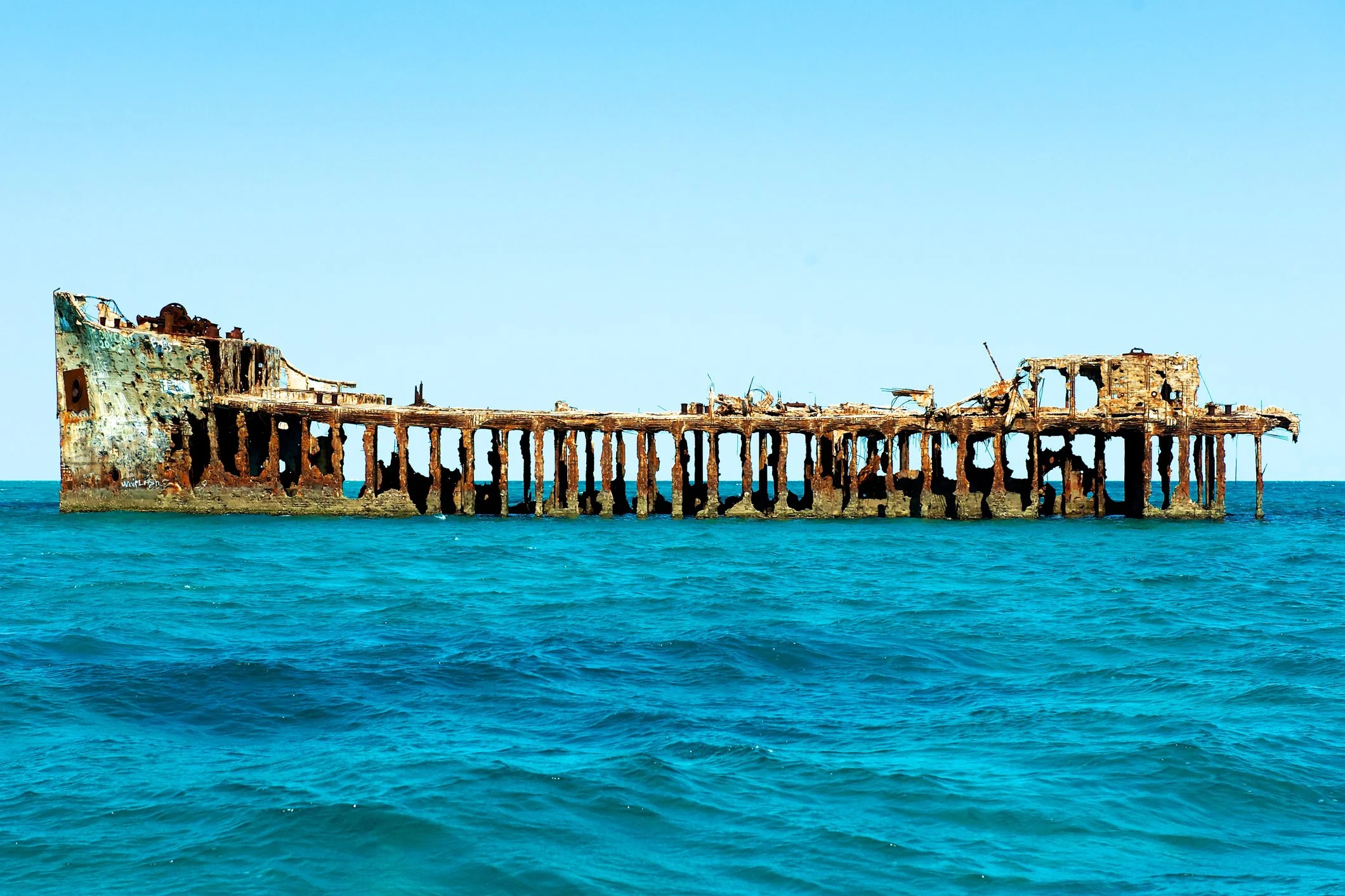
Bimini's activity profile is water-first. Big-game fishing charters, shark diving (hammerheads in winter), wild dolphin swims, and shipwreck snorkeling are the primary draws — all booked through marina operators or the Shark Lab on South Bimini. On land, the Dolphin House Museum, the Healing Hole (mangrove kayak with guide), and Honeymoon Harbour (stingray sandbar, boat-only) round out the options. Activity density is highest around the Alice Town marina complex, and most experiences require advance booking.
Where to Stay on Bimini
Bimini is compact but divided — where you stay shapes whether your trip feels like a marina adventure, a resort escape, or an ecological retreat. North Bimini holds the island's social energy, split between Alice Town's local waterfront and the Resorts World complex. South Bimini offers a fundamentally different, quieter experience. Below, The Trip Thread has listed the best areas to stay in Bimini — each offering a different balance of privacy, scenery, and local character. Each area is located on the above map for easy exploration.
Alice Town / Marina District — The Island's Salty Heart
Alice Town is where Bimini's identity lives — the Big Game Club marina, the dock bars, Radio Beach, and the conch stands that have fed anglers for decades. Staying here puts you at the center of the island's fishing culture and social energy, within walking distance of everything that makes Bimini feel like Bimini. The buildings are weathered, the streets are narrow, and the atmosphere is unpolished in the way that matters. On ferry weekends, Alice Town is the epicenter of the crowd surge — which is part of the appeal for social travelers and a reason to plan around for those who aren't.
Why stay: Walking distance to beaches, marina, dining, and nightlife — the most immersive Bimini experience.
Why not: Rougher edges than the resort, no pool, and ferry weekends bring real crowd pressure.
Resorts World Bimini — Resort Infrastructure, Island Setting
Resorts World sits at North Bimini's north end — a self-contained complex with pool, casino, beach club, restaurants, and a rooftop bar. It's the only property on the island that delivers a conventional resort experience, and it functions as its own ecosystem. Guests who stay here and never leave the complex will have a comfortable but geographically limited Bimini experience. Alice Town is two miles south — reachable by golf cart ($5 taxi, or $90+/day rental) — and Resorts World does not organically integrate with the rest of the island. Choose this if you want resort comforts with Gulf Stream water; know that the real Bimini requires leaving the grounds.
Why stay: Pool, casino, restaurants, and beach club — the most comfortable option on the island.
Why not: Separated from Alice Town and local character; requires a golf cart to experience anything beyond the resort.
South Bimini — Ecological Quiet and Diving Access
South Bimini is a different island in practice — quieter, residential, and home to the Bimini Biological Field Station (Shark Lab) and Bimini Sands Resort & Marina. Most visitors arrive at South Bimini Airport and immediately ferry north; travelers who stay here are making a deliberate choice for ecological immersion over social energy. Bimini Sands Beach is a calm two-mile strip, and the Shark Lab offers tours and research experiences. There is no nightlife, no dining variety, and no walkable town — what South Bimini offers is genuine quiet and proximity to the island's marine science community.
Why stay: Quiet beaches, Shark Lab access, and the most peaceful base on the island.
Why not: No nightlife, limited dining, and a ferry ride from everything on North Bimini.
Practical Snapshot
-
Bimini's prime season depends on what you came for. March through July is peak fishing — marlin and tuna run strong through the summer months, with seasonal tournaments anchoring the calendar. Winter brings wahoo season and the island's famous hammerhead shark diving. Hurricane season runs June through November, with the highest risk August through October. Shoulder months offer calmer conditions and thinner crowds, especially midweek.
-
The Bahamian dollar is pegged 1:1 to the US dollar, and USD is accepted everywhere — no exchange needed. Resorts World and the Big Game Club take credit cards, but local restaurants, conch stands, taxi drivers, and golf cart rental shops are cash-preferred or cash-only. ATM availability on the island is limited and unreliable — withdraw enough cash before arriving or bring it from Florida.
-
English is the primary language across Bimini and The Bahamas generally. No language barrier for visitors — conversations flow easily in Alice Town, at the marina, and at the resort.
-
Bimini is reachable by fast ferry from Fort Lauderdale's Port Everglades (about two hours), small commuter flights to South Bimini Airport, or private boat across the Gulf Stream — roughly fifty miles from the Florida coast. Arriving by ferry or flight, you'll land at South Bimini and take a short ferry to North Bimini where most accommodation and activity concentrates. Many visitors — especially boaters — make their own crossing, which is part of the island's culture and identity.
-
Bimini's cost range is wider than the island is long. Local guesthouses and conch stands keep things affordable; Resorts World pricing runs at full resort-island levels. Golf cart rental is a near-mandatory expense at $90–115/day. Local lunches = 💲, guesthouses and marina lodges = 💲💲, Resorts World weekend stays = 💲💲💲.
-
Bimini's nightlife is marina-social, not club-driven. Evenings center on dock bars along Alice Town's waterfront where fishing stories mix with rum and sunset. Resorts World's rooftop bar and casino keep later hours. Energy is sharply weekend-dependent — midweek is quiet, ferry weekends are lively and loud.
-
Golf carts are Bimini's primary transport — the islands are flat, small, and have no need for a car. Rentals run $90–115/day for a 4-seater, $130–150 for a 6-seater, and you'll need a valid driver's license. Driving is on the left. Alice Town is walkable for food, bars, and Radio Beach. The stretch between Alice Town and Resorts World (about two miles) is not comfortably walkable — budget for a cart or $5 taxi rides. South Bimini requires a ferry.
-
Bimini is one of the safest destinations in the collection — roughly 2,500 residents, no gang activity, and a low crime profile. The US State Department's Level 2 Bahamas advisory is driven by Nassau and Grand Bahama concerns, not the Out Islands. Standard precautions apply in Alice Town's dock bars at night, which are local and rough-edged but not dangerous.
For solo travelers, Bimini is small, English-speaking, and socially friendly. The marina culture makes conversation easy. Use standard nighttime awareness on ferry weekends when Alice Town gets rowdy.
For LGBTQ+ travelers, same-sex relations are legal in The Bahamas (since 1991), but there are no anti-discrimination protections and social attitudes are conservative. Bimini is a tight-knit community where public same-sex affection may draw attention — quiet non-engagement rather than hostility. Exercise discretion off-resort.
-
Tap water is treated but most visitors drink bottled. Voltage is 120V/60Hz — same as the US, no adapter needed. Sundays are quiet with many local businesses on reduced hours. Mosquitoes are genuine, especially near mangroves and in summer — bring repellent.
-
The Bimini Biological Field Station (Shark Lab) has operated on South Bimini since 1990, studying sharks and marine life across mangrove nursery habitat that supports lobster, conch, grouper, and sea turtles. A North Bimini Marine Reserve has been proposed as a No Take zone, though formal designation is unconfirmed. Sargassum is less of a concern here than on eastern Caribbean islands — west-facing beaches and the Florida-Cuba barrier reduce accumulation.
Compare Similar Caribbean Destinations
Thinking about Bimini, Grand Bahama, or Abaco (Bahamas)? Here’s how these greater Caribbean destinations differ in rhythm and culture.
BIMINI
Vibe & Energy: Salty, social, and marina-first — Bimini pulses with the rhythm of fishing boats, dock bars, and Gulf Stream crossings.
Dining & Culture: Conch shacks, dock-bar grills, and Bimini Bread — food is simple and seafood-forward, with the Big Game Club marina as the cultural center.
Cost & Crowds: Budget to resort-level range with sharp weekend crowd spikes from the Florida ferry; midweek feels like a different island.
Accessibility: The easiest Bahamas crossing from Florida — fifty miles by boat, two hours by ferry, or a short commuter flight.
Nightlife / Social Scene: Dock-bar social energy on weekends, quiet midweek; Resorts World casino and rooftop bar for a more polished evening.
Best For: Florida boaters, big-game anglers, and weekend adventurers who want Bahamas water without Bahamas distance.
GRAND BAHAMA
Vibe & Energy: Friendly, spacious, and laid-back — Grand Bahama feels like the Bahamas with training wheels, approachable and unhurried.
Dining & Culture: More dining range than Bimini — proper restaurants around Port Lucaya, local spots, and enough variety for a week without repetition.
Cost & Crowds: Mid-range pricing with heavy cruise-port crowds at Lucaya; east-end beaches stay quieter regardless of ship schedules.
Accessibility: Direct flights and ferries from Florida, easy connections from Nassau — the most connected Out Island in the chain.
Nightlife / Social Scene: Port Lucaya delivers bars, live music, and a walkable evening scene — more varied and more structured than Bimini's marina energy.
Best For: First-time Bahamas visitors, families, and travelers who want Out Island beaches with reliable infrastructure and more to do on land.
ABACO
Vibe & Energy: Colorful, nautical, and island-hopping — Abaco is the Bahamas for travelers who want to move between cays, not stay in one place.
Dining & Culture: Charming settlement bars, cay-to-cay variety, and Nipper's Sunday pig roast on Great Guana Cay — more culinary character spread across more stops.
Cost & Crowds: Mid-to-upper pricing with low tourism saturation; ferry logistics add planning friction but keep crowds thin.
Accessibility: Flights to Marsh Harbour, then ferry-hopping between cays — more complex arrival than Bimini but rewarding for travelers who plan.
Nightlife / Social Scene: Quiet weekdays, festive weekends — bar culture lives on individual cays, especially Hope Town and Great Guana Cay.
Best For: Sailing-first travelers, island-hoppers, and families who want colorful villages, genuine boating culture, and a longer, slower Bahamas experience.
Pick Bimini if: you want the shortest crossing from Florida, world-class fishing, and a spirited weekend on the water.
Pick Grand Bahama if: you want more dining variety, proper beaches, and an easy first Bahamas trip with reliable infrastructure.
Pick Abaco if: you want to island-hop between colorful cays, sail, and build a week-long Bahamas itinerary across multiple settlements.
Tie-breaker: how far from Florida do you want to go, and how long do you want to stay?
Local Truths
Bimini gets rowdier on ferry weekends than weekday visitors expect. The Friday afternoon ferry from Fort Lauderdale transforms the island's energy — golf cart traffic congests, dock bars fill, and Alice Town's social volume rises sharply. Locals talk about the timing of your trip as much as the place itself. If you want quiet Bimini, come midweek.
~~~~~
The island's marina-and-fishing identity matters more than postcard-beach expectations. Residents often correct visitors looking for "quiet pink-sand Bahamas" — Bimini's beaches are beautiful but compact, and the island's real draw is the water you go out on, not the sand you sit on.
~~~~~
Golf carts are normal transport here, but that does not mean traffic feels casual on busy weekends. Cart congestion along the main Alice Town road on peak days is a real logistical factor, not a charming quirk. Locals treat it as part of the reality of sharing a very small island with a surge population.
~~~~~
Shark diving in winter is one of the island's most serious draws. Hammerhead season (roughly December through March) brings divers from around the world, and locals talk about it with more specificity than the broader "beach trip" framing — what site, which operator, how the water has been running.
~~~~~
Resorts World Bimini is geographically separated from the rest of the island and does not organically integrate with it. The tram from the cruise pier goes to Fisherman's Village and the casino, not to Alice Town. Guests who want the real island need to rent a golf cart and drive two miles south. Locals distinguish sharply between "Resorts World visitors" and "Bimini visitors."
~~~~~
The Compleat Angler Hotel — where Hemingway stayed and wrote — burned down in 2006, taking the photographs and memorabilia with it. What remains of the Hemingway connection is the fishing culture, the Gulf Stream, and the Big Game Club marina where catches are still weighed. The reference is real but atmospheric, not artifact-based.
~~~~~
Bimini's proximity to Florida shapes the vibe more than any other factor. Residents are used to fast-turn weekend visitors, which is why the island can feel more social and rough-edged than other Bahamian escapes. This is the Bahamas where people arrive by their own boat, stay two nights, and leave — and the island has organized itself accordingly.
~~~~~
Martin Luther King Jr. wrote parts of his Nobel Peace Prize acceptance speech on Bimini — a lesser-known connection than Hemingway's, but equally documented and historically significant. The island's history runs deeper than fishing mythology.
~~~~~
South Bimini gets mentioned by locals precisely because many visitors don't realize how built-up North Bimini can feel around the marina zone. For travelers who want quiet beaches and ecological character, South Bimini — with the Shark Lab, Bimini Sands Beach, and genuine residential calm — is a deliberate and rewarding alternative.
~~~~~
Mosquitoes on Bimini are a real issue, not a footnote. The mangrove-heavy east coast of North Bimini and most of South Bimini are significantly worse than the west-side beach strip. Summer months are peak. Repeat visitors specifically warn about this — bring repellent and expect it.

Bimini Travel Questions, Answered
Here's what travelers ask most about Bimini — answered with clarity and without the hype.
1. Is Bimini expensive?
Bimini's costs split sharply between two experiences. Local guesthouses, conch stands, and Alice Town's dock bars are genuinely affordable — comparable to other Bahamas Out Islands. Resorts World pricing sits at full resort-island levels, and golf cart rental ($90–115/day) is a near-mandatory added cost. The widest price gap on the island is between a plate of cracked conch at Stuart's and a dinner at The Tides — Bimini offers both, but little in between.
2. When's the best time to visit?
March through July is prime fishing season — marlin and tuna run strong through summer, with seasonal tournaments anchoring the calendar. Winter months bring hammerhead shark diving, one of Bimini's most distinctive draws. Hurricane season spans June through November, with peak risk in August and September. Midweek visits in any season deliver a noticeably calmer island than ferry weekends.
3. Which area should I stay in?
Bimini offers three distinct base choices. Alice Town puts you at the center of the marina, dock bars, and Radio Beach — the most immersive and social option. Resorts World delivers resort infrastructure (pool, casino, restaurants) but sits two miles north and feels self-contained. South Bimini is the quiet, ecological choice — Shark Lab access, Bimini Sands Beach, and genuine residential calm, but a ferry ride from everything else.
4. Do I need a car?
No car needed — and none available. Bimini runs on golf carts, bikes, and walking. Alice Town is walkable for beaches, food, and bars. The stretch between Alice Town and Resorts World requires a golf cart or taxi ($5). Golf cart rentals run $90–115/day and you'll need a valid driver's license. Driving is on the left — a surprise for some Florida visitors making the short crossing.
5. Is it safe for solo or LGBTQ+ travelers?
For solo travelers, Bimini is safe and manageable — small, English-speaking, with a friendly marina culture. Standard nighttime awareness applies in Alice Town's dock bars on ferry weekends, but serious crime targeting visitors is not a documented concern.
For LGBTQ+ travelers, same-sex relations are legal in The Bahamas (since 1991), but no anti-discrimination protections exist and social attitudes are conservative. Public same-sex affection may draw attention on this tight-knit island. The environment is quiet non-engagement rather than hostility — exercise discretion off-resort.
6. How does it compare to nearby islands?
Bimini is the closest Bahamas to Florida and the most marina-focused island in the chain — compare it to Grand Bahama for a more developed, family-friendly Out Island experience with better dining and proper beaches, or to Abaco for colorful cay-hopping, sailing culture, and a longer, slower Bahamas itinerary. Bimini wins on proximity and fishing intensity; Grand Bahama wins on variety; Abaco wins on nautical range and charm.
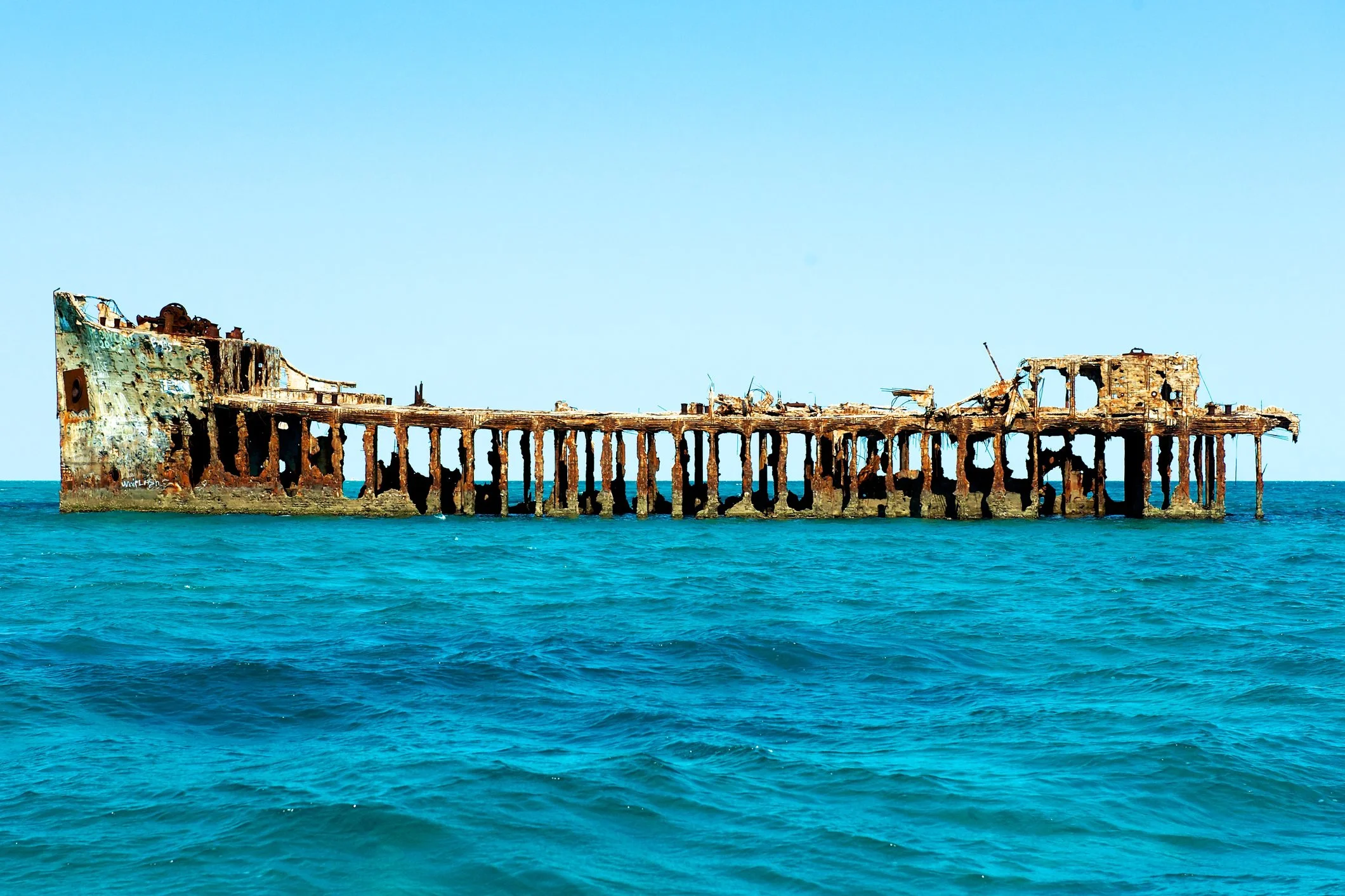
Why This Guide Changes With the Island
Bimini never stays still — fishing tournaments shift dates, dock bars change owners, and the Gulf Stream keeps reshaping what divers find beneath the surface. This guide evolves with it. Locals share updates, travelers add discoveries, and we keep refining what you see here so every detail reflects the island as it is now — not a memory of what it used to be.
If Bimini's marina energy and Gulf Stream access speak to you, Grand Bahama offers a more spacious, family-friendly Out Island experience with broader dining and beach range, while Abaco delivers the Bahamas' finest cay-hopping and sailing culture across colorful settlements you can explore for a full week.
Find Your Thread
Every traveler connects differently. Maybe Bimini is your match — maybe you'll find your rhythm somewhere else in the Greater Caribbean. Either way, this is what The Trip Thread is about: rediscovering the joy of travel, and the element of discovery that should accompany it. Explore more islands across the Greater Caribbean and see how your travel vibe connects through TheTripThread.Guided by locals. Designed for discovery.