The Main Difference
Bequia and St. Lucia are two completely different Caribbean experiences separated by less than 20 miles of ocean. Bequia is tiny, rustic, and proudly off-the-grid—a sailor's island where yachts outnumber cars, locals outnumber tourists, and the vibe is authentically, defiantly slow. St. Lucia is dramatic and varied, anchored by the iconic Pitons, offering luxury resorts, adventure activities, and a lively restaurant scene. Bequia asks you to disappear; St. Lucia invites you to explore and experience. Both are genuinely special; they just serve entirely different travelers.
The honest case for Bequia
☀️
The honest case for St. Lucia
Quick Pick
Choose Bequia if you want:
To truly escape and disappear—no crowds, no cruise ships, no tourism infrastructure
Authentic, local Caribbean life mixed with a strong expat and sailing community
An island where people know your name and travel feels like adventure
Choose St. Lucia if you want:
Drama and variety—stunning scenery, hiking, adventure activities, refined dining
Enough restaurants and amenities that you never wonder what to do
Iconic Instagram moments (the Pitons are unforgettable)
Skip Bequia if:
You want nightlife, luxury resorts, or easily accessible restaurants and bars
You need immediate gratification—Bequia rewards slow travelers with patience for ferry schedules
You're uncomfortable with "rustic" or enjoy predictability and modern convenience
Skip St. Lucia if:
You want to feel truly undiscovered—cruise ships and tourism are visible (especially Castries)
You're budget-conscious—luxury resorts and dining are expensive
You dislike driving uphill on narrow roads (St. Lucia's terrain is seriously challenging for driving)
What a Day Feels Like
A day in Bequia
Morning: You wake up to roosters, walk to a beach or waterfront for coffee, and chat with locals who know your name. The island feels deeply quiet and unhurried. You might visit the ferry docks and watch yachts.
Afternoon: You're at a beach (Friendship, Lower Bay, or Princess Margaret) with maybe a handful of other people. You might swim, snorkel, or just sit and read. Time moves slowly. You grab lunch at a casual beach shack (fresh fish, local fare).
Night: You have dinner at one of a few spots—casual, local-focused, affordable. The island goes quiet by 9 PM. There's occasional live music or a beach bonfire, but mostly you relax, read, and talk to other travelers and locals. You feel like you've really left civilization behind.
A day in St. Lucia
Morning: You wake in a resort or plantation inn with views of the Pitons (if you're in the right spot). There's energy in the air—other guests, activities being organized, the sense of a destination with things to do.
Afternoon: You're either on a beach (Reduit in the north is lively; Marin Bay is calm), hiking Gros Piton or Piton Mitan, ziplining through the rainforest, or snorkeling. The variety is real. Or you're exploring Castries or Rodney Bay and the tourism infrastructure is visible and present.
Night: You have dinner at a good restaurant (St. Lucia has a solid dining scene—local, French, upscale). There's actual nightlife in Rodney Bay or at resort lounges. The island feels alive and active.
Where Each Destination Wins
1) Energy & atmosphere
Bequia pulses with authentic, local energy—sailors, expats who chose to stay, locals running small shops and restaurants. It's genuinely Caribbean without tourism polish. The pace is extremely slow. St. Lucia has varied energy depending on where you are—Rodney Bay is lively and touristy, Soufrière is scenic and slower, but everywhere there's a sense of activity and organized tourism. Bequia wins on authenticity; St. Lucia wins on energy and vibrancy.
2) Beach & water feel
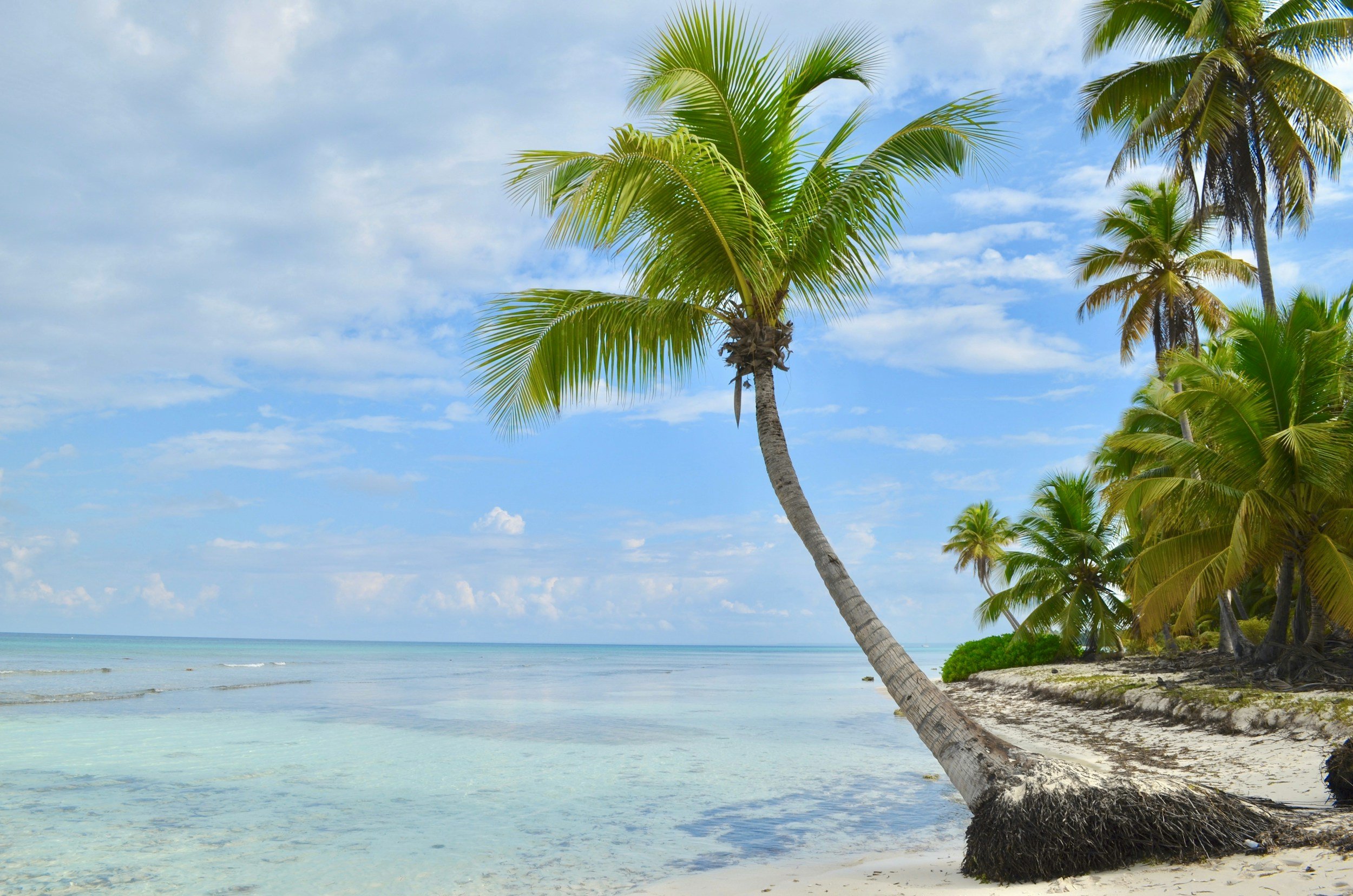
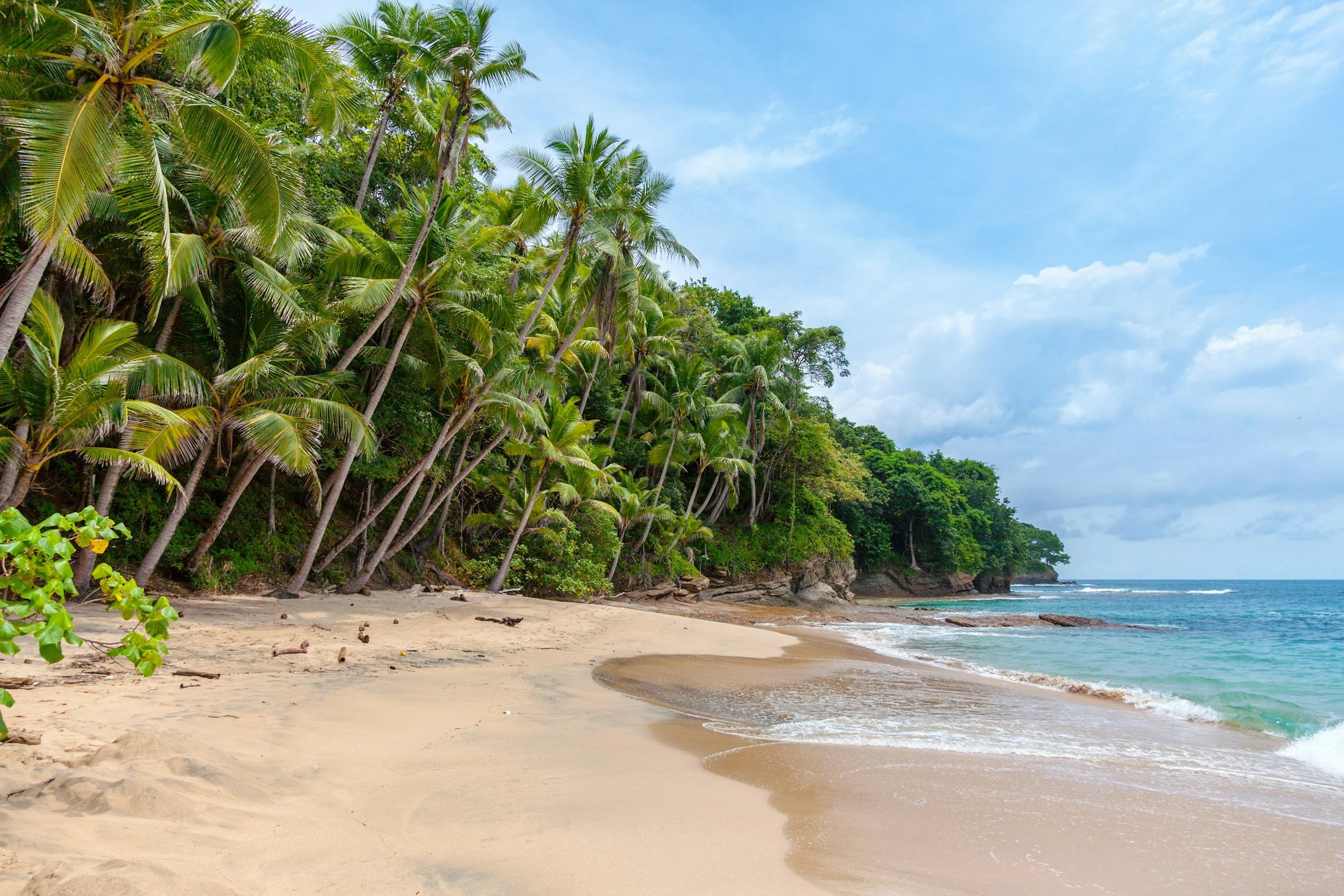
Bequia has white sand beaches in a few key spots (Friendship, Lower Bay, Princess Margaret)—small, intimate, and rarely crowded. The water is clear and turquoise. Snorkeling is good. St. Lucia has varied beaches (Reduit is long and lively, Marin Bay is calm) but some have volcanic/black sand, not classic white. The water is beautiful but varies by bay. Bequia wins on classic Caribbean beach consistency; St. Lucia offers beach variety and some compromises on sand color and type.
3) Food + night energy
St. Lucia dominates—it has a real dining scene with upscale restaurants, French influences, local seafood, and international options. Rodney Bay has nightlife (bars, lounges, occasional clubs). Dinner is an experience. Bequia has casual, local spots that are affordable and good but limited in variety and refinement. There's almost no nightlife. You eat where you can and accept simplicity. St. Lucia is a destination for food and nightlife; Bequia is not.
4) Crowds + tourism feel
Bequia has almost no cruise ships and very few tourists—the island genuinely feels off-grid and uncrowded. Tourism infrastructure is minimal by design. St. Lucia has heavy cruise traffic (Castries can feel touristy), visible resort development, and a tourism-focused infrastructure. Both are beautiful, but Bequia feels like you've truly escaped. St. Lucia feels like a destination.
5) Value for what you get
Bequia is budget-friendly ($-$$)—accommodations are simple, food is cheap, and the island rewards low-spending travelers. The trade-off is amenities and comfort are basic. St. Lucia is pricier ($$-$$$, with luxury resorts $$$$) but you're getting developed infrastructure, activities, dining variety, and natural beauty. Bequia feels like exceptional value for the price; St. Lucia feels expensive but justified if you want luxury and variety.
A note on what comparisons can't capture
A comparison only tells you how two islands differ. It doesn't tell you what either one is actually like. If you're leaning one way, that's what the destination pages are for.
☀️
Honest Downsides
Bequia — Honest downsides
Very limited dining and nightlife options. There are a handful of restaurants, all casual and simple. If you want to eat out every night, you'll run out of options fast. No nightlife scene to speak of—evenings are quiet.
Accommodations are rustic and basic. There are no luxury resorts on Bequia. Your options are small inns, guesthouses, and Airbnbs. Amenities are minimal, and comfort expectations should match. This is intentional but not for everyone.
Ferry dependence is real. Getting to Bequia requires flying to St. Vincent, then ferrying. The ferry runs several times daily but adds logistics, potential delays, and cost. You're committed once you're there.
Limited activities beyond beach and sailing. Bequia is 7 square miles. Once you've swum, snorkeled, and sat on the beaches, there's limited adventure or exploration. This is fine if you want to slow down; it's limiting if you want activity variety.
St. Lucia — Honest downsides
Hilly terrain and left-side driving make getting around challenging. Roads are steep, narrow, and curvy. Driving is slow, time estimates are deceptively long, and rentals are stressful for many travelers. Taxis are expensive and necessary for many.
Cruise ship presence is visible, especially in Castries. The island isn't overrun, but on port days you'll see crowds and tourism infrastructure. It doesn't feel as untouched as smaller islands.
Beaches have volcanic/black sand in many areas, not classic white. The black sand is beautiful but unexpected for some travelers—it heats up fast and feels different. Not every beach is the same.
Some sargassum seaweed in summer months. This can affect beach quality, especially June–August. It's not a dealbreaker but worth knowing if you're traveling peak summer.
Practical Reality
Best months: Bequia: December–April (dry); May–June cheaper and quieter. St. Lucia: December–April (shoulder season: July & November also good)
Budget: Bequia: $-$$. St. Lucia: $$-$$$ (luxury resorts $$$$)
Cruise impact: Bequia: None (no cruise ports). St. Lucia: Heavy (Castries is a major cruise port)
Car: Bequia: Not needed for most people; walk or take taxis for beaches. St. Lucia: Helpful for exploring, but challenging due to terrain (left-side driving, steep/narrow roads); shuttles and taxis available
Bequia: the full read
☀️
St. Lucia: the full read
Frequently Asked Questions
Which is easier to get to — Bequia or St. Lucia?
St. Lucia is dramatically more accessible. It has two airports — Hewanorra International in the south and George F.L. Charles in the north — with direct flights from major US and UK cities. Bequia requires either flying to St. Vincent and taking the one-hour Bequia Express ferry, or flying via Barbados and connecting to a small prop plane into Bequia's tiny airstrip, or chartering a small aircraft directly. The ferry from St. Vincent takes about an hour each way and runs on a schedule that needs to be planned around. Getting to Bequia is genuinely part of the experience, and it filters the crowd — but travelers who want low-friction arrival will find St. Lucia far simpler.
Which is better for adventure and outdoor activity?
St. Lucia, by a significant margin for structured adventure. The twin Pitons — twin volcanic peaks rising from the sea — are UNESCO World Heritage listed and anchor a full range of activities: hiking Gros Piton, the drive-in volcano at Sulphur Springs, waterfall hikes through rainforest, ziplining, ATV tours, and catamaran excursions. The island's mountainous interior is genuinely dramatic and rewards exploration. Bequia is beautiful but compact — hiking trails exist and the scenery is lovely, but the island can be seen in an afternoon and the activities are more water-focused than land-based. For travelers who want a destination that physically changes as you move through it, St. Lucia is the richer destination.
Which has better snorkeling and marine life?
Bequia has a genuine edge for casual snorkeling quality and marine density. The waters around Bequia hold 225 varieties of tropical fish, hawksbill and green turtles in high concentration, eagle rays, moray eels, seahorses, and lobsters. Lower Bay Beach offers an accessible beginner reef just offshore, and day trips to the Tobago Cays — a short sail south — deliver some of the best snorkeling in the Eastern Caribbean, with sea turtle encounters considered near-guaranteed. St. Lucia has snorkeling, but water clarity doesn't reach the Grenadines' standard, and the reef experience is less varied. Serious snorkelers and divers will prefer Bequia's world, especially when the Tobago Cays day trip is factored in.
Which is better for a quiet, authentic Caribbean experience?
Bequia, and it's not a close comparison. The island has only about 5,000 residents, no major resort chains, no cruise ships calling regularly, and a pace of life that feels genuinely intact rather than curated for tourism. Locals greet strangers in the street, the island's maritime identity is real and lived-in, and the commercial overlay that defines most Caribbean destinations is largely absent. Admiralty Bay draws visiting yachts, and the waterfront in Port Elizabeth has good restaurants, but the island still belongs to the people who live there. St. Lucia has quieter pockets — particularly around Soufrière and Anse Chastanet — but it has enough tourist infrastructure, cruise ship traffic at Castries, and resort development to feel well-trodden by comparison.
Which is better for a honeymoon or romantic trip?
Both work, but for completely different reasons. St. Lucia is the Caribbean's most celebrated honeymoon destination — the Pitons backdrop, the luxury resort options around Soufrière (Jade Mountain, Sugar Beach, Anse Chastanet), private plunge pools overlooking the sea, and spa culture make it a very intentional romantic machine. Bequia is romantic in a quieter, more accidental way — evenings on the waterfront at Port Elizabeth, uncrowded beaches, small boutique accommodations with genuine warmth, sailing at sunset. The choice is between high-drama scenic luxury (St. Lucia) and intimate, low-key authenticity where romance comes from the island's pace rather than the resort's programming (Bequia).
Can you combine Bequia and St. Lucia on the same trip, and is it worth it?
Yes, and it's one of the more rewarding Eastern Caribbean combinations — but it requires genuine minimum time in each. The recommended approach is to fly into St. Lucia, spend four to five nights exploring the island, then take a regional flight or connect to St. Vincent for the ferry to Bequia for another three to four nights. Two nights in Bequia is not enough — the logistics eat too much of it. The contrast is genuinely satisfying: St. Lucia's drama and resort infrastructure against Bequia's unhurried authenticity. Travelers who have only done the more developed islands tend to find Bequia the revelation of the pair.