The Main Difference
Antigua and St. Lucia are two of the Caribbean's most beloved islands, but they cater to different types of travelers. Antigua delivers flat terrain, pristine white-sand beaches, and an unhurried island vibe that feels effortlessly accessible—you ferry around from one stunning beach to another. St. Lucia trades ease for drama: volcanic landscapes, the iconic Pitons, lush rainforests, and adventure activities that make the scenery the main event. Choose Antigua if you want classic Caribbean ease; choose St. Lucia if you want to be awestruck.
The honest case for Antigua
☀️
The honest case for St. Lucia
Quick Pick
Choose Antigua if you want:
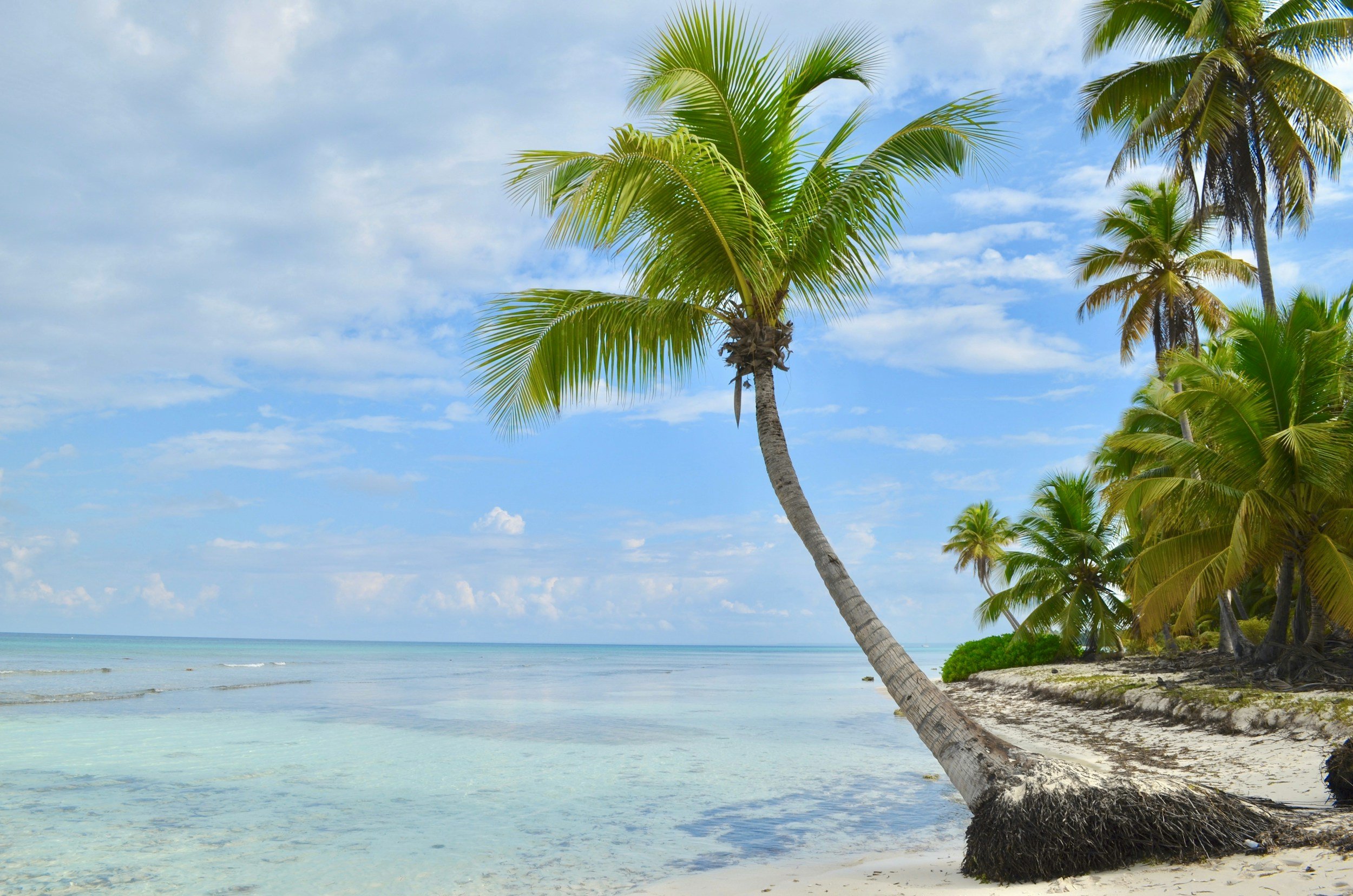
Classic white-sand beaches that match Caribbean postcards exactly
Flat, easy terrain to explore the island by car or boat
A laid-back vibe where beach-hopping and relaxation are the main activities
Choose St. Lucia if you want:
Jaw-dropping natural scenery and dramatic landscapes (hello, Pitons)
Adventure variety: hiking, ziplining, waterfall swims, mud baths, and water sports
A romantic, sophisticated atmosphere with luxury resort experiences as a centerpiece
Skip Antigua if:
You want dramatic landscapes, hiking, or adventure as a main focus
You dislike seaweed in summer months or want guaranteed pristine beach conditions year-round
Skip St. Lucia if:
You prefer flat, easy terrain and straightforward beach days
You want classic white-sand beaches everywhere—volcanic and black sand dominate
Road driving feels daunting (hilly, curvy, steep terrain takes patience)
What a Day Feels Like
A day in Antigua
Morning: Wake early and head to one of the island's 365 beaches—perhaps Dickenson Bay or Half Moon Bay—before the heat peaks. The sand is powdery white, the water crystalline turquoise, and it's often uncrowded if you time it right.
Afternoon: Grab lunch at a beachside shack (fresh fish, plantains, local spice), maybe snorkel or take a sailing boat out to one of the nearby islets. The pace is easygoing; no one rushes you.
Night: Return to your resort or hotel for a sunset drink, then head to a beach bar for dinner and steel drum music. The vibe is breezy and sociable without being loud or demanding.
A day in St. Lucia
Morning: Grab coffee and head to a nature trail—perhaps Piton climb (challenging) or Morne Fortune (scenic) or a walk through the Diamond Falls botanical gardens. The landscape envelops you.
Afternoon: Swim in a waterfall-fed pool, visit a sulfur spring, or head to a lively resort beach (Rodney Bay) for lunch and water sports. The energy is mixed: quiet in southern parts, lively near resorts.
Night: Settle into your resort's dinner (often exceptional at luxury properties), perhaps with live music or a view of the illuminated Pitons. If you're in Rodney Bay, there's casual nightlife; elsewhere, the focus is the setting.
Where Each Destination Wins
1) Energy & atmosphere
Antigua wins on pure relaxation and beach-bar ease. The island has a "come as you are" laid-back pace; no one is rushing, and the vibe across the island is consistently unhurried. St. Lucia splits its personality: the north (Rodney Bay) buzzes with restaurants, shops, and evening energy, while the south is quiet and contemplative. If you want consistent chill, Antigua is it. If you want variety between lively and serene, St. Lucia offers that blend.
2) Beach & water feel
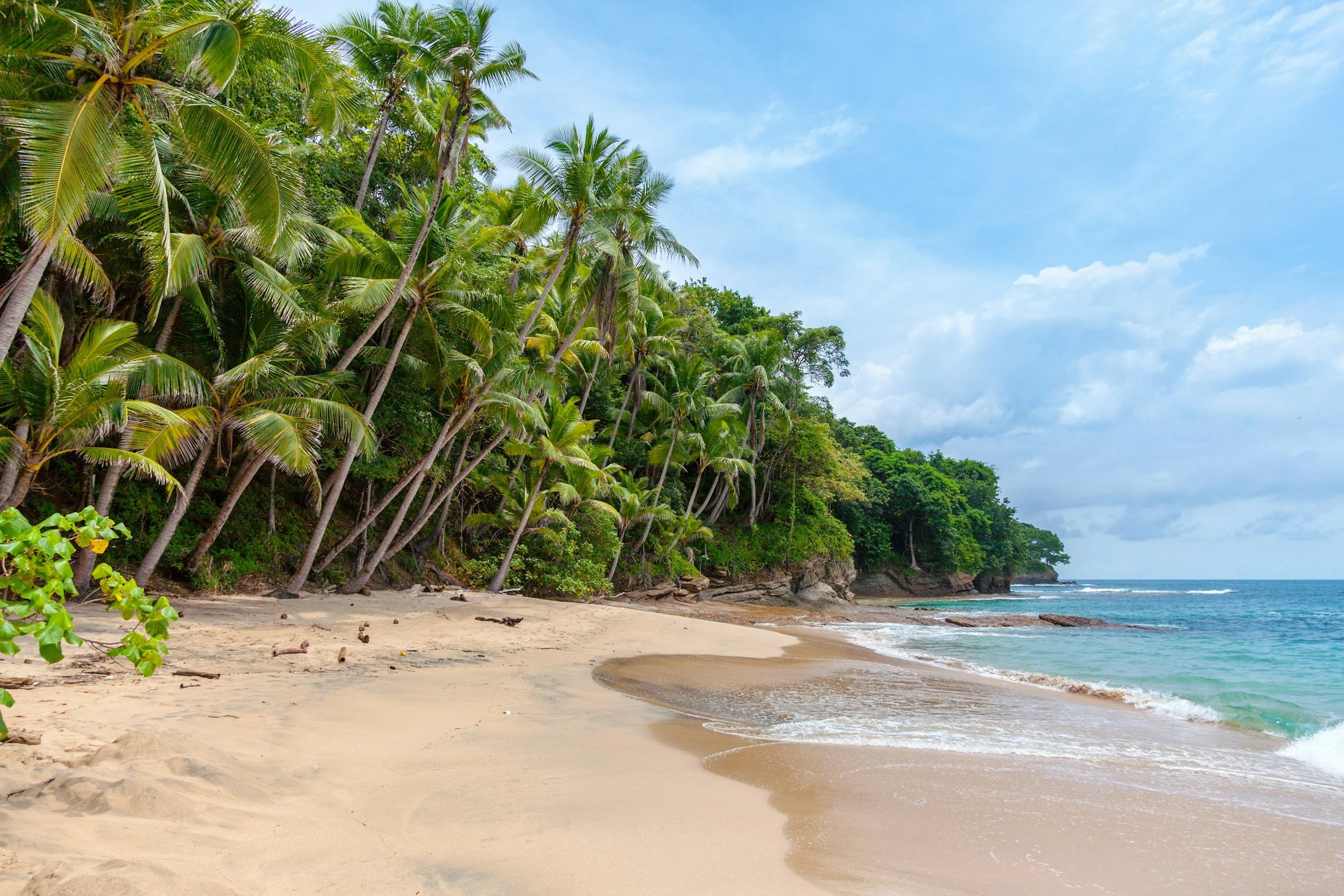
Antigua dominates here. Its 365 beaches are a major draw, most with powdery white sand and brilliant turquoise water. Even lesser-known beaches like Darkwood stay relatively uncrowded. St. Lucia's beaches are beautiful but less consistent: volcanic and black sand predominate, white-sand beaches exist but aren't the rule, and sargassum (seaweed) can appear in summer months. For beach-first travelers, Antigua is the clear choice.
3) Food + night energy
St. Lucia edges ahead slightly with a more diverse and upscale dining scene, especially near resorts and in Rodney Bay. Antigua offers excellent local food (fish cakes, cutters, fresh seafood) and charming beach bars, but dining feels more casual and less varied. Neither island dominates nightlife; both are better known for relaxation than partying. St. Lucia has slightly more late-night energy in Rodney Bay.
4) Crowds + tourism feel
Both islands experience heavy cruise traffic, but in different ways. Antigua's cruise port sits apart from most beaches, so the rest of the island feels uncrowded unless you're near St. John's. St. Lucia's cruise ships dock at Castries, which concentrates crowds there, but the island's smaller tourism footprint means fewer visitors overall once you leave port areas. Antigua feels more touristy overall due to higher visitor volume, but both blend tourism with authentic local culture reasonably well.
5) Value for what you get
Both islands sit in the $$–$$$ bracket, making them similarly priced for lodging and dining. However, St. Lucia's luxury resorts spike to $$$$, and if you want to experience the island's premiere hotels (Jade Mountain, Sugar Beach), budget more. Antigua offers excellent value at all-inclusive and boutique levels without the luxury tier being as expensive. For mid-range travelers, Antigua edges out better value; for luxury seekers, both are pricey but St. Lucia's resorts command premium rates.
A note on what comparisons can't capture
A comparison only tells you how two islands differ. It doesn't tell you what either one is actually like. If you're leaning one way, that's what the destination pages are for.
☀️
Honest Downsides
Antigua — Honest downsides
Expensive outside all-inclusives — Dining, lodging, and activities are pricey relative to neighboring islands. If you're not booking an all-inclusive, budget carefully for meals and car rentals.
Limited nightlife and entertainment — Beyond beach bars and resort activities, there's little energy for evening socializing. If nightlife is a priority, you'll be disappointed.
Seaweed in summer — June through November, sargassum can wash up on beaches, particularly the east coast, making some beaches less pristine. It's weather-dependent but worth planning around.
Limited exploration without a car — Public transit is sparse, so you'll need to rent a vehicle to see diverse beaches and the island's interior. Taxis are expensive for frequent trips.
St. Lucia — Honest downsides
Hilly, steep terrain is exhausting — Roads are curvy and steep; driving takes longer than distance suggests, and hiking trails are genuinely challenging. If flat, easy terrain matters to you, this will feel limiting.
Volcanic and black sand beaches — If you're picturing pristine white sand everywhere, you'll find black and golden sand instead. Some white-sand coves exist (Pitons Bay, sugar beach areas), but they're not the norm.
Higher prices at luxury resorts — The top-tier resorts (Jade Mountain, Sugar Beach) are among the Caribbean's most expensive. If you want luxury, budget $$$$.
Sargassum in summer and deceptive drive times — Summer months bring occasional seaweed, and roads are so curvy that a "20-minute" drive can take 40 minutes, making day trips require more planning.
Practical Reality
Best months: December to April (dry season) for both. St. Lucia's north (Rodney Bay) is lively year-round; south is quietest in off-season.
Budget: Antigua: $$–$$$. St. Lucia: $$–$$$ (resorts $$$$). Both require budgeting; St. Lucia luxury tier is pricier.
Cruise impact: Antigua: Heavy at St. John's port; rest of island quiet. St. Lucia: Heavy at Castries; less island-wide congestion than Antigua.
Car: Antigua: Yes—essential to explore beyond beach towns. St. Lucia: Helpful for exploring; not essential if staying at a resort with shuttles. Rent a 4×4 if driving independently; roads are steep and rough.
Antigua: the full read
☀️
St. Lucia: the full read
Frequently Asked Questions
Which has better beaches — Antigua or St. Lucia?
Antigua, and the advantage is structural. The island famously claims 365 beaches — one for every day of the year — ranging from busy resort-backed stretches like Dickenson Bay to completely empty coves like Rendezvous Bay that you may have entirely to yourself. The sand is consistently white and powdery, the water is calm and clear, and the flat terrain makes most beaches easy to reach by rental car. St. Lucia's beaches are more limited in number — roughly 19 — and the island's volcanic origins mean the sand is often darker and courser, particularly in the south near the Pitons. St. Lucia's standout Sugar Beach (white sand between the Pitons) is genuinely spectacular, but it's the exception rather than the rule. For classic Caribbean beach variety and quality across the whole island, Antigua wins clearly.
Which is better for adventure and scenery?
St. Lucia, and the gap is dramatic. The twin Pitons — UNESCO World Heritage listed volcanic peaks rising directly from the sea — are among the Caribbean's most recognizable and arresting landmarks. The island offers hiking up Gros Piton, a drive-in volcano at Sulphur Springs (the world's only one), waterfall hikes through 19,000 acres of rainforest, ziplining, ATV tours, and catamaran excursions to the Pitons. The landscape changes profoundly as you move across the island, and the driving itself through volcanic mountain roads is an experience. Antigua is mostly flat, and while Nelson's Dockyard, Devil's Bridge, and Fig Tree Drive are genuine draws, the adventure ceiling is lower. Travelers who want a destination that physically overwhelms them with scenery belong on St. Lucia.
Which is better for sailing?
Antigua is the Caribbean's sailing capital, and it earns that title. English Harbour and Falmouth Harbour together form one of the great sailing hubs of the world — a UNESCO World Heritage Site in the form of Nelson's Dockyard, still the only working Georgian dockyard on earth, surrounded by superyachts and racing crews. Antigua Sailing Week is one of the world's premier regattas, and the Antigua Classic Yacht Regatta draws historic vessels from across the globe. The sailing culture permeates the island's identity in a way few destinations can match. St. Lucia has good sailing and Marigot Bay is beautiful, but it doesn't carry Antigua's history, infrastructure, or global sailing reputation.
Which is easier to get around?
Antigua, considerably. The island is roughly 108 square miles and mostly flat — you can get from one end to the other in about 30 to 40 minutes, and rental cars are easy to handle even for first-time left-hand-side drivers. St. Lucia covers 238 square miles with mountainous terrain throughout: winding, narrow roads, significant elevation changes, and journeys of 90 minutes to two hours between the north (Rodney Bay, Castries) and the south (Soufrière, the Pitons). Many travelers who base in the north never make it to the best scenery in the south, or make the mistake of underestimating how long the drive takes. For travelers who want to explore freely at their own pace, Antigua is the simpler proposition.
Which is better for a honeymoon or romantic trip?
St. Lucia has the stronger claim as the Caribbean's most celebrated honeymoon destination — the Pitons backdrop, iconic luxury resorts like Jade Mountain, Anse Chastanet, and Sugar Beach (each with private plunge pools overlooking the sea), and a dramatic landscape that makes every moment feel cinematic. Antigua is quietly romantic without wearing it as its primary identity — English Harbour and Falmouth Harbour have genuine atmosphere and intimacy, the beach variety means couples can find seclusion easily, and boutique properties like The Inn at English Harbour are genuinely lovely. The distinction: St. Lucia delivers concentrated, resort-engineered romance with an unforgettable backdrop; Antigua delivers romance through ease, warmth, and the pleasure of a beautiful island well worth exploring together.
Which is better for families with children?
Antigua is the cleaner family choice, particularly for families with younger children. The flat terrain makes driving manageable, the beaches are calm and sandy with easy water entry, the island's size means attractions aren't exhaustingly spread apart, and resort infrastructure — including all-inclusive options — is well developed for families. St. Lucia works well for families with older children who will appreciate the adventure activities — hiking, waterfall excursions, the volcano, sailing — but the mountainous driving can be tiring, the southern half of the island is a long distance from the northern resorts, and the darker volcanic beaches in the south are less suitable for toddlers. For a straightforward beach holiday with kids, Antigua is the more forgiving island.