The Main Difference
Bonaire and Roatán both attract serious divers seeking world-class Caribbean reef access at a reasonable price — but they deliver it in completely different ways. Bonaire is a self-directed shore diving island: you rent a truck, pick up tanks, drive to a numbered site, and enter the water on your schedule, every day, as many times as you want. Roatán is a boat-diving island with a social, rustic character — dive shops organize your day, West End has bar energy in the evenings, and the overall experience feels more like a community than a solitary immersion. Choose Bonaire for maximum diving freedom and minimal friction. Choose Roatán for affordability, livelier above-water energy, and a more social dive culture.
The honest case for Bonaire
☀️
The honest case for Roatán
Quick Pick
Choose Bonaire if you want:
Complete diving autonomy — your own schedule, your own sites, shore entry whenever you're ready, no guide required and no boat to wait for
One of the most pristine and protected reef systems in the Western Hemisphere; Bonaire's marine park has been under strict protection since 1979
A safe, easy-to-navigate island with minimal infrastructure friction — potable tap water, reliable roads, and no zones you need to avoid
Choose Roatán if you want:
Outstanding diving at a significantly lower price point — airfare, accommodation, guided boat dives, and food all cost less than Bonaire, often substantially so
A more social trip — West End has beach bars, evening energy, and the easy communal feeling of a small dive-town where travelers meet and stay longer than planned
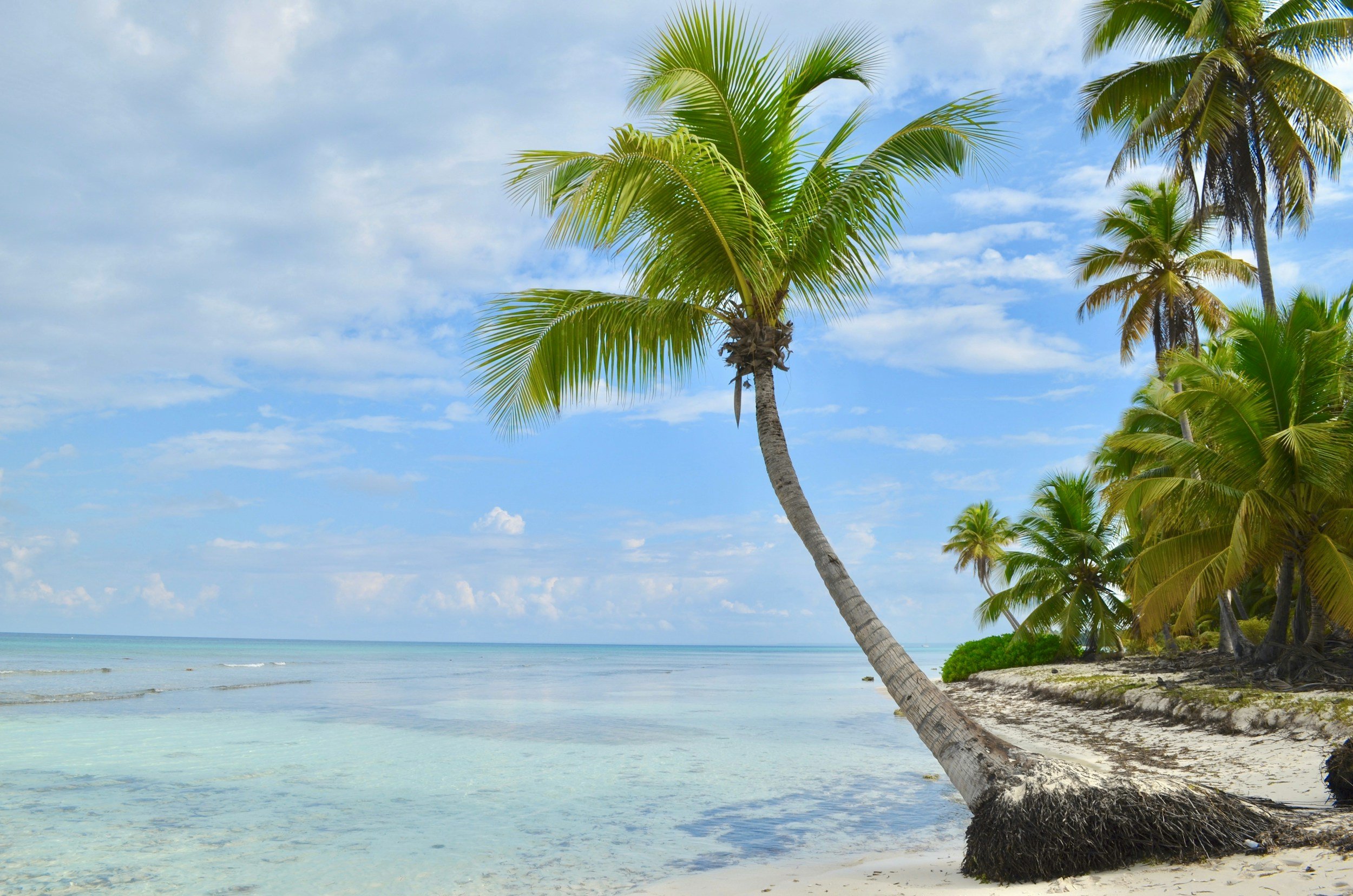
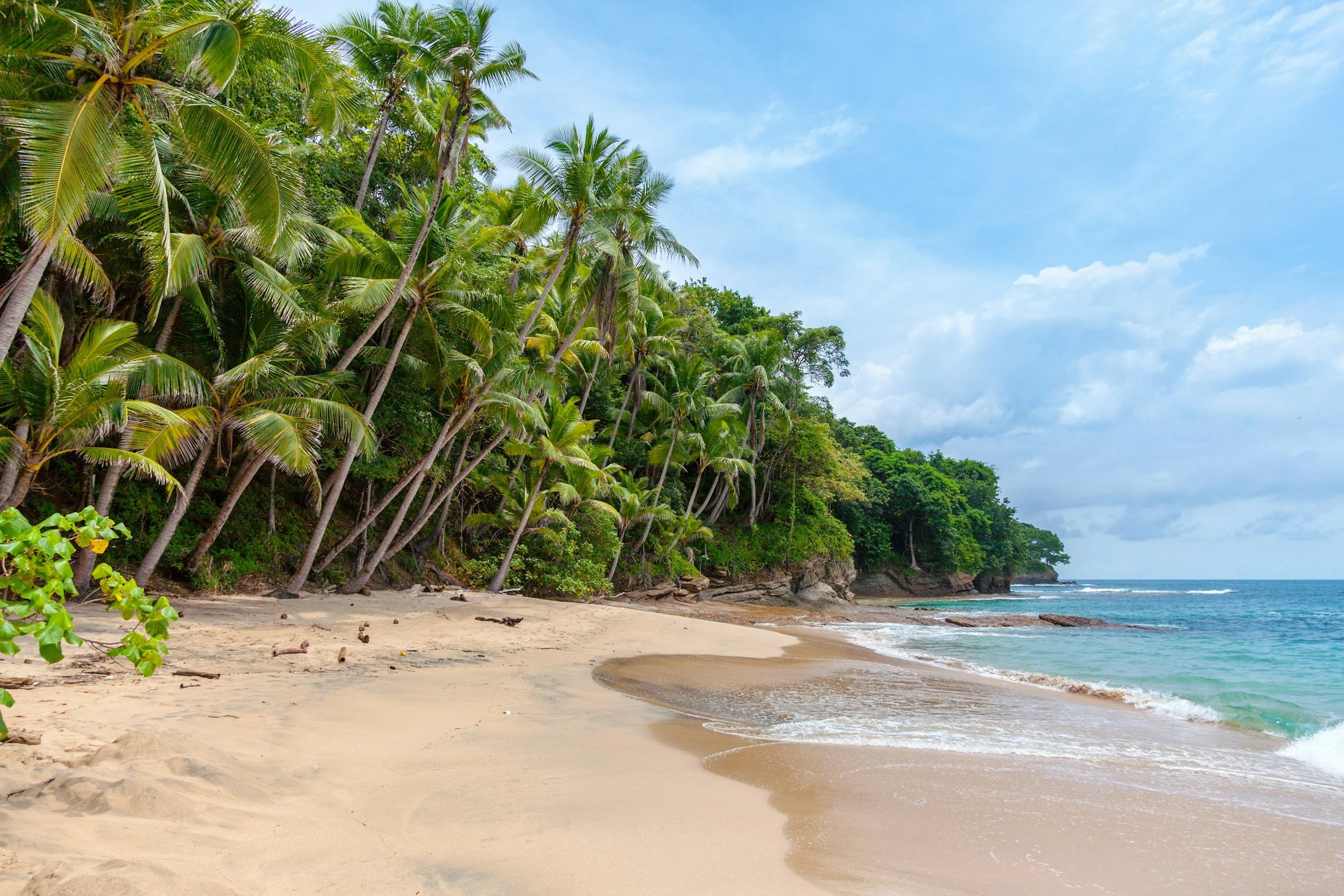
Beautiful sandy beaches with walk-in swimming access, a stronger beach-vacation feel, and a lush tropical landscape rather than a dry desert one
Skip Bonaire if:
You want guided boat diving, a dive community social scene, lively evenings, or a tropical beach you can actually swim from without navigating rocks and coral rubble
Budget is a real constraint — Bonaire's unlimited diving model is cost-effective per dive, but accommodation, food, and flights run higher than Roatán
Skip Roatán if:
You want to control every aspect of your diving day — Roatán is almost entirely boat-dependent, which means working with a shop's schedule, group sizes, and site rotation
You need seamless infrastructure — power outages, rough roads outside tourist areas, and genuine petty theft risk are part of Roatán's reality and require active management
What a Day Feels Like
A day in Bonaire
Morning: You load tanks into your rental truck at first light and drive to a site you picked the night before — maybe Salt Pier, maybe Karpata, maybe Klein Bonaire by water taxi. The entry is rocky, but the reef starts in ten feet. You're diving solo or with a buddy by 7:30am, on your own plan, at your own depth.
Afternoon: A second dive from a different site, then lunch from a local food truck or groceries from a small market. The afternoon wind picks up and the island goes quiet. You might do a third dive at dusk — a shore night dive from your resort's dock is a real option at several properties. The island's flatness and dryness have a strange appeal once you settle into the rhythm.
Night: A few good restaurant options in Kralendijk, an early night. Bonaire does not fight you for your attention after dark. If you came to dive, that's not a loss.
A day in Roatán
Morning: You meet at your dive shop in West End or Sandy Bay for a two-tank morning boat dive. The boat heads out to the Mesoamerican Reef — dramatic walls, strong color, good fish life. The dive operation handles your gear, your tanks, and the site selection.
Afternoon: Back at the dock by noon. West Bay Beach has soft white sand and walkable reef access right from shore; West End has the more social bar scene. You can snorkel, eat, or sit with a beer and watch boats come in. The tropical green hillside behind you looks like a different hemisphere from Bonaire's cacti and salt flats.
Night: West End has beach bar energy — not nightclub-loud, but genuinely social. Open-air restaurants, cold beer, fellow travelers comparing dive stories. It goes later than Bonaire. At dusk, apply repellent; sandflies are a real fact of island life here.
Where Each Destination Wins
1) Energy & atmosphere
Bonaire is quiet, dry, and purposeful — desert landscape, low-rise development, minimal tourist infrastructure beyond the dive industry. The atmosphere rewards people who want to disappear into a routine of diving and stillness. Roatán's West End is the opposite: lively, social, and a little chaotic in a fun way — beach bars, expats, dive instructors, backpackers, couples on anniversary trips. Sandy Bay and the east side are quieter. Roatán has more range within its own island than Bonaire does. Both avoid the over-touristed resort-complex feel. Bonaire wins for solitude; Roatán wins for social energy and variety of atmosphere.
2) Beach & water feel
Roatán wins the beach comparison. West Bay Beach is a genuinely beautiful white sand beach with calm water and easy snorkeling access from shore. Bonaire's beaches are modest — limited sandy areas, mostly coral and ironshore entries, water that is spectacular underwater but effortful to enter. Bonaire wins the underwater quality comparison: reef health, fish diversity (particularly macro life — frogfish, seahorses, abundant reef fish), and overall coral coverage are consistently rated higher on Bonaire than Roatán. Roatán's walls are dramatic, but Bonaire's reefs are denser and better protected. Split decision: Roatán above the surface, Bonaire below it.
3) Food + night energy
Both score a 3 on dining — good local options, not destination-quality restaurants. The comparison is really about nightlife: Roatán's West End scores meaningfully higher, with a real beach bar scene and social energy that continues into the evening. Bonaire scores a 2 on nightlife and essentially closes by 10pm outside a handful of small bars. Roatán wins this category for travelers who want anything happening after dinner. For divers who go to bed at 9pm anyway, it's irrelevant.
4) Crowds + tourism feel
Bonaire has low tourism saturation and very occasional cruise traffic — one of the least crowded serious dive destinations in the Caribbean. Roatán receives heavy cruise ship traffic, particularly around Mahogany Bay and the port at the island's center. When ships are in, that part of Roatán feels overwhelmed. West End and West Bay are more insulated, but not immune. Staying intentionally in the right area and timing your activities around ship schedules matters more on Roatán than Bonaire. Bonaire wins on low-saturation feel without any management required.
5) Value for what you get
Roatán wins the value comparison in straightforward terms. It is one of the most affordable world-class dive destinations in the Western Hemisphere — flights from the US (particularly from hub cities) are cheaper and more frequent, accommodation ranges from hostels to mid-range resorts, and guided boat diving is priced significantly lower than comparable operations elsewhere. Bonaire's unlimited shore diving model is excellent value per dive for high-volume divers, but the total trip cost — flights, accommodation, truck rental, and Kralendijk's restaurant prices — adds up to more. Choose Roatán if budget is a real consideration; choose Bonaire if you will maximize every dollar on dive volume and reef quality.
A note on what comparisons can't capture
A comparison only tells you how two islands differ. It doesn't tell you what either one is actually like. If you're leaning one way, that's what the destination pages are for.
☀️
Honest Downsides
Bonaire — Honest downsides
Non-divers will struggle to fill the time. Bonaire's topside offer is genuinely thin: flamingo salt pans, Washington Slagbaai National Park, some kayaking in the mangroves, and Kralendijk's small restaurant strip. Partners, friends, or family members who don't dive often report feeling stranded after a day or two. This is not a general Caribbean vacation island.
Flight access has contracted. JetBlue exited Bonaire in January 2026. Current direct US routes are American from Miami, United from Houston (and seasonal Newark), and Delta from Atlanta. Travelers from many US cities need a connection, often through Curaçao or Aruba, adding cost and transit time.
Vehicle break-ins at shore dive sites are endemic. Locals and repeat visitors treat it as standard knowledge: lock your truck, take your valuables into the water with you in a dry bag, and leave nothing visible on the seat. It is well-documented and well-managed by experienced visitors, but it requires conscious daily planning.
The physical entries can frustrate. The vast majority of Bonaire's shore entries are over ironshore, coral rubble, or via ladder — not sandy beach walk-ins. In chop or strong trade wind conditions, entering and exiting is effortful. First-time visitors sometimes underestimate the physicality involved in three-dives-a-day shore diving.
Roatán — Honest downsides
Infrastructure is genuinely rustic and variable. Roads outside tourist corridors are rough. Power and water outages happen. Roatán operates on a developing-nation baseline, not a Dutch Caribbean one. Travelers who need reliable infrastructure at all times should factor this in — it shapes the trip more than guidebooks sometimes acknowledge.
Sandflies at dusk are a persistent quality-of-life issue. No-see-ums are real on Roatán — locals mention them before they mention the nightlife, which tells you something. Bringing effective DEET repellent and using it reliably at dusk is not optional. Some beaches are worse than others, and it changes how comfortable evenings feel.
Petty theft requires active vigilance. Roatán carries a moderate safety concern rating — not from personal crime, but from petty theft, particularly on beaches and around ATMs. Don't leave anything unattended, use hotel safes, and avoid ATMs outside bank branches. Smart precautions largely neutralize the risk, but it's a real daily consideration that Bonaire doesn't require.
Cruise days change the feel of the island fast. Roatán receives heavy cruise traffic, mainly at Mahogany Bay. On big ship days, entire sections of the tourist corridor feel like a shore excursion staging area. Basing in West End or West Bay mitigates this significantly — but choosing your base intentionally matters more on Roatán than most dive islands.
Practical Reality
Best months: Bonaire: February–June (calm seas, consistent weather, outside hurricane belt). Roatán: March–June (driest, best water visibility; avoid October–January rainy season)
Budget: Bonaire: $$. Roatán: $–$$ (one of the most affordable dive destinations in the hemisphere)
Cruise impact: Bonaire: Occasional (very limited, does not meaningfully affect the island). Roatán: Heavy (Mahogany Bay/Port of Roatán; choose base location intentionally)
Car: Bonaire: Essential (rental truck required for shore diving and island navigation). Roatán: Optional (West End and West Bay are walkable; car useful for exploring the full island)
Frequently Asked Questions
Which has better diving — Bonaire or Roatán?
Both are world-class, but they deliver different underwater experiences and that distinction matters for how you plan the trip. Bonaire's reefs are consistently praised for fish density — repeat visitors describe having to push fish out of the way — and the macro life (small, rare, photogenic creatures) is exceptional for underwater photographers. Roatán counters with more dramatic reef topography: caves, swim-throughs, sponge-covered walls, and soft coral formations that some divers find more visually exciting than Bonaire's flatter reef terrain. The practical split comes down to diving style rather than quality: Bonaire is the superior shore diving destination, with 85+ marked sites accessible on your own schedule; Roatán is almost entirely boat-based, with divemasters leading groups on two-tank morning trips. If you want maximum bottom time on your own terms, Bonaire wins. If you prefer guided boat diving and don't mind the structure, Roatán competes comfortably.
Which island is cheaper — Bonaire or Roatán?
Roatán is significantly less expensive across almost every category. Accommodation, food, and dive costs are all lower, and flights from the US tend to be cheaper and more flexible given Roatán's closer proximity. Bonaire's limited accommodation inventory keeps prices high, the $40 mandatory Nature Fee adds to upfront costs, and the island's overall daily spend runs notably higher. For divers who want a week on a reef-rich island without the price tag of Bonaire or the ABC islands, Roatán is one of the Caribbean's clearest value propositions. The tradeoff is a rougher-around-the-edges infrastructure and a more rustic experience.
Is Roatán safe to visit?
This is the question that comes up most in Bonaire vs. Roatán comparisons, and it deserves a straight answer. Honduras as a country has real safety concerns, and Roatán is a reminder that island geography doesn't fully insulate you from mainland realities. Within the main tourist zones — West End, West Bay, and the established dive resorts — travelers generally report feeling safe and have positive experiences. The honest caveats are: there are areas of the island where travelers are advised not to go at night; petty theft including pickpocketing is a recurring report; ATMs on the island are flagged as a risk by frequent visitors; and the infrastructure and emergency medical services are materially less developed than Bonaire, which is effectively governed as part of the Netherlands. Bonaire, by contrast, is one of the safest islands in the Caribbean. Travelers who are comfortable with the precautions required in a developing-country context often love Roatán; those who want to move around freely without thinking about it tend to prefer Bonaire.
Which is better for non-divers?
Roatán has more to offer topside — West End is a genuinely walkable strip with varied restaurants, beach bars, and some nightlife, and the island itself is lush, green, and scenic in a way arid Bonaire isn't. There are zip-lining tours, mangrove kayaking, and easy snorkeling right off West Bay Beach where the reef is accessible within 30 feet of shore. Bonaire's topside ceiling is lower: Kralendijk is compact and manageable, the restaurant scene is better than its size suggests, and snorkeling and windsurfing at Lac Bay are genuine draws — but after a few days, non-divers start to feel the limits of a small, flat island built around underwater access. The edge goes to Roatán for non-divers, with the note that safety awareness limits where you can wander freely in a way Bonaire doesn't.
Which is better for snorkeling?
Roatán edges ahead for casual snorkelers, primarily because West Bay Beach offers direct sandy-entry access to healthy reef within easy swimming distance of shore — no water shoes required, no truck to load, just walk in. The reef topography and fish diversity at Roatán's best spots compare favorably. Bonaire's snorkeling is excellent in terms of marine life density and visibility, but most sites involve rocky ironshore entries requiring proper footwear, and the self-directed nature of access suits more experienced snorkelers better. For families or casual snorkelers who want easy, rewarding reef access without logistics, Roatán's West Bay area is the more comfortable experience.
Which is better for a diver who wants total independence?
Bonaire, and it's not a close comparison. The entire island is set up around self-directed shore diving — you rent a pickup truck, load tanks from a drive-through fill station, drive to any of 85+ yellow-marked sites, and get in on your own schedule at any hour of the day or night. There are no boat schedules to conform to, no divemasters to follow, no minimum group sizes. You can do five or six dives a day if you want. Roatán's shore diving is extremely limited outside of a handful of resort house reefs; nearly all diving is boat-based, divemaster-led, and organized around a two-tank morning structure. For divers who specifically want the freedom to dive when they want, as often as they want, without coordinating with anyone, Bonaire is uniquely suited to that in a way Roatán simply isn't.
Bonaire: the full read
☀️